An EverGuard membrane name narrows the system question. It does not identify the attachment, insulation, cover board, or flashing details on a particular building. We inspect the roof and available records before planning GAF TPO, PVC, or PVC KEE work. The condition report names the surface, seams, penetrations, and areas that were not reached. A repair scope follows the assembly found on site.
Nearby Melbourne climate normals show hot summers and frequent seasonal rain. Those regional patterns make membrane condition, seam quality, and drainage useful inspection points. They do not prove a material will perform a certain way at a building. Port Malabar's commercial listings span different uses. A retail roof at Palm Bay Station requires its own access contact and operating plan. The product choice and work plan remain tied to each roof zone.
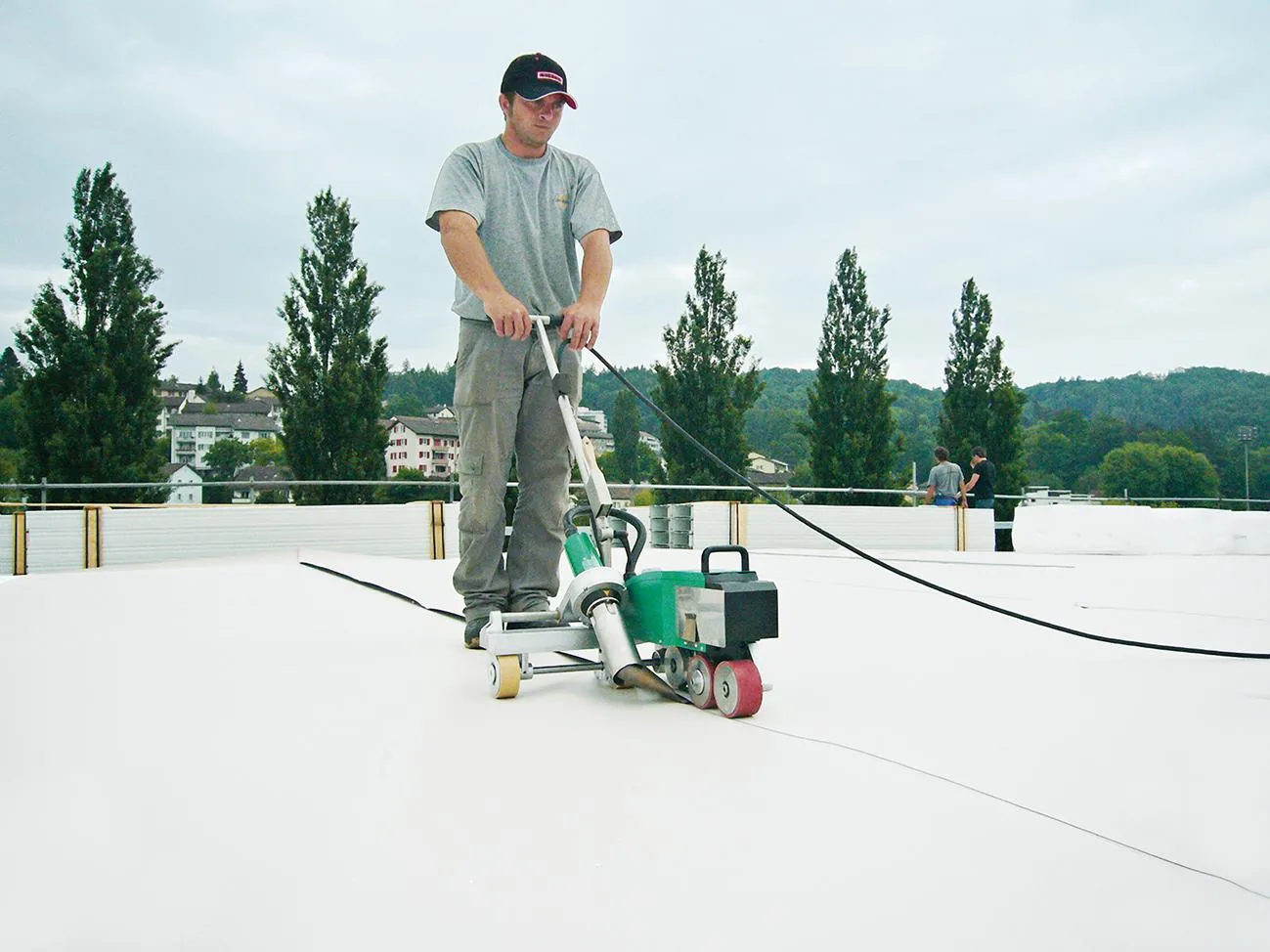
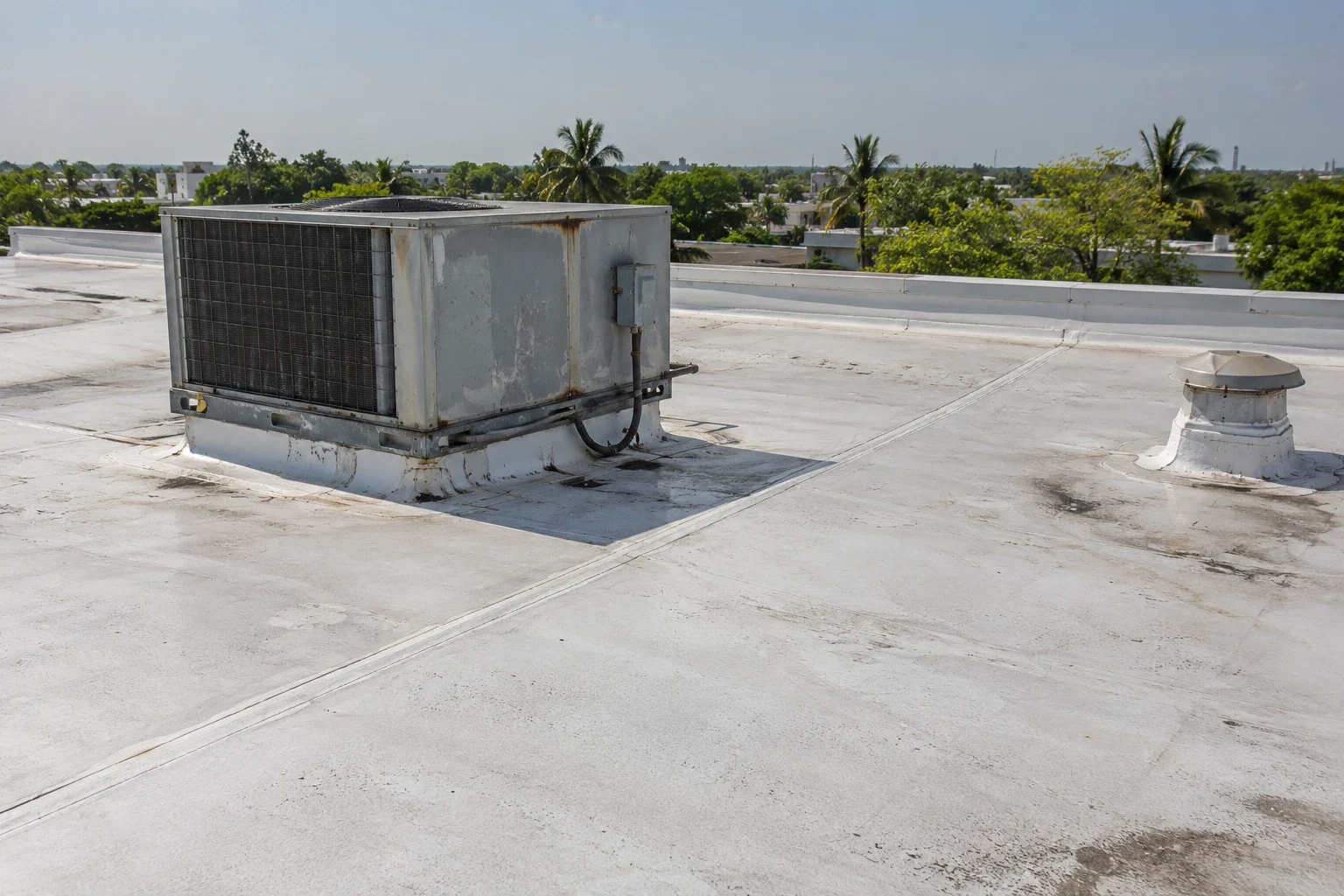
GAF's commercial single-ply line includes EverGuard TPO, PVC, and PVC KEE membranes. These thermoplastic sheets use heat-welded seams. TPO and PVC are not interchangeable by color or appearance. PVC KEE is a formulation option with different material properties. We check the product identification, thickness shown in records, and installed accessories before specifying a patch or replacement detail.
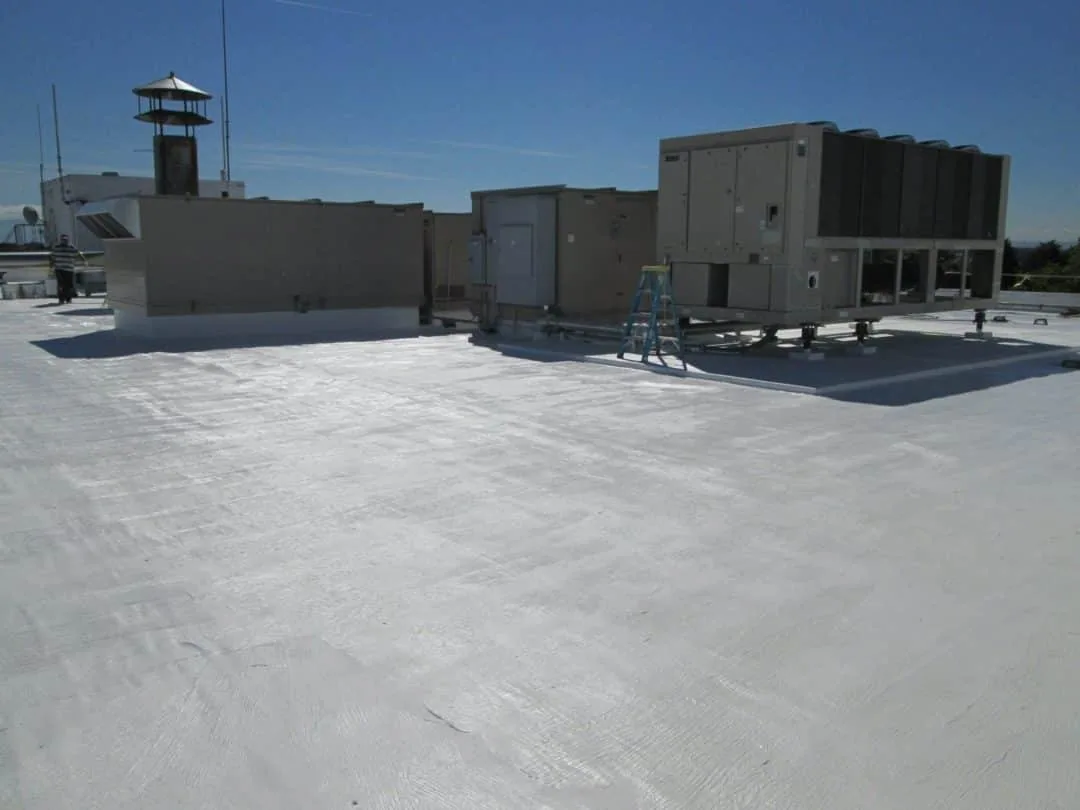
Roof assembly choices can include adhered, mechanically attached, induction-welded, or other system configurations. The attachment pattern depends on the approved design and substrate. A white membrane does not tell us how the assembly is fastened. We document what records show and what field access confirms. Wind design, deck type, perimeter zones, and insulation attachment are reviewed as part of the assembly, not just the membrane selection. Those details can change the repair plan or the feasibility of an overlay. We record any information the owner needs to supply before the final scope is set. A TPO system review or PVC membrane inspection can frame the material-specific questions before repairs are scoped. Compare manufacturer details carefully: a documented seam profile, fastening pattern, and approved accessory schedule should match the design for that roof. A membrane roll label alone does not confirm the full assembly.
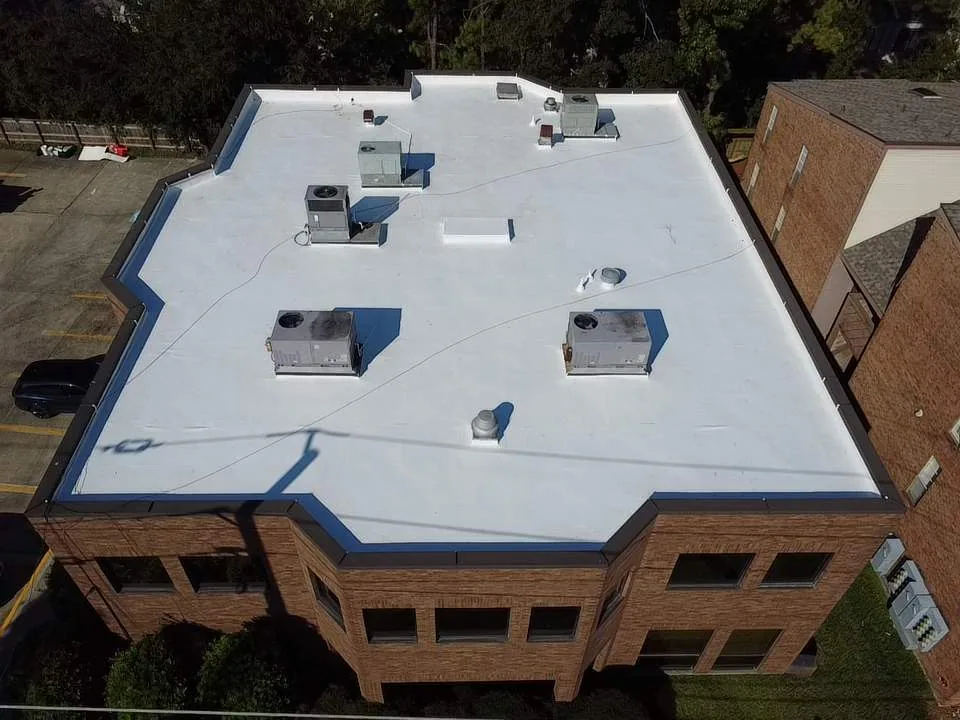
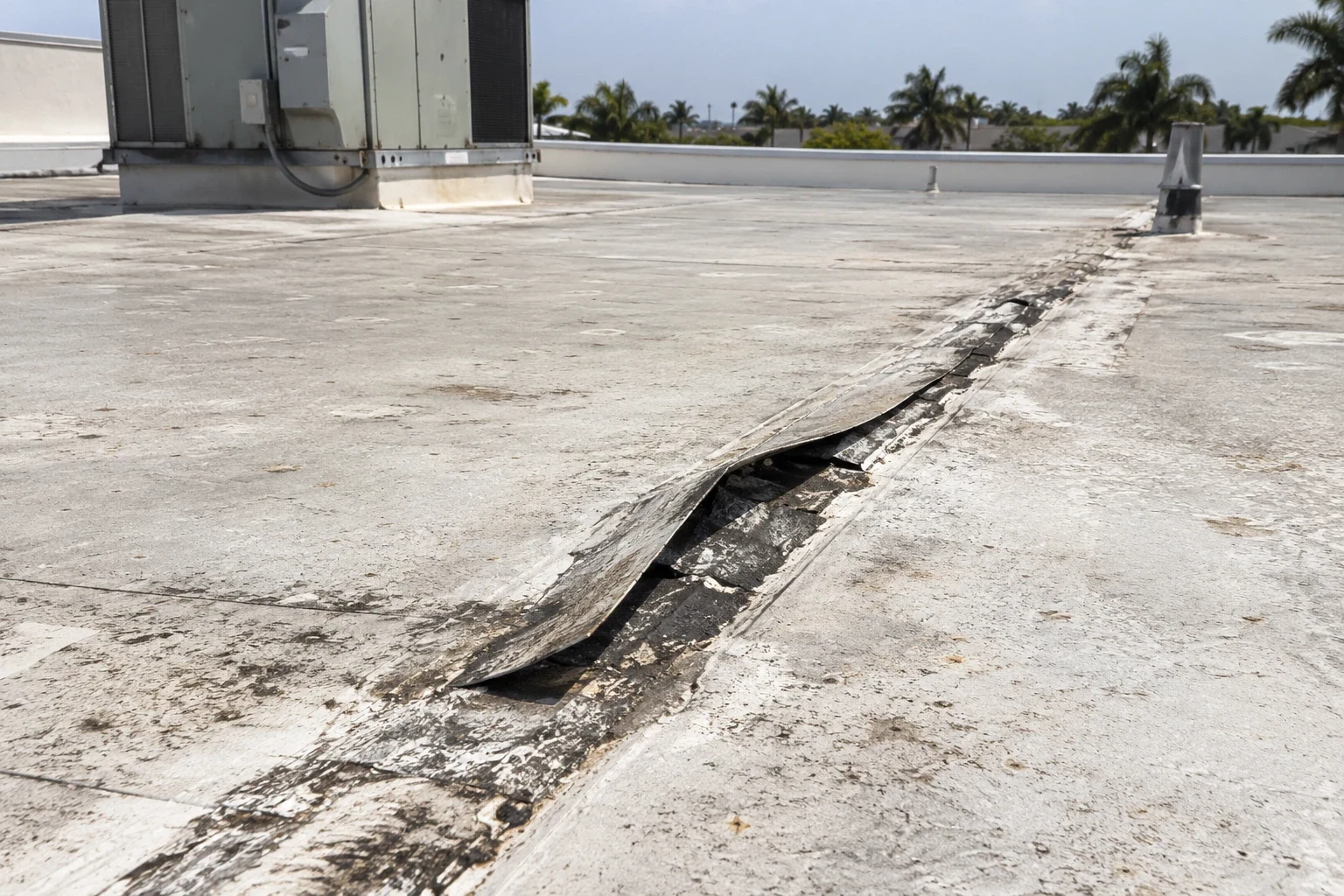
For thermoplastic membrane, seam condition is central. We inspect welds, cut edges, corners, penetrations, and changes in plane. A seam may look closed while having a weak or contaminated section. Probe checks and test welds are made only where appropriate and permitted. We record the test location and result rather than treating one check as proof across every seam.
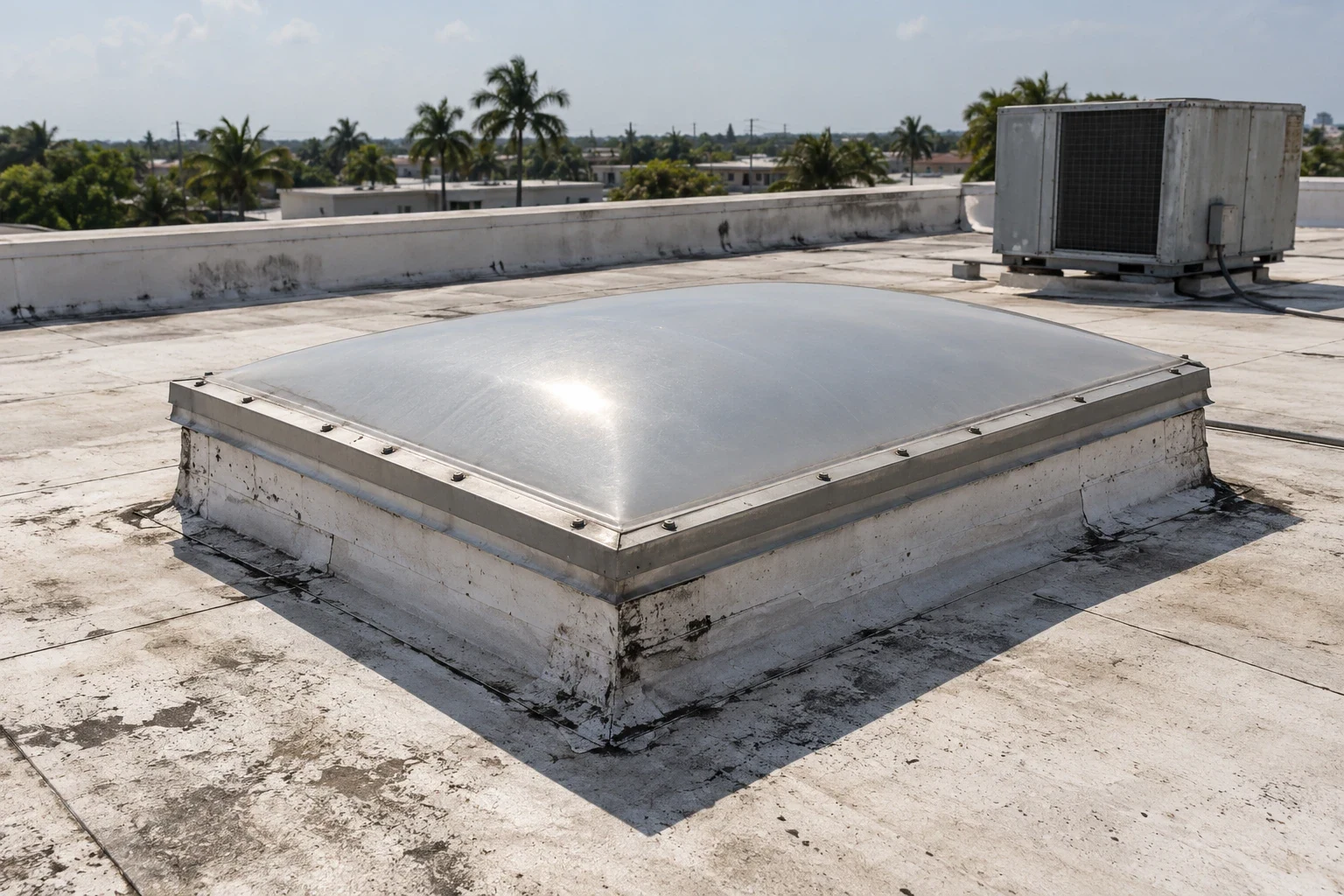
Factory-fabricated accessories and field details need to connect cleanly to the membrane. Curbs, drains, edge metal, and wall terminations receive close review. At Palm Bay Station, the property contact confirms access, and an inspection identifies the membrane and roof condition before repair. For any building, penetration flashing work remains a separate detail from field-sheet repair.
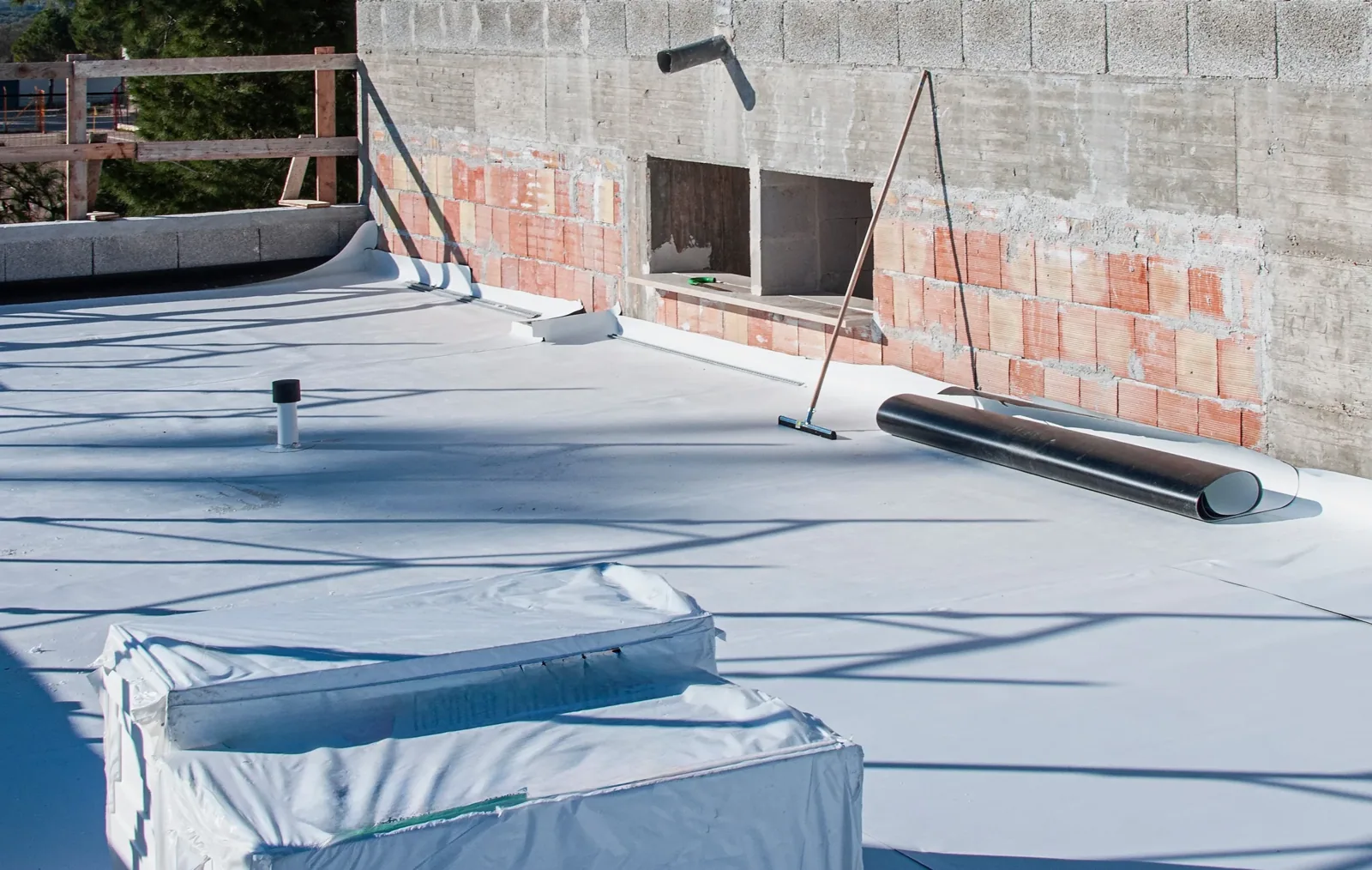
A repair starts with surface cleaning, compatible membrane, correct preparation, and a controlled weld. Moisture, contamination, wrinkles, and aged material can prevent a sound tie-in. We inspect beyond the visible opening to determine whether the membrane and substrate can support a localized patch. If insulation is wet or the sheet is detached along a larger run, the report identifies that expanded boundary before removal proceeds.
GAF PVC products may be considered where a project calls for PVC characteristics, including chemical resistance. The building's actual exposure and specification control selection. We do not infer chemical use from an industrial address. The seam repair scope records a split separately from a puncture or flashing failure. When the assembly is mixed or a prior coating is present, we verify compatibility before applying new material. For comparison, Carlisle's commercial membrane systems and Holcim Elevate's roofing assemblies have their own product specifications. The repair method still follows the membrane installed at the subject property, not a general cross-brand assumption.
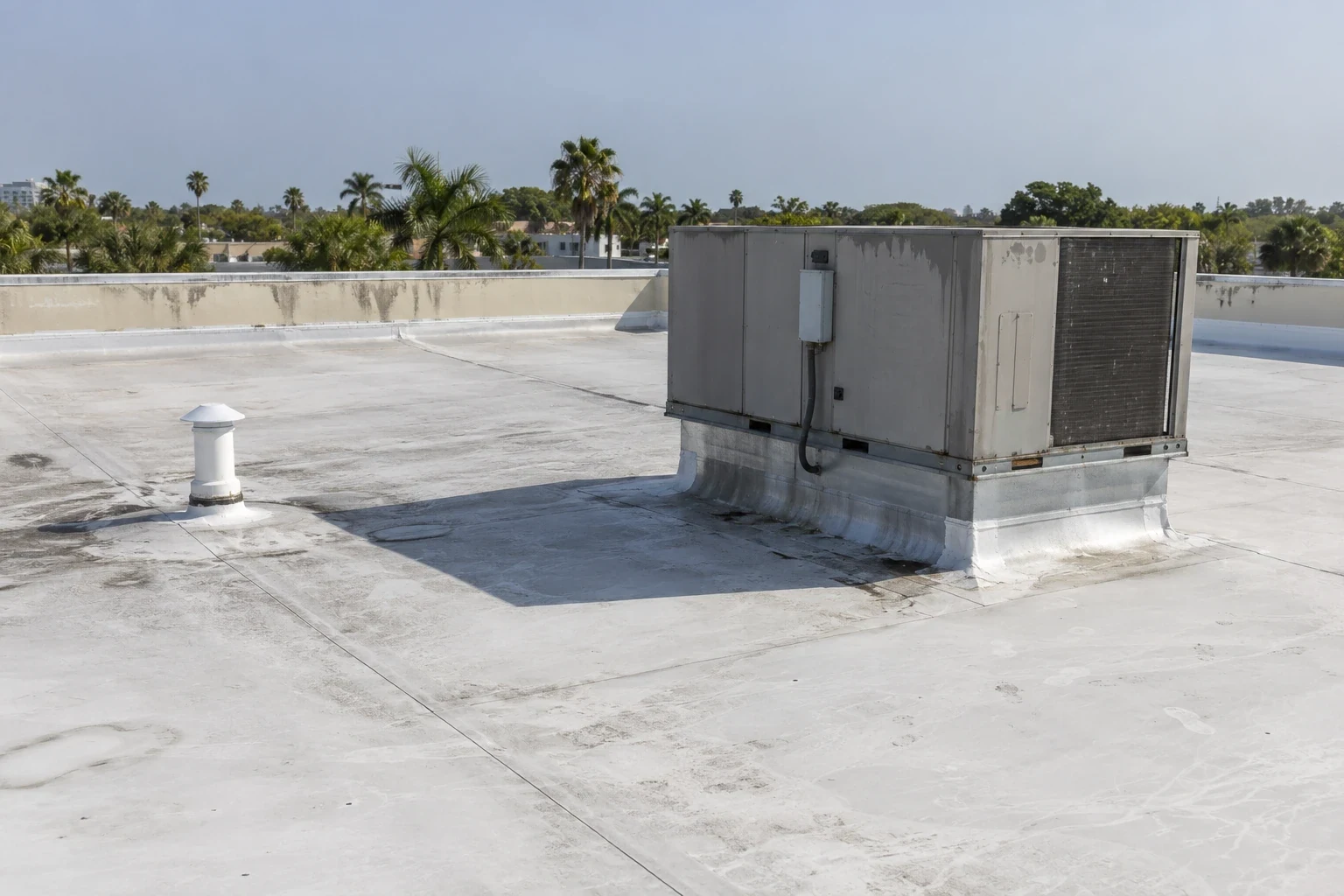
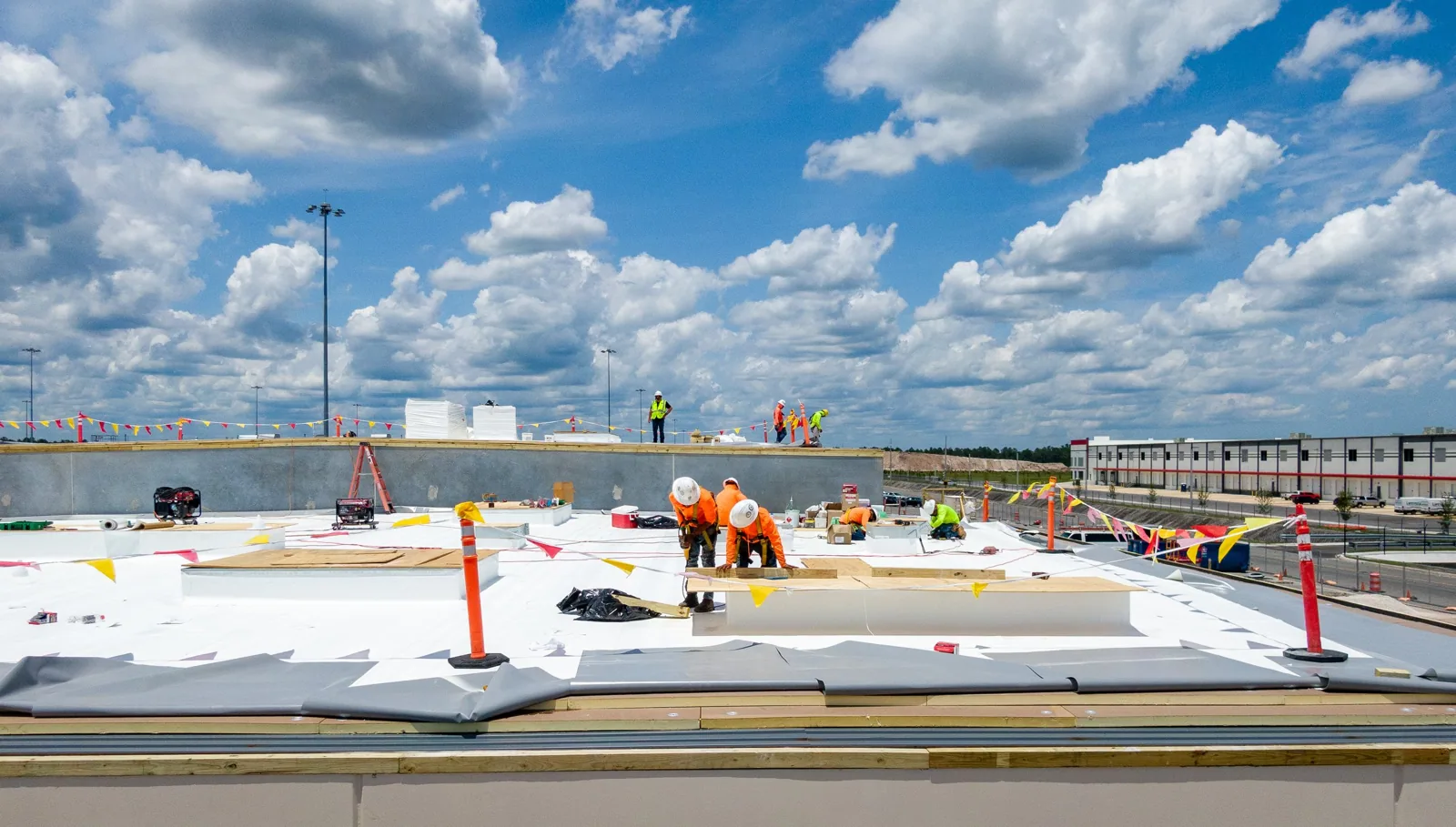
Replacement planning begins with deck and insulation conditions, existing layers, drainage, equipment, perimeter attachment, and access. A recover may be possible only when the existing assembly and project requirements support it. Tear-off may be needed where moisture or substrate issues require removal. We describe the reason for the proposed method and identify test openings that could change the scope.
Palm Bay summer temperatures and rain patterns affect surface preparation and sequencing. We follow project requirements and current conditions at the roof. At Palm Bay Flex Business Park or the 5200 Professional Center, the contact and access route must be confirmed before staging. An occupied-building plan can set work zones, daily protection, and communication around tenant operations.
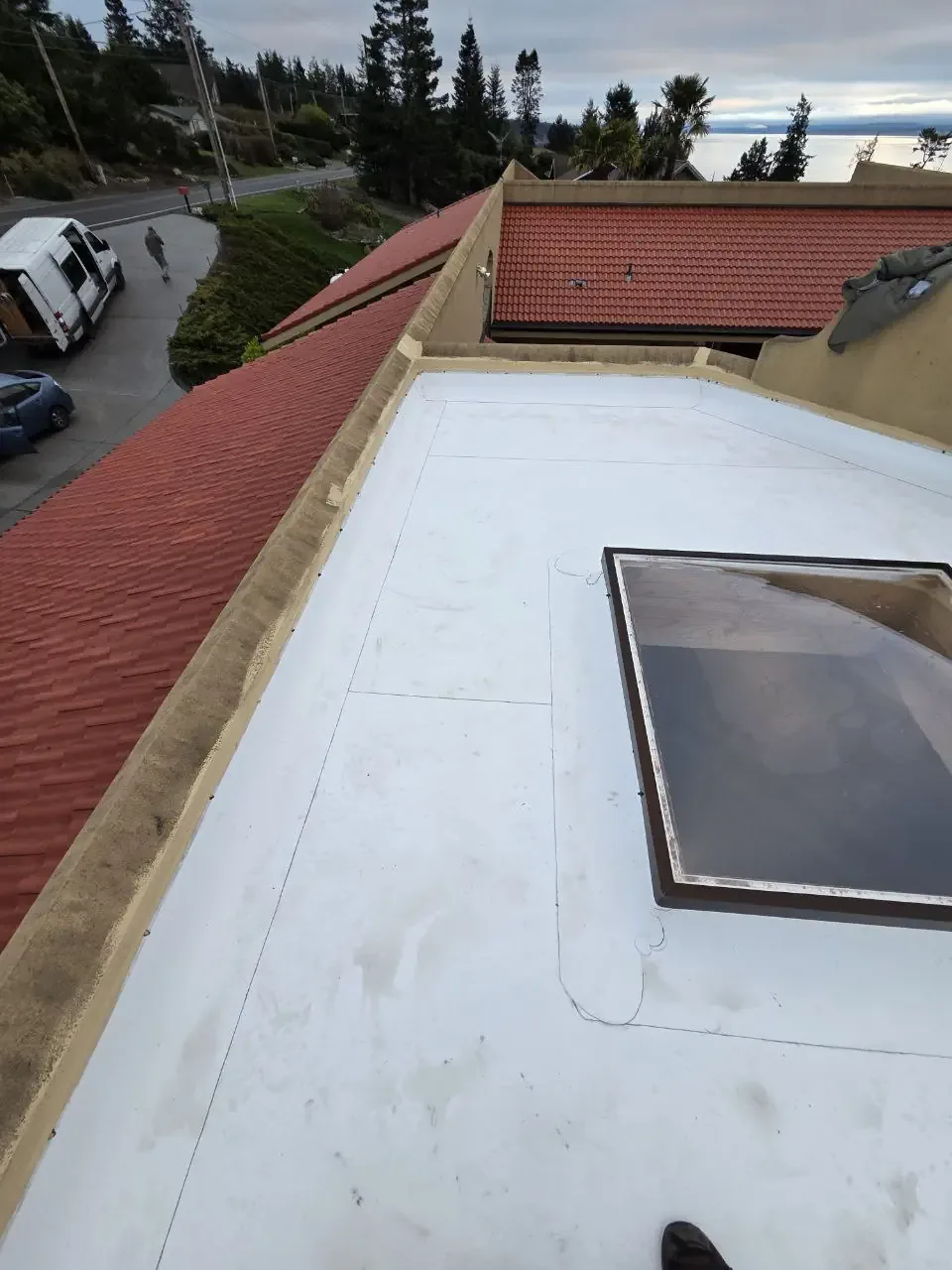
After installation, maintenance should track drains, flashings, seams, rooftop traffic, and previous repair locations. We document the date, roof zone, photographs, observed condition, and next action. A warranty document may have separate notice or inspection terms. We review the actual file and do not assume that any product name alone establishes eligibility or coverage.
A dated condition report connects findings to the building. For portfolio owners, an asset record can preserve the assembly information, repair history, and future inspections. Maintenance notes should identify clogged outlets, loose perimeter metal, surface wear, and any condition scheduled for recheck. The closeout should state what was repaired and what remains open, with each image tied to a roof-zone location. A roof in Port Malabar Industrial Park keeps its own record even when a contractor also services another property nearby.
Learn more →
Learn more →
Learn more →
Learn more →
Learn more →
Learn more →
Learn more →
Learn more →