A warranty file is useful only when the roof, document, and maintenance record match. We review the available terms, system identifiers, start and end dates, inspection duties, and restrictions before proposing work. The file may be incomplete or refer to a different roof area. We identify that gap instead of assuming coverage. Repair recommendations stay tied to observed conditions, while warranty questions remain subject to the document and issuer.
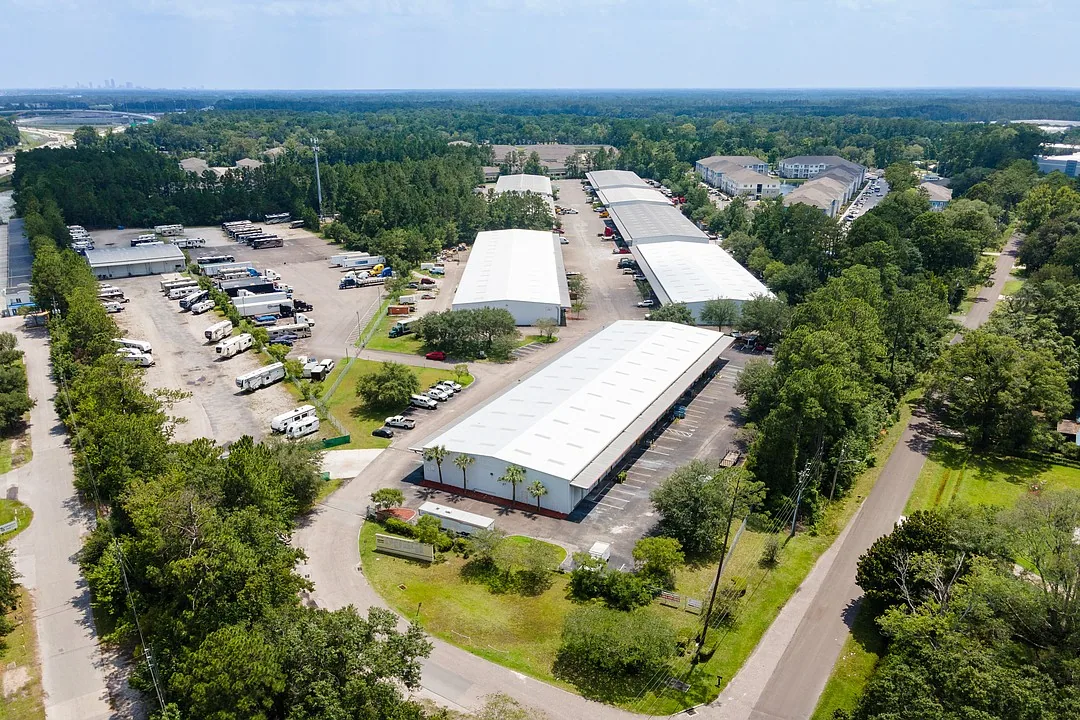
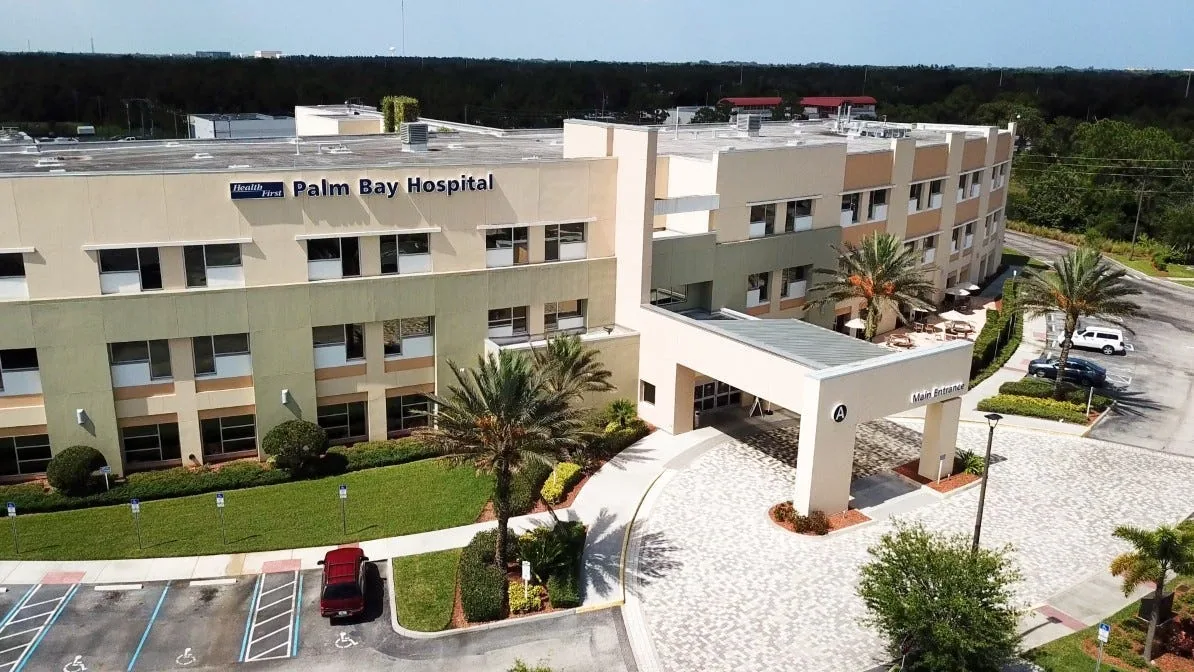
Palm Bay roofs face regional heat and seasonal rain. Melbourne averages 55.28 inches of precipitation each year. Palm Bay has documented surveys for Hurricanes Irma, Ian, and Nicole. Those facts can explain why maintenance records matter, but they do not establish warranty coverage for an individual roof. A property near Palm Bay Hospital or in Port Malabar Industrial Park needs a building-specific record of inspection, repair, access, and any manufacturer notice required by its actual warranty.
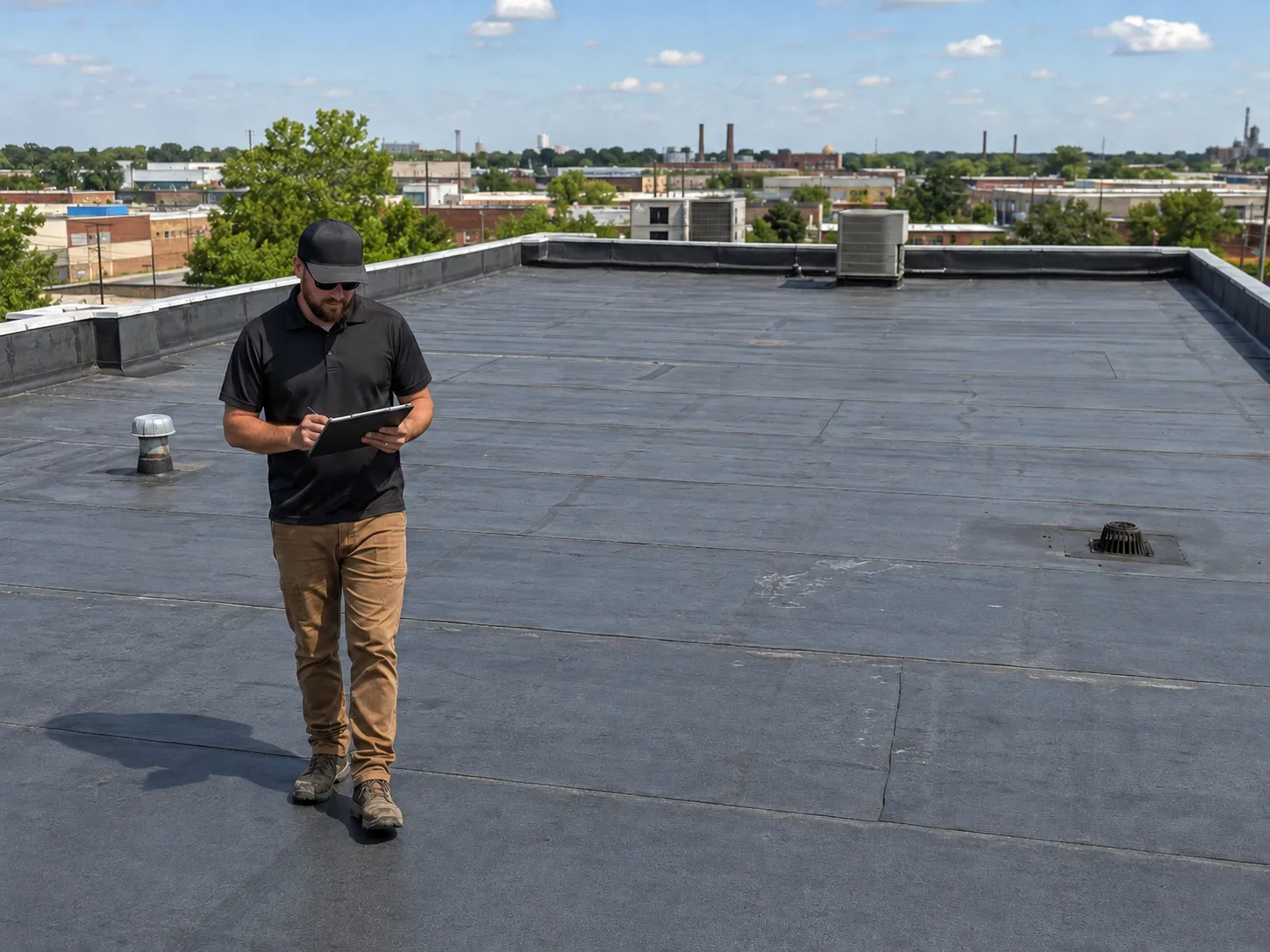
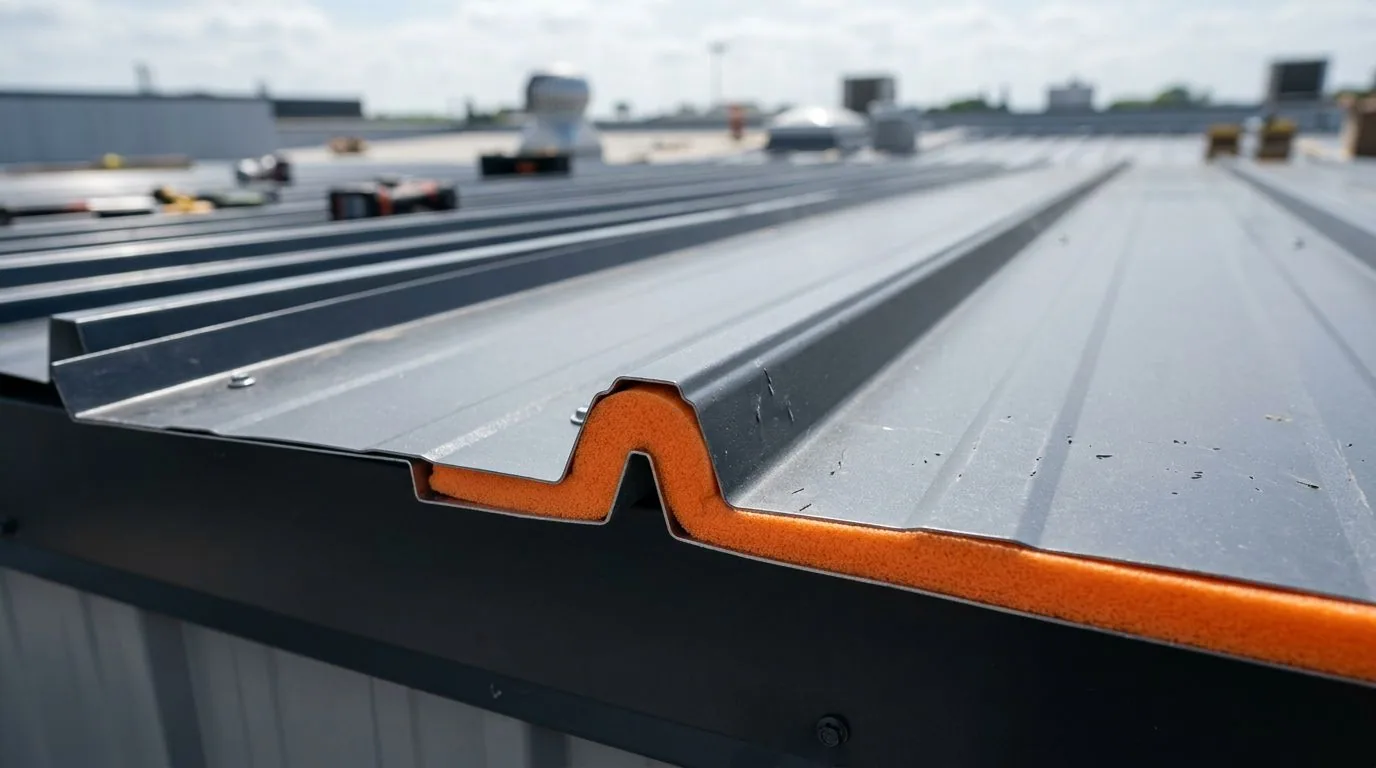
We start by reviewing the warranty document and confirming which address, building, system, and roof zone it covers. Useful records can include the original contract, product or assembly description, closeout, maintenance logs, prior repairs, and written notices. If no document is available, the report says so. A product label or membrane color alone does not establish who issued a warranty or what obligations apply. We look for the exact building, system description, covered work, exclusions, inspection frequency, notice rules, transfer terms, and required maintenance. If a page or exhibit is missing, the report lists it as an open document request. That protects the file from treating an incomplete copy as the complete agreement.
The owner should know the notice route and required records before non-emergency work begins. We can organize the documents and identify questions that need written clarification. A roof asset record can retain the warranty reference beside the field condition, while a dated condition report records the inspection method and photographs. Neither record changes the warranty terms.
Some warranty documents require periodic inspection, drain care, or written reporting. We read the actual terms and build a schedule from those requirements, then log the visit date, roof zones, conditions, photographs, and follow-up. A general maintenance checklist cannot replace a document-specific duty. When terms are unclear, we flag the clause for written clarification rather than interpret an uncertain obligation as certain.
Maintenance findings include blocked drainage, open seams, loose edge components, penetrations, and previous patches. We note which items were corrected and which remain. A preventive maintenance visit can check recurring trouble spots before seasonal rain, with the record connected to the appropriate warranty file. If an active leak is discovered, urgent protection and the required notice should proceed on separate tracks.
Before repair, we identify the material and boundary and check whether the warranty document imposes notice or approval steps. Emergency protection may be needed to limit active water entry. We record that work, the condition found, and the permanent repair separately. When a larger repair is proposed, the file should show the affected roof zone and any written direction received. We do not describe a repair as approved unless the approval is documented.
At Palm Bay Hospital on Malabar Road, healthcare operations make access and sequencing part of the job record. Industrial, office, and retail buildings in Port Malabar have different arrangements. The work plan names the property contact, permitted route, and scope. A claim documentation package can preserve dated photos and repair details, while the warranty file tracks issuer notices and responses. These records serve different purposes. We retain both with dates and the relevant building identifier.
A roof inspection can document a condition, material, and repair need. The warranty issuer determines coverage under the specific agreement. We avoid promising that a leak, storm event, or maintenance item will be covered. If a condition may involve warranty terms, we provide the available photographs and scope and note what response is pending. A denial, approval, or limitation is recorded from the written communication, not inferred from a phone conversation.
Melbourne climate averages and Palm Bay storm records provide context, while the inspection record identifies the reported event date and the conditions observed at this building. The inspection identifies the event date as reported and notes visible effects. A hurricane damage inspection can document roof findings after a storm. The warranty file then tracks the notice, requested material, response date, and any restriction on repair work.
Warranty administration needs a named property contact, document location, notice address, required inspection dates, and the roof zone covered. We can maintain a calendar for those items and attach new closeouts after work. When ownership or a facility manager changes, the contact list should be updated. A missing handoff can leave a valid document difficult to use during an active repair.
For a property at Port Malabar Industrial Park or Palm Bay Hospital, the record follows the actual building and roof. Nearby operations or parcel descriptions do not tell us the warranty issuer. For acquisition or refinancing, a new roof survey may be needed to establish current condition before the file transfers.
Learn more →
Learn more →
Learn more →
Learn more →
Learn more →
Learn more →
Learn more →
Learn more →