UltraPly TPO and RubberGard EPDM use different seam and repair methods. We confirm which Holcim membrane system is on the building before recommending materials. The inspection checks membrane, attachment, insulation, drains, curbs, and perimeter details. Product documentation is compared with field conditions. If the record does not identify the roof zone or system, that gap stays visible in the report.
Nearby Melbourne climate normals show hot summer conditions and substantial annual rainfall. Those patterns can raise the value of routine seam and drainage checks, but they do not prove a particular membrane has failed. An industrial tenant near Franklin Drive and retail space near Palm Bay Station may have different access and operation limits. We describe the actual roof, then scope repair or installation around that assembly.
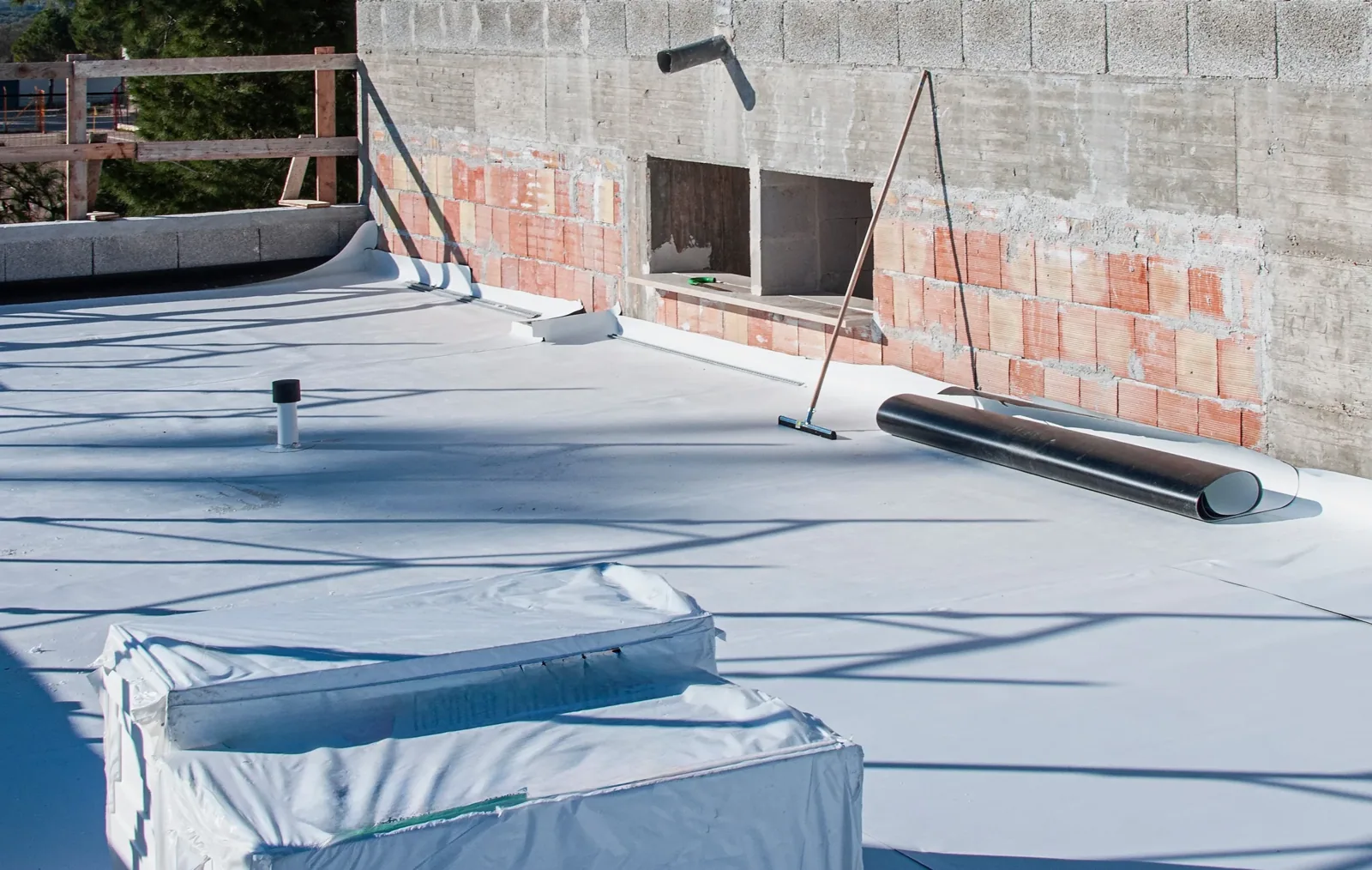
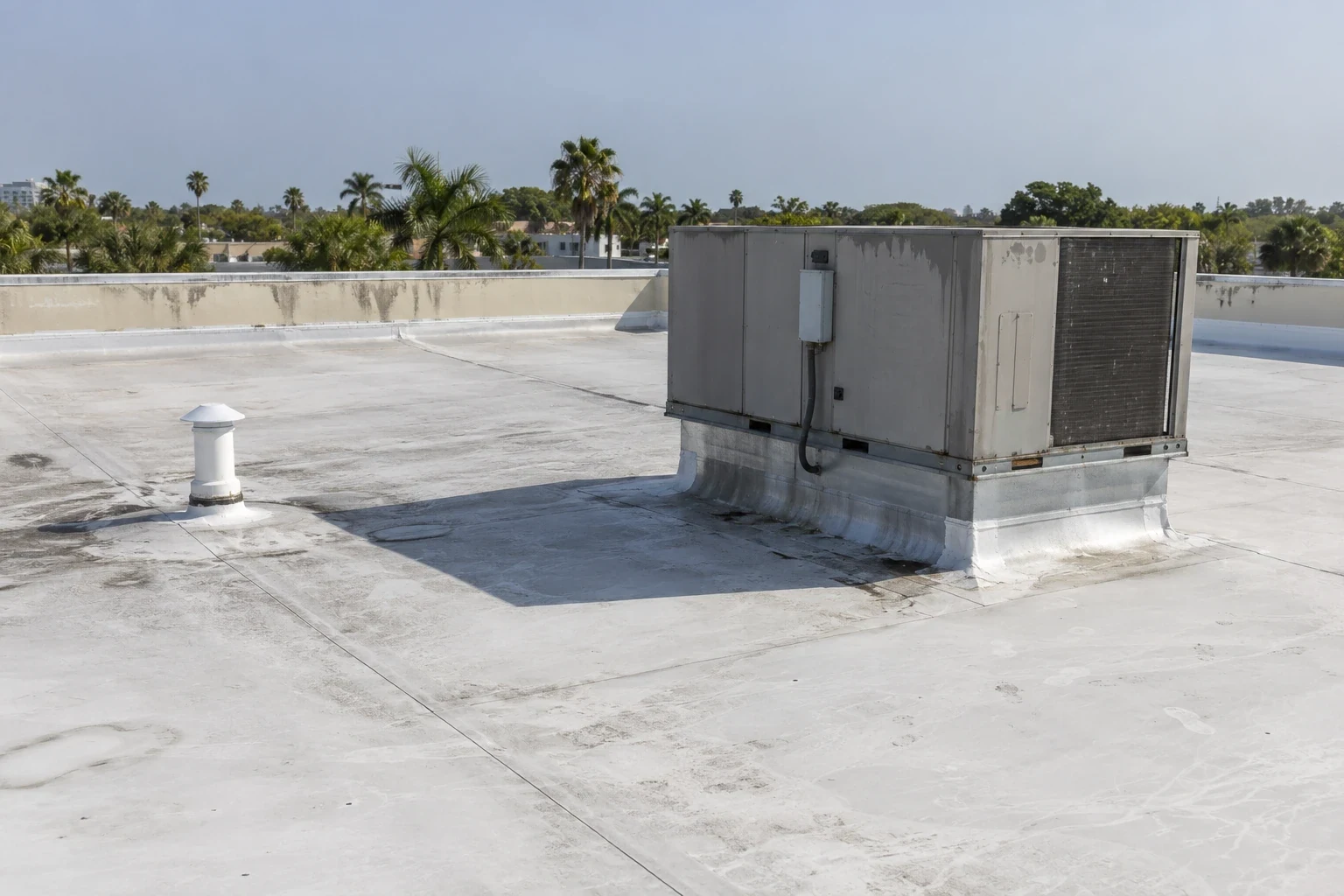
Holcim's commercial portfolio includes UltraPly TPO and RubberGard EPDM, along with insulation and cover-board products. The membrane family alone does not define the roof. Attachment, insulation, cover board, deck, and flashing details are part of the assembly. We review labels and documents, then check accessible edges and field details. Unknown product identity is recorded rather than inferred from color.
TPO seams are heat welded. EPDM joining details use compatible primers, tapes, adhesives, and flashing materials. The repair scope must reflect that difference. We check whether the membrane edge, field seam, and flashing belong to one product family or a prior repair introduced another material. Transitions at rooftop equipment and drains can be particularly sensitive to a mistaken product assumption. The field record identifies what is established and which detail needs more investigation before a repair is approved. A TPO inspection or EPDM condition review checks system-specific failure points. For related manufacturer information, compare Carlisle SynTec and Versico without assuming that accessories or repair products transfer between product families.
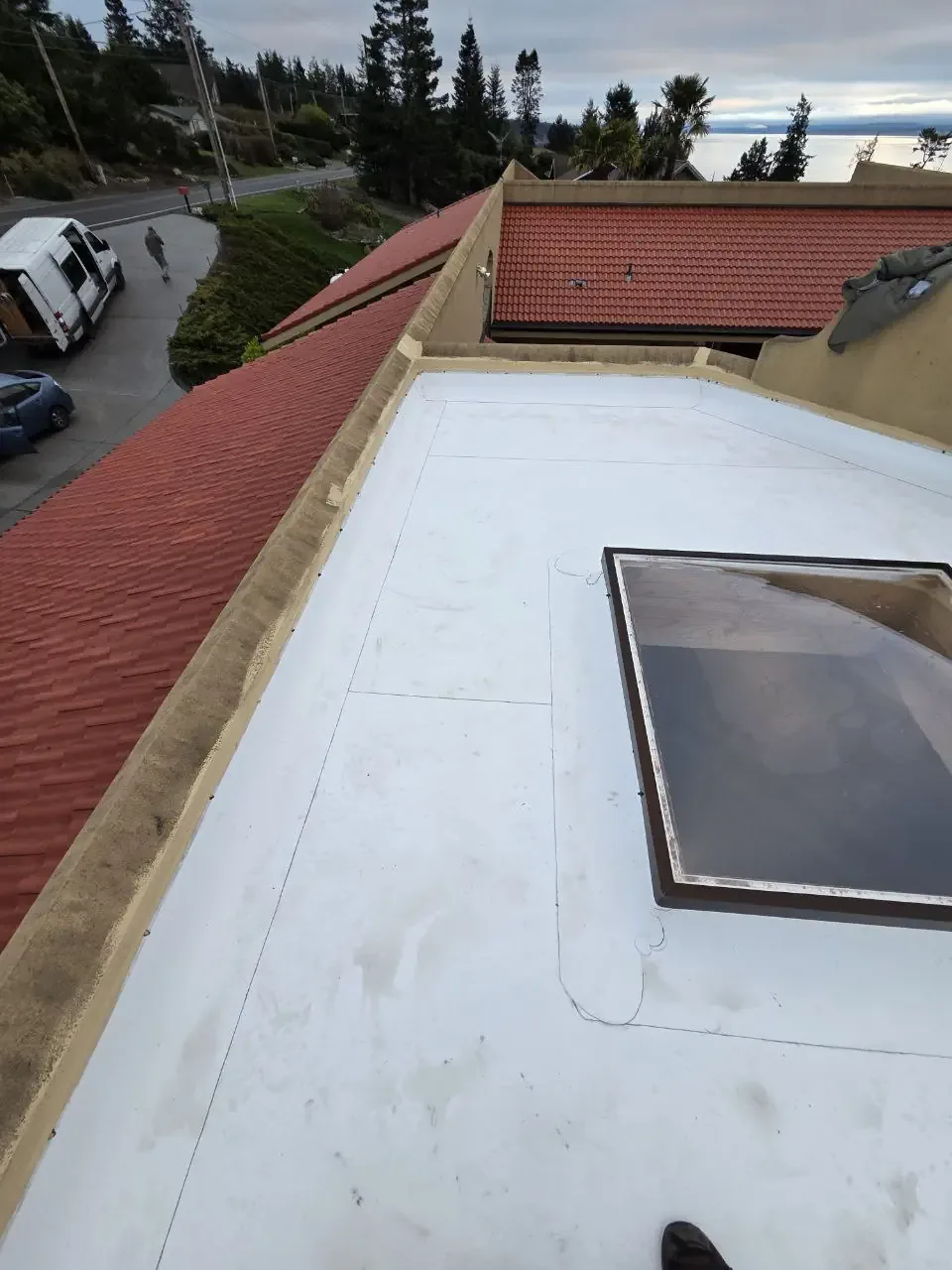
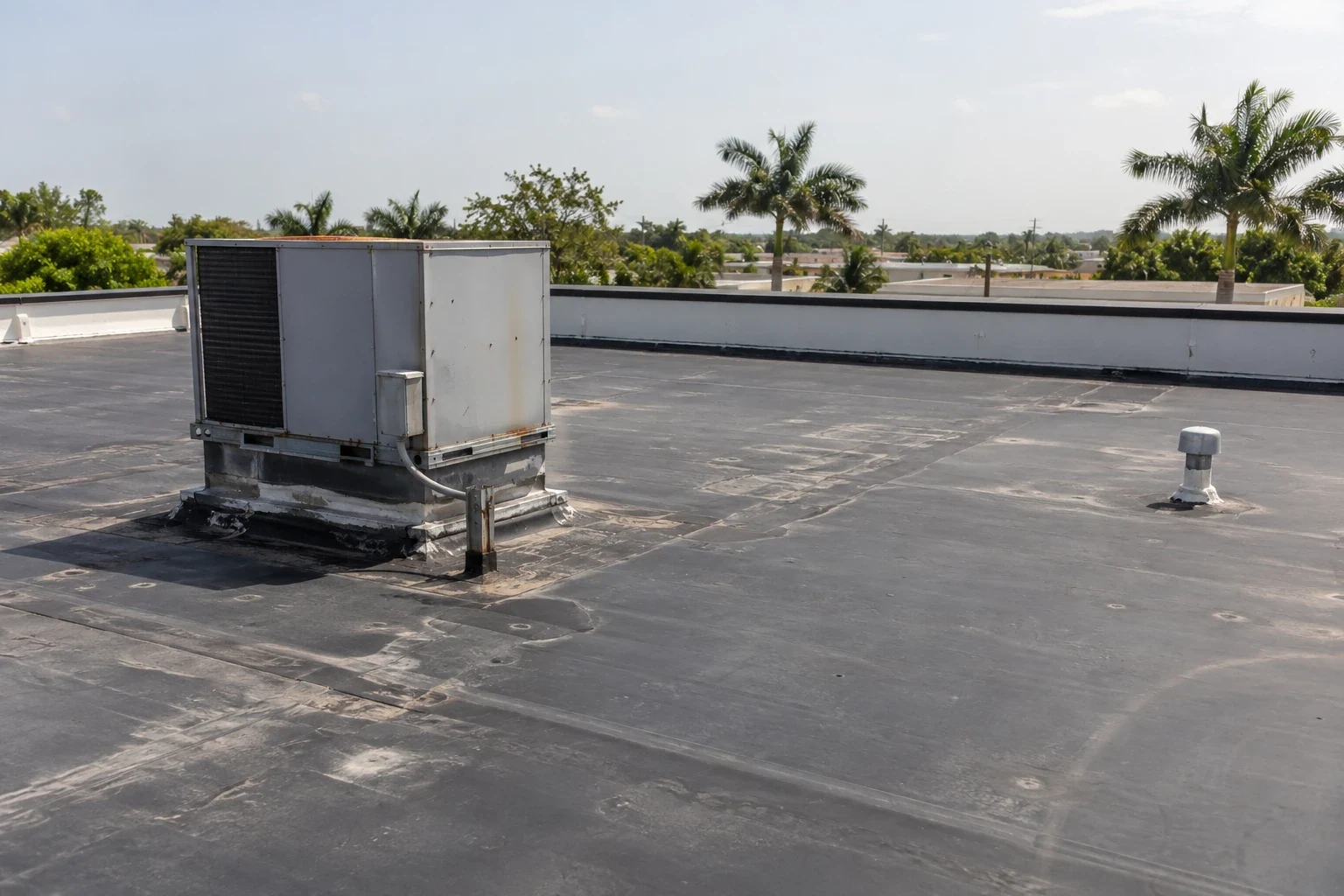
We look for loose seams, membrane movement, exposed fasteners, compression, wet or soft insulation, and failures at walls or penetrations. Cover board can affect impact resistance and repair preparation. Insulation attachment and deck condition matter if the project involves replacement or a recover. A surface inspection cannot confirm every concealed layer. When evidence is incomplete, we recommend a moisture survey or a defined test opening.
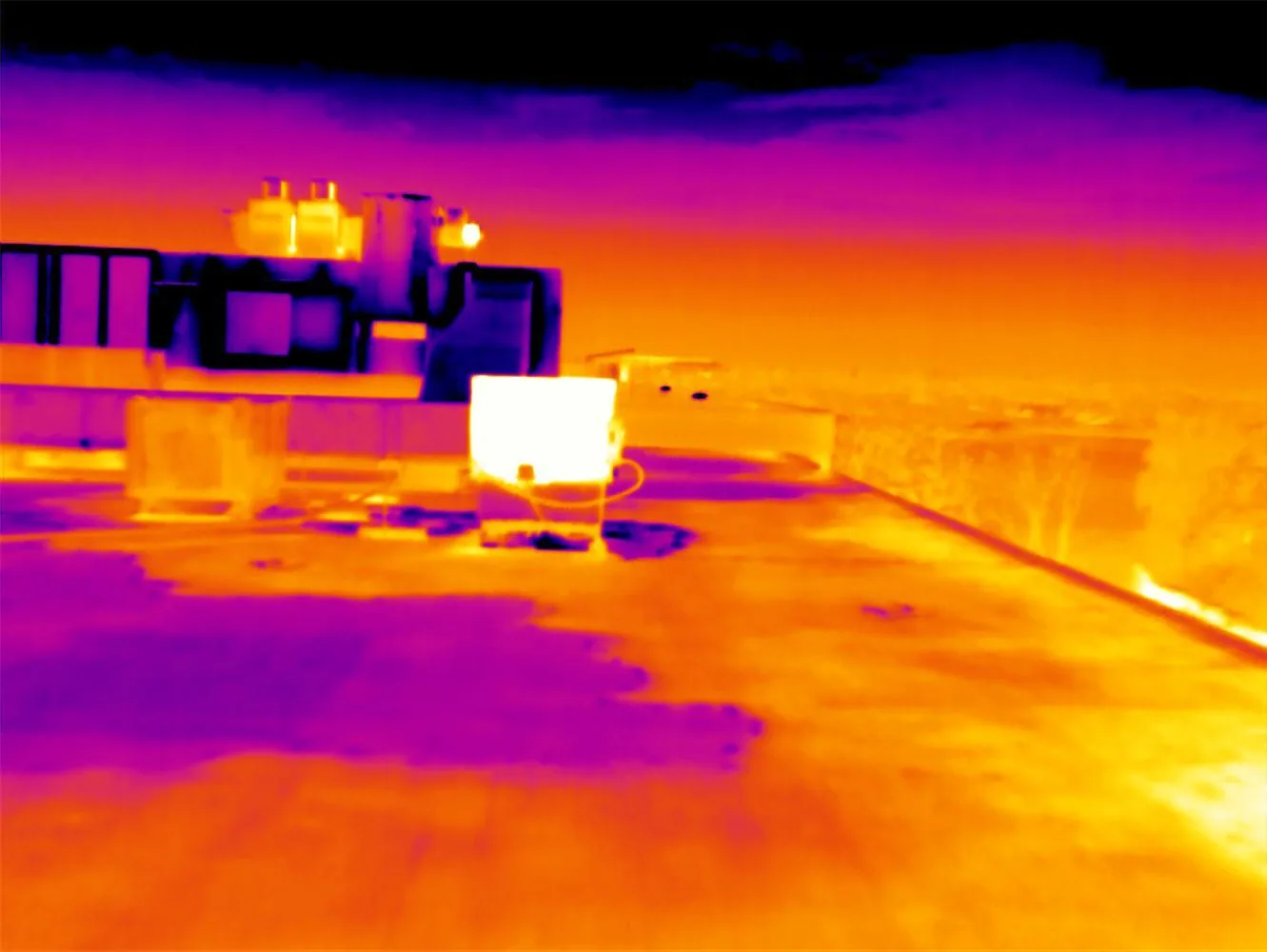
After a leak report, we compare the interior location with roof details and drainage paths. Water may move laterally before appearing indoors. Photographs identify the condition and roof zone. A moisture survey can guide a closer opening, while a hands-on inspection checks accessible seams, flashing, and edge attachment. The report names both the method and its limits.
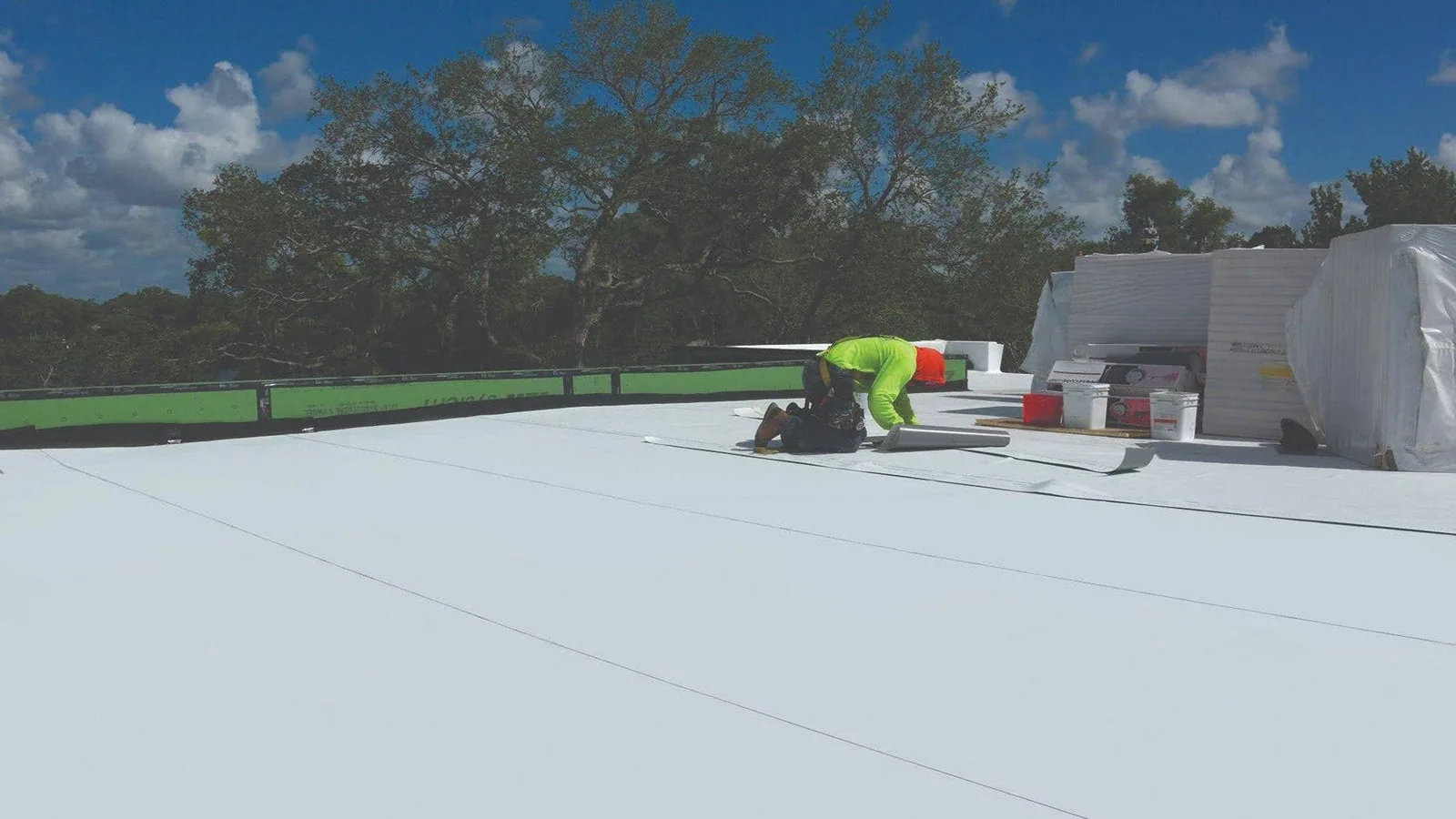
Repair preparation depends on the existing material, age, moisture, temperature, and contamination. A thermoplastic patch requires a sound weld area. EPDM repairs rely on system-compatible cleaning and bonding. We check adjacent membrane before cutting out the visible failure. If wet insulation or a compromised cover board is found, removal may extend beyond the surface opening. The scope states that condition and obtains direction before increasing the boundary.
At Port Malabar's Franklin Drive industrial listings, unit sizes and tenant use vary; the address alone does not reveal the roof system. We confirm the property and operating details with the contact. For a puncture, the repair record names the suspected access path and any protective walkway need. A separate flashing scope documents a wall, curb, or drain transition instead of blending it into the field patch.
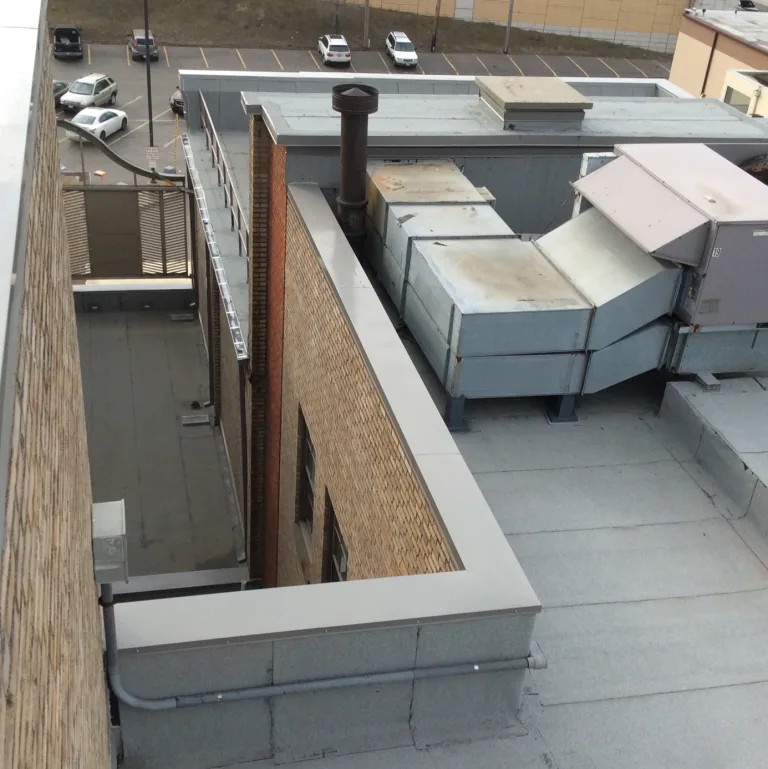
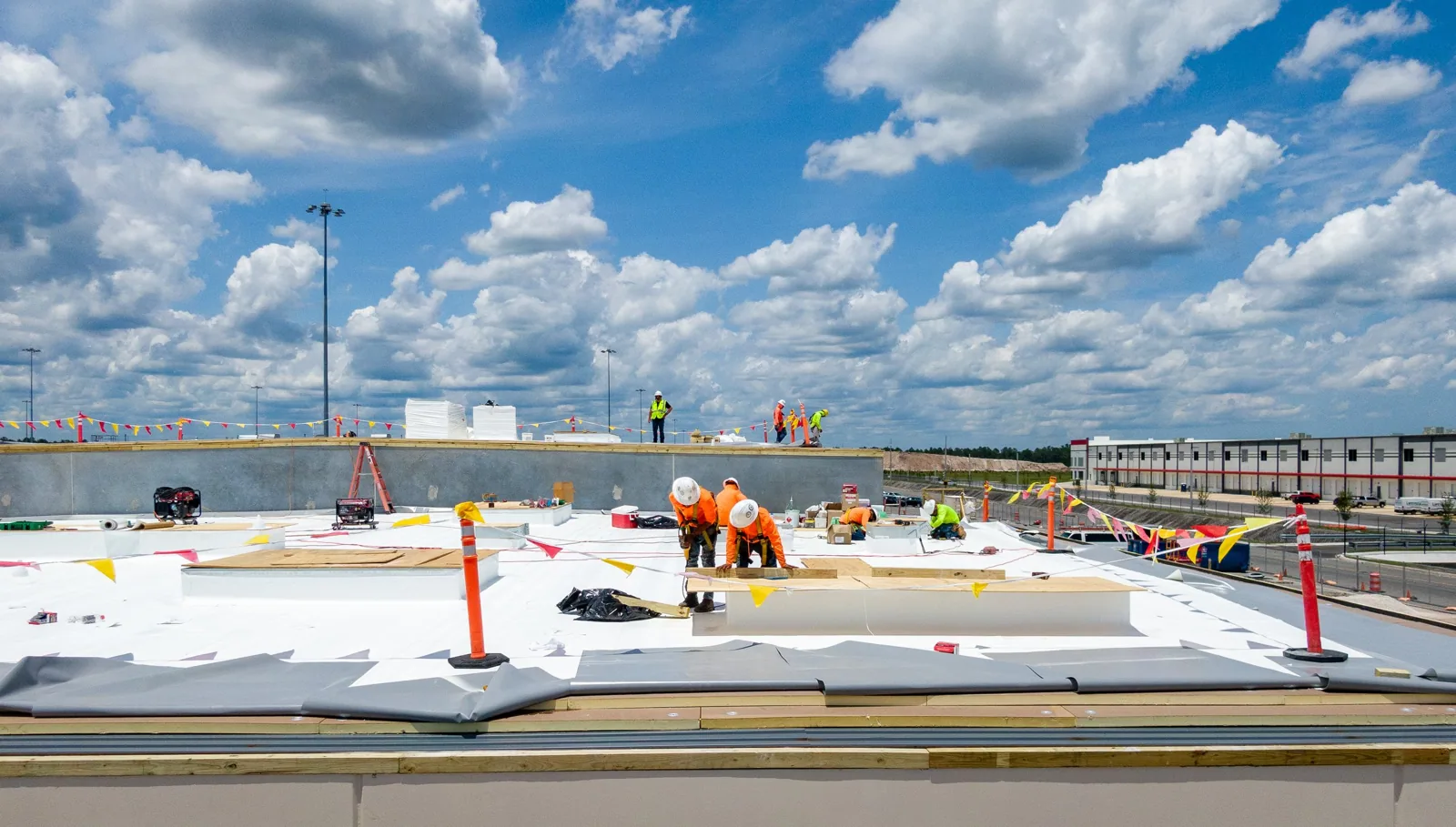
Replacement planning checks deck, insulation, drainage, perimeter zones, rooftop equipment, existing layers, and building use. A recover is considered only when the assembly can accept added material and project requirements permit it. Tear-off may be needed where moisture or deck damage is confirmed. The proposal identifies the assumptions and any survey that could change the design. We also document insulation thickness when records or a test opening establish it, and note whether a cover board is present. These assembly details affect attachment and tie-ins. Confirm them before a new system is ordered or an overlay is considered.
Work sequencing depends on access, weather, material delivery, and occupied operations. Palm Bay Hospital is on Malabar Road and has a five-floor expansion planned for construction beginning in summer 2026. That project does not indicate a roof replacement; it underscores why access and scheduling must be coordinated directly with the facility. An occupied-building sequence can set daily limits, temporary protection, and contact responsibilities for the subject property.
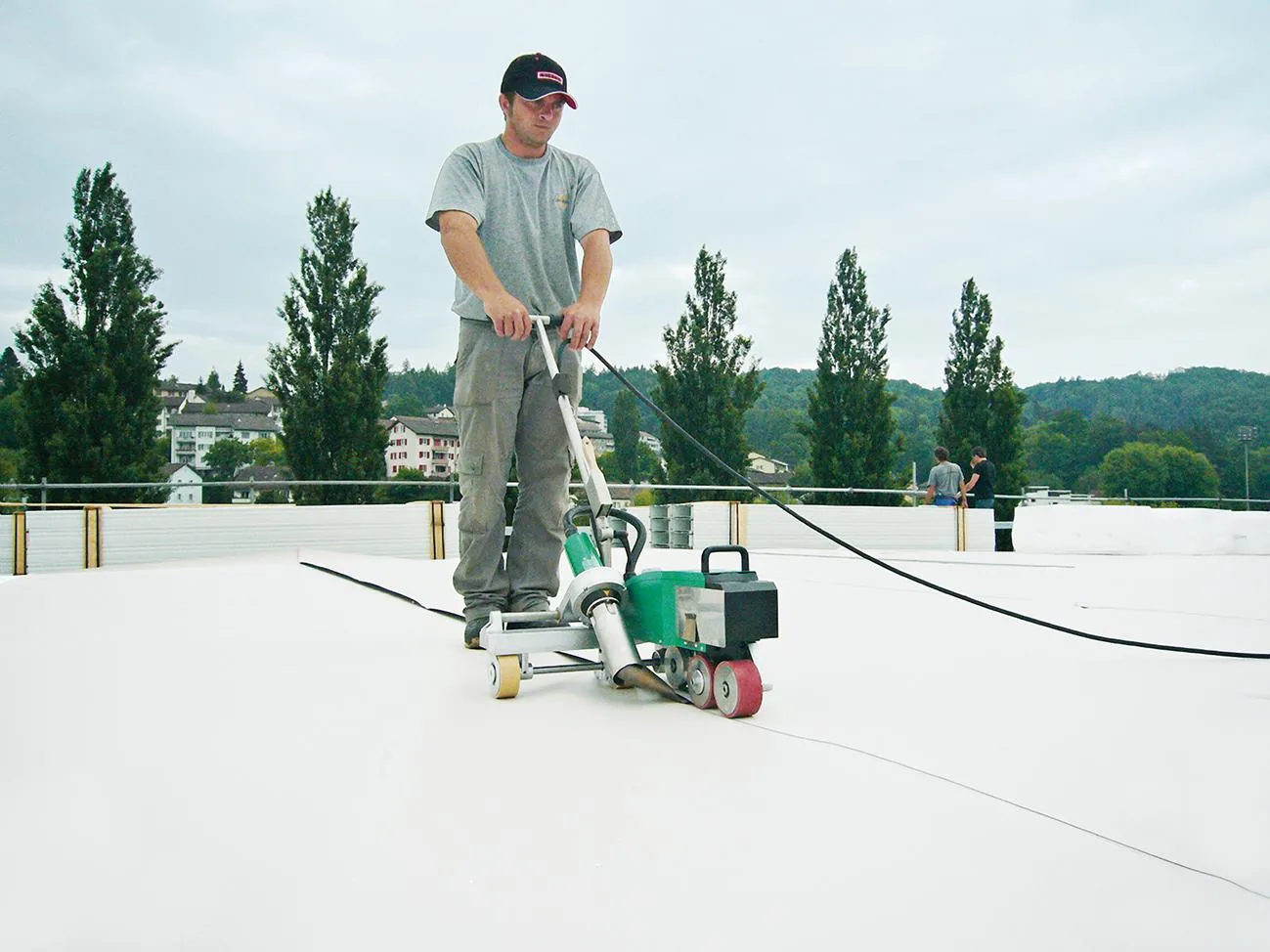
After repair, the closeout records system identification, roof zone, materials, photographs, repair boundary, and open items. The maintenance file can include inspection dates, drainage notes, seam checks, and repair history. If a warranty is issued, its actual terms govern notice and inspection duties. We do not infer approval or coverage from product selection.
A condition report establishes a dated view, and a warranty file can retain notices and responses. At Palm Bay Station, developer materials describe shop and ground-lease opportunities; they do not identify roof materials or condition. Every record stays tied to the building inspected and the scope completed. The closeout identifies who accepted the work and any area left for later review. A multi-building owner can use one schedule to coordinate visits, but each address keeps its own product identification, photographs, repair history, and unresolved questions and return triggers for each site. That separation prevents one roof's findings from becoming a general rating for the portfolio.
Learn more →
Learn more →
Learn more →
Learn more →
Learn more →
Learn more →
Learn more →
Learn more →