
A VersiWeld TPO roof and a VersiGard EPDM roof require different seam checks. VersiFlex PVC and VersiFleece add other assembly considerations. We identify the installed membrane and attachment before selecting repair materials. The record includes roof-zone photos, reported leaks, inspection limits, and any prior repair. A product name narrows the system, but the field condition sets the scope.
Melbourne climate normals show hot summer highs and substantial annual rain near Palm Bay. That regional exposure makes maintenance useful, while the site inspection tells us whether a seam, edge, or drain has failed. A flex property at Palm Bay Flex Business Park and a retail suite at Palm Bay Station have different access and operating arrangements. We confirm each building's system and contact before scheduling a Versico repair.
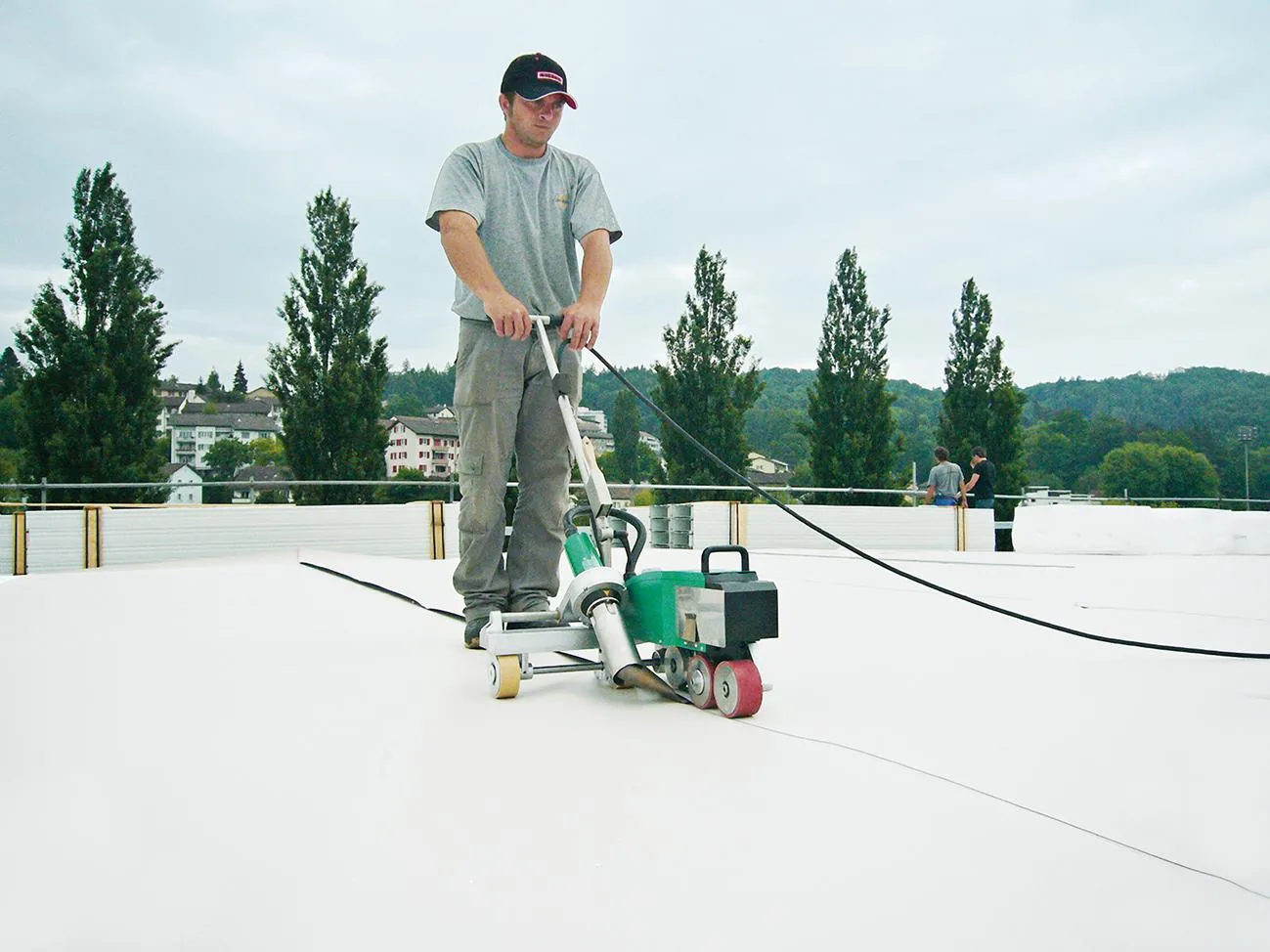
Versico's low-slope product portfolio includes EPDM, TPO, PVC, and fleece-backed membranes. VersiWeld identifies its TPO family. VersiGard is an EPDM family, and VersiFlex is a PVC option. VersiFleece combines membrane with a fleece backing for specified assemblies. Each product has its own installation details. We compare the roof markings and available documents before describing the material in a proposal.
Attachment may be adhered, mechanically fastened, or part of another specified system. Insulation and cover board are part of the roof design. A membrane by itself does not establish wind resistance or repair compatibility. For comparison, the Carlisle SynTec and Johns Manville pages describe other product families. The actual building's documents and field condition control what we install or repair.
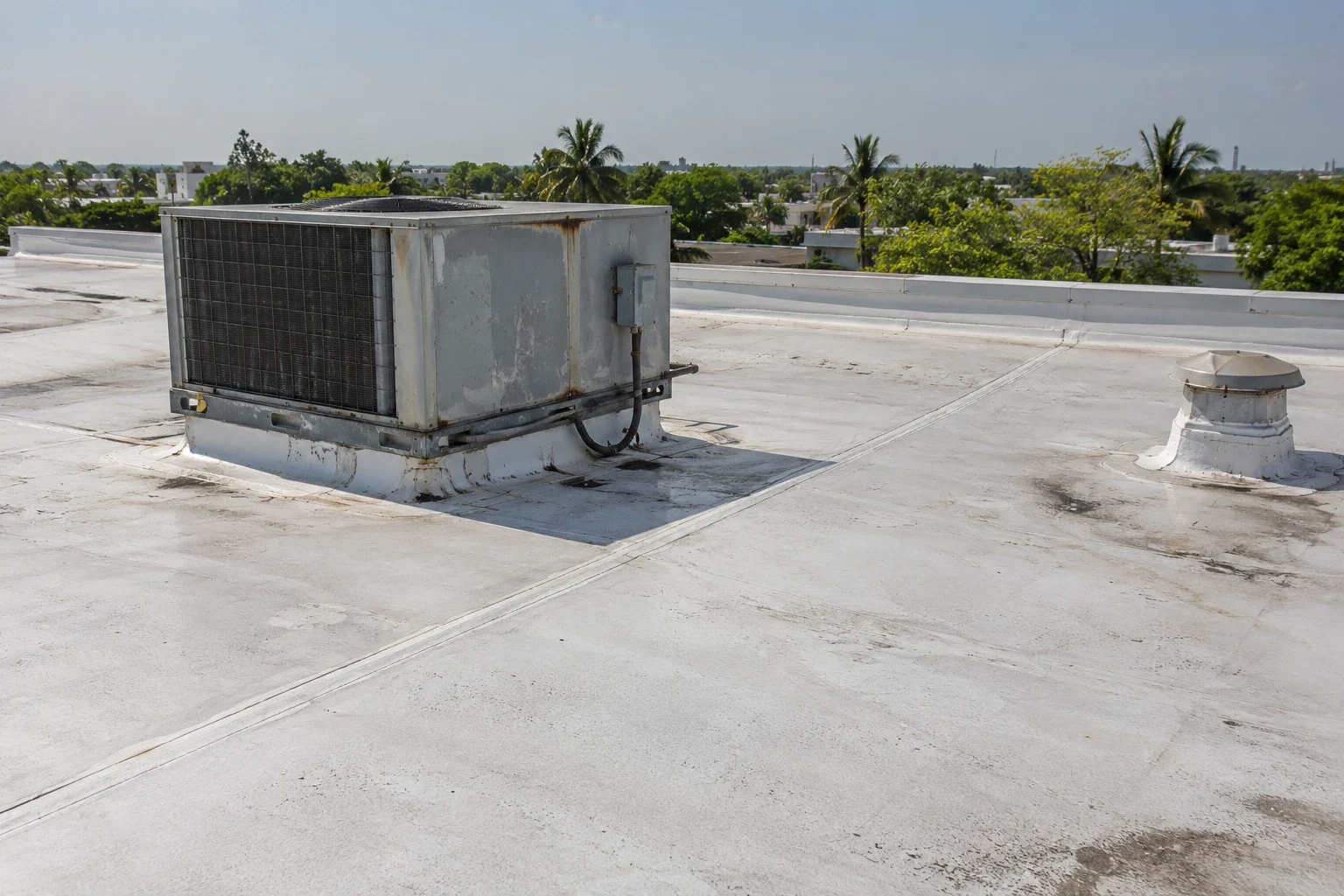
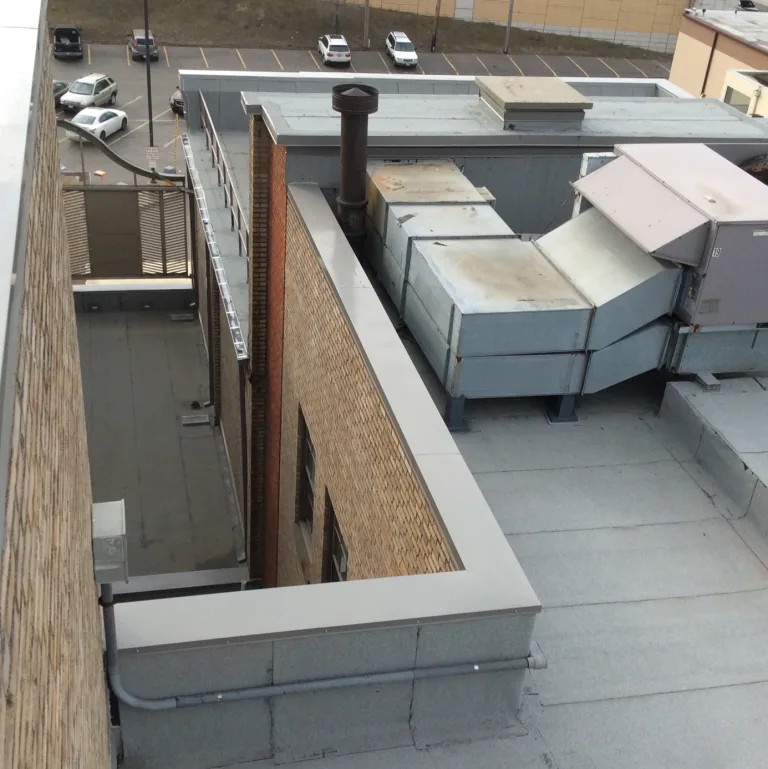
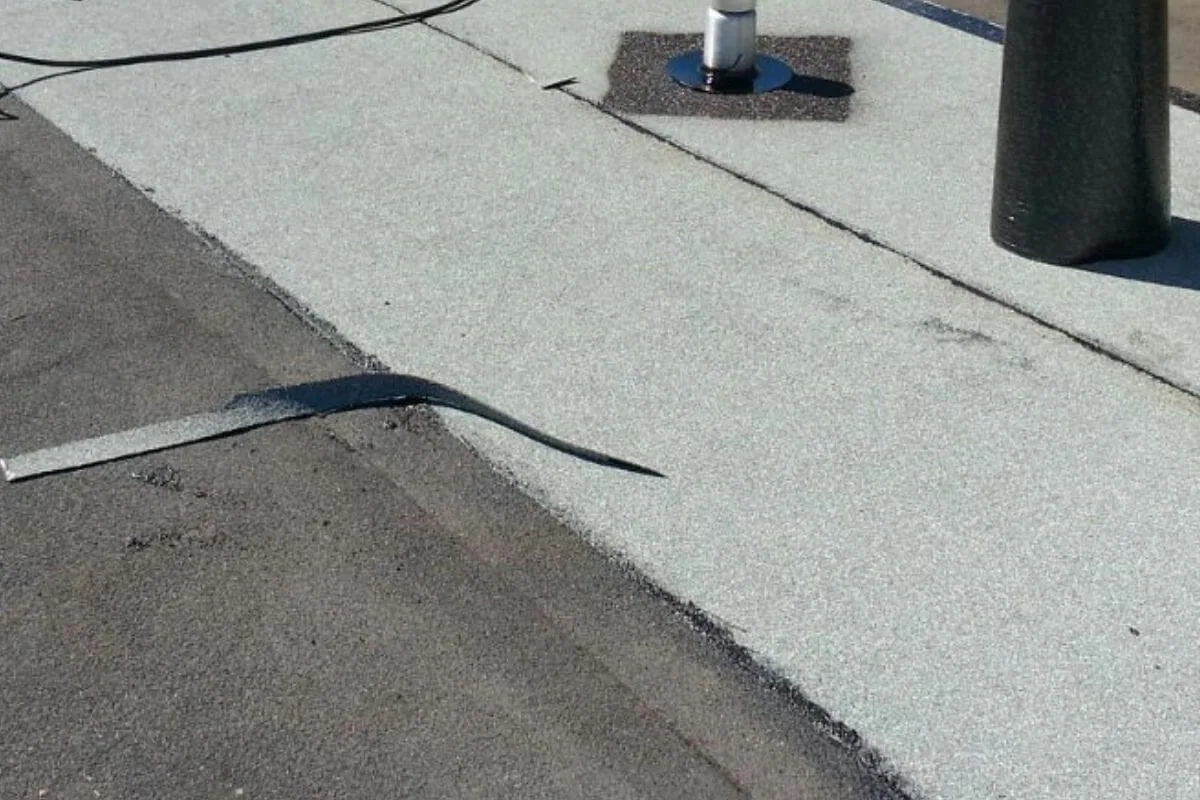
We inspect seams, end laps, perimeter details, curbs, drains, patches, and traffic routes. On TPO or PVC, seam welds and detail corners need close review. On EPDM, we check adhesive or tape interfaces and flashing. A wet, dirty, or aged surface may not accept a repair. The report records test locations and whether a sample represents one isolated spot or a larger observed condition.
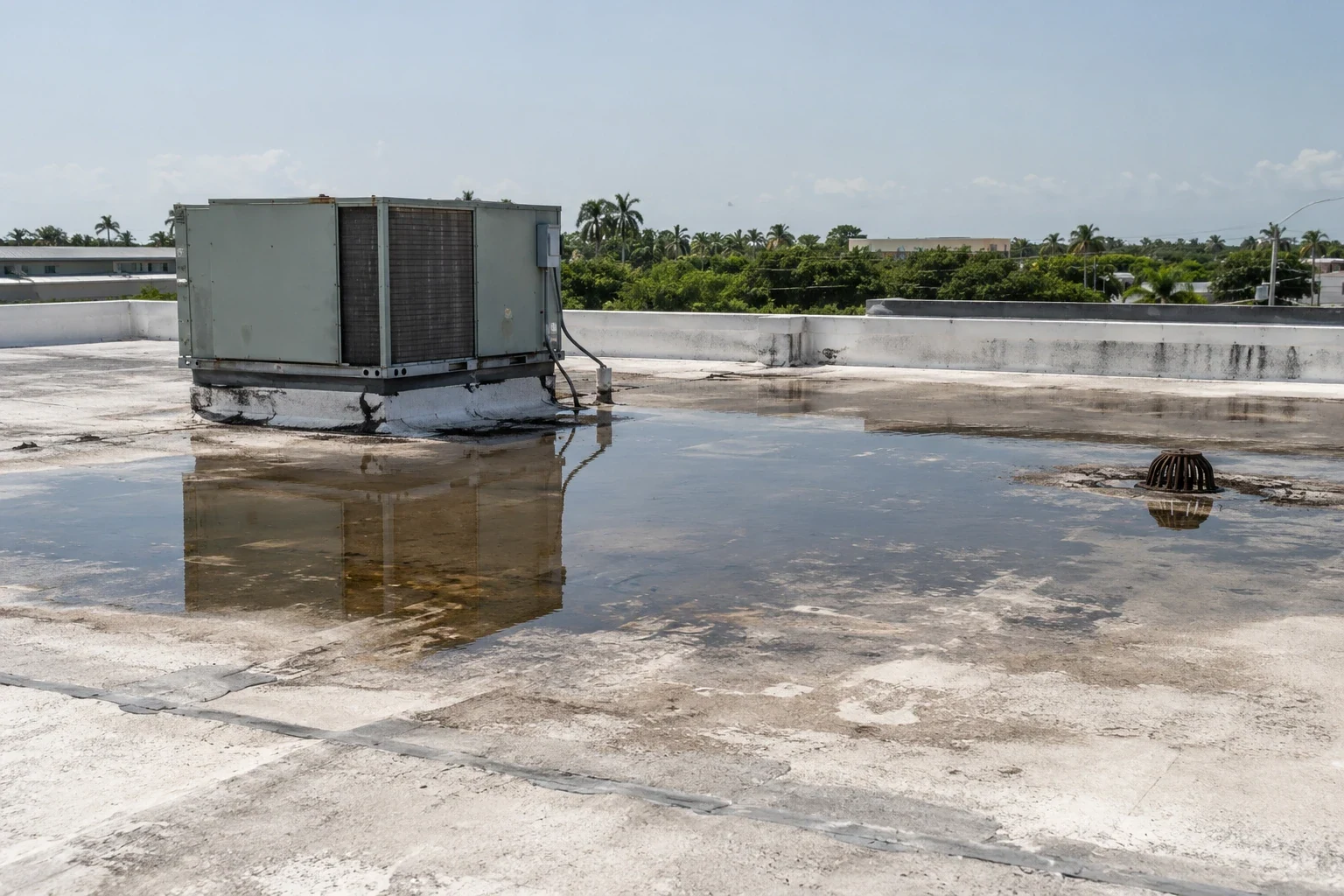
If a leak is reported, we trace likely paths from the roof to the interior. Water can move beneath the membrane before it appears inside. A moisture survey can guide additional investigation, but a test opening may be required for direct confirmation. A drainage review can document standing water separately from an open seam or puncture.
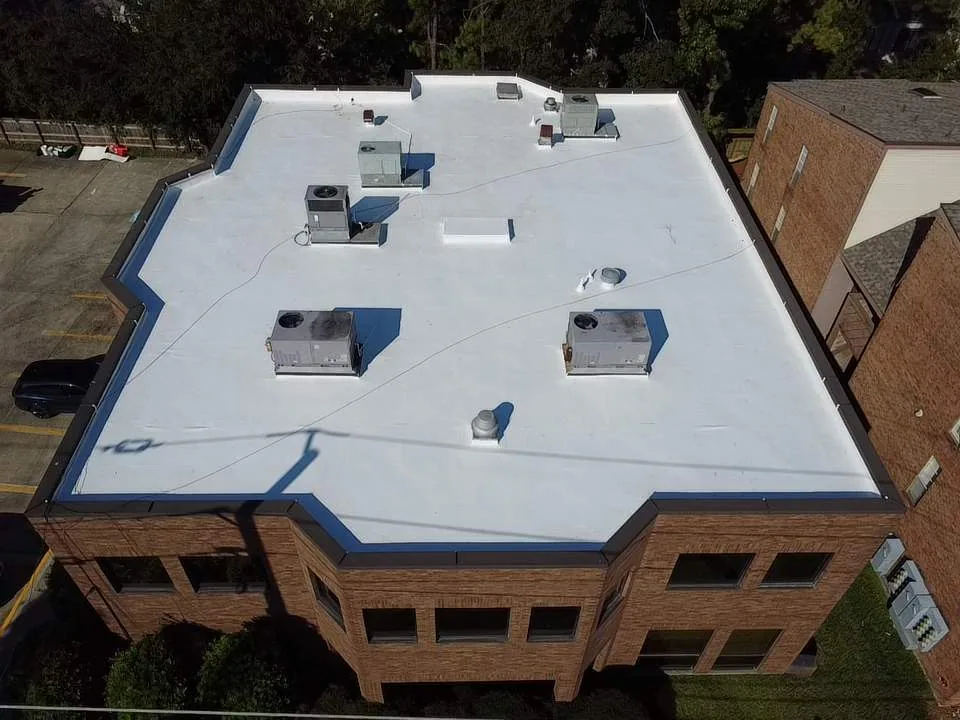
System-specific repair begins with the manufacturer's relevant details and the condition of the existing roof. We clean and prepare the surface, use compatible flashing or membrane, and define a sound tie-in area. If removal reveals wet insulation or a failed substrate, we photograph the opening and review the scope before extending the repair. A small surface patch is not used to conceal a larger unresolved condition. Cost and timing depend on access, area, membrane identification, surface preparation, weather, and whether insulation must be removed. The proposal states these factors before work starts and any testing that could change the boundary of work.
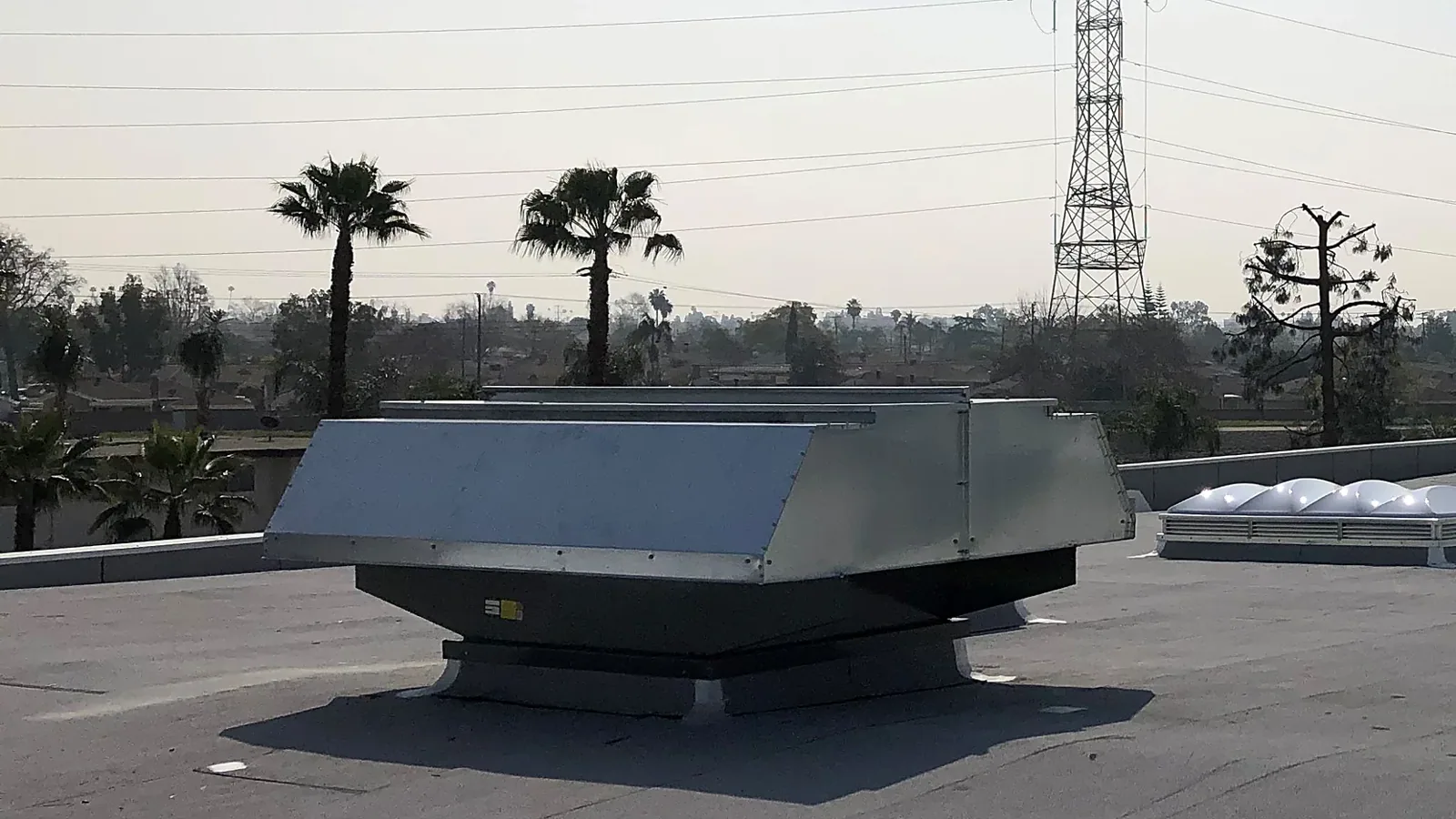
Seam testing, probe checks, and closeout photos should be tied to the roof zone and work date. When rooftop service traffic caused wear, we can identify a walkway or route adjustment for future visits. A curb and support inspection can check details near equipment. The puncture repair record can document a cut or abrasion separately from membrane aging.
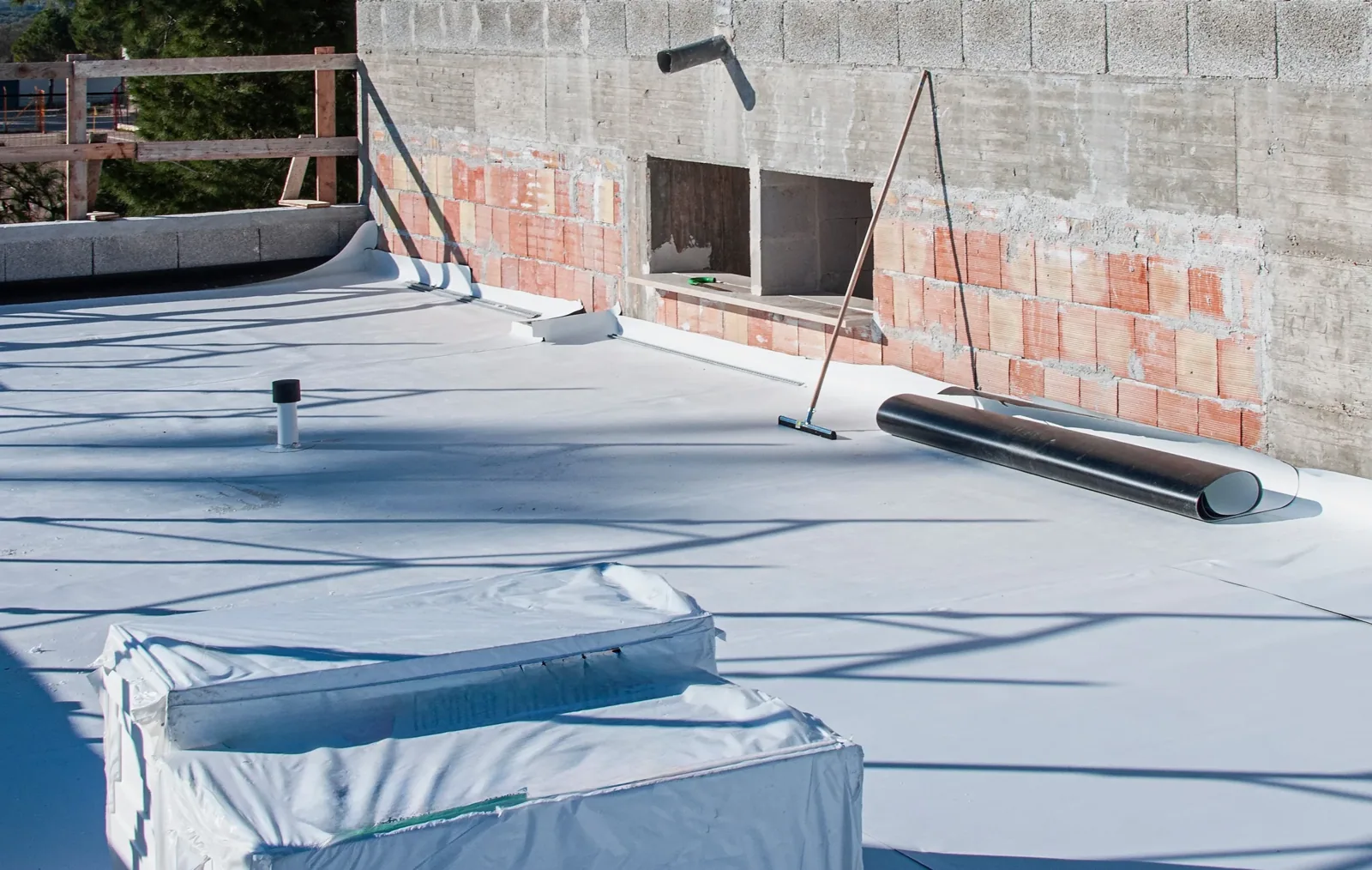
Before a recover or replacement, we inspect existing layers, deck condition, insulation, drainage, attachment, perimeter zones, and building use. A recover can add load and hide moisture, so the existing assembly must be suitable and project rules must allow it. A test opening may confirm material layers at one point. It does not establish that other roof zones use the same build-up. We compare multiple records and representative openings when a portfolio or phased project depends on layer consistency. If the deck or insulation is damaged, removal may be needed rather than covering it.
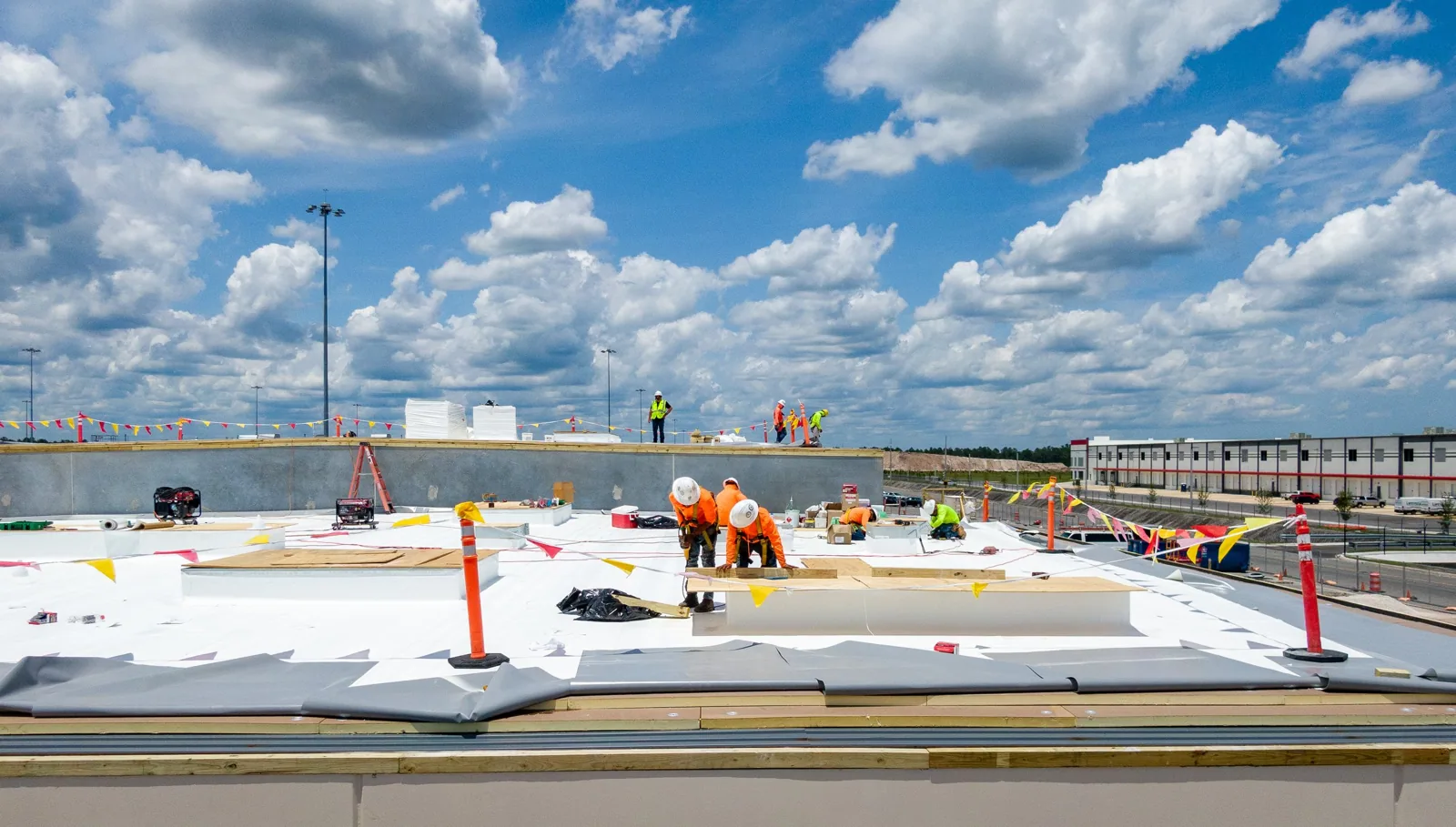
Timing depends on access, weather, material lead time, dry conditions, equipment, and how much of the building stays occupied. Palm Bay summer rain can affect sequencing, but the actual forecast and roof temperature guide the work date. An occupied-building work plan can set zones and daily protection. A replacement scope lists insulation, attachment, seams, flashings, and edge details included in the work.
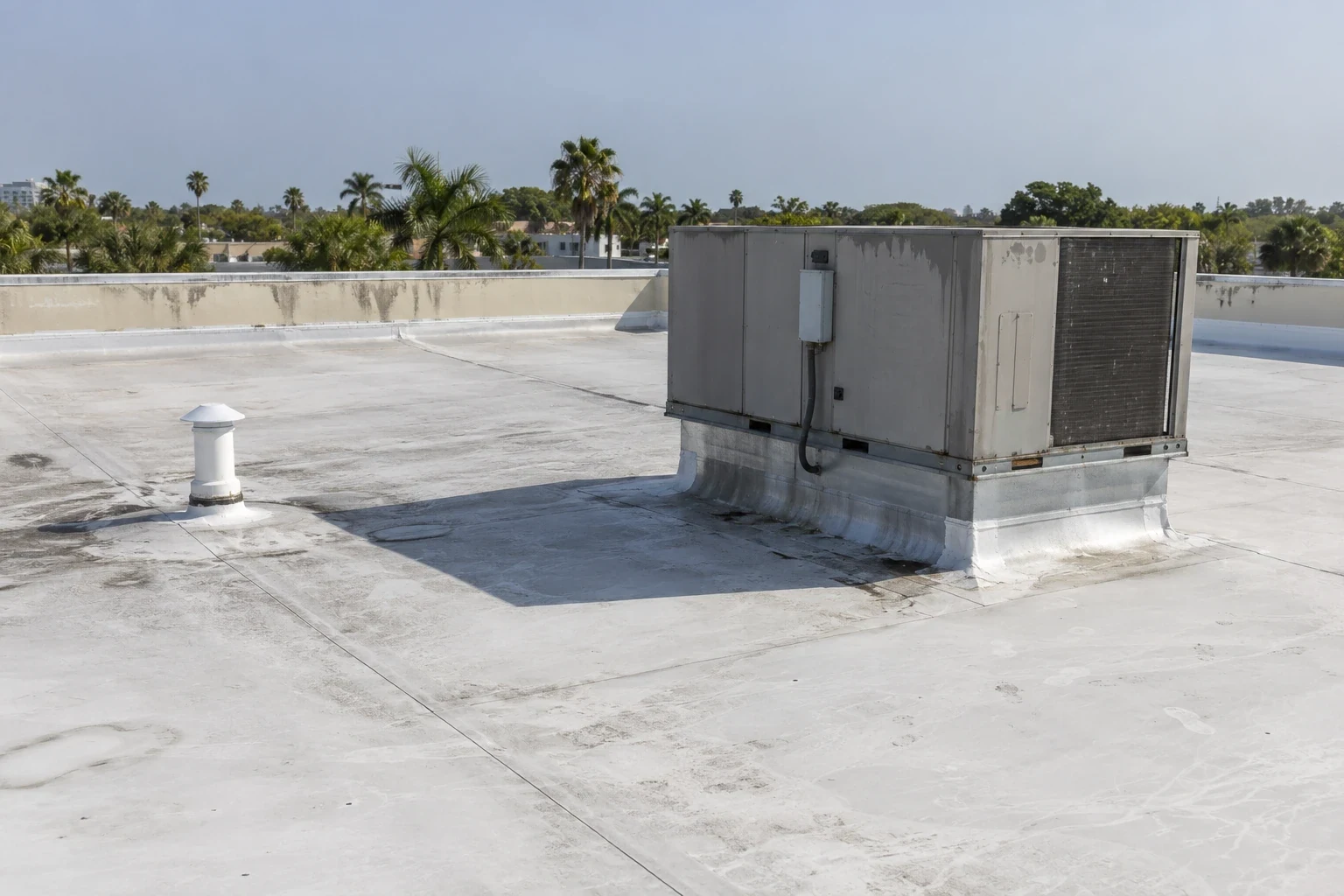
After repair, the closeout records product identification where verified, repair boundary, preparation, materials, photographs, and open items. Maintenance records can include inspection dates, drainage, seam condition, roof traffic, and follow-up. Warranty rights and duties come from the issued document. We can organize records and document field findings without representing that a product name determines coverage.
At a property in Palm Bay Flex Business Park, modular units and light-industrial use call for address-specific access coordination. Palm Bay Station's retail project also requires a confirmed property contact. A condition report keeps each finding dated, while a warranty record captures notice steps from the actual document. The file remains attached to the building inspected. If a repair changes a prior detail, the closeout shows the original condition and the finished tie-in. We list any roof zone left outside the work. A later inspection can compare the same location and determine whether the condition remains stable or needs further investigation.
Learn more →
Learn more →
Learn more →
Learn more →
Learn more →
Learn more →
Learn more →
Learn more →