
An SBS membrane, a PVC sheet, and a liquid-applied flashing system require different inspection and repair methods. Soprema offers commercial roofing products across these system types. We confirm what is installed before writing the scope. The record identifies roof layers, seams, flashing, moisture evidence, and any location not reached. A product family name is not a substitute for checking the assembly.
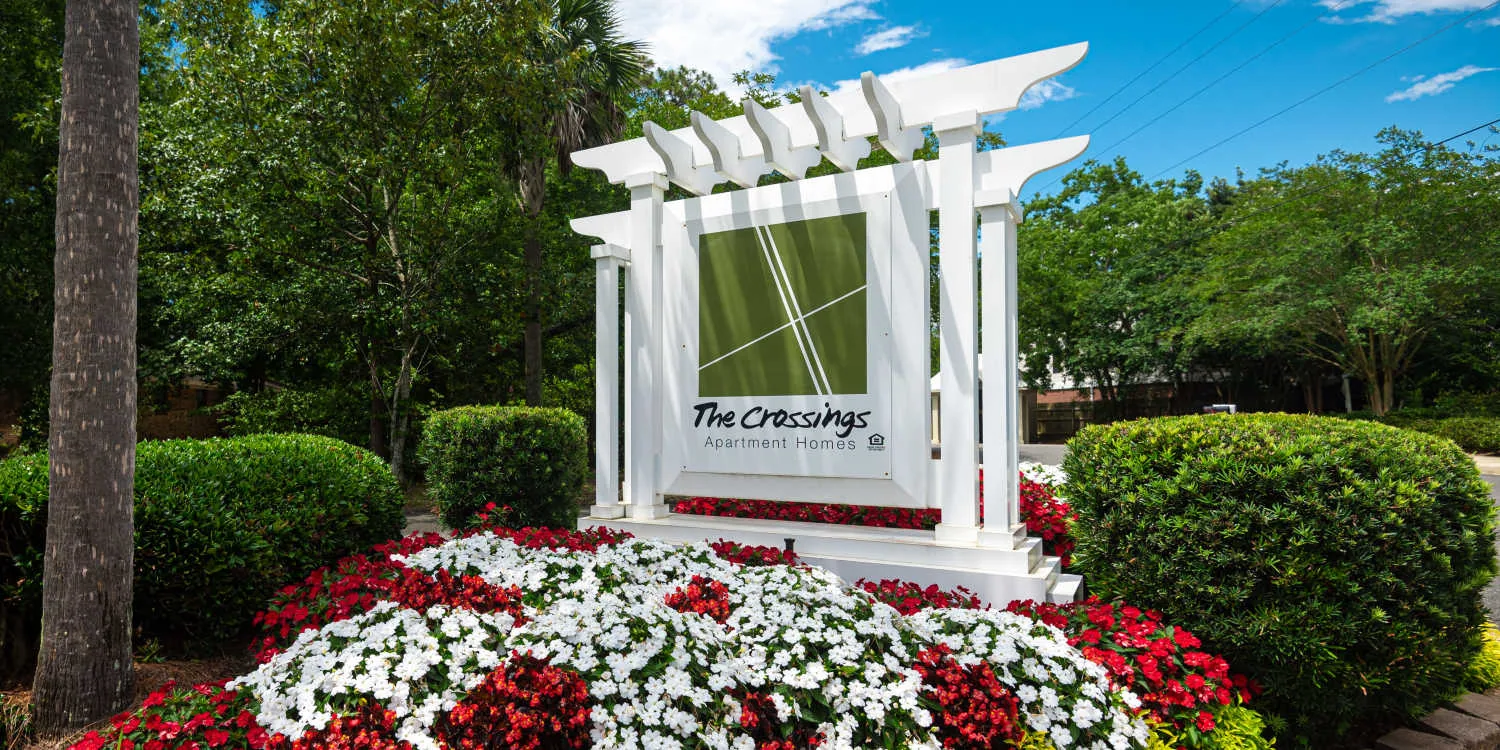
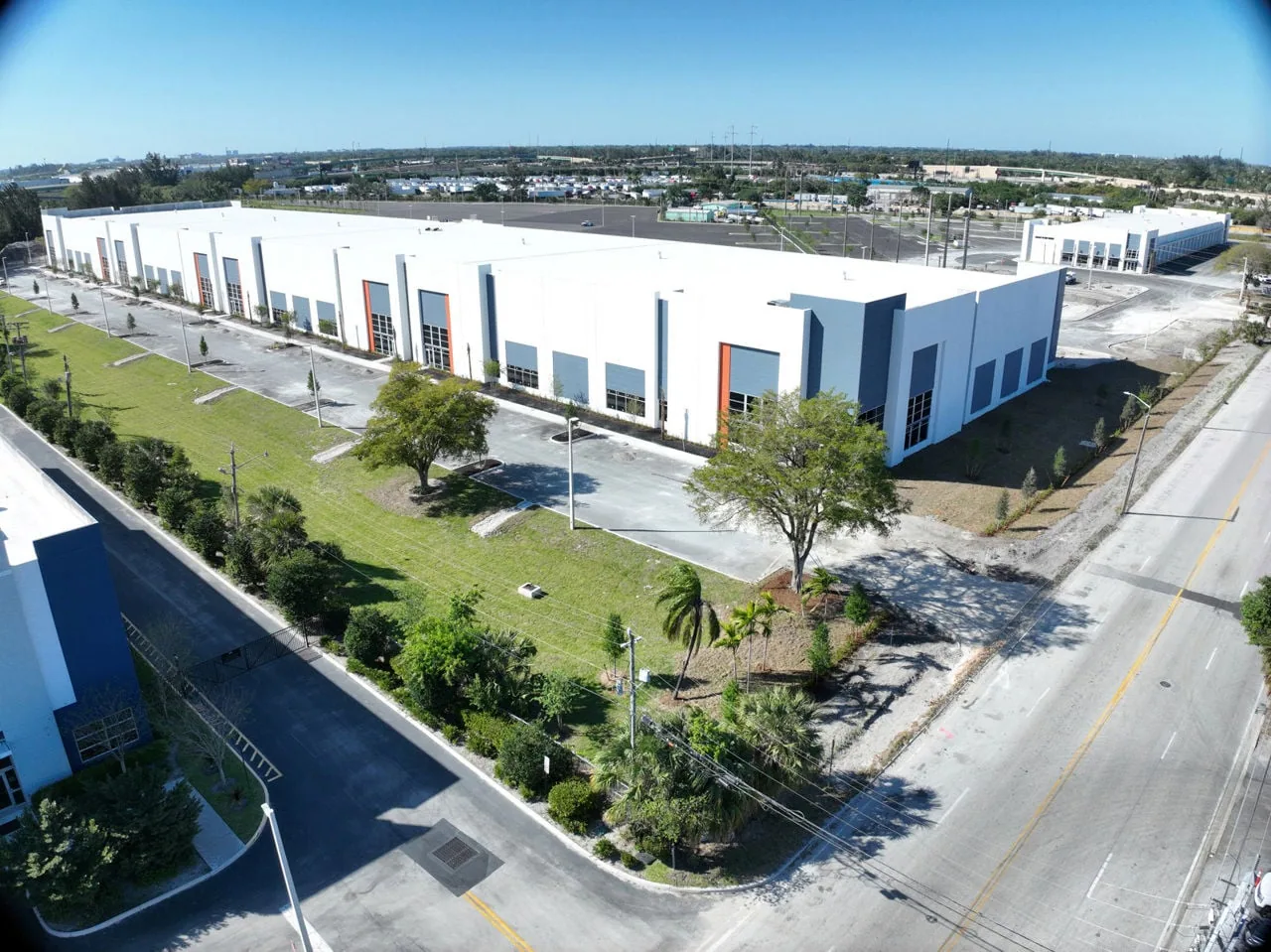
Melbourne averages more than 55 inches of annual precipitation, with June and September the highest months. Regional weather context helps schedule maintenance, but roof conditions remain property-specific. The Crossings at Babcock offers ground-lease and build-to-suit retail land, while Franklin Drive includes industrial space. Palm Bay Hospital on Malabar Road is another distinct property setting; confirm each contact and access plan before specifying work. We confirm the building contact, roof system, and active leak location before recommending a Soprema material or repair detail. Our scope ties each measurement to its roof zone.
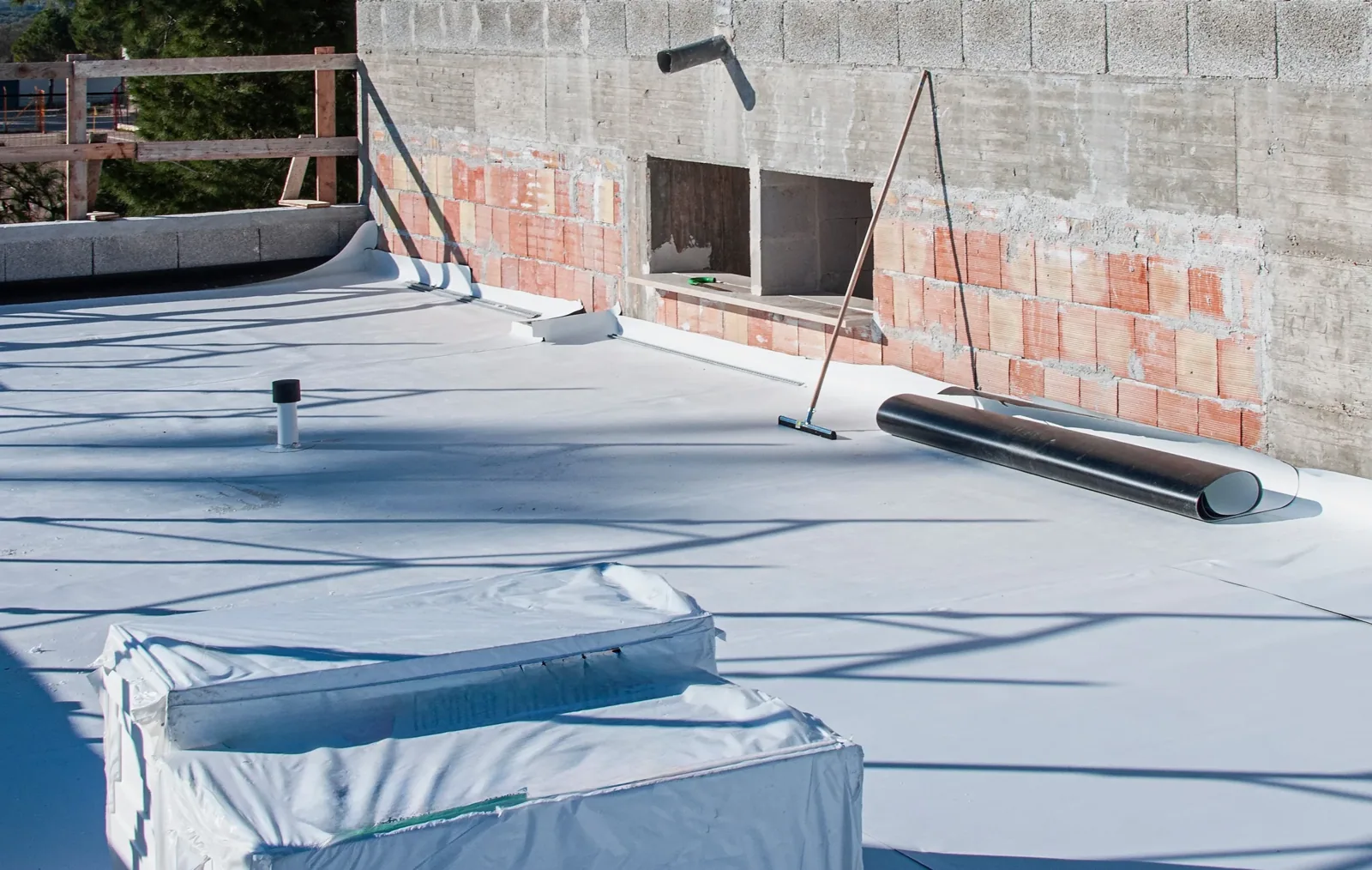
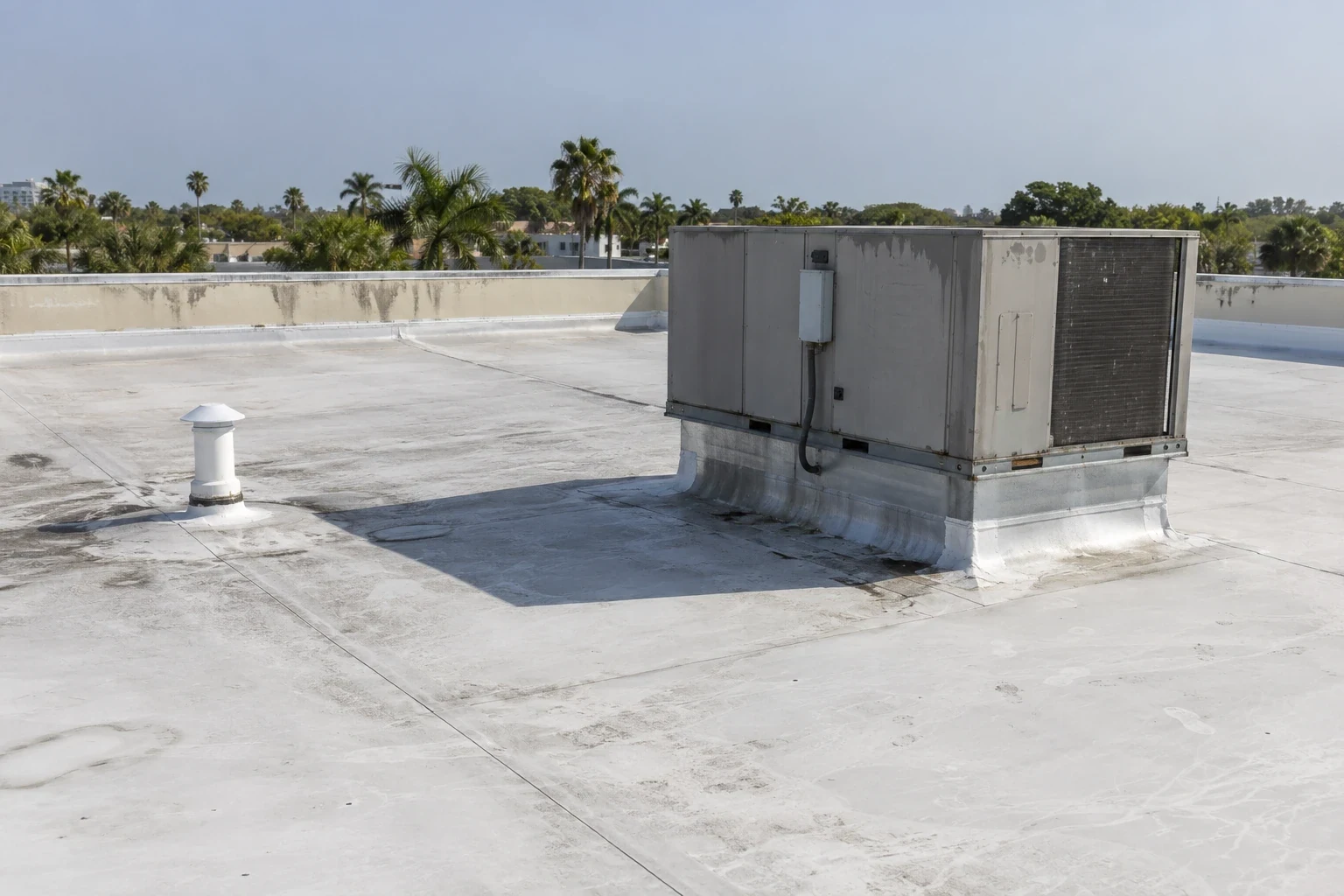
Soprema's commercial portfolio includes SBS-modified bitumen membranes, PVC single-ply sheets, and PMMA or PMA liquid-applied systems. Each has distinct substrate and detail requirements. A multi-ply SBS roof has laps and surfacing that differ from a heat-welded PVC sheet. A liquid flashing resin depends on preparation and cure conditions at the detail. We identify the product and assembly from records and accessible field evidence. If the original submittal is missing, a field check can narrow the candidate family before a specific repair is ordered.
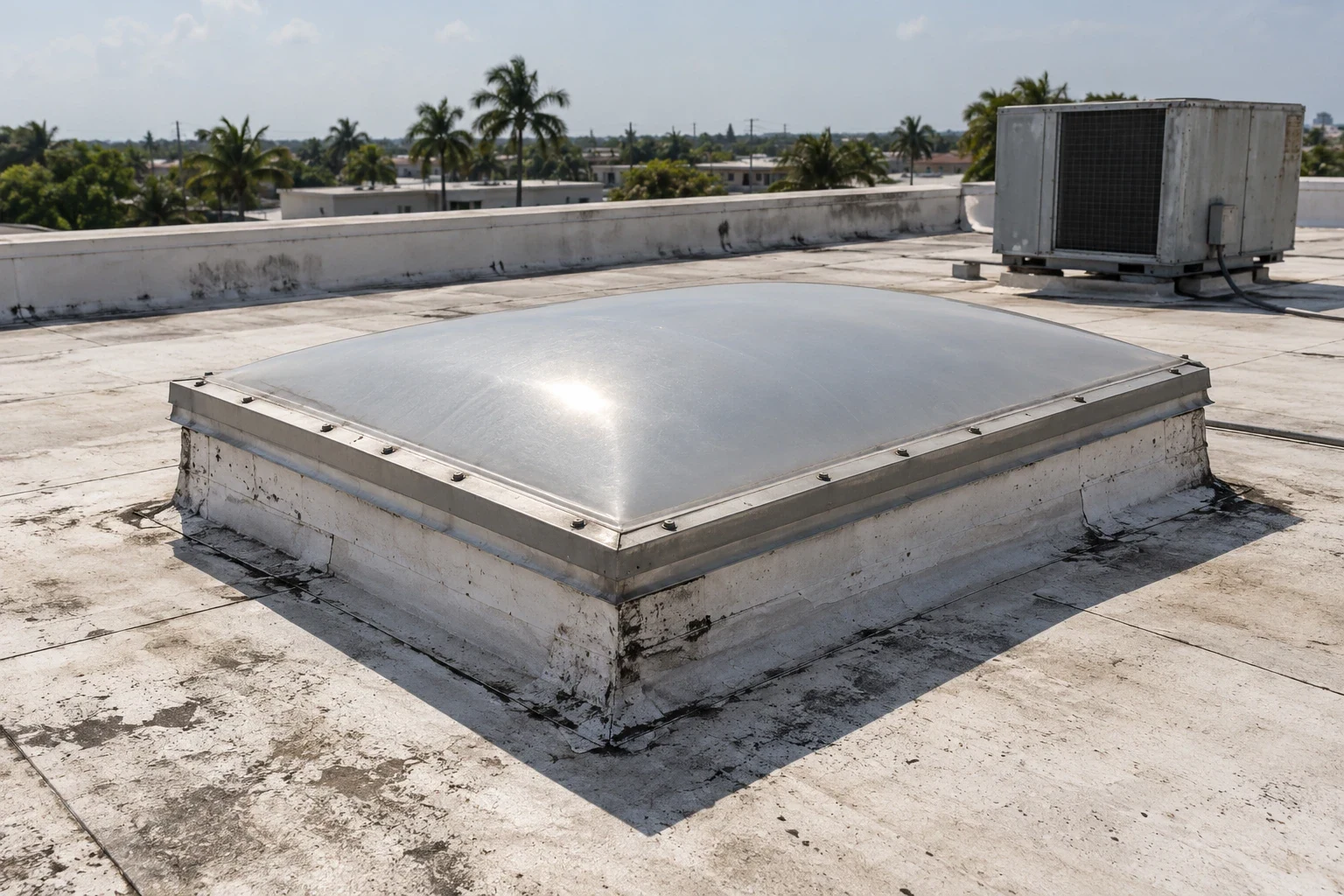
We also check insulation, cover board, deck, drain details, and transitions. A repair cannot be selected by matching only the visible surface. A modified bitumen roof uses ply laps and surfacing; a PVC membrane uses welded seams. Each assembly needs a matching repair method. A Carlisle SynTec system or Sika Sarnafil assembly needs its own material review; do not carry repair details from one manufacturer to another.
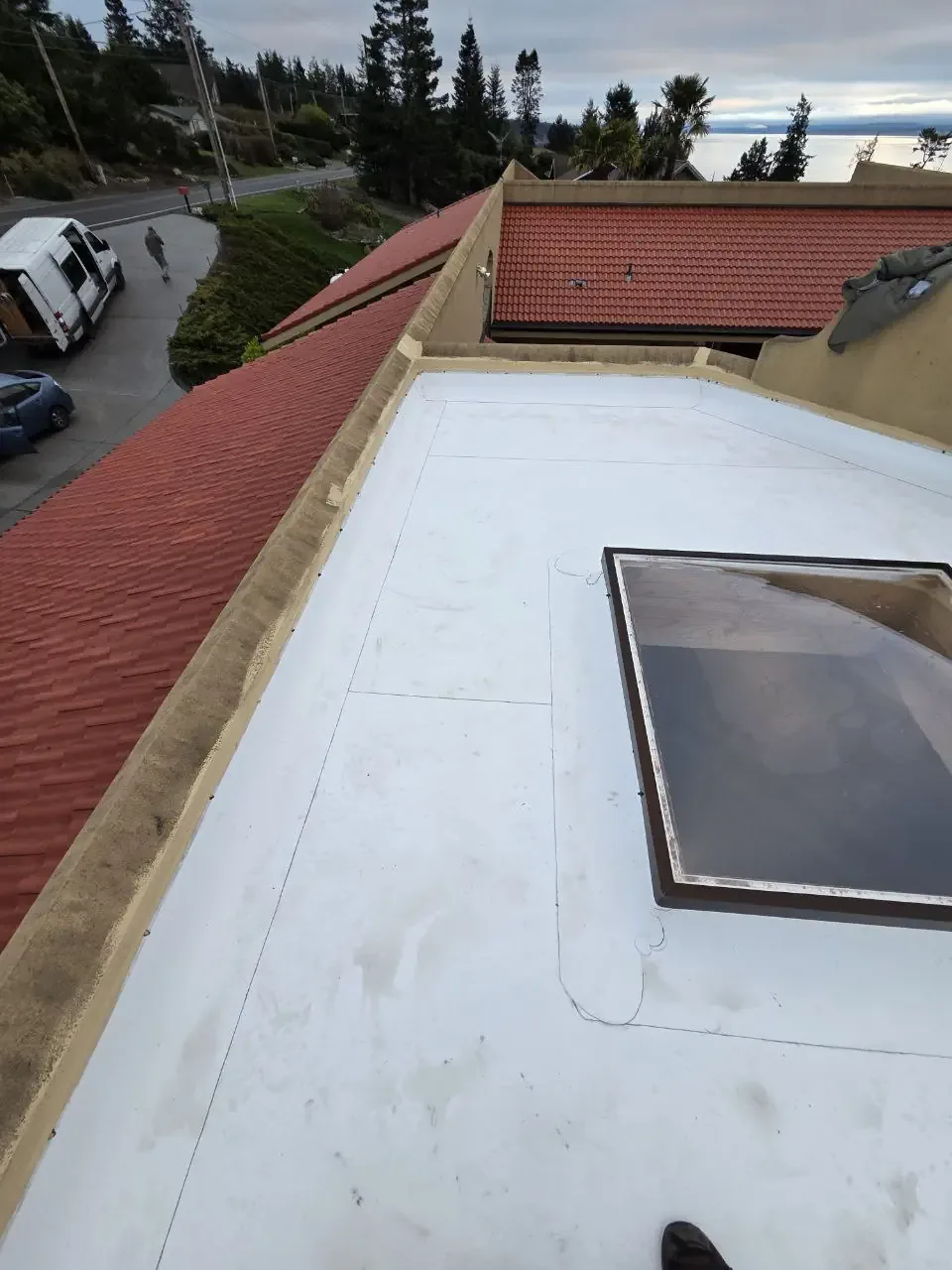
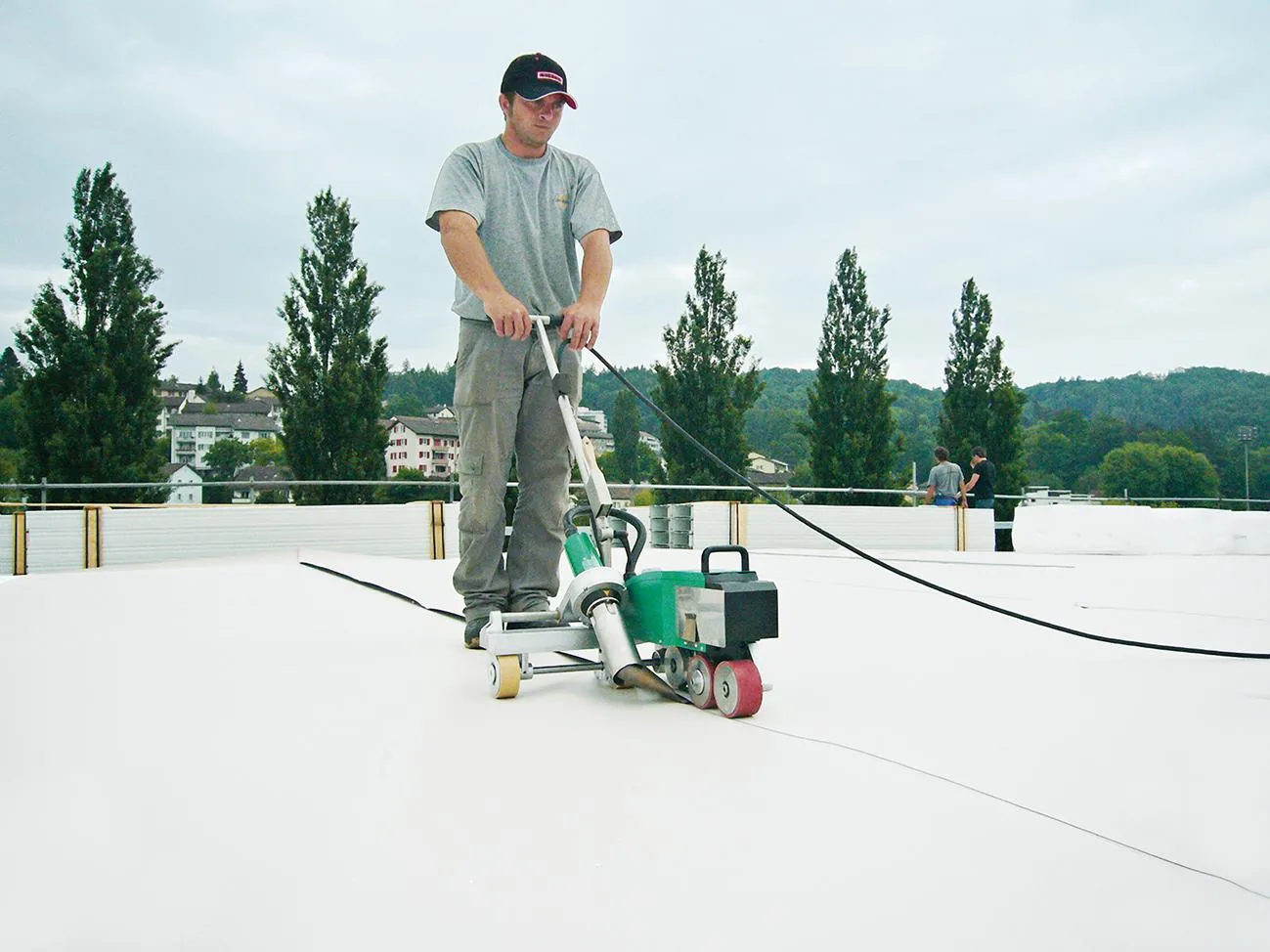
On modified bitumen, we inspect cap-sheet condition, ply laps, granule loss, blisters, and transitions to penetrations. On PVC, we check heat-welded seams, corners, and detail membrane. A liquid-applied system needs review of thickness, adhesion, reinforcing fabric where used, and edge condition. We photograph the defect and adjacent material. A test spot can help evaluate adhesion but applies only to its location. We note whether the selected area was clean, dry, and representative of the condition under review. On a multi-ply assembly, an opening can show ply count at one point without proving the entire roof matches. Each observation stays linked to its test location and photo.
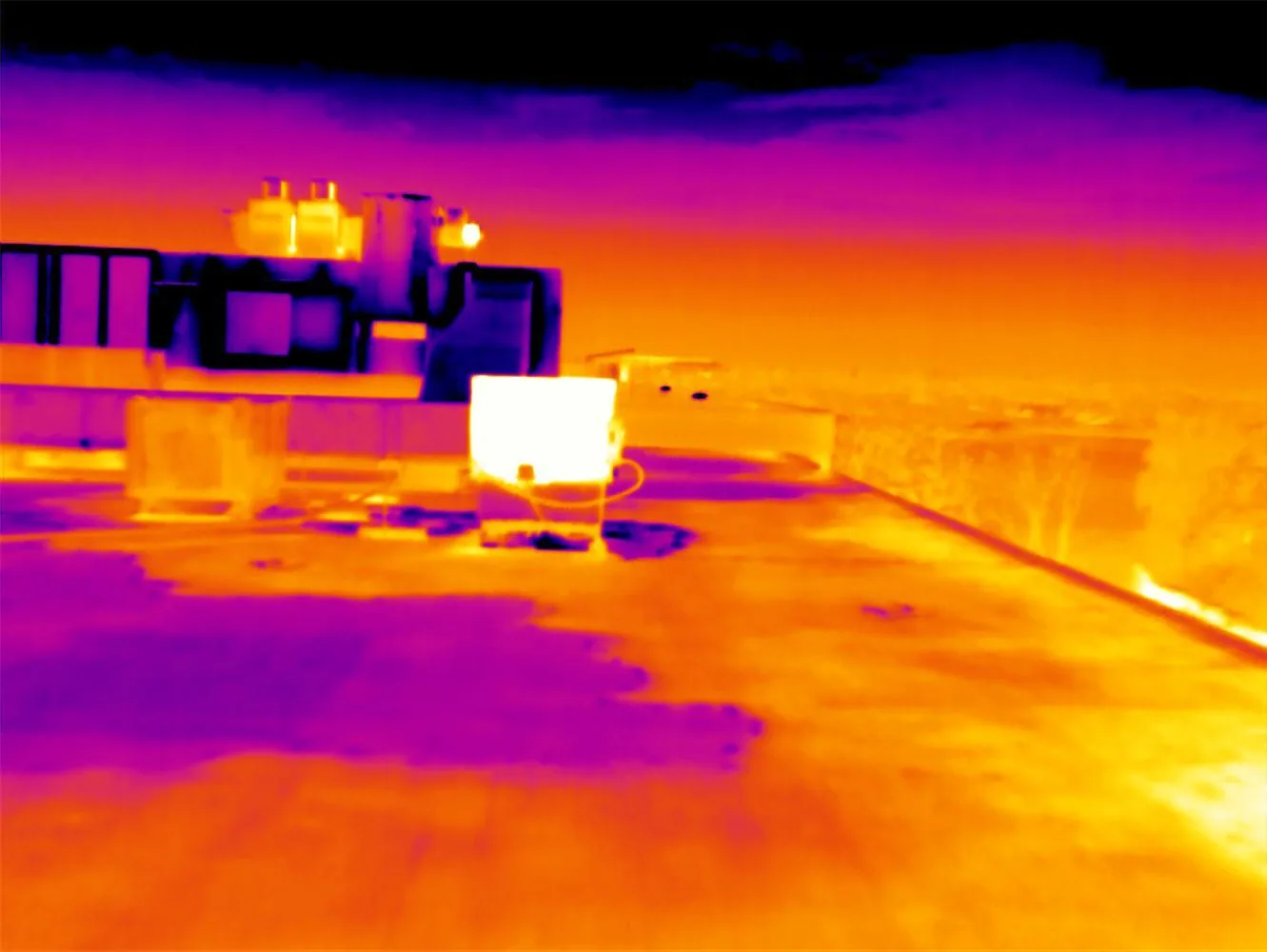
Moisture below the surface can change the repair boundary. We compare the roof evidence with interior reports and drainage paths. An infrared moisture survey can identify areas for further testing. If a seam has opened, the seam failure inspection should identify the membrane and tie-in. Where the leak follows a wall or curb, a flashing assessment checks the transition separately.
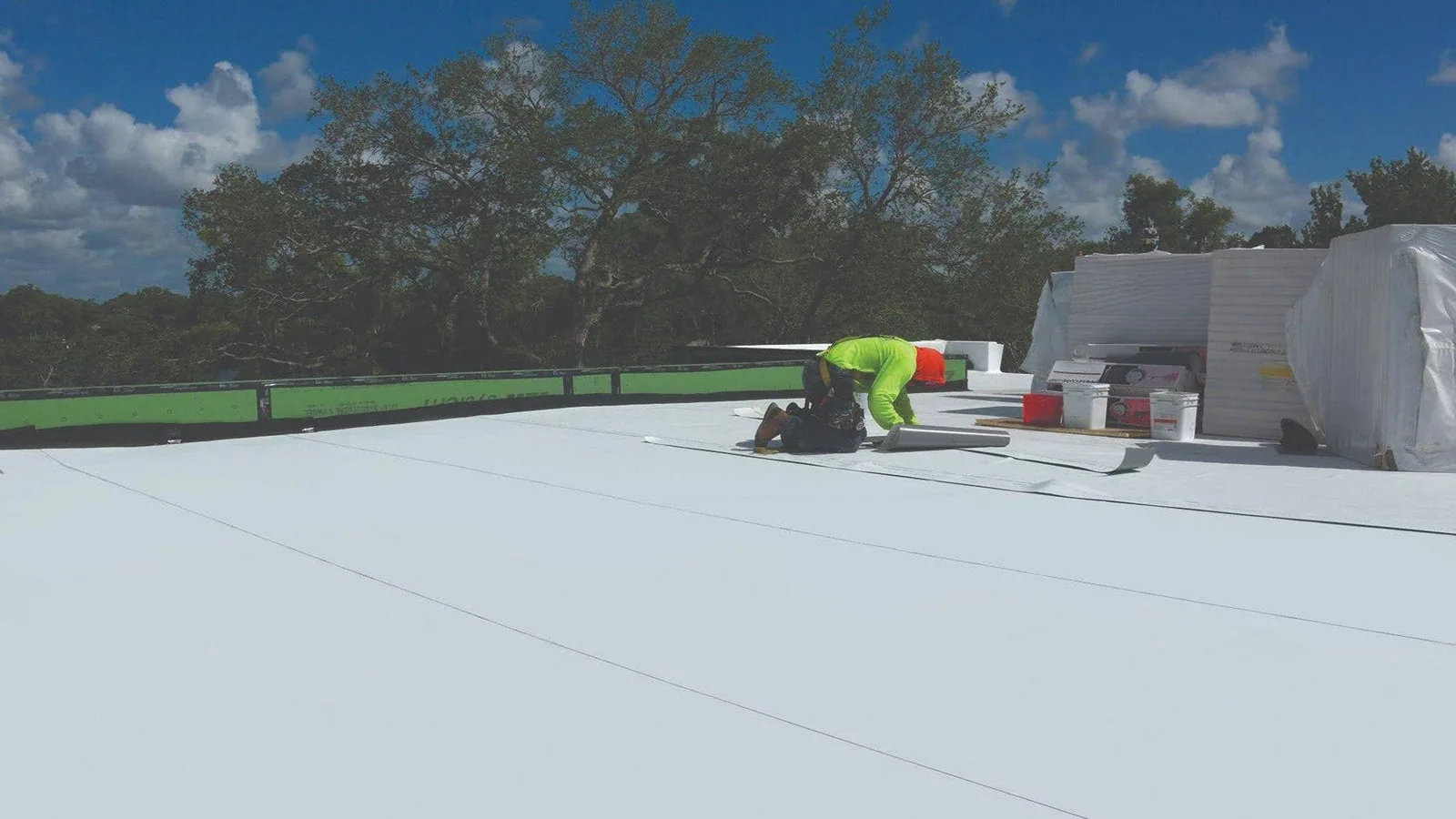
Repair steps depend on system type and surface condition. SBS repairs require clean, stable material and appropriate lap or flashing work. PVC patches need compatible membrane and a sound weld area. Liquid-applied products require suitable dryness, primer where specified, and correct reinforcement and thickness. We identify any surface contamination, prior coating, or wet substrate that can interfere with adhesion.
For an occupied building, fumes, noise, hot work, and access rules may affect the method and timing. We confirm the actual property requirements before setting a work window. The coating restoration scope lists preparation and cure conditions, while a flashing repair isolates a failed transition. If removal uncovers wet insulation or deteriorated deck, the condition is photographed and the owner reviews the added scope before work extends. Cost and schedule also depend on hot-work controls where applicable, odor sensitivity, drying time, disposal, and protecting occupied space. The proposal lists the assumed work area and what must be approved if the substrate differs.
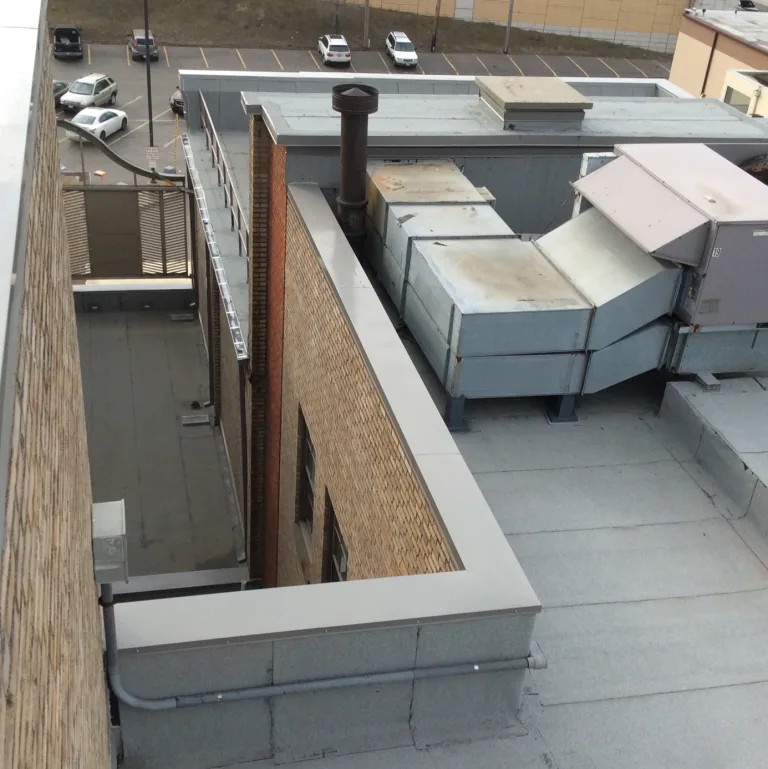
Replacement design starts with the existing layers, deck, insulation, drainage, access, and building operations. An overlay can be considered after checking the old layers and project criteria. Confirmed moisture or deck deterioration may require removal instead. We document the basis for that choice and identify test openings that could change quantities or system selection.
Melbourne averages more than 55 inches of precipitation annually, with June and September the wettest months; check the roof moisture and forecast before installation. At The Crossings at Babcock, ground-lease and build-to-suit retail uses have distinct access needs from Franklin Drive Industrial. Palm Bay Hospital on Malabar Road adds an occupied-care setting. Confirm the property contact and access route before work. The replacement proposal names the assembly, attachment, flashing, and daily protection plan.
The service file records product identification, date, roof zone, materials, photographs, repair boundary, and follow-up needs. A maintenance inspection can revisit drains, seams, and liquid-applied details. If a warranty document applies, its terms govern notices and restrictions. We document observed conditions without claiming that a repair has been accepted or that a specific coverage decision will follow.
For an industrial or retail owner, each address should retain its own assembly and repair record. A condition report establishes what was visible and what was tested. A warranty file holds the applicable documents and written notices. The next inspection can then compare photographs with the same roof zone instead of relying on a generic product label. We also retain access limits, deferred items, and the person responsible for follow-up. A repair closeout identifies when the temporary measure ended and whether the permanent work was tested.
Learn more →
Learn more →
Learn more →
Learn more →
Learn more →
Learn more →
Learn more →
Learn more →