
A Sarnafil system can be adhered or mechanically attached, and the membrane designation matters. We check the product and assembly before preparing a repair or reroof scope. The inspection records field seams, wall and curb details, attachment, surface condition, and any active leak. Available documents are compared with accessible roof evidence. If the exact system is uncertain, that limit is stated before materials are selected. We compare the intended attachment with field edges and available closeout records. The report notes whether a sample, test weld, or document review is still needed. This keeps a repair product selection tied to evidence and keeps an uncertain system name out of a new scope.
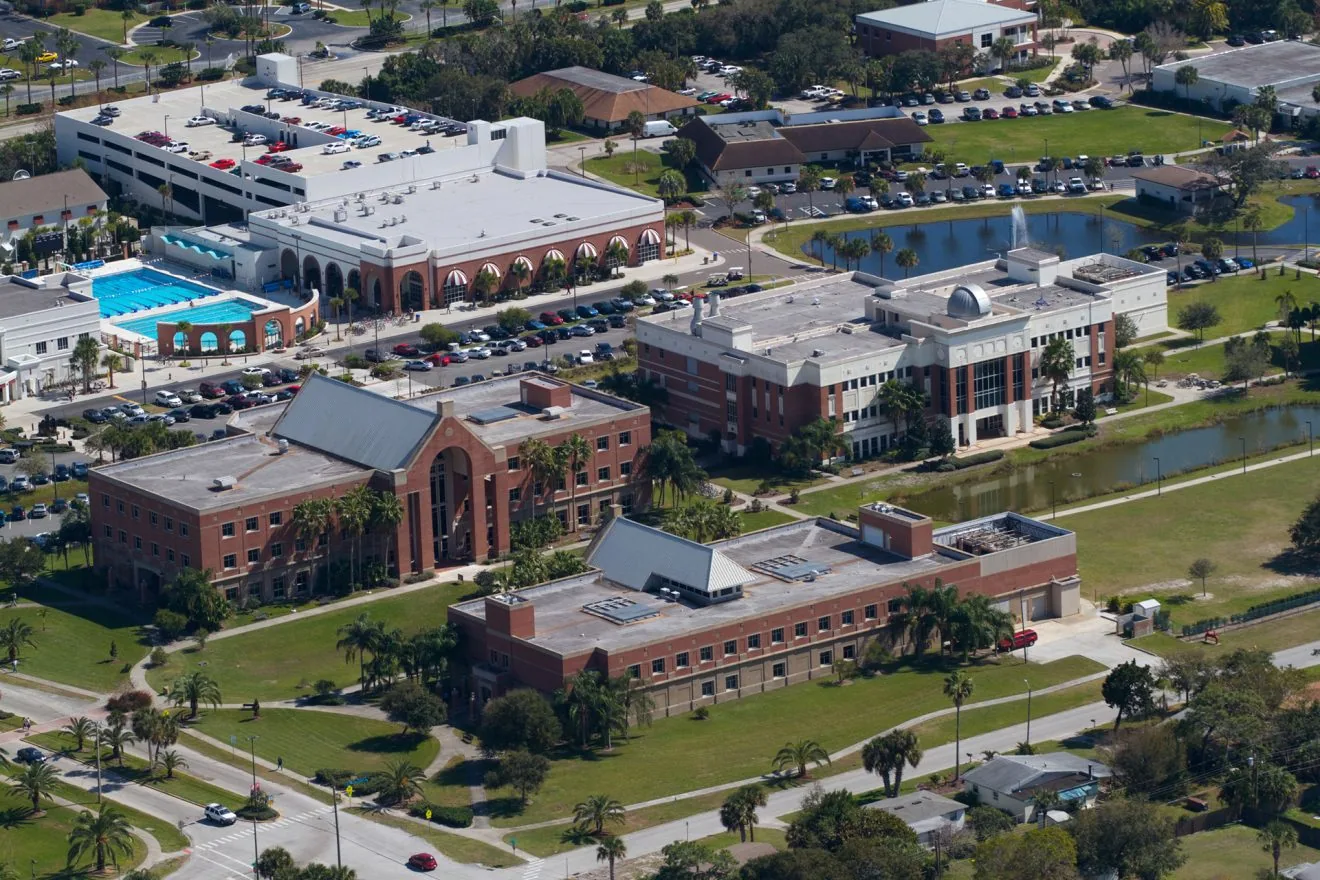
Palm Bay's heat and seasonal rainfall place routine attention on exposed seams and drainage. Melbourne climate averages provide regional context; a field inspection identifies the roof condition. A medical office on Babcock Street, retail near Bayside Lakes Boulevard, and a research-related property near the Melbourne airport have different access needs. We confirm the actual system and contact for each building before scheduling the work.
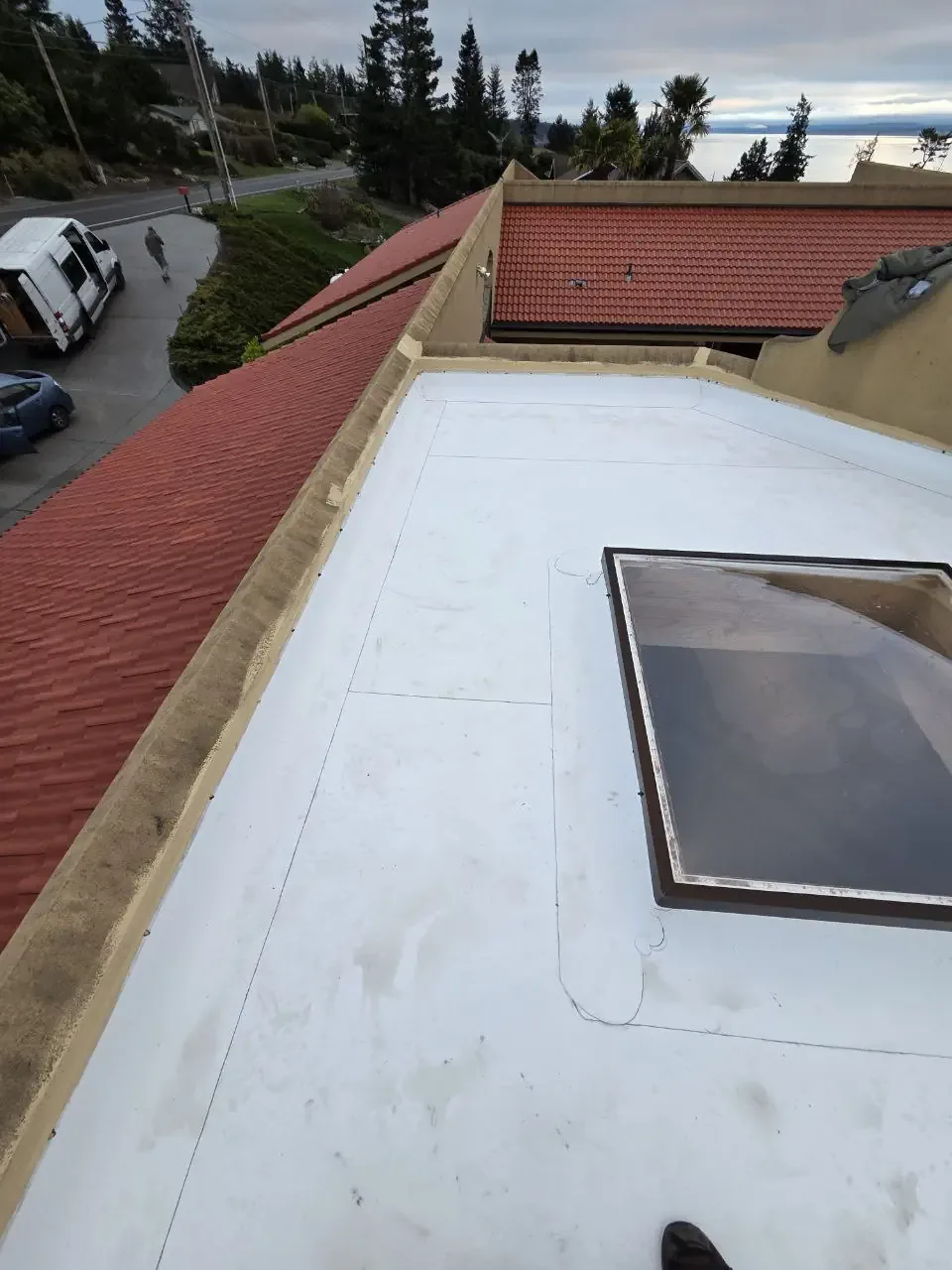
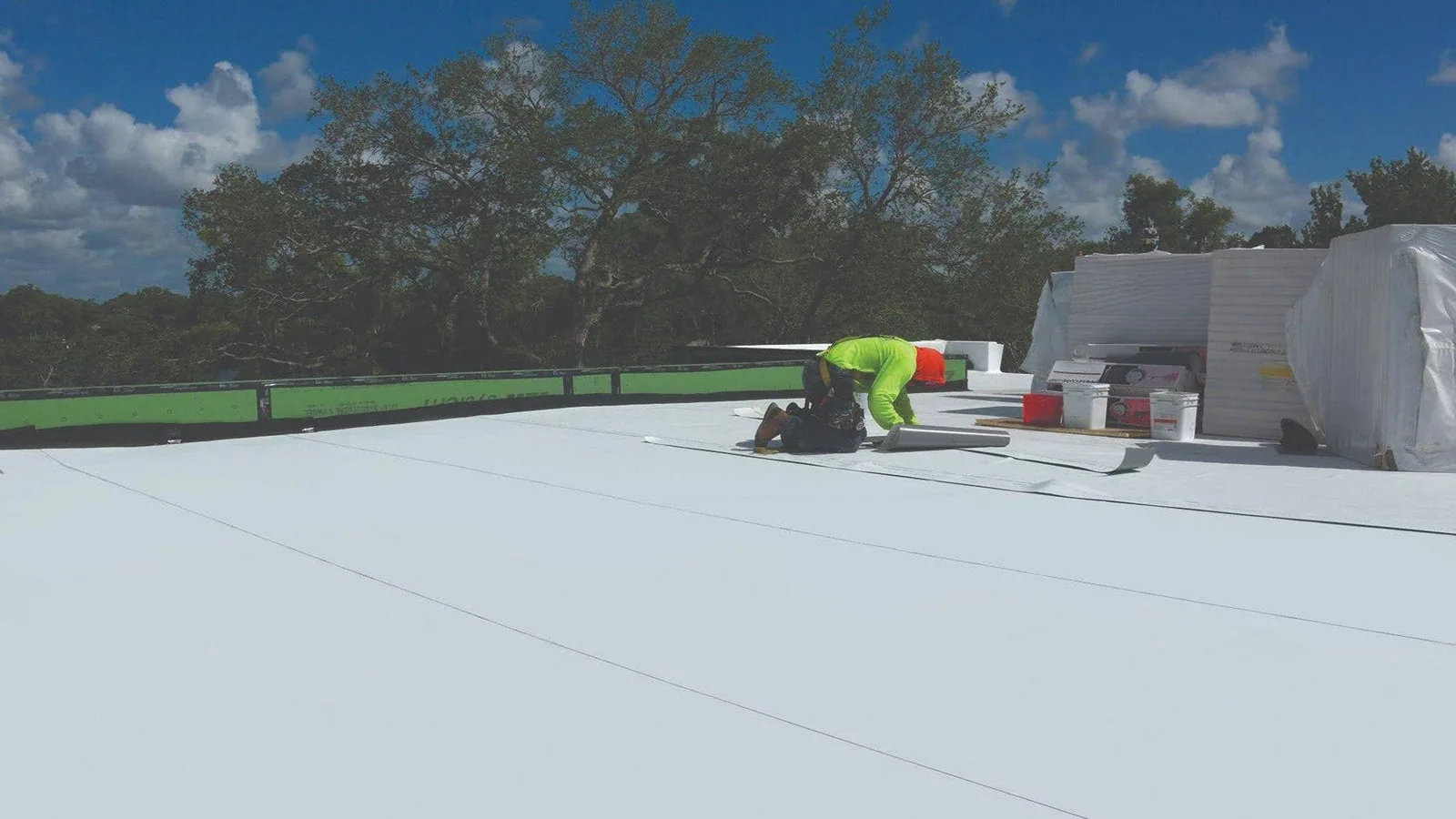
Sika's commercial roofing line includes Sarnafil and Sikaplan PVC membranes. Sarnafil G membranes are used in adhered configurations, while Sarnafil S membranes are used in mechanically attached systems. Sikaplan products have their own membrane and system documentation. We review the exact product, backing, thickness listed in records, and detail materials before defining a repair.
The membrane is only one part of the roof. Insulation, cover board, deck, vapor control, fastener pattern, and flashing affect performance and repair. A PVC system assessment checks that complete assembly. Other manufacturer options such as GAF or Holcim commercial roofing can be compared where a project is evaluating alternatives, but their components are not presumed compatible with a Sarnafil detail.
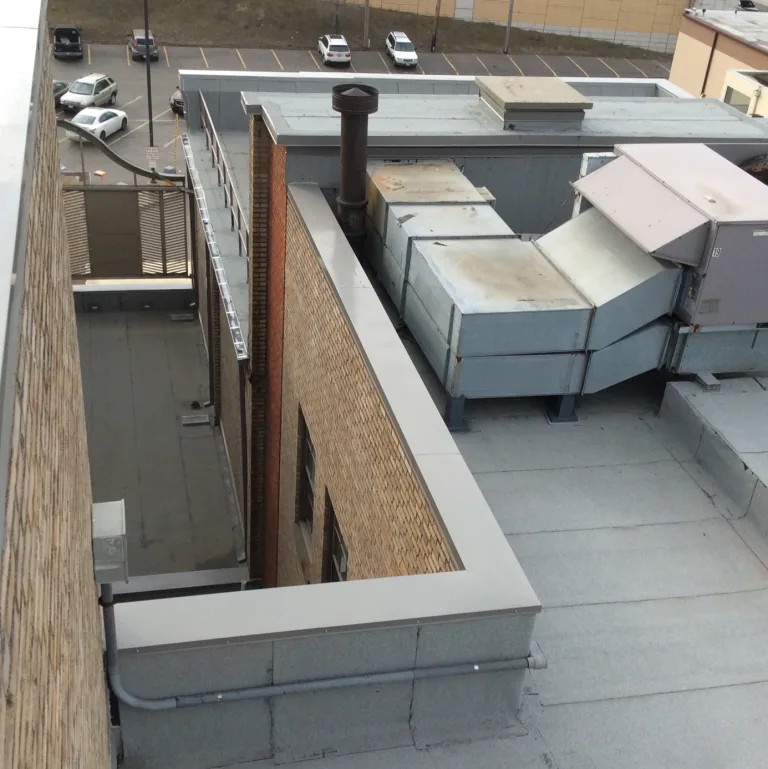
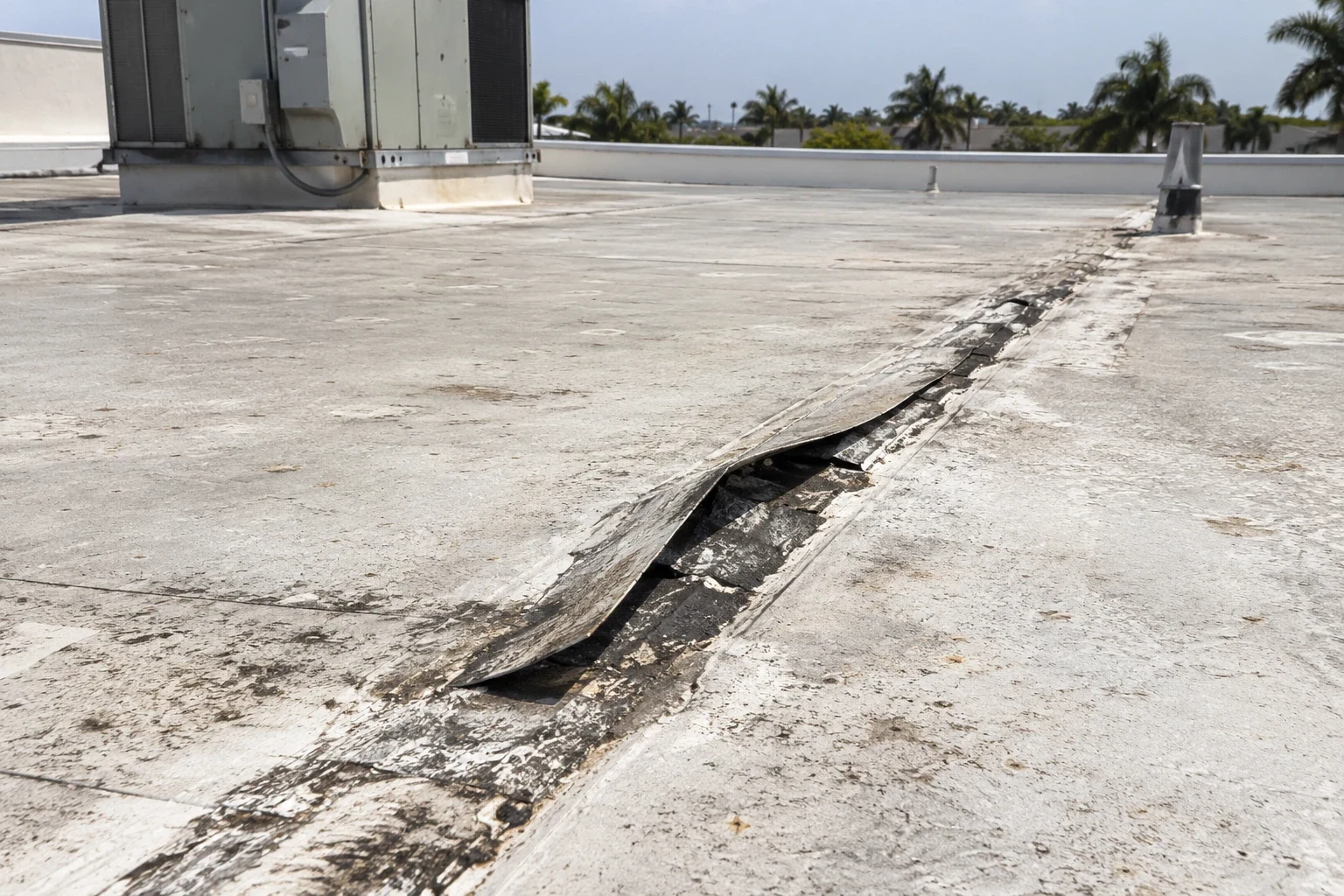
For mechanically attached sheets, we inspect accessible seams and termination rows for movement or separation. Concealed fasteners cannot all be confirmed from a visual walk. An authorized test opening can help answer a focused attachment question, and its exact location and restoration belong in the report. For adhered work, we check for blisters, delamination, wrinkles, and changes in substrate bond.
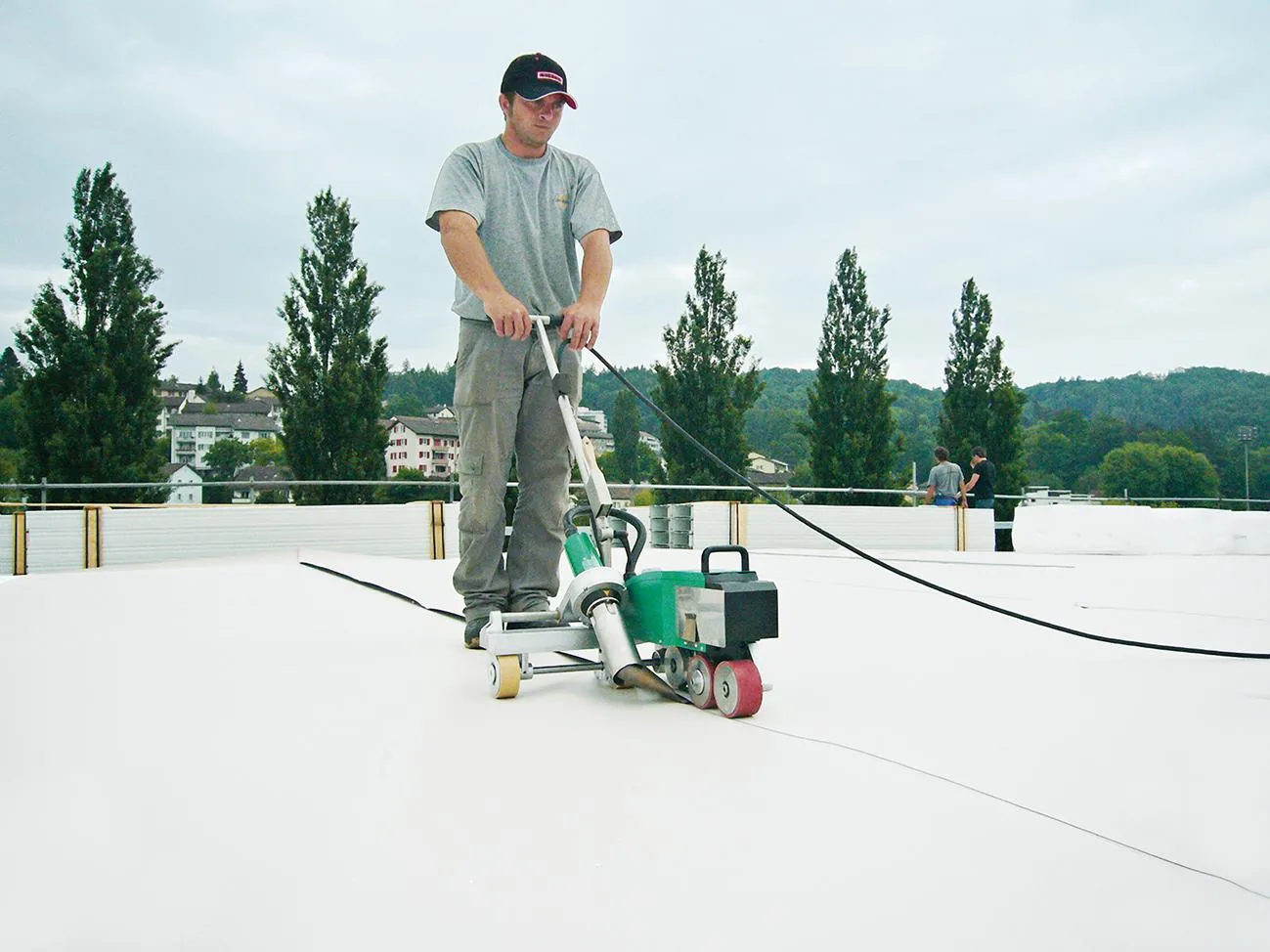
Thermoplastic seams are heat welded. We inspect the weld, corners, patches, and flashing transitions for weak or contaminated areas. A single probe location is a sample, not a roof-wide result. The seam repair evaluation names the system and boundary. At the Florida Tech Research Park, public plans identify research and aviation training uses; any roof access or material details would need confirmation for the actual property.
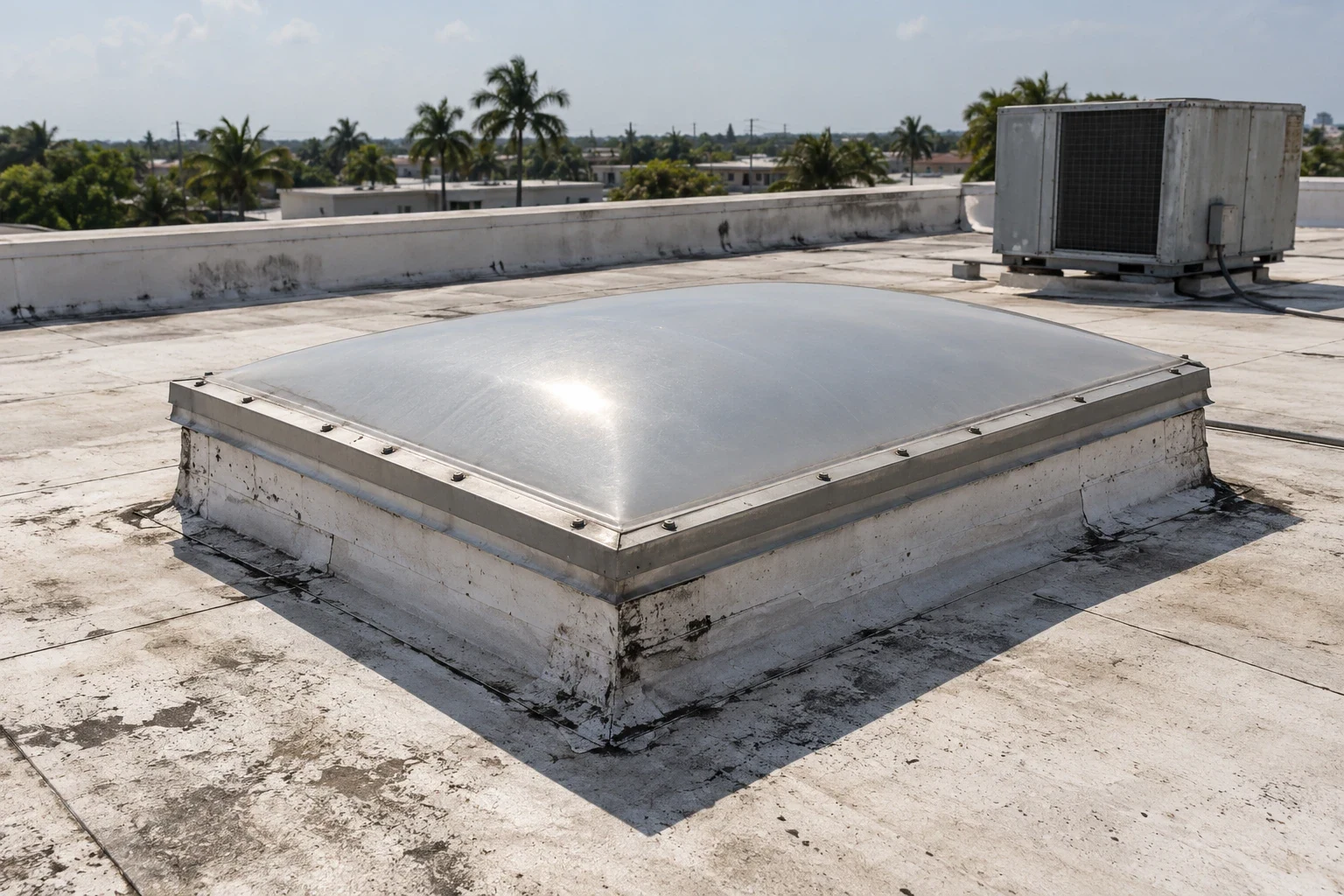
Pipes, curbs, drains, walls, and edges require detail membranes and compatible attachment. We check for splits, loose terminations, sealant failure, and movement at changes in plane. A roof penetration can leak while the surrounding field remains intact. The repair scope isolates that detail rather than extending across sound membrane without evidence. If chemical exposure or another unusual condition is reported, we record the substance and location before suggesting a product.
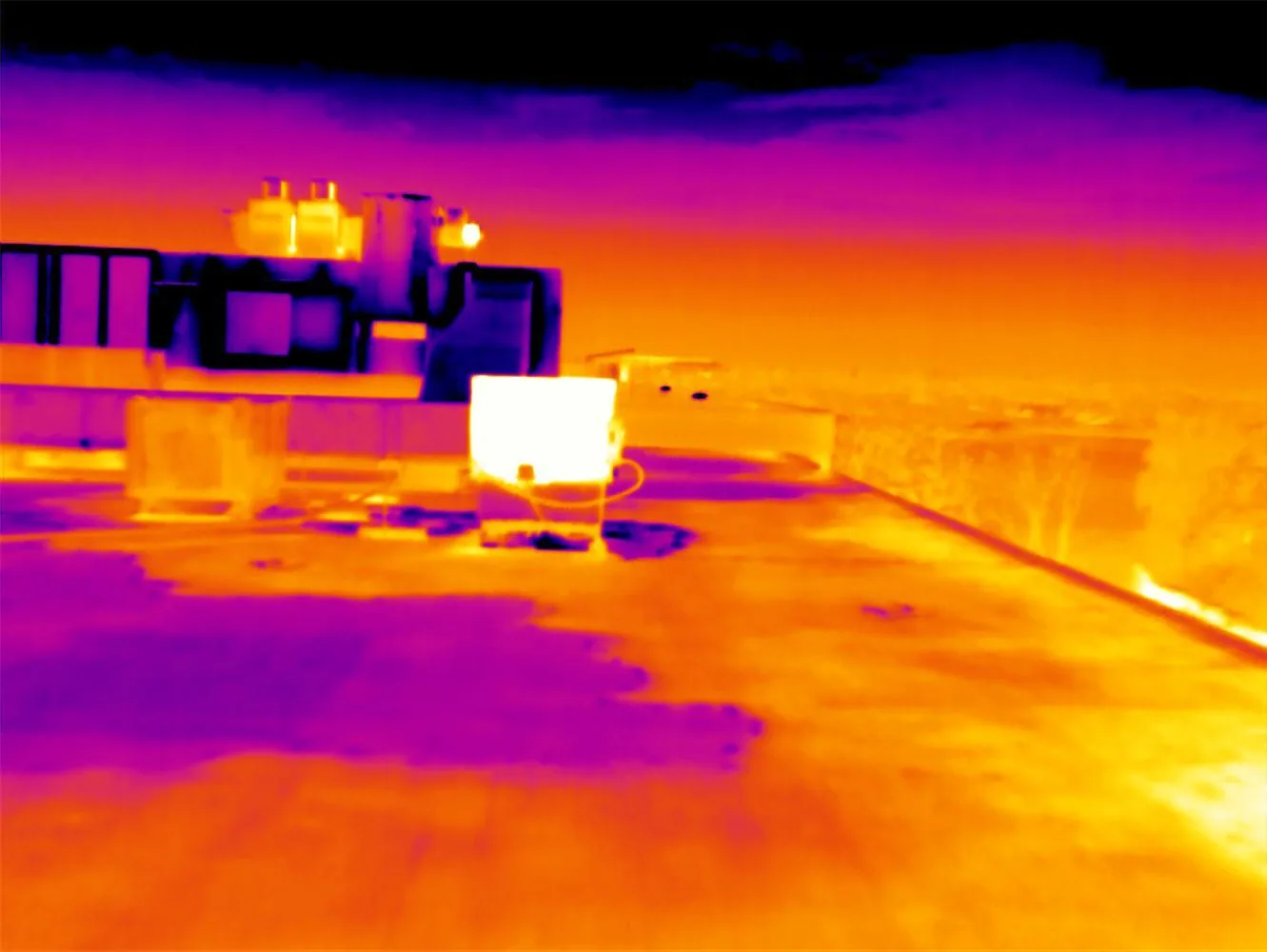
Water may travel before it reaches the interior. We compare the roof condition with staining and drainage paths, then note what is confirmed. Infrared survey or an opening may be needed to assess hidden moisture. A penetration flashing inspection can address curb and wall details. A moisture survey guides testing but does not substitute for opening the assembly when direct confirmation is required.
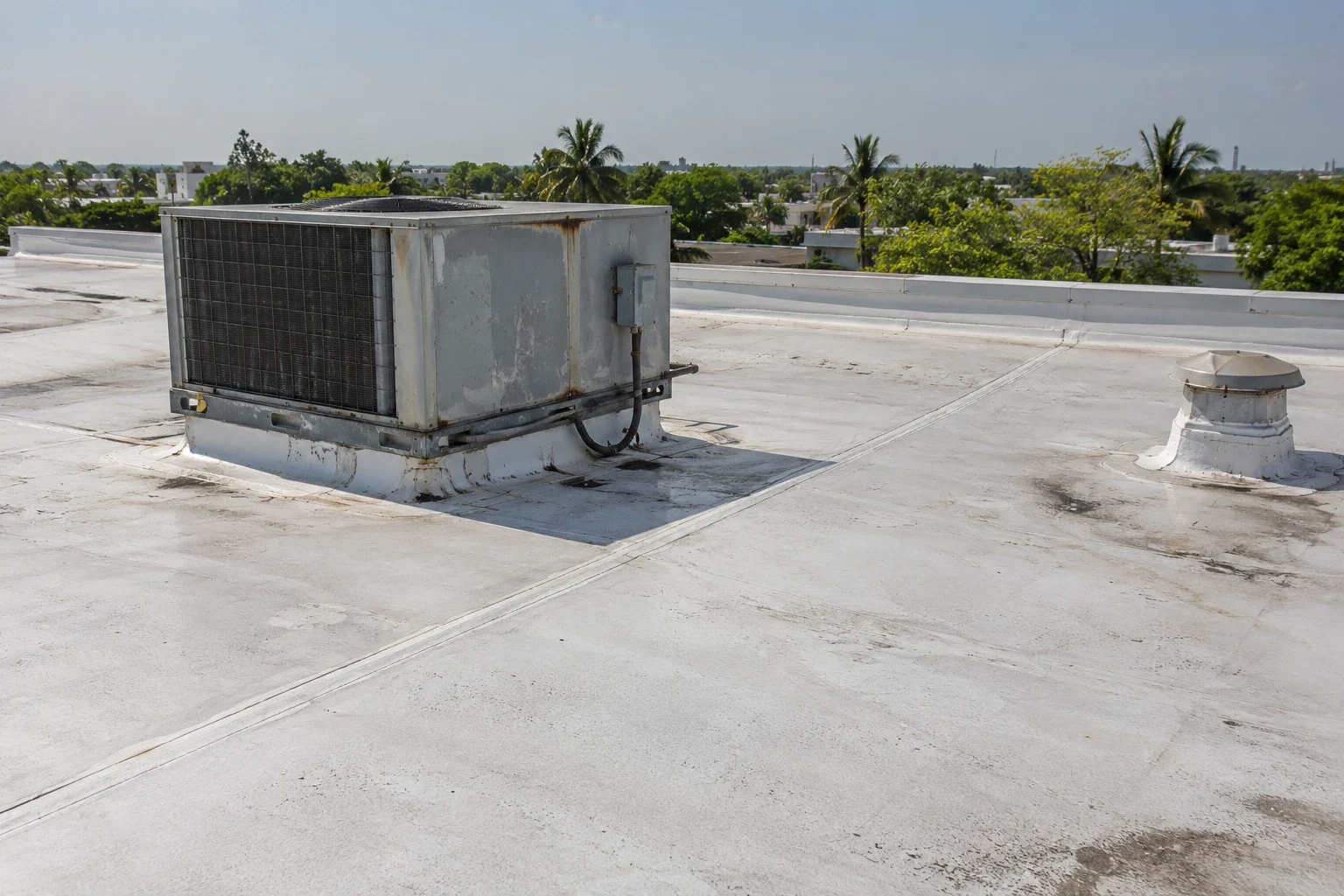
A reroof survey checks existing layers, substrate condition, insulation, drainage, perimeter zones, and occupied use. A recover can be considered only when the substrate and project requirements support it. Wet insulation or a damaged deck can call for removal. We state the evidence behind the system choice and identify any test opening that could change the plan. Material ordering follows confirmed quantities and approved details. A staged project can limit how much roof is open at once, but the sequence must protect each completed section before work moves. We show that boundary in the daily plan.
Melbourne's long-term average high reaches about 89 degrees in summer, while annual precipitation averages 55.28 inches. Use those nearby readings for broad scheduling; the crew checks the roof and weather before opening a section. Cost and timing vary with membrane attachment, removal requirements, insulation, cover board, edge metal, equipment protection, and roof access. We identify which quantities are measured and which rely on a test or owner record. That distinction matters when a proposal compares repair with recover or replacement. For occupied medical or office space, an occupied-building sequence can set protection and access rules. The replacement proposal describes membrane attachment, insulation, flashing, perimeter work, and daily closeout.
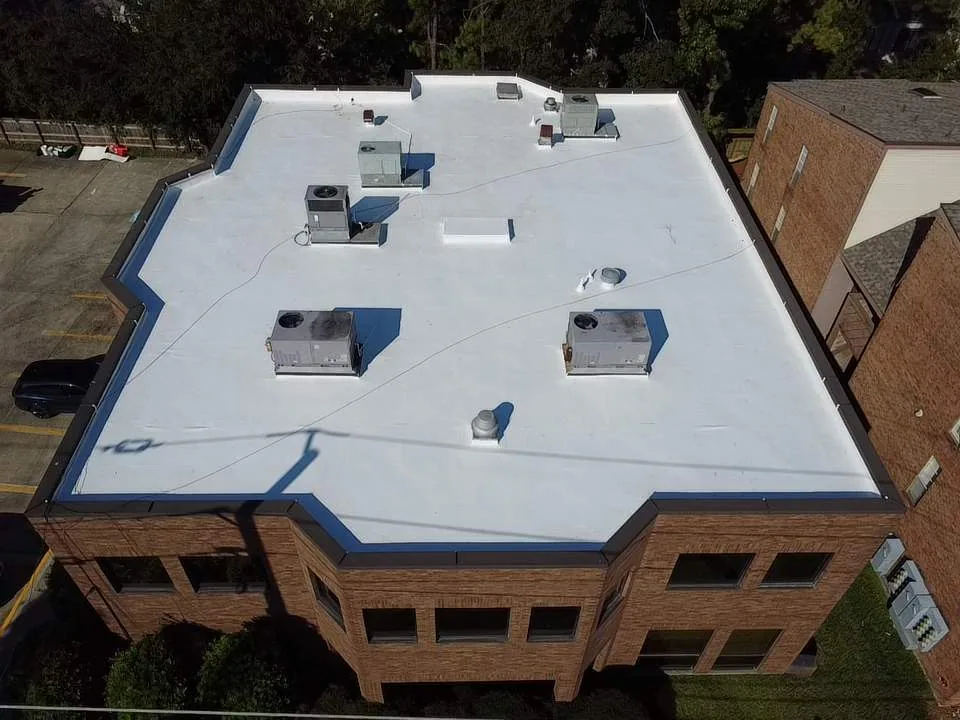
The closeout names the membrane when identified, repair method, roof zone, materials, photographs, and any inspection limits. If a warranty document applies, its terms and issuer notices remain separate from the field condition report. We do not infer coverage from the manufacturer name. The record lists open moisture questions, access restrictions, and follow-up timing so the owner can track the next inspection.
For a building near Palm Bay Road or an office near the Palm Bay VA Clinic, we keep the service record attached to the inspected address. A condition report provides dated photos and recommendations. A property with several addresses can keep system details in its asset record without treating all roofs as one assembly.
Learn more →
Learn more →
Learn more →
Learn more →
Learn more →
Learn more →
Learn more →
Learn more →