
A drip near an aircraft door can travel across a purlin before it reaches the floor. Record the reported location and weather date, then inspect the roof path above it. Palm Bay has hot conditions and tropical-cyclone exposure. A wind report can justify a prompt check, but it does not establish damage to every panel or fastener. We photograph the observed condition, note the inspection limits, and define the next action by roof zone.
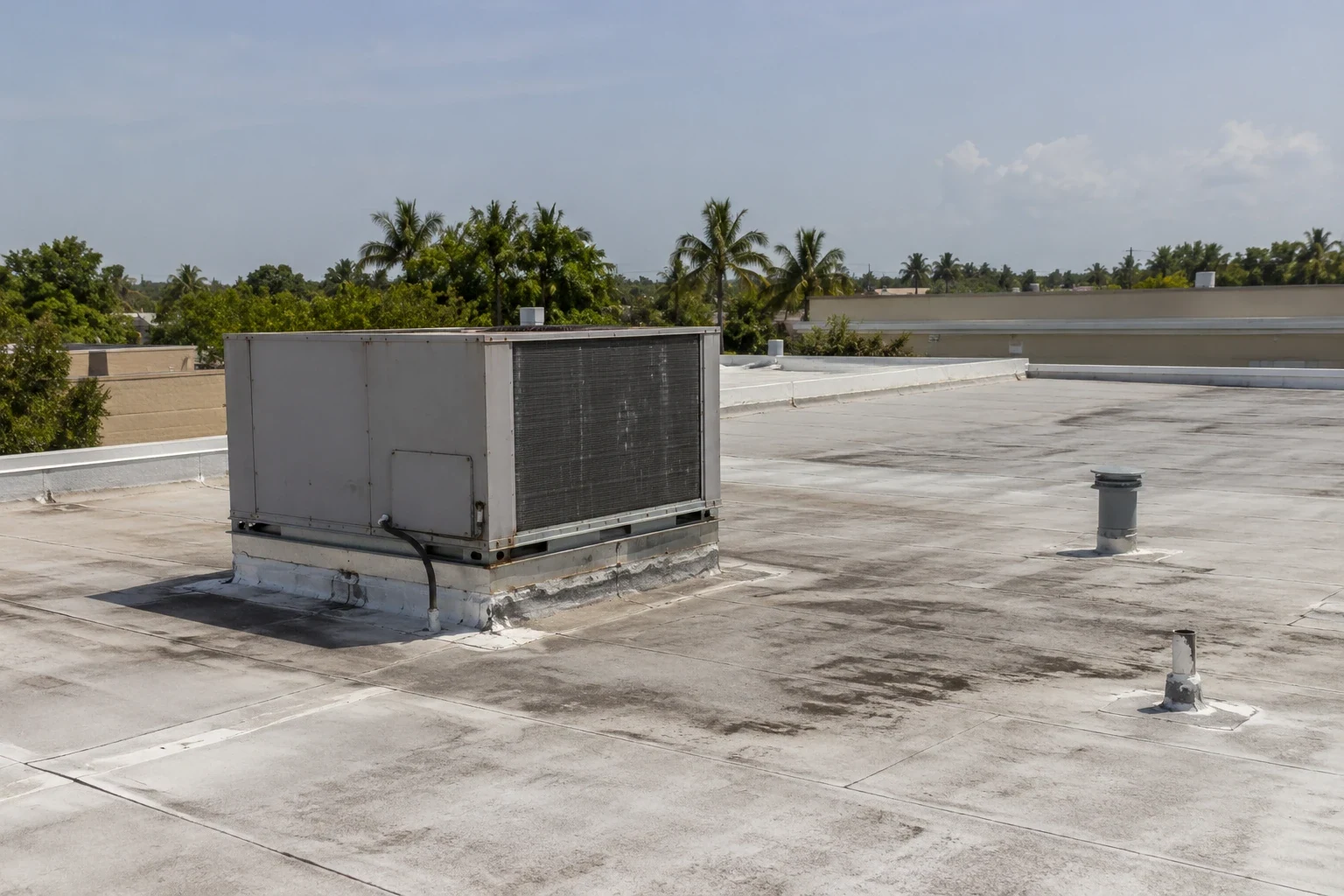
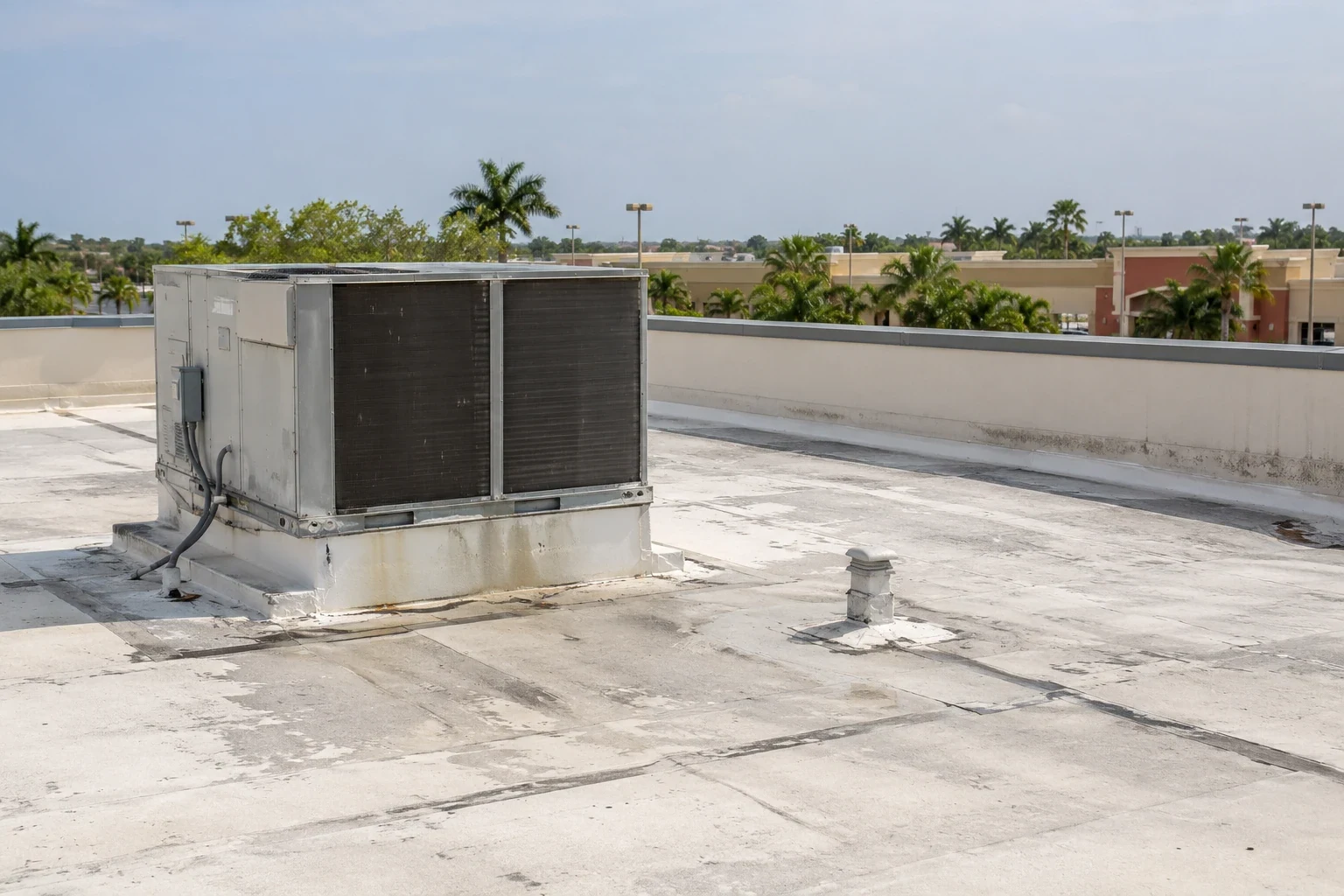
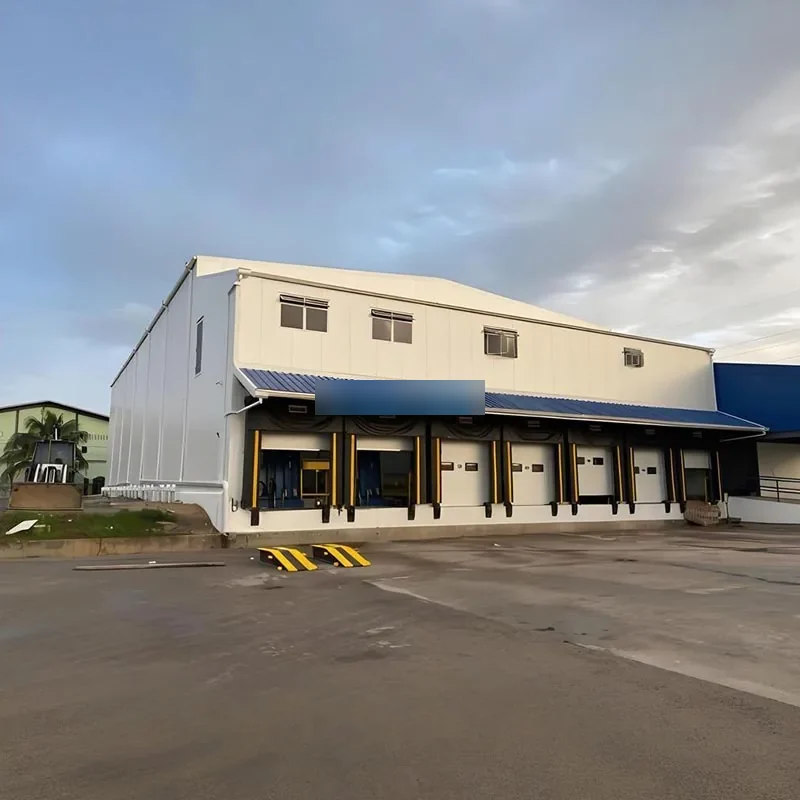
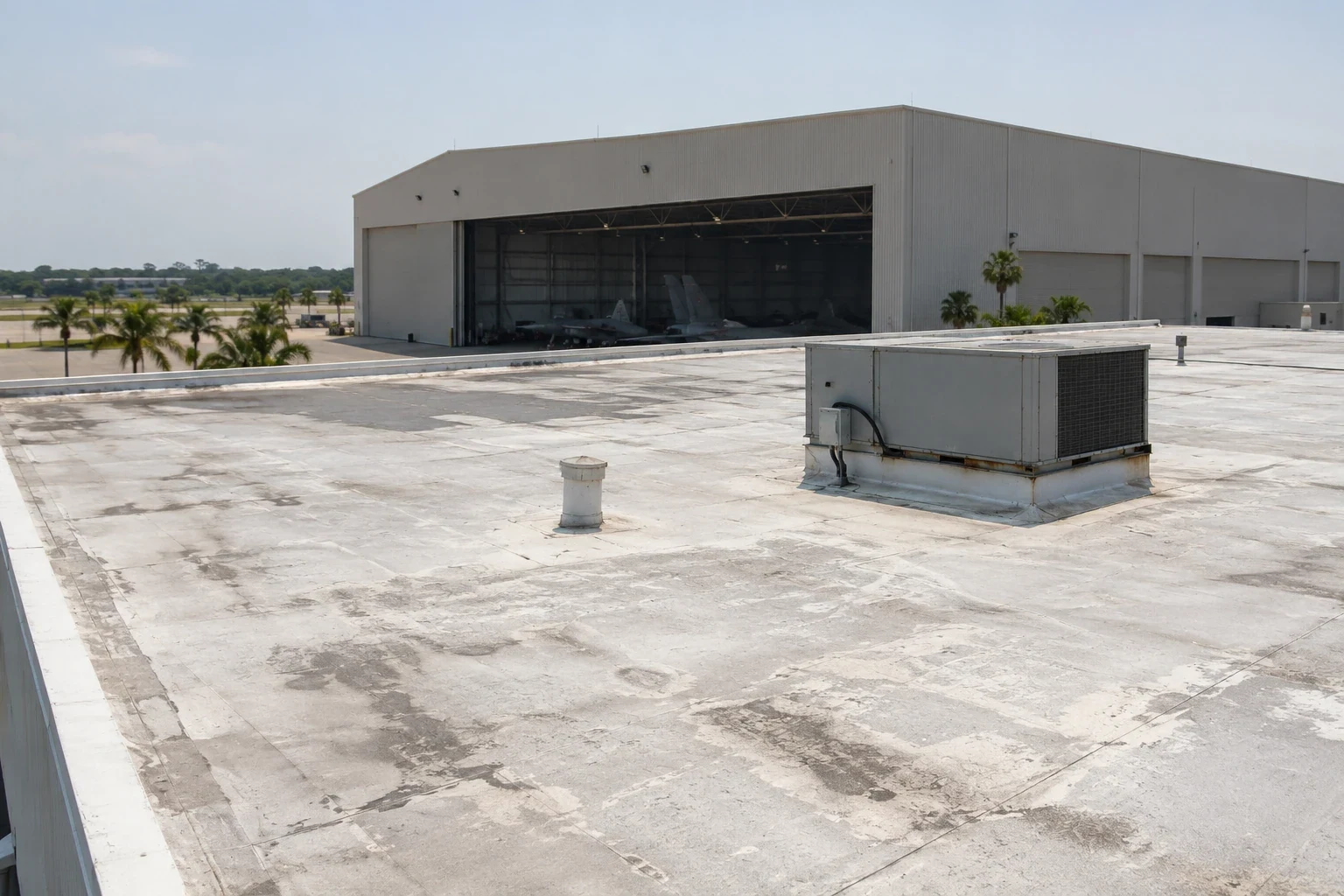
Large door openings concentrate attention at the roof edge and adjoining wall. Check the transition metal, seal interfaces, fasteners, framing attachment, and nearby drainage. A door that binds or a seal that leaks can complicate the water path, but the roof review should distinguish door hardware from roofing. A perimeter metal inspection can document the roof edge independently from door adjustments.
Operating clearance affects the repair boundary. Confirm when the door can remain still, how aircraft movement is controlled, and where a lift or material staging can fit. A roof opening should not be left exposed across a shift change or a weather window. The work plan names the access contact, aircraft exclusion area, temporary protection method, and person who can authorize a scope change.
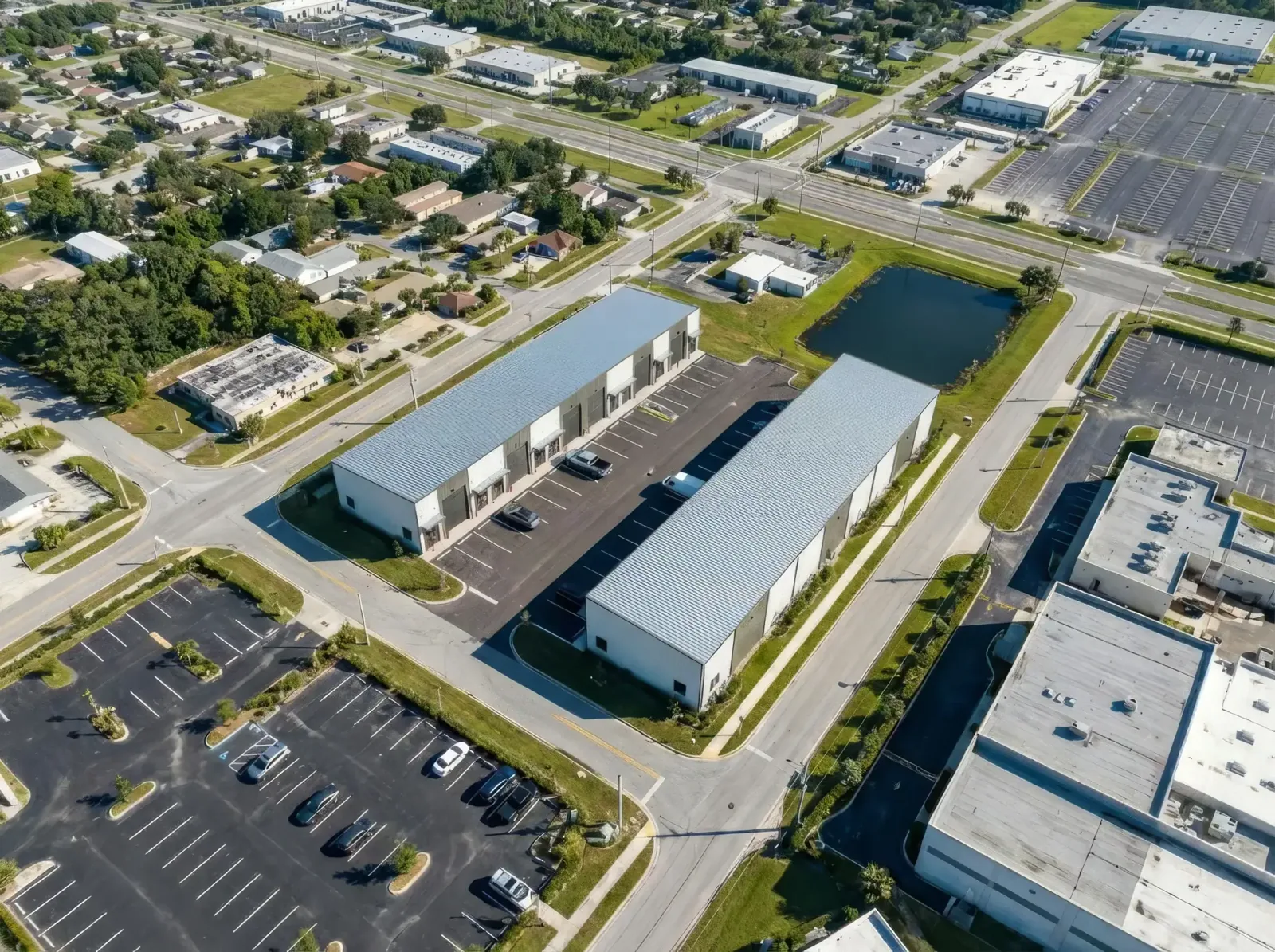
Where a standing seam or retrofit metal roof is present, inspect seams, clips, laps, ridge and eave transitions, and penetrations. A standing seam assembly and a retrofit metal system have different attachment and repair details. Identify the installed material before selecting sealants or replacement panels. Surface appearance alone may not show the panel profile or concealed attachment.
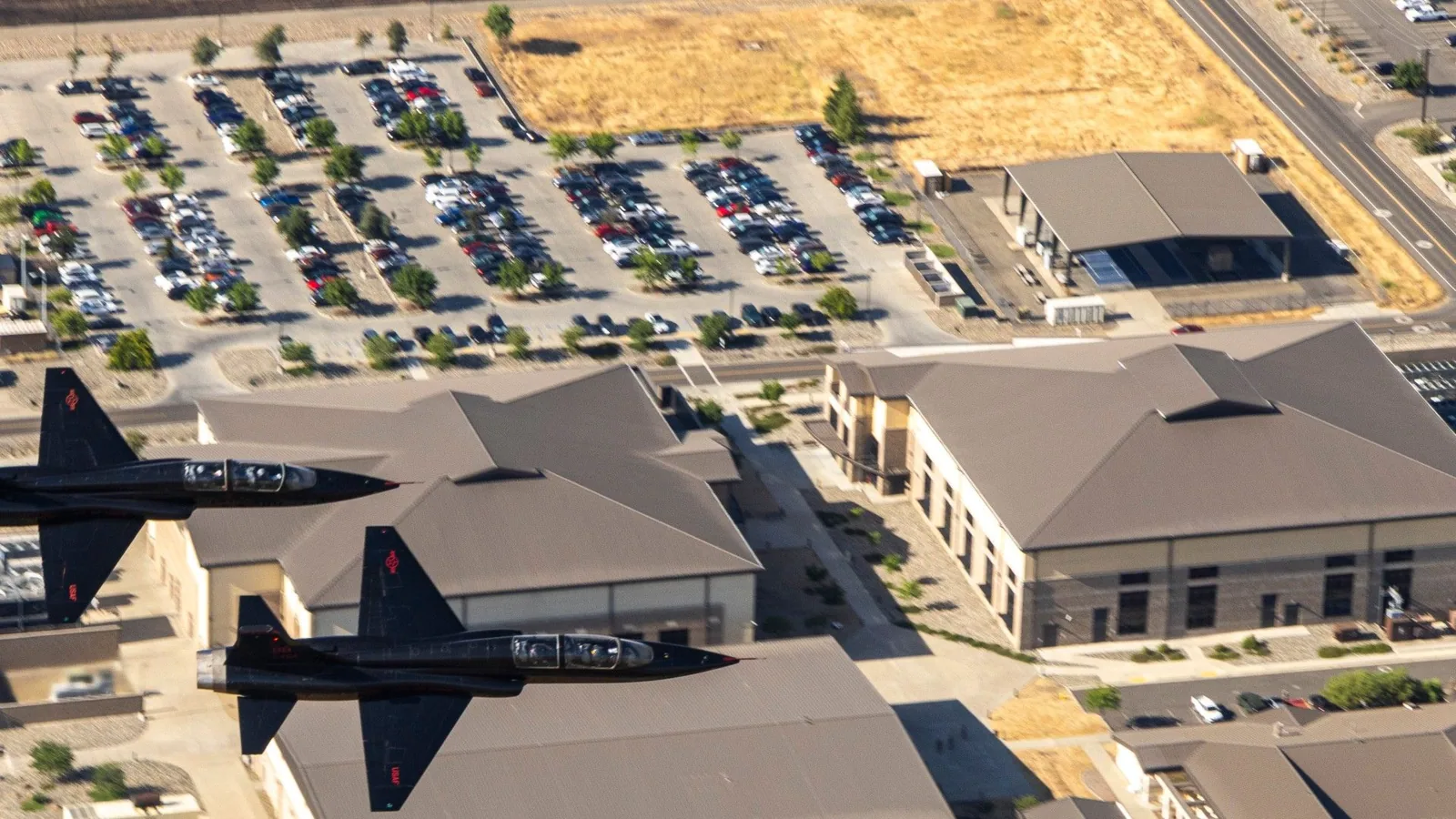
Wind-driven rain can enter at a loose fastener, displaced lap, ridge, or wall flashing. Inspect panel laps and closures, then follow the path toward the reported interior point. Photograph missing or backed-out fasteners and distinguish fresh movement from older corrosion or repairs where evidence allows. A wind damage inspection should state what was observed, what remained inaccessible, and whether a test opening is needed to confirm concealed conditions.
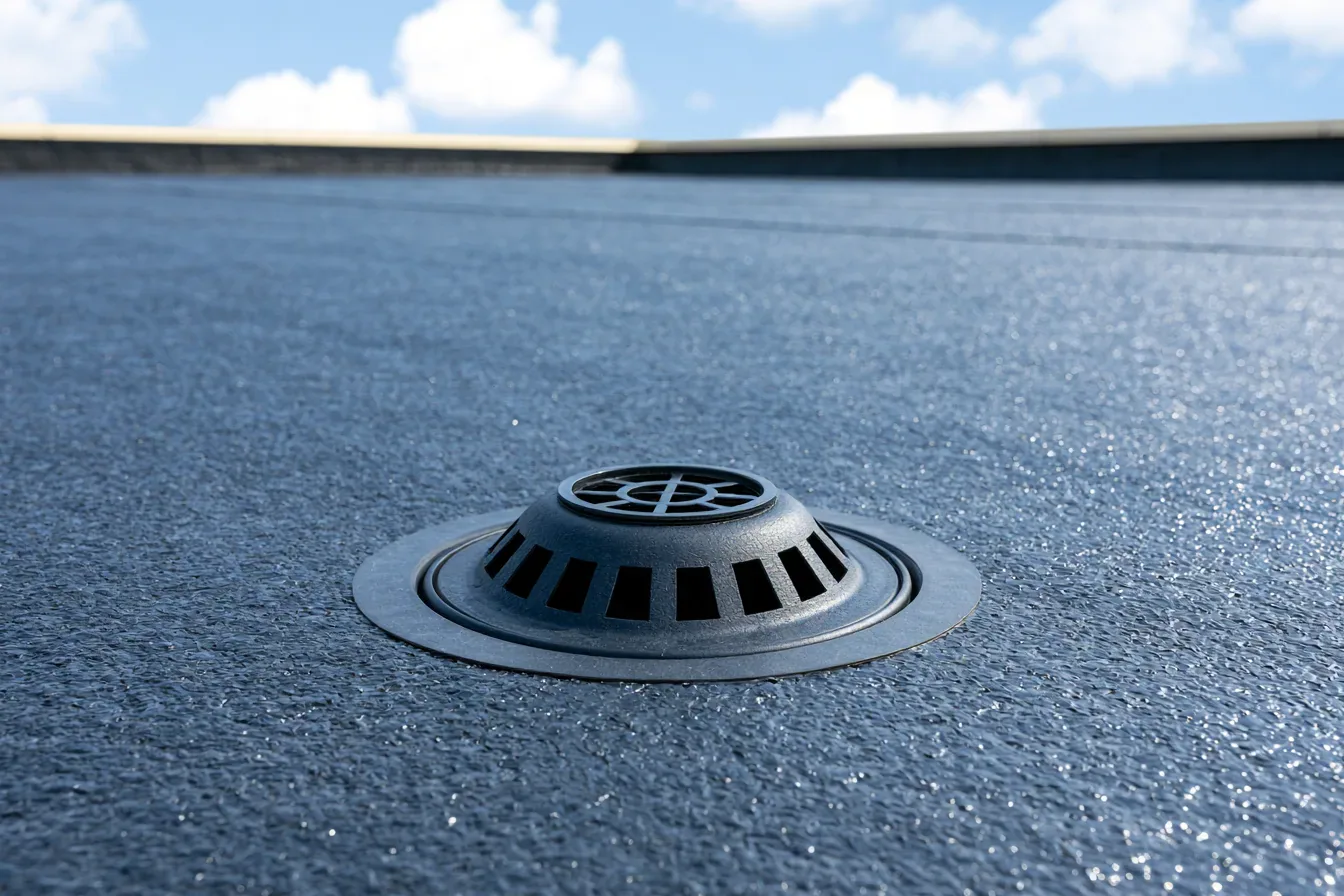
Long roof runs also need functioning gutters, downspouts, scuppers, and discharge paths. Check for debris, separation, standing water, and staining below joints. Heavy rain can expose an outlet restriction that is separate from a roof-panel failure. A drainage review maps the outlet and overflow route. If water continues to collect after an outlet is clear, record the low point and request a slope or structure review.
Melbourne station normals provide regional context for heat and annual rainfall. Palm Bay records include several tropical cyclones; Irma rainfall exceeded 13 inches at one reporting point. Those records help frame inspection readiness. They do not identify a failed hangar panel or establish the condition of a particular airfield building. The roof record stays tied to the actual inspection.
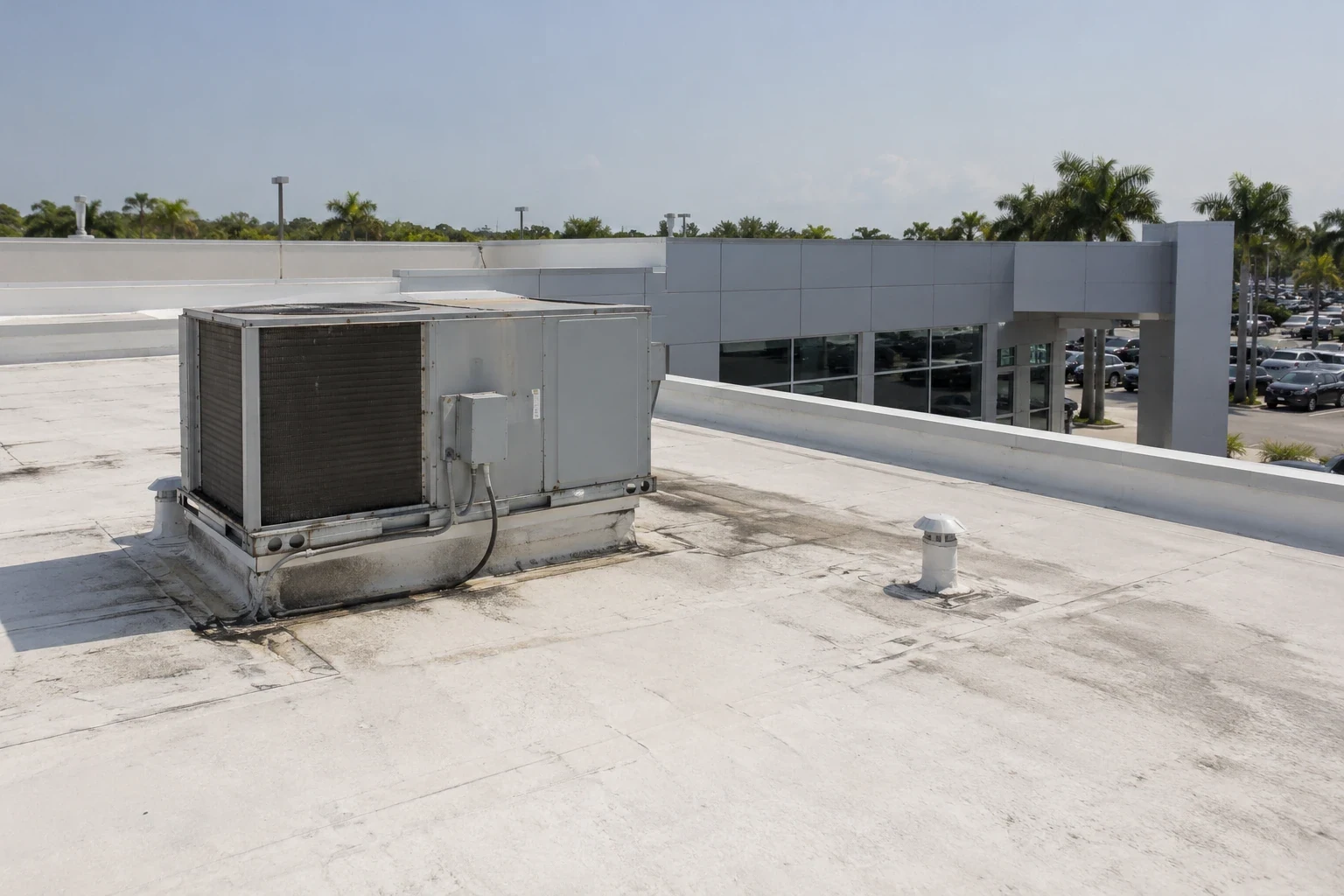
Melbourne Orlando International Airport supports the regional aviation economy, and Florida Tech Research Park at the airport includes an aviation training center in its planned facilities. Patrick Space Force Base is north of Melbourne, where Space Launch Delta 45 operates three airfields. These facts describe the region's aviation infrastructure. They do not establish that a named hangar has a specific roof type or that a contractor has performed work there.
For any active aviation property, access and mission requirements come from the facility representative. Confirm badging, escort rules, photography limits, restricted areas, lift routes, and work windows before mobilization. Military projects may require base procedures and roofing criteria in the contract documents. The scope should identify submittal, inspection, and closeout requirements applicable to that job without assuming authorization or prior access.
At a non-military hangar, coordinate aircraft schedules, fuel or maintenance activity, tenant access, and protection of tools and debris. A phased roofing plan can limit exposure when a building remains active. The roof zones should match the operator's map so the closeout can show which area was completed and which remains open.
A local repair may fit when the panel, seam, flashing, and supporting material around the defect remain sound. If the facility is a military hangar or maintenance building, include the access and closeout requirements in the project documents. If corrosion, repeated movement, wet insulation, or deck damage extends beyond the opening, expand the investigation before promising a repair limit. A controlled roof inspection can map the assembly and record concealed areas. An approved test opening can confirm layers at one location, not across the entire hangar.
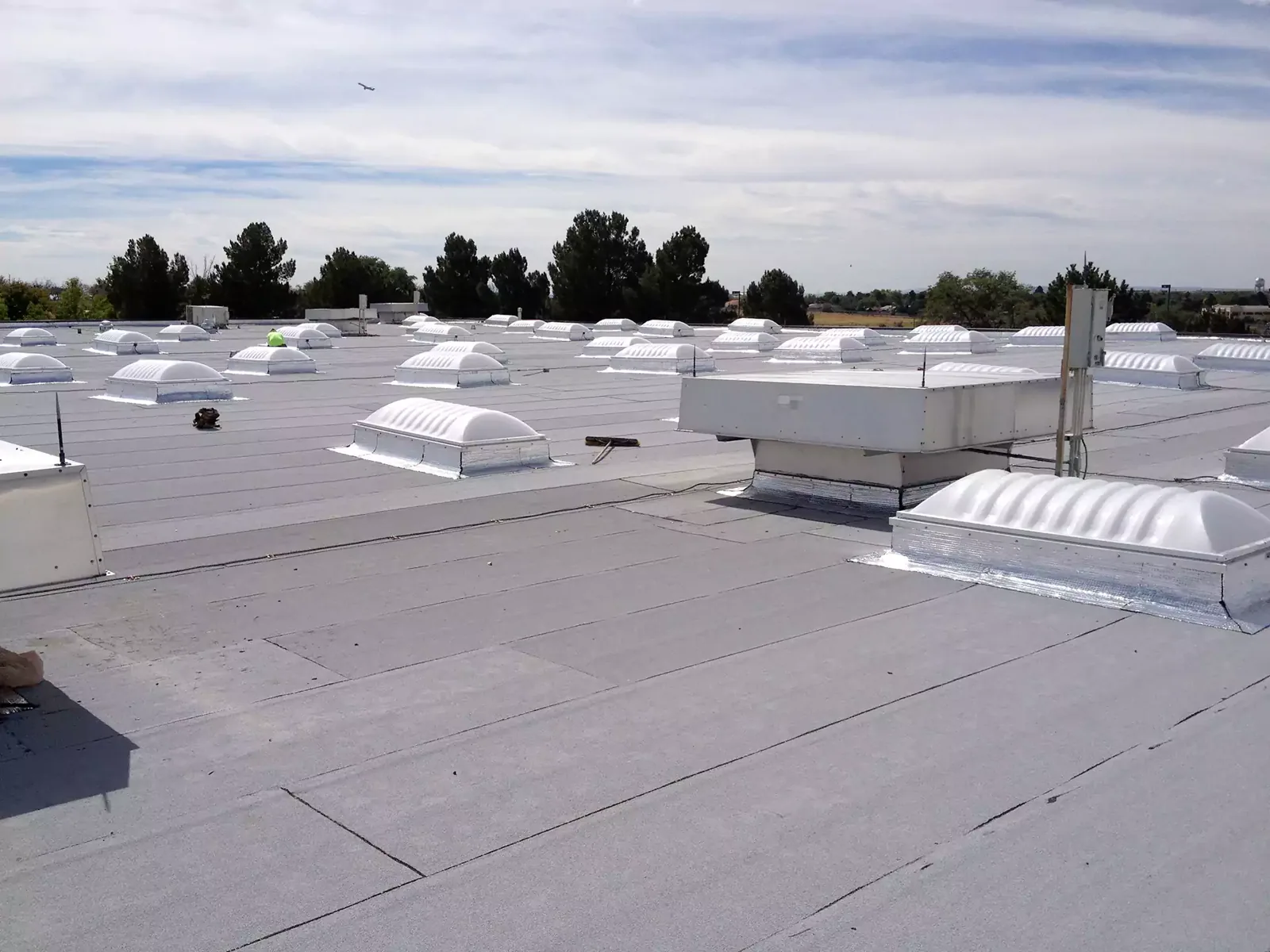
Replacement planning should account for span, uplift resistance, drainage, thermal movement, large openings, and equipment attachments. The specification, existing structure, and applicable code requirements determine the system. Options may include metal panels or a low-slope membrane on an adjoining section. A base facility roof review may also carry specific access and submittal conditions. A replacement evaluation documents assumptions and transition details before material selection.
Project cost and duration follow roof area actually included, access equipment, panel or membrane type, edge details, weather protection, interior safeguards, and the amount of removal. Aircraft clearance and security controls can affect sequence and labor. Keep allowances visible for concealed damage and agree how changes are reviewed. Temporary protection gets a separate date, location, and return plan.
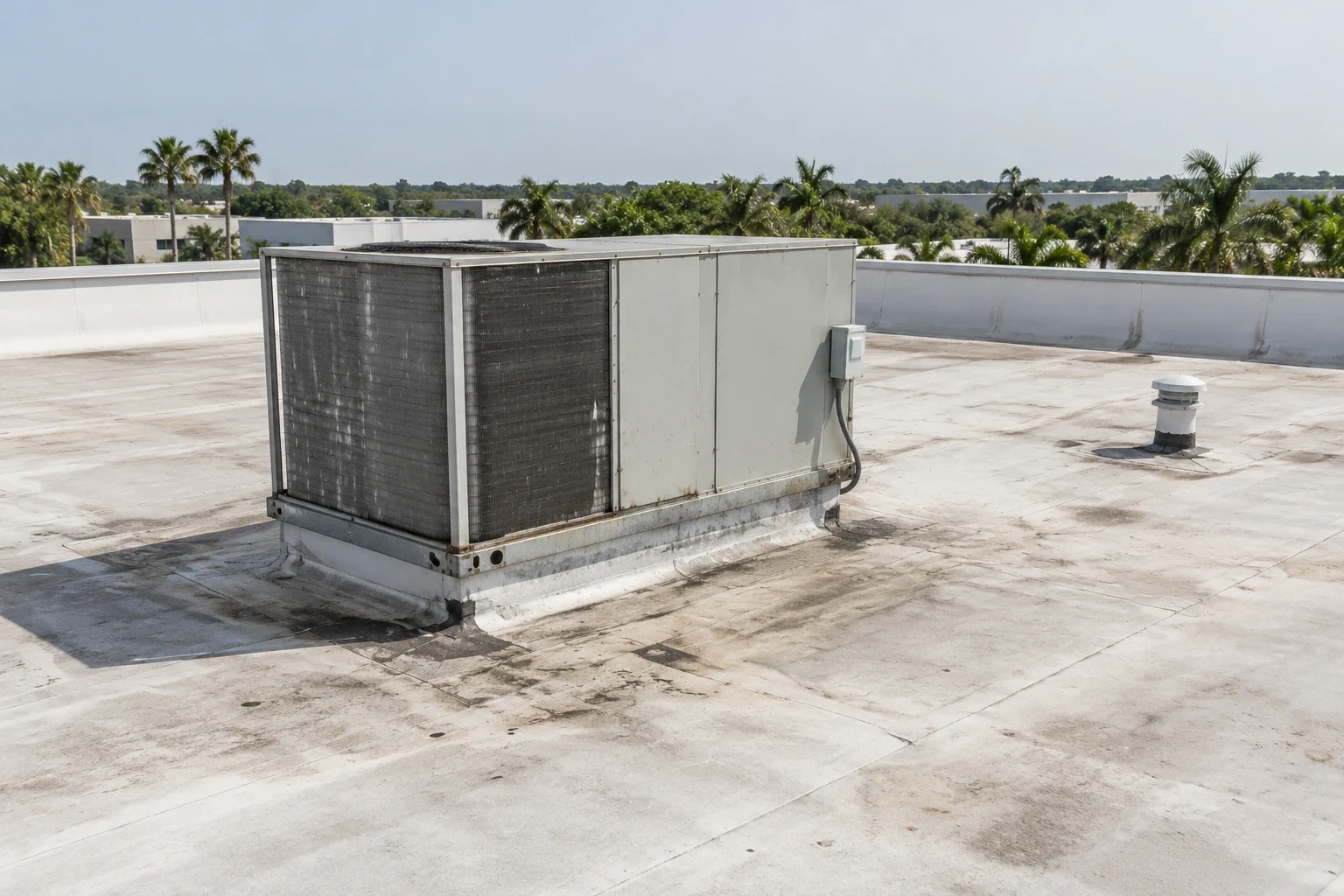
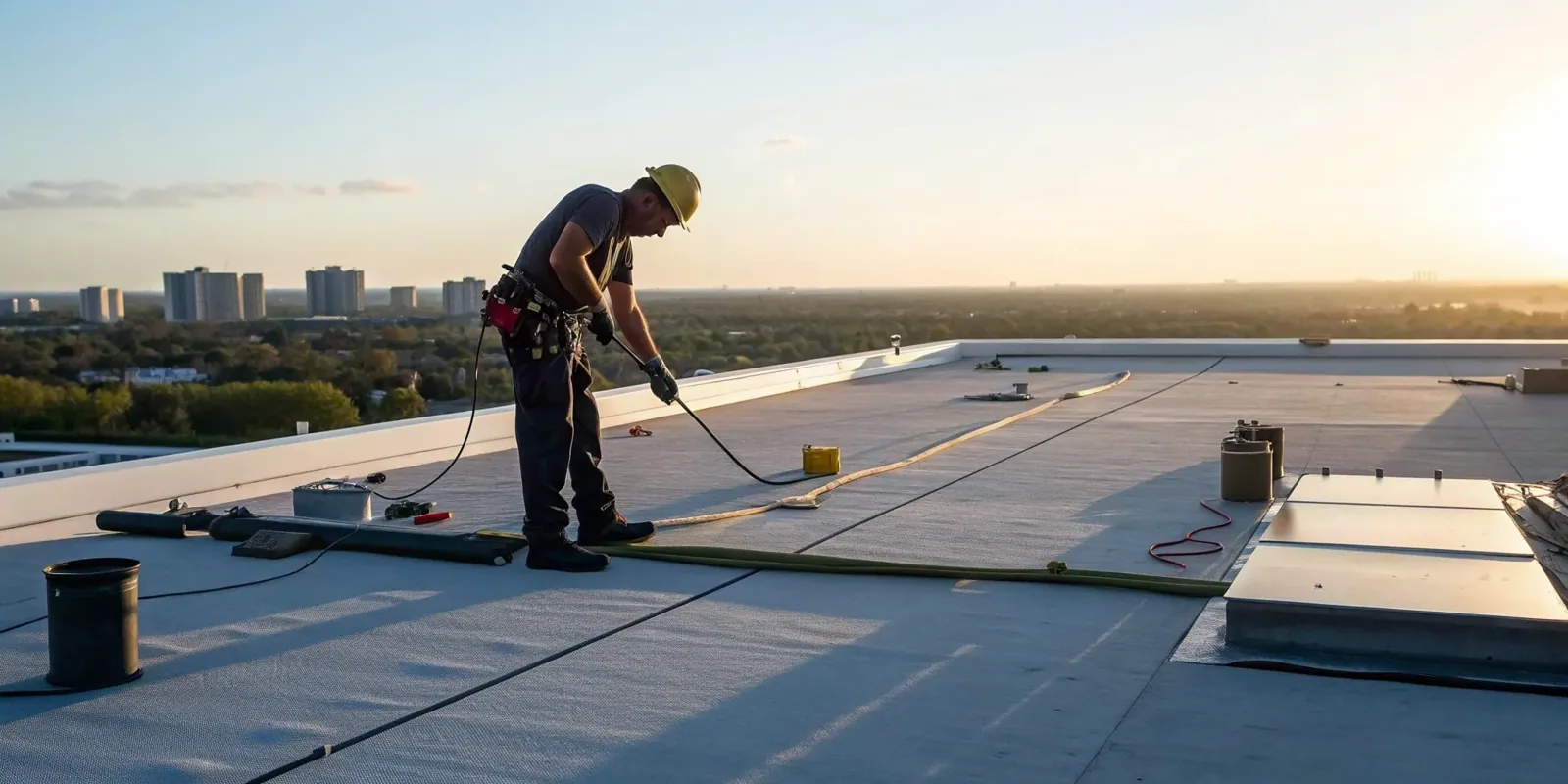
A useful hangar record connects the event date, roof map, door opening, panel runs, and interior report. Include photographs of seams, fasteners, flashings, drains, and repaired areas. Name the material and method used. Mark excluded roof zones, access limits, and any conditions that were not confirmed. Where aircraft or equipment restricted observation, say which surface could not be reached.
For recurring maintenance, compare new observations with the previous map. A dated condition report can track fastener movement, corrosion, ponding, and flashing changes over time. Schedule a follow-up roof visit after severe weather or major rooftop work. At Palm Bay Flex Business Park and the Airport Industrial Park, listings reflect local engineering and aviation-related activity, but each property's roof and operations must be confirmed directly.
Learn more →
Learn more →
Learn more →
Learn more →
Learn more →

Learn more →
Learn more →
Learn more →