A standing seam panel can remain in place while a clip or end detail has shifted beneath it. We record the reported event, inspect the panel field, seams, attachments visible at the edge, and transitions before describing a repair. Palm Bay has documented tropical-cyclone and severe-weather events. Those records frame inspection timing, but they do not prove that a specific metal roof moved. The site record shows which panels, fasteners, and flashings were checked.
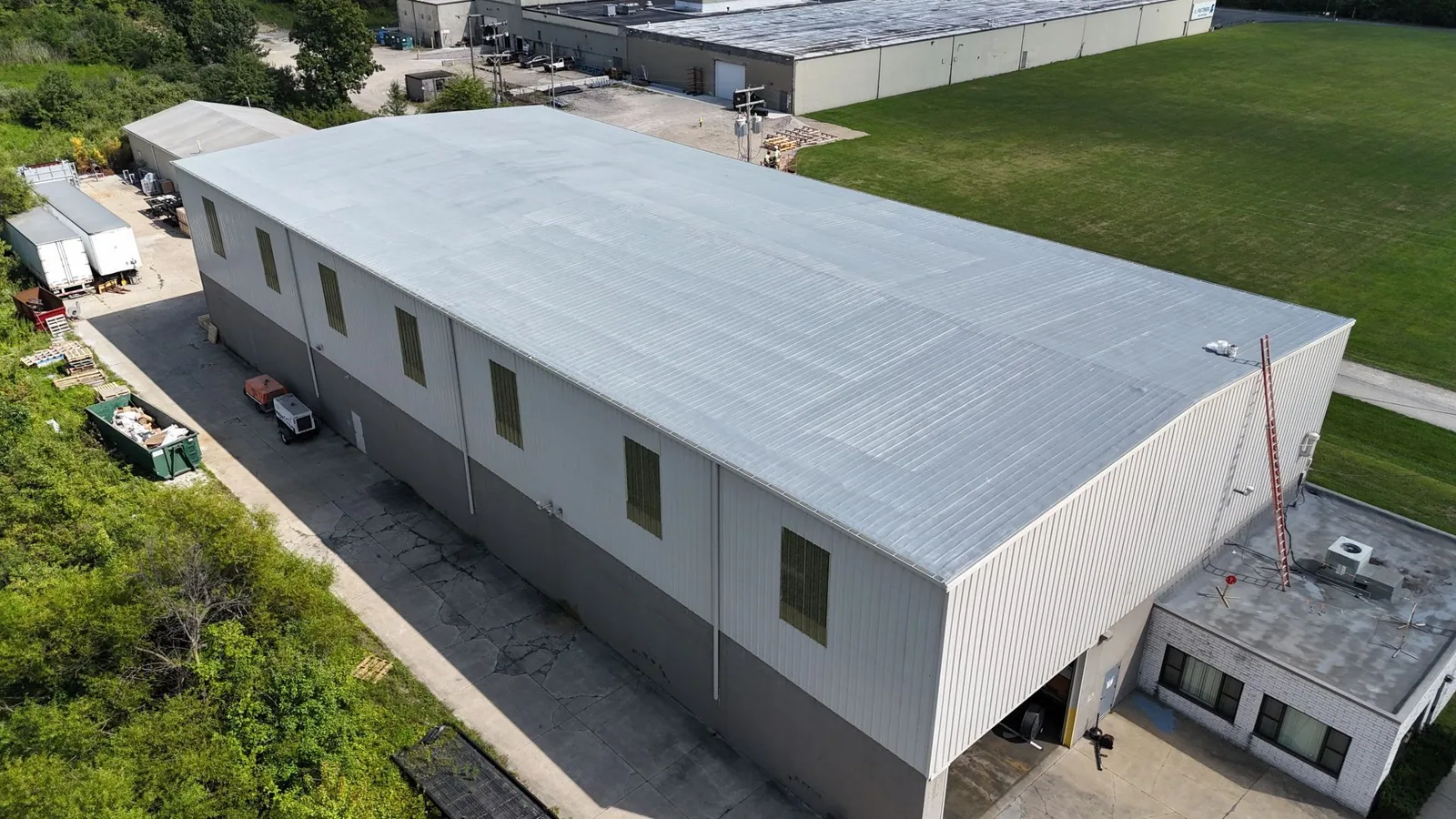
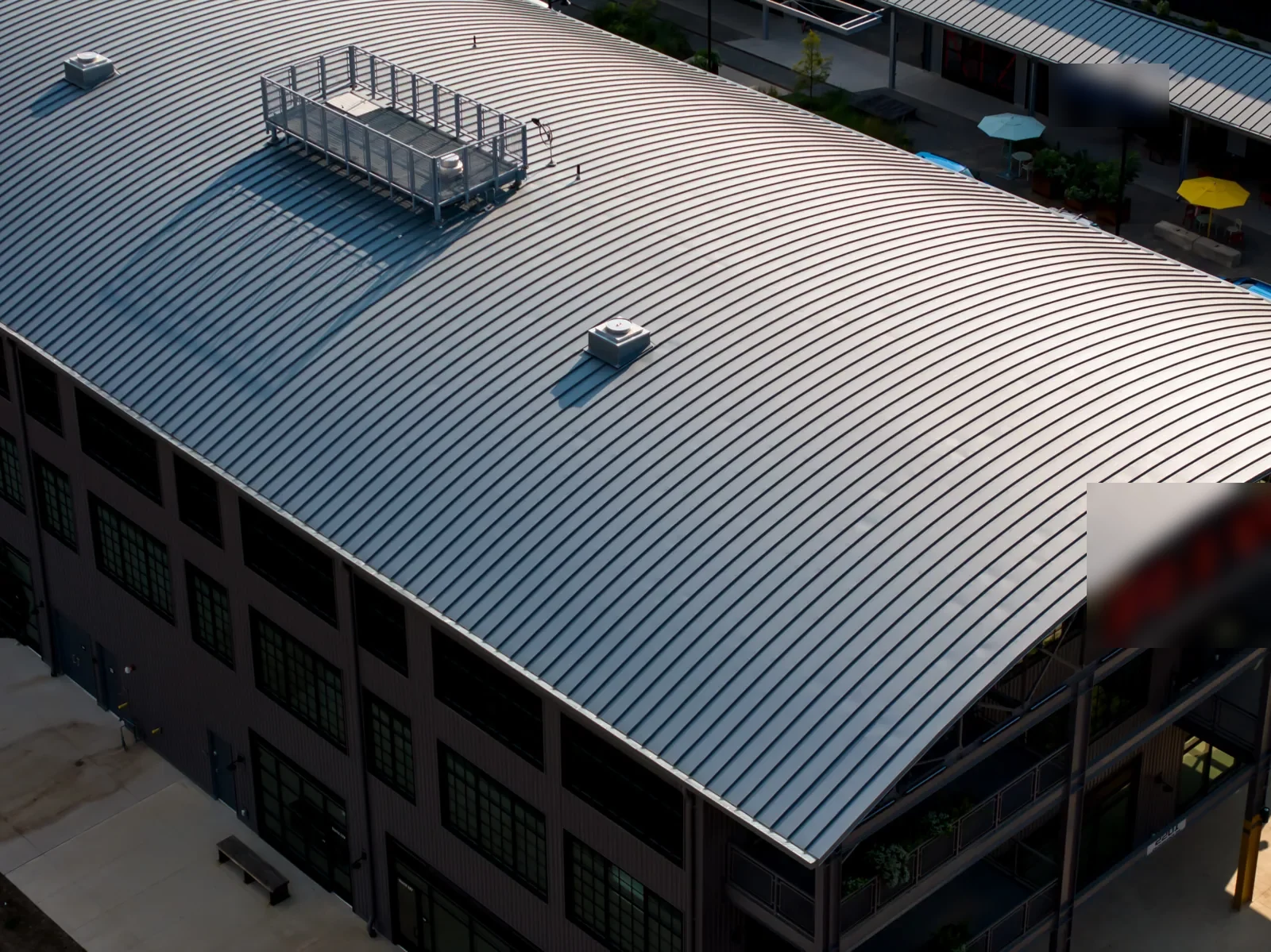
Standing seam systems use raised interlocking seams to join adjacent panels. Some systems allow panel movement at concealed clips as metal expands and contracts. We inspect seam closure, panel alignment, clip or fastener evidence at accessible points, oil canning, corrosion, and signs of binding. A bent seam can be a localized impact, a movement issue, or a broader attachment condition. Record the evidence before deciding which applies.
Wind reports should lead to an edge and corner inspection, not an assumption that all panels uplifted. Photograph the affected run and nearby areas. A roof inspection can document the metal assembly and access limits. A wind-damage review can focus on displacement, attachment, and edge condition after a reported event.
Panel profile, gauge, substrate, clip spacing, and fastener pattern affect repair approach. We identify details from drawings or field exposure where possible. If attachment is concealed, the report states that limit. A panel appearance alone does not establish clip condition beneath the seam.
Standing-seam panels expand and contract as temperatures change. A fixed point, sliding clip, or concealed fastener may respond differently depending on the panel system. Inspect for oil canning, buckling, clip distress, elongated slots, and seams that have separated from adjacent panels. Do not flatten a panel or lock a moving joint without identifying how it was designed to move. When drawings are available, compare the installed seam profile and clip spacing with the approved details. If a concealed attachment cannot be seen, record that limit and request further review before proposing replacement. Repair notes should distinguish cosmetic waviness from a detail that admits water.
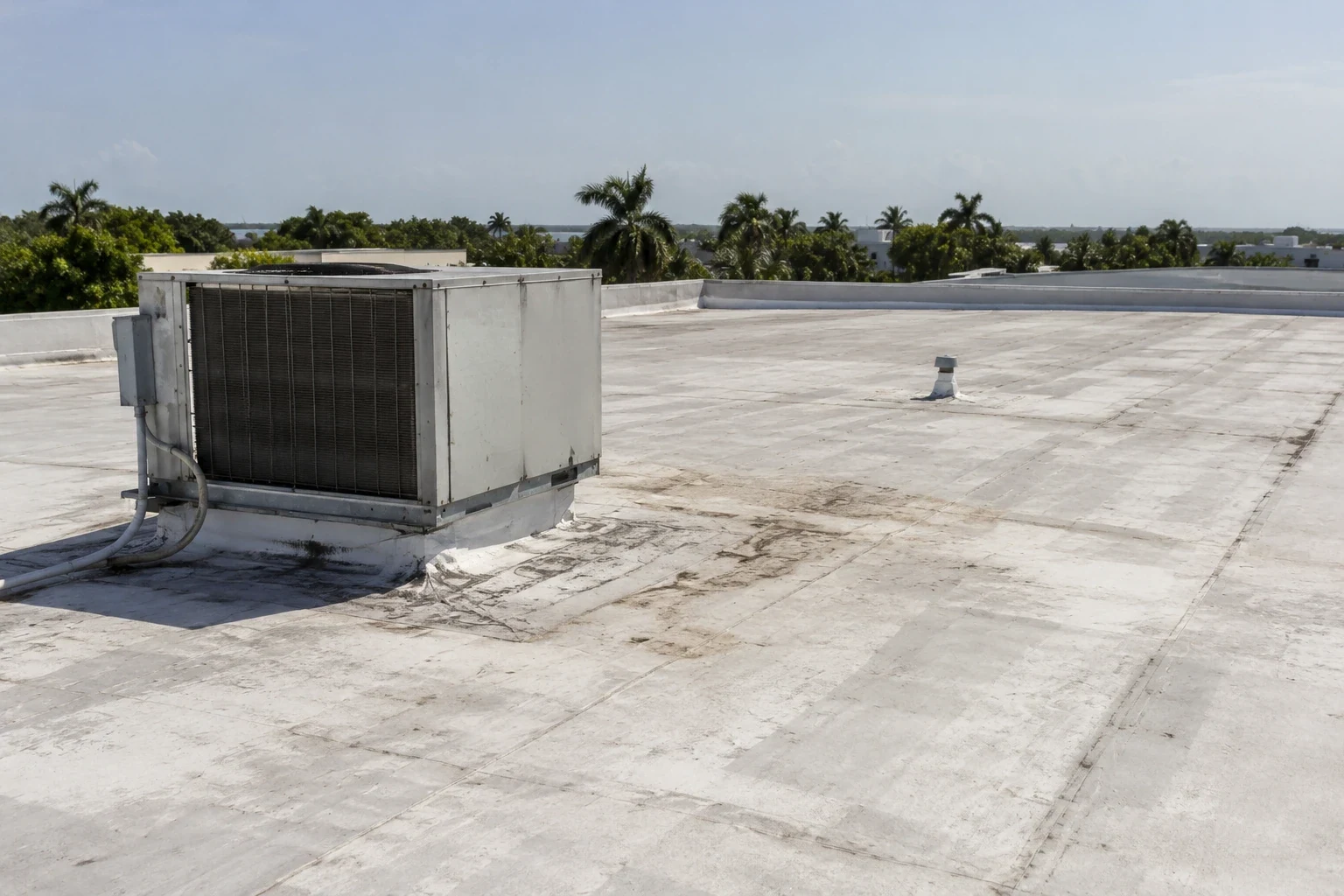
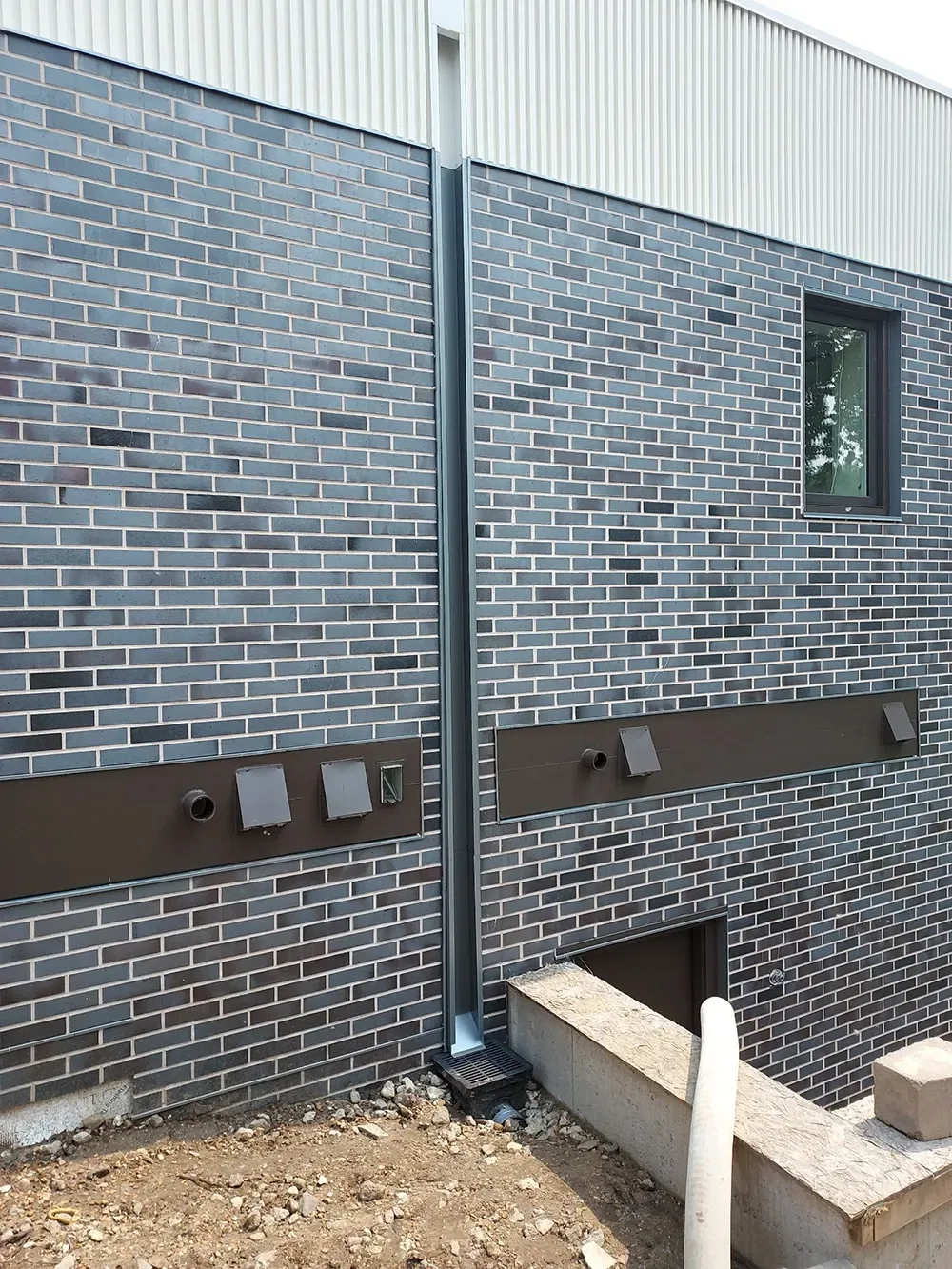
Leaks often begin where the metal roof meets another material. We inspect ridge caps, valleys, eaves, rake trim, gutters, parapets, curbs, and pipe boots. Fastener seals can crack or loosen. A ridge detail may also fail at a splice or termination. The report maps the opening and checks the nearest transitions.
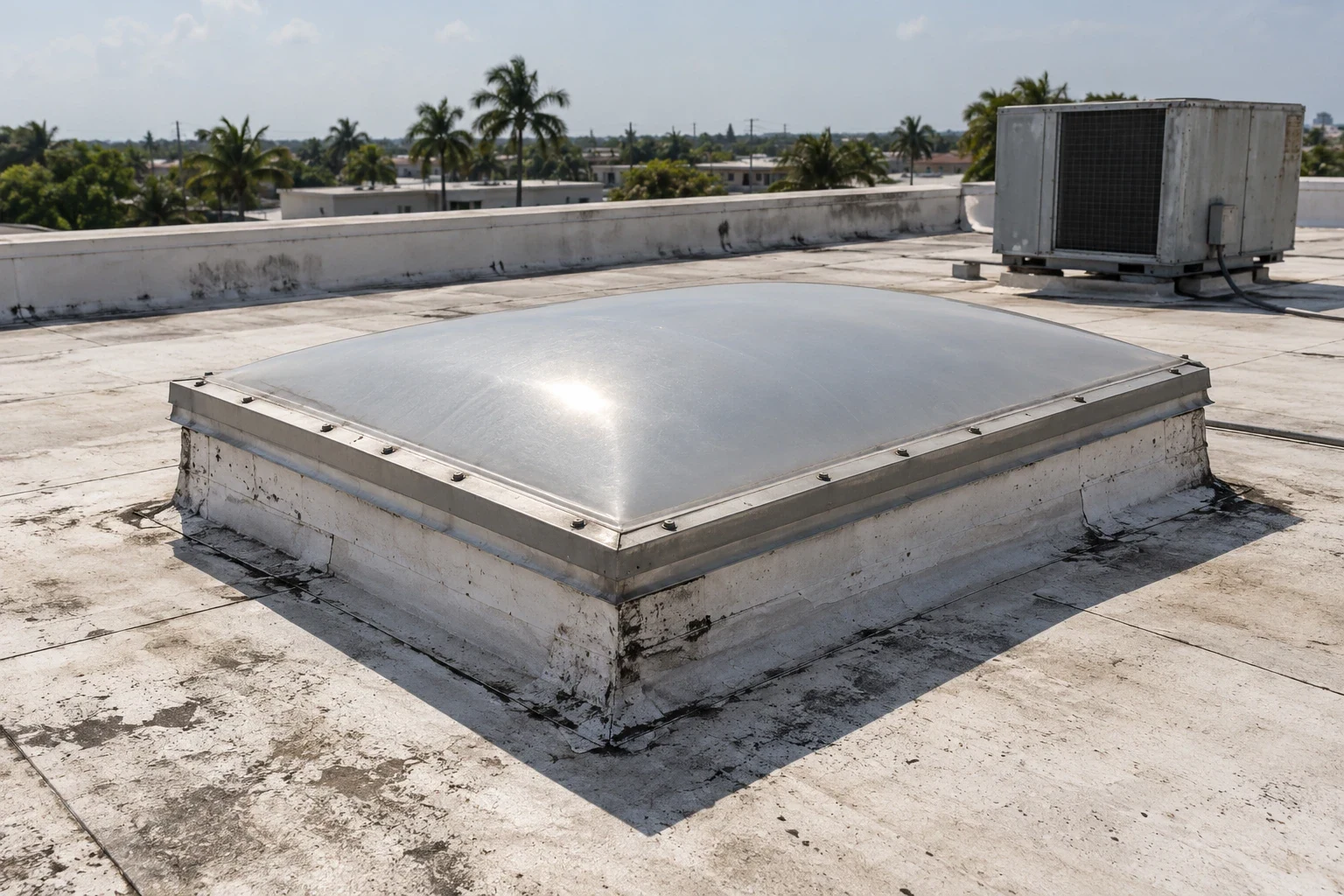
Penetrations require an assembly-specific curb or boot. Cutting a panel around a new pipe without a proper raised detail can create a persistent water path. A penetration inspection can document curbs and pipe openings. At the perimeter, a metal edge review can assess trim, coping, gutters, and discharge.
Standing water is uncommon on a properly drained sloped panel field, but valleys, gutters, and low transitions can collect debris. We inspect those points and trace overflow rather than attributing every interior stain to a panel seam. If gutter flow is restricted, record it separately from a failed roof joint.
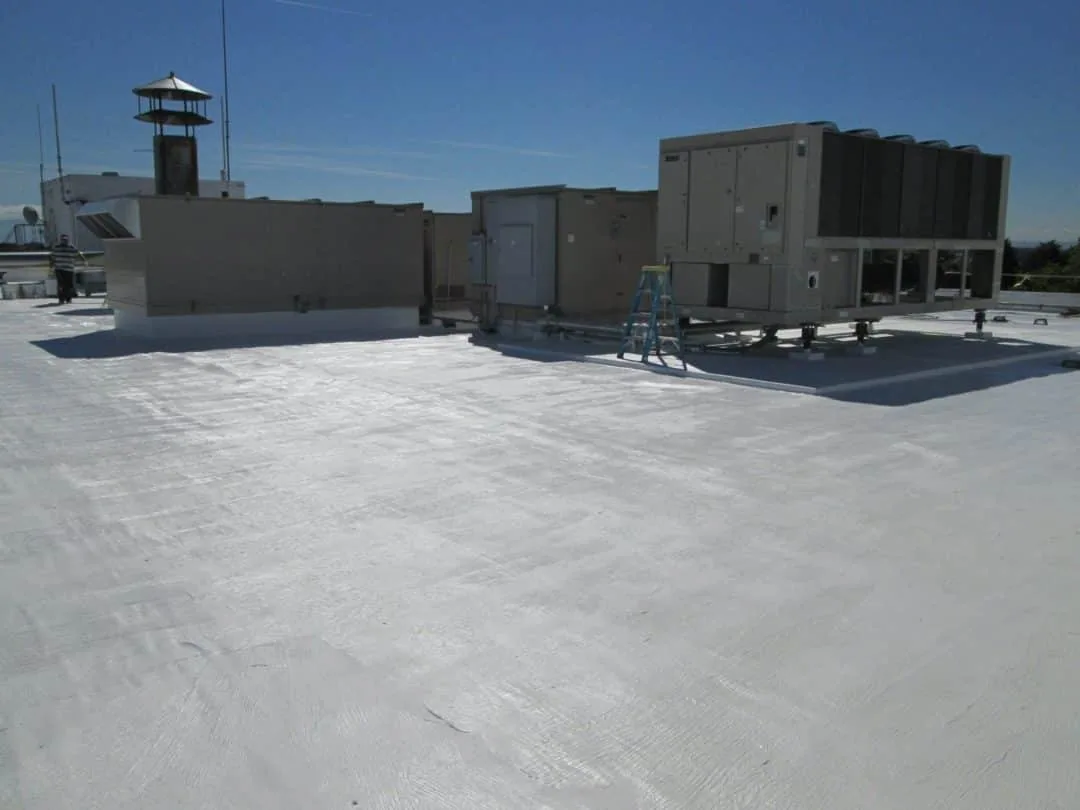
Metal coating, sealant, and exposed fasteners change with weather and service life. Set the inspection interval from the installed finish, prior repair history, and visible corrosion. Diligence Notes capture oxidation, loose sealant, and any area hidden from view; a calendar alone does not establish panel or clip condition.
Palm Bay Industrial Center has commercial industrial space on Clearmont Street NE. Coordinate deliveries and equipment with the property contact; its commercial use does not establish a standing seam roof. We confirm material and access with the property contact. A nearby business function is not a substitute for an assembly record.
Wind and rain can reach separate parts of a roof detail. An intact panel may sit beside a failed penetration boot. The inspection follows each report and records observed damage separately from expected weather exposure. If test removal is needed, identify the panel and restore it under the approved scope.
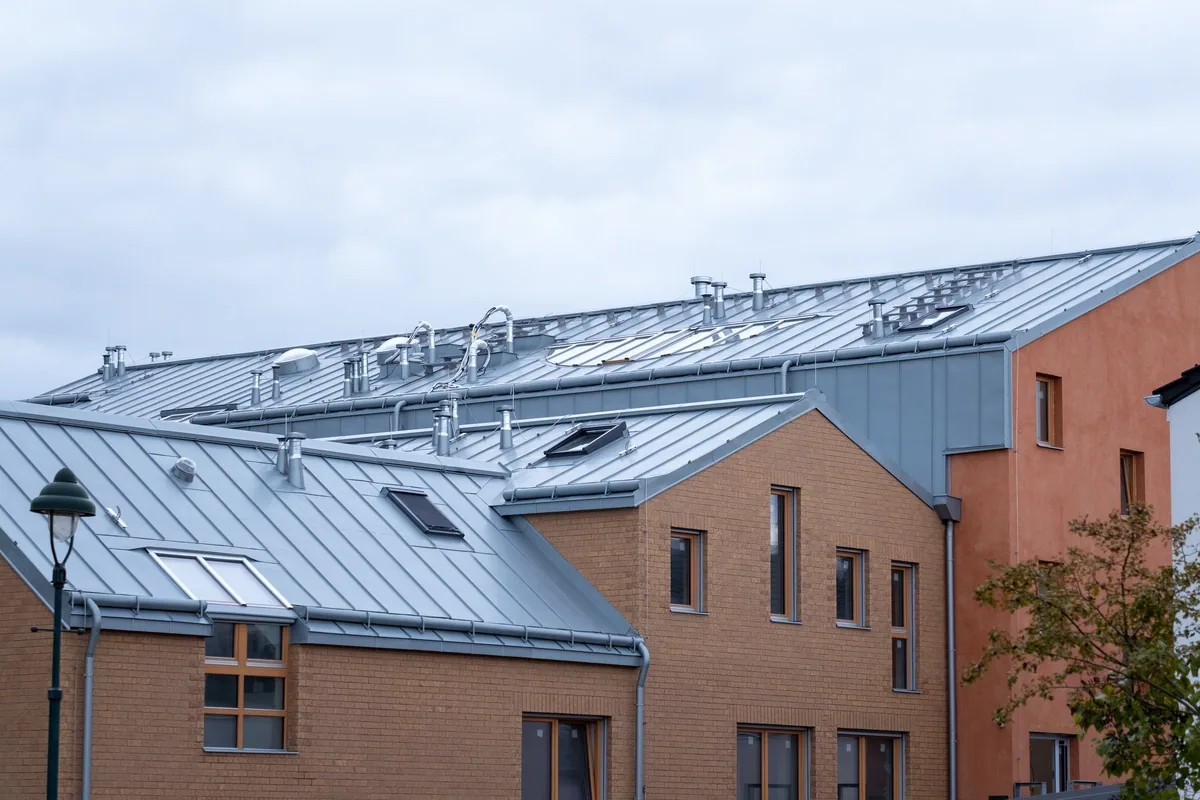
A limited repair may involve replacing a damaged panel, resetting a clip, correcting a ridge cap, renewing a boot, or sealing a compatible lap. The scope names material, profile, attachment, affected length, and work boundary. Repairs should not lock panels in a way that prevents designed movement. If the substrate or clip layout is unclear, confirm it before fastening new metal.
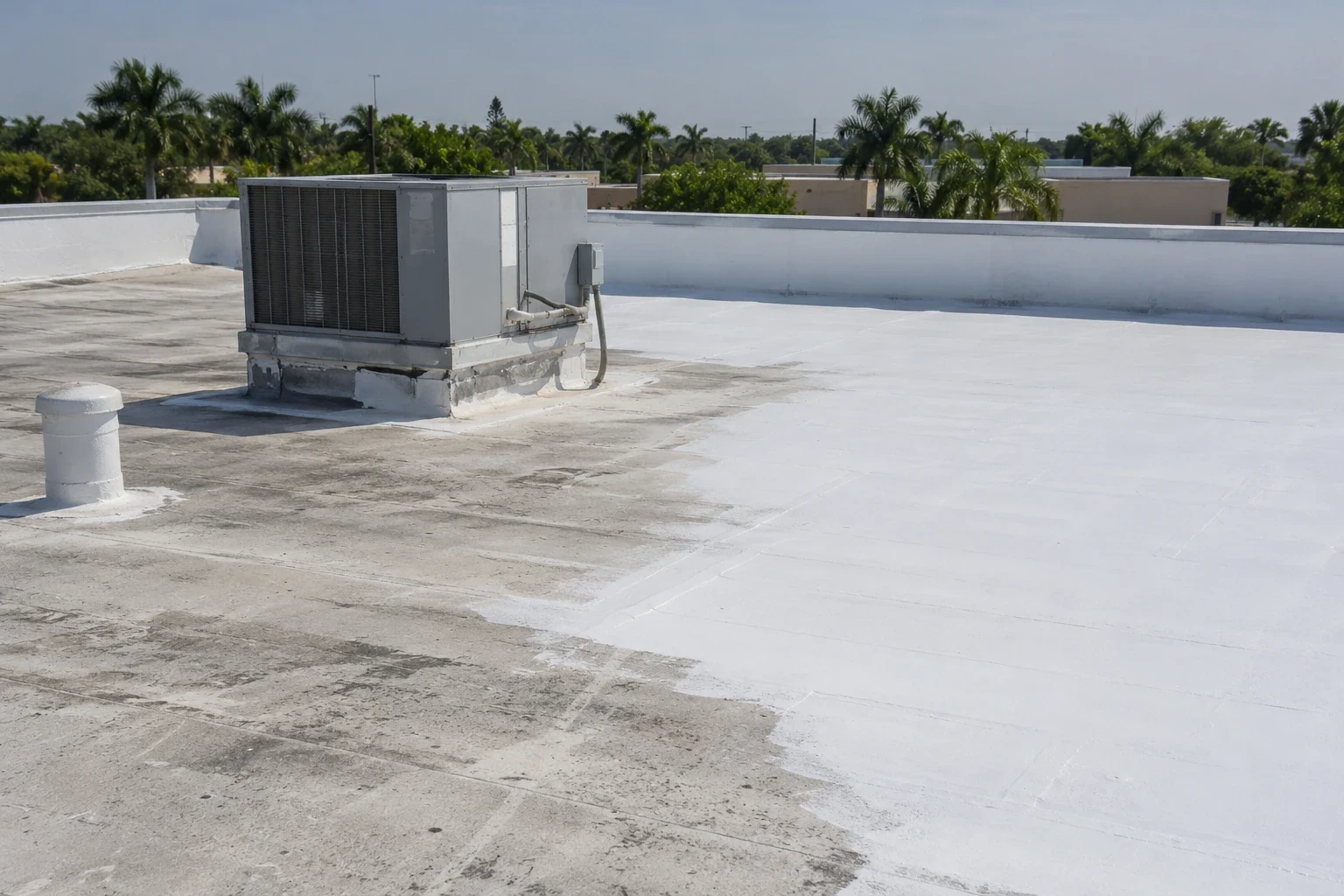
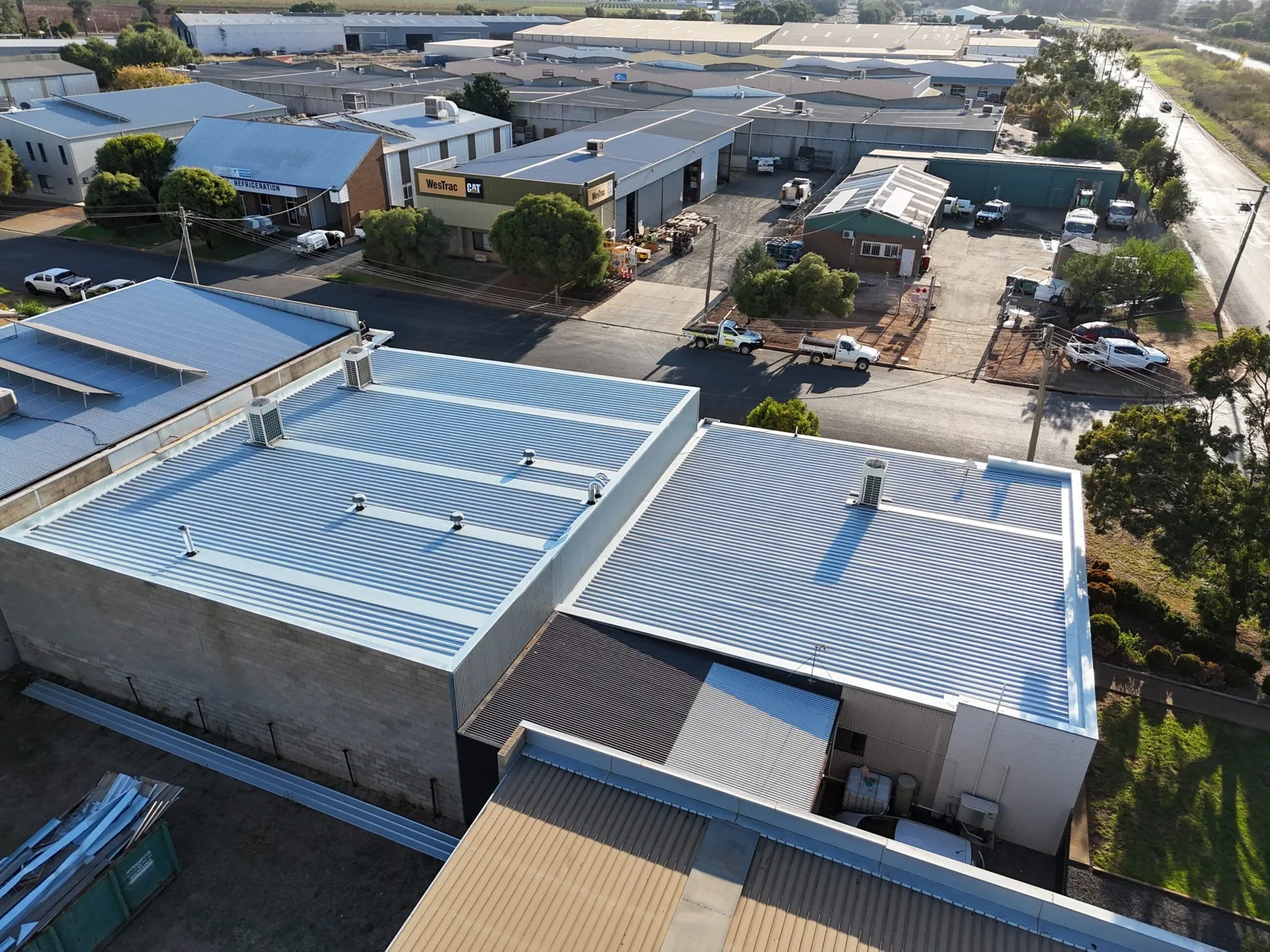
Exposed-fastener panels need a different review from concealed-fastener standing seam. A metal roof retrofit can assess whether a retrofit system is feasible over an existing assembly. For an eligible panel roof, a silicone coating system may be considered after checking surface condition, seams, and movement. Coating cannot secure loose panels or correct failed clips. When corrosion or repeated leaks span multiple panels, compare a larger replacement scope against repeated spot work.
Work timing can depend on panel availability, fabrication, lifts, weather, and tenant access. Measure the profile and confirm finish before ordering. Temporary covers protect an opening while replacement metal is prepared; they remain separate from permanent closeout.
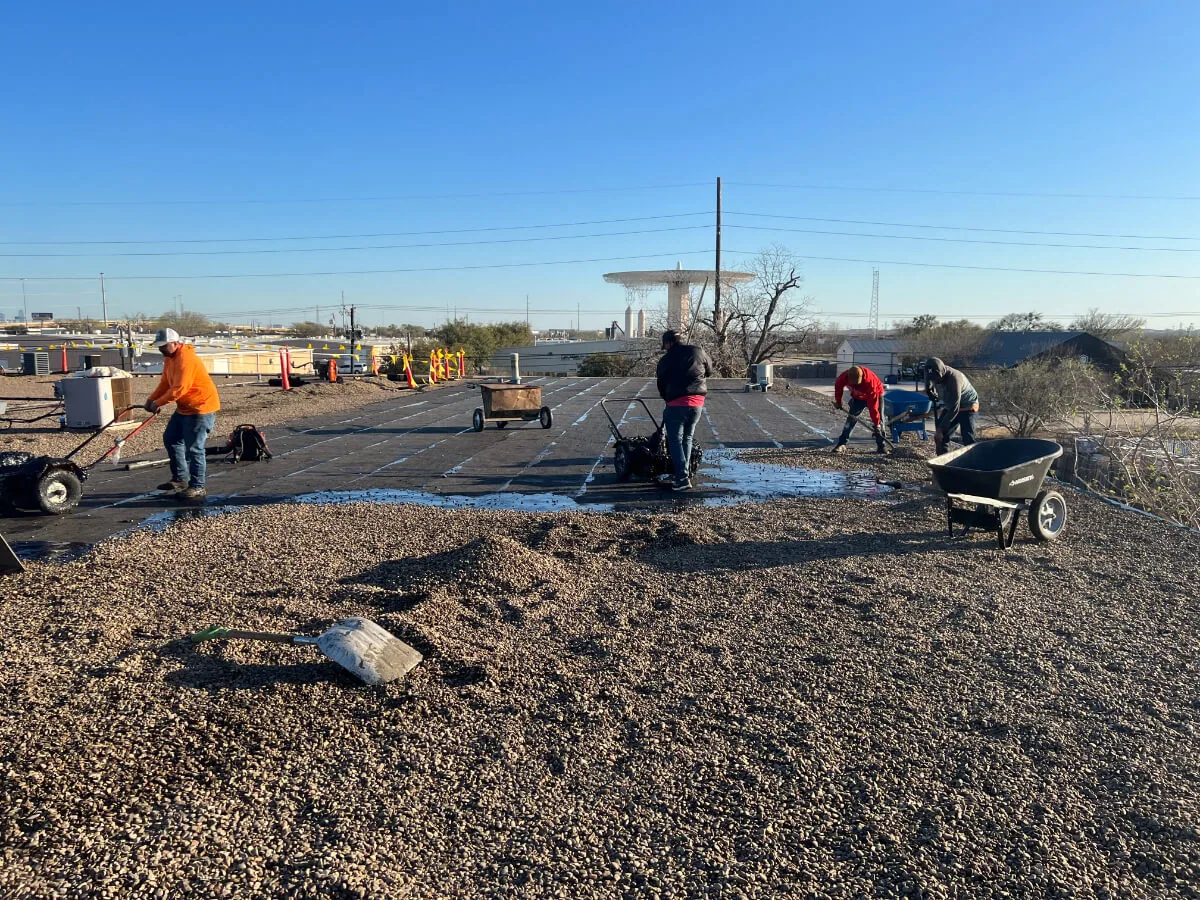
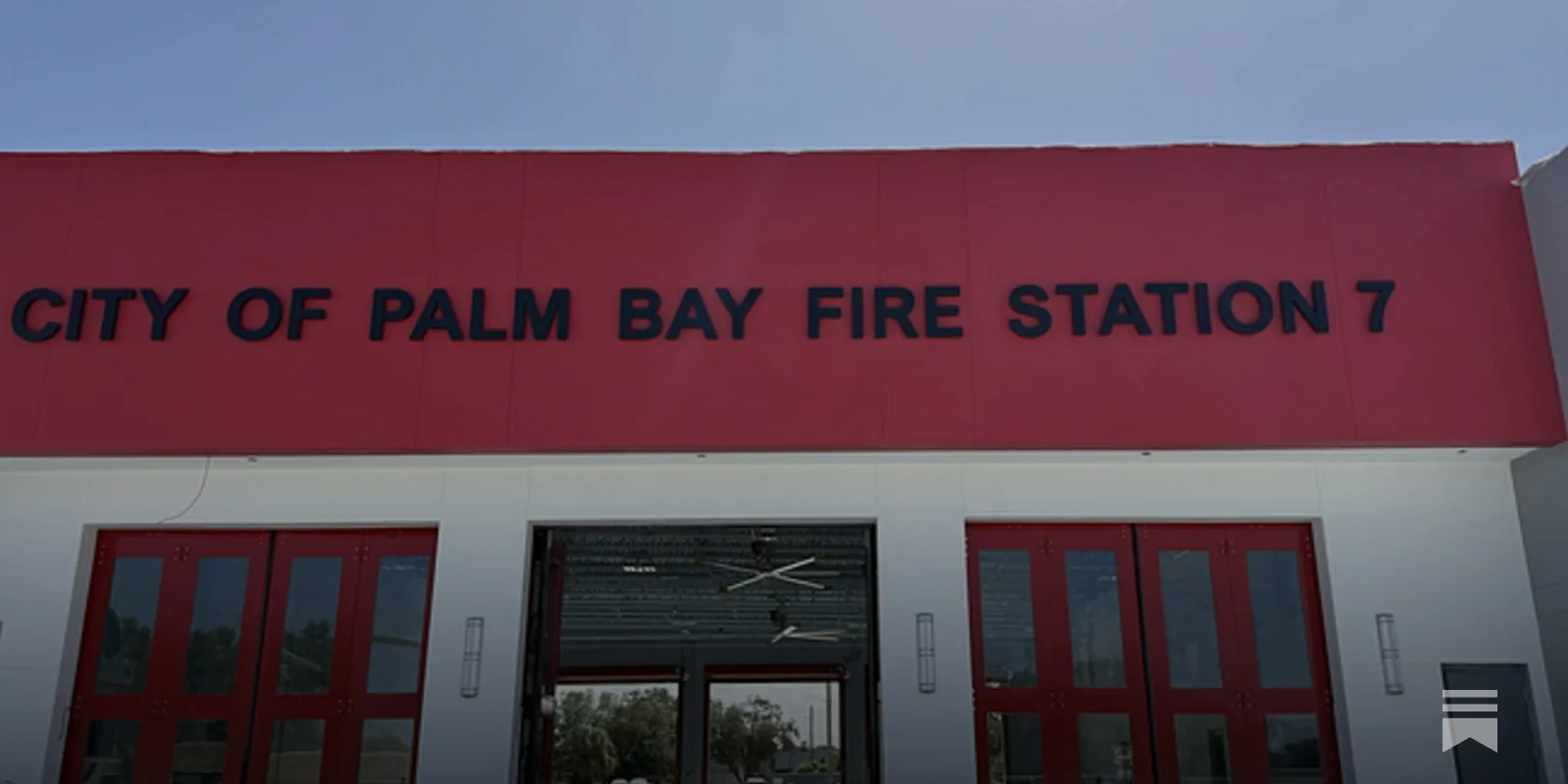
At Palm Bay Station, confirm lift placement and pedestrian separation with the property contact before work. The retail setting gives a useful access example; it does not identify the site's roof assembly.
Learn more →
Learn more →
Learn more →
Learn more →
Learn more →
Learn more →
Learn more →
Learn more →