A loose coping joint or displaced edge can open a path for wind-driven rain. The report begins with the location and attachment condition, not a broad statement that the whole perimeter failed. Palm Bay has documented surveys for Hurricanes Irma and Ian. Those regional events make edge inspection relevant, but they do not confirm damage at a particular roof. We record the event date as reported, photograph the metal, check accessible attachment points, and map the repair boundary by roof zone.
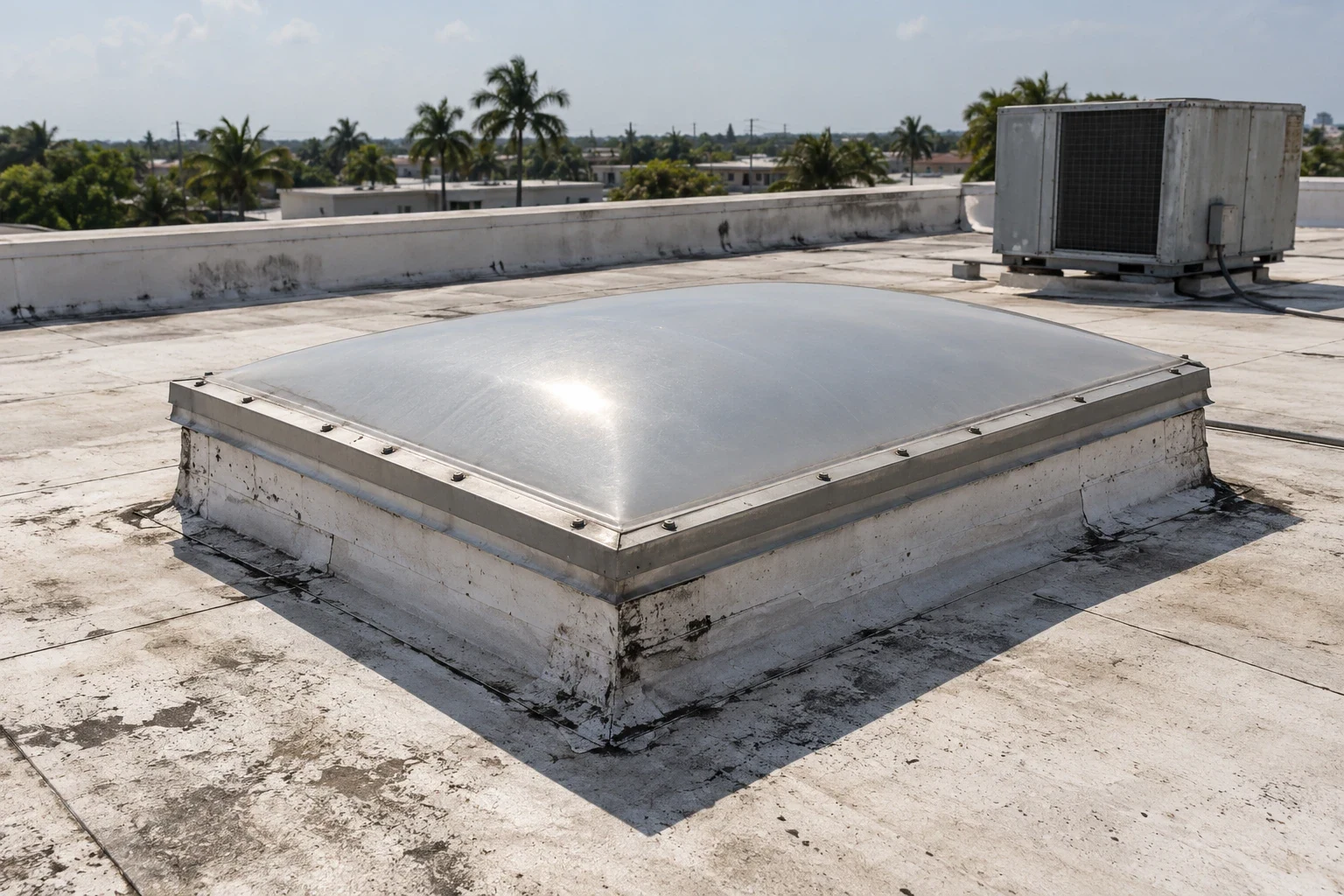
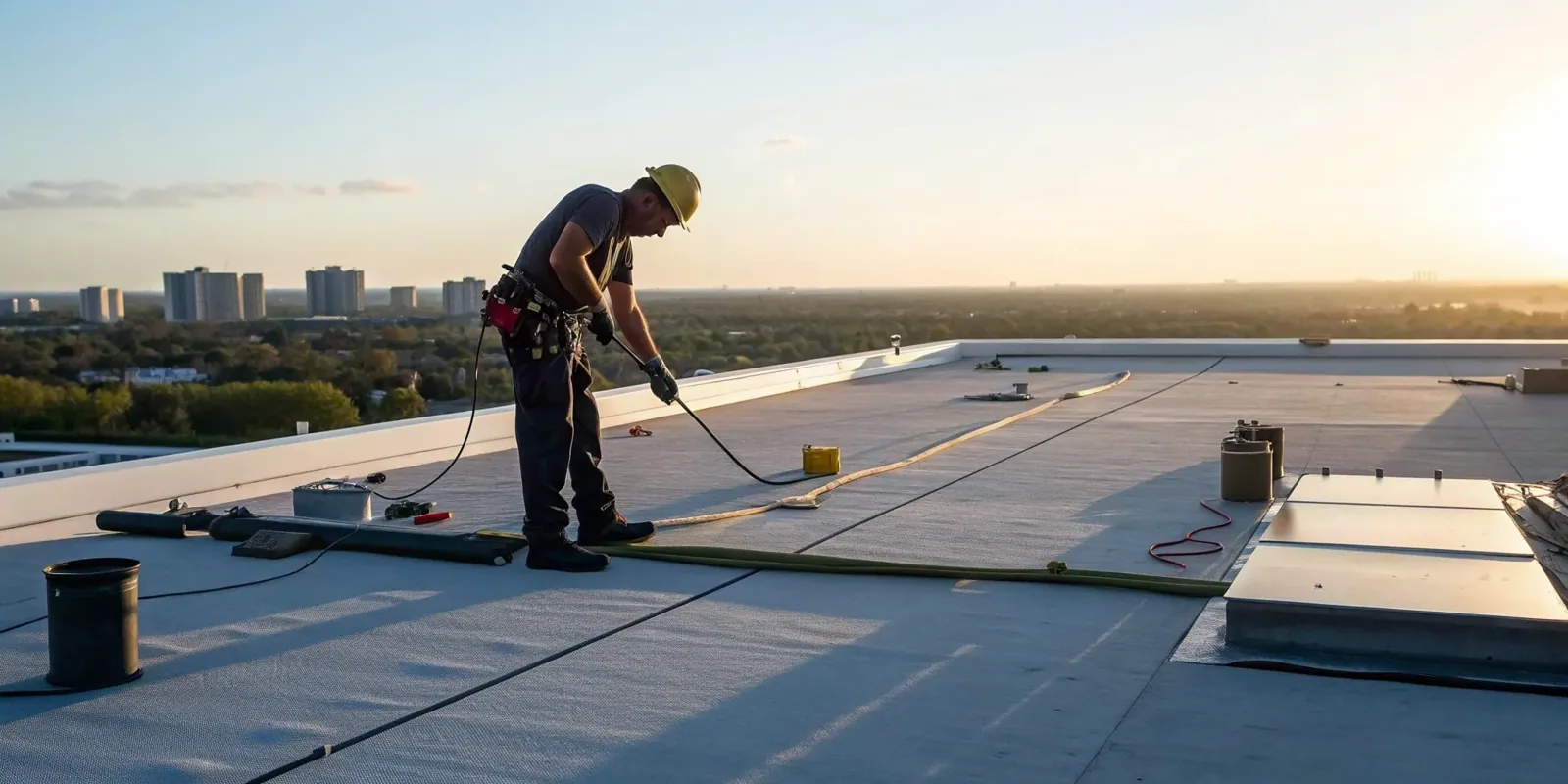
We inspect edge metal, fascia, gravel stop, coping, cleats, fasteners, splice plates, corners, and terminations. The crew looks for movement, open joints, corrosion, missing parts, sealant separation, and membrane pullback. Photographs include context and a close view. Where the assembly hides attachment, the report identifies that limit rather than assuming the fasteners are sound.
Wind pressure can concentrate at corners and roof edges. A lifted piece may be isolated, or it may signal a longer section with loose attachment. We check adjoining runs and transitions before setting a repair boundary. A wind-damage inspection can document the event-related conditions. If a seam or lap has opened, a flashing repair review can identify the membrane and metal work needed to close the path.
Material selection must fit the roof assembly and edge detail. A replacement cap, cleat, or termination cannot be chosen from appearance alone. We note the existing configuration and what must be exposed to confirm the fastening method. Any test opening or removal for access is recorded with its own location and restoration step.
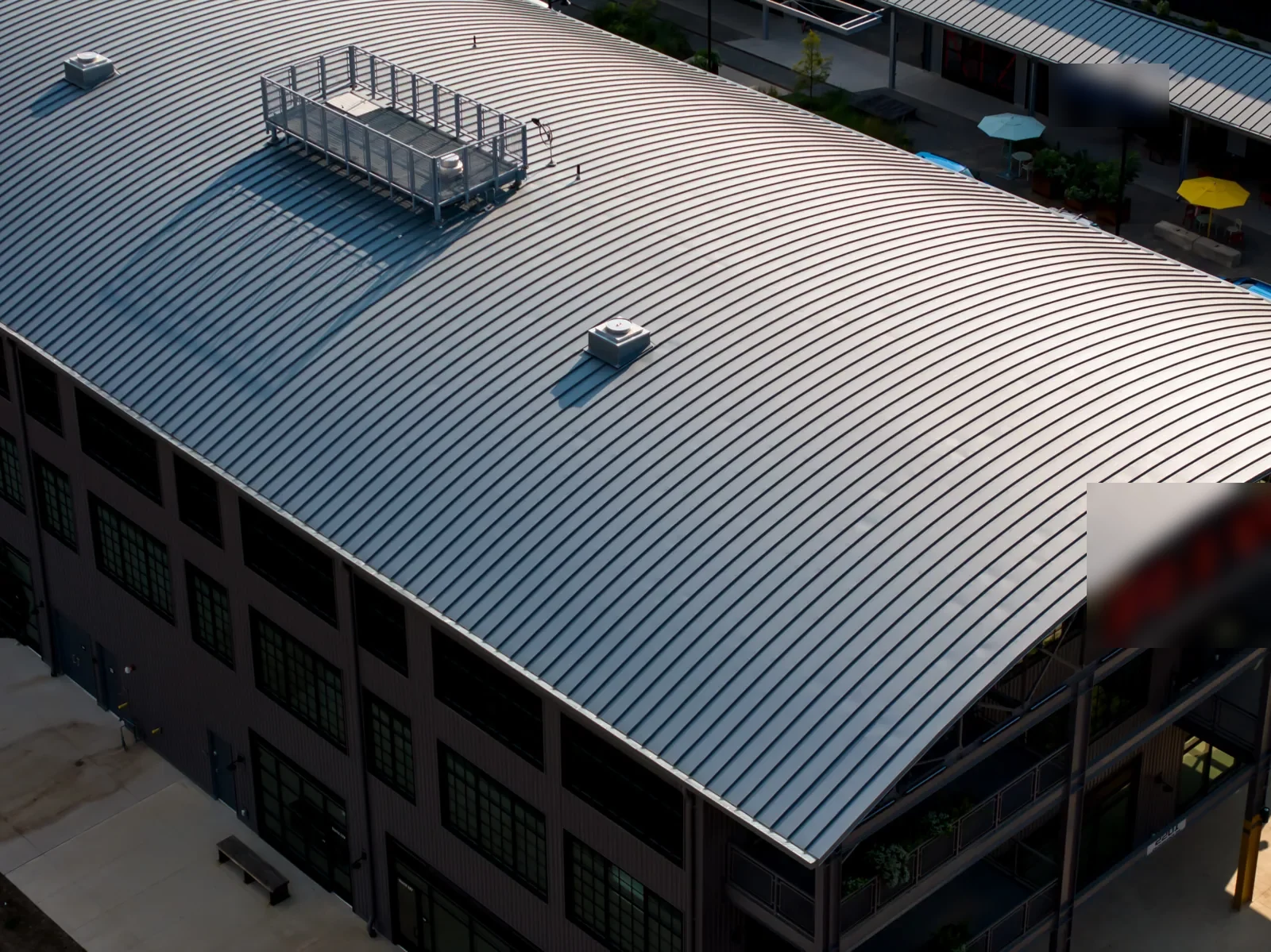
Coping protects a parapet top and connects roof conditions to the wall assembly. We inspect joints, corners, splice plates, end dams, sealant, and the lower roof-side transition. Water marks on a wall can relate to coping, flashing, or wall openings. The field report follows visible evidence and does not assign cause from an interior stain alone.
Where the parapet meets the membrane, the termination height and attachment need to remain secure. We look for open seams, punctures, loose counterflashing, and incompatible prior patches. If water moves behind a wall finish, the roof-level observation may not show the concealed route. We identify the limit and recommend a test opening or coordination with the wall contractor when needed.
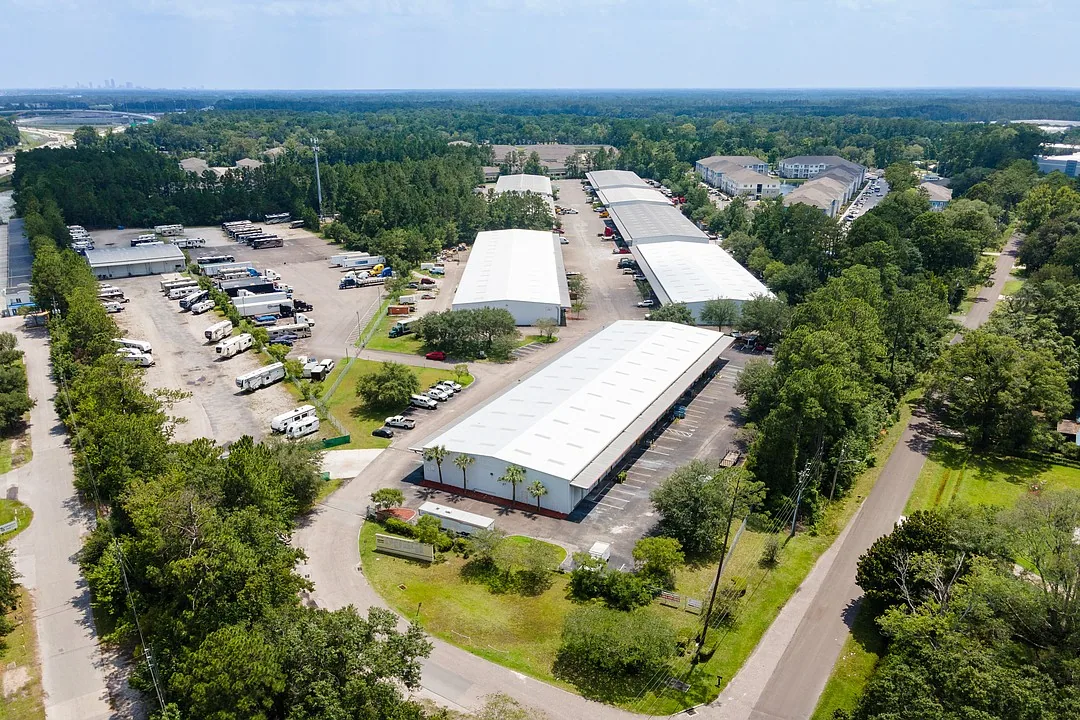
Port Malabar Industrial Park has a mix of industrial, office, retail, and other commercial listings. That building variety can involve different parapet heights and edge designs, so each property needs its own detail review. The inspection identifies the roof type and condition at the industrial address. We document the actual edge profile and access conditions on site.
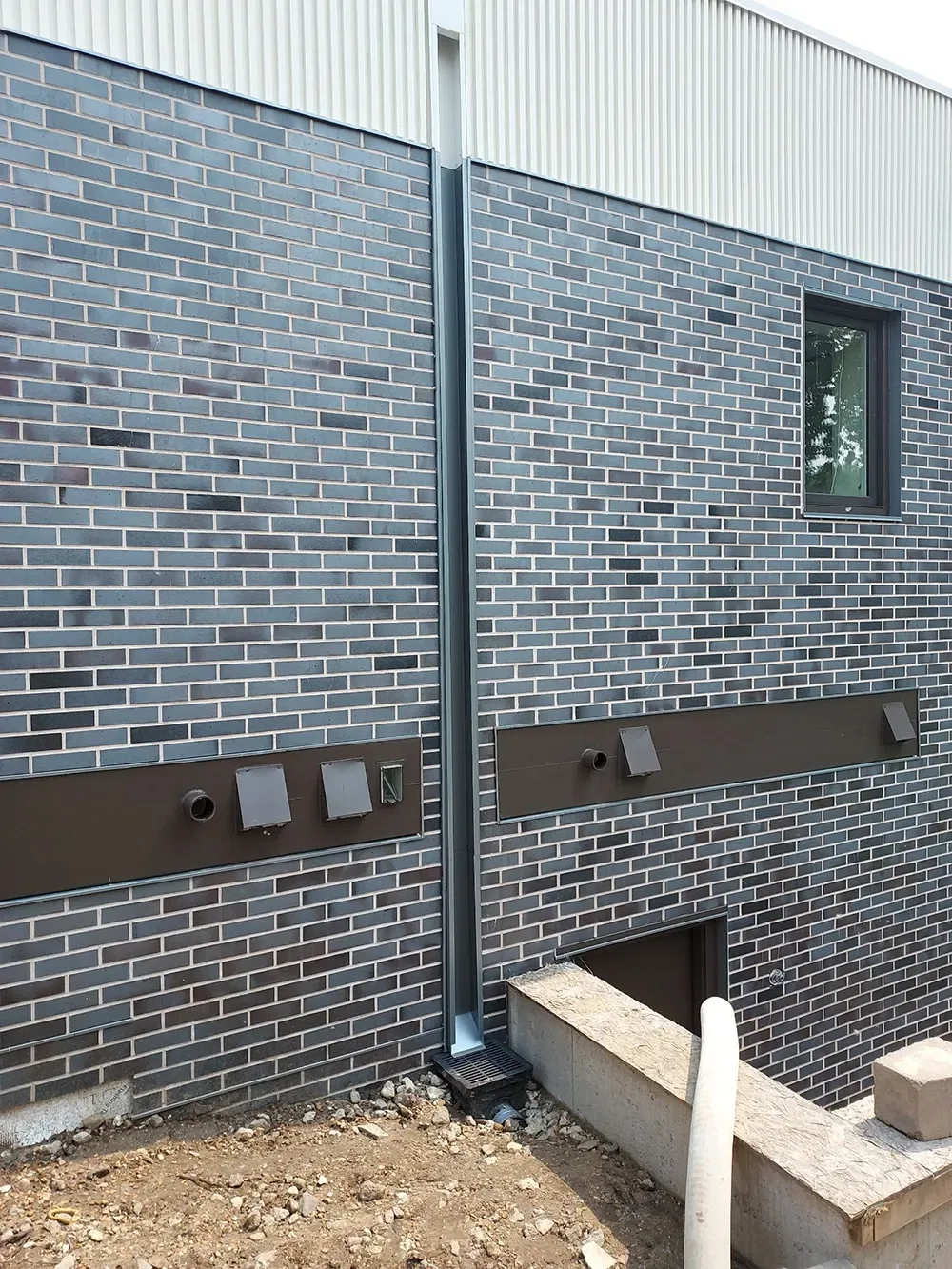
At gutters, we check hangers, seams, end caps, outlets, downspout connections, and visible discharge. Debris or a separated joint may be a maintenance issue. A deformed gutter, poor pitch, or disconnected downspout can affect flow and send water toward the building. We record the point where runoff stops or spills when conditions allow observation.
Roof drainage components need to work together. A roof edge repair should not block a scupper or overflow route. If water remains on the roof, inspect the outlet and low area as a separate condition. A drain and scupper review can map those components. Where recurring debris or loose parts appear, a maintenance schedule can set follow-up checks and preserve a dated record.
Ground-level access matters. Downspout discharge may reach walkways, loading areas, landscaping, or tenant entrances. We coordinate ladder placement, pedestrian protection, and delivery routes with the site contact. Work at Port Malabar Industrial Park may involve active industrial and commercial spaces; site access and staging must be confirmed for the specific property.
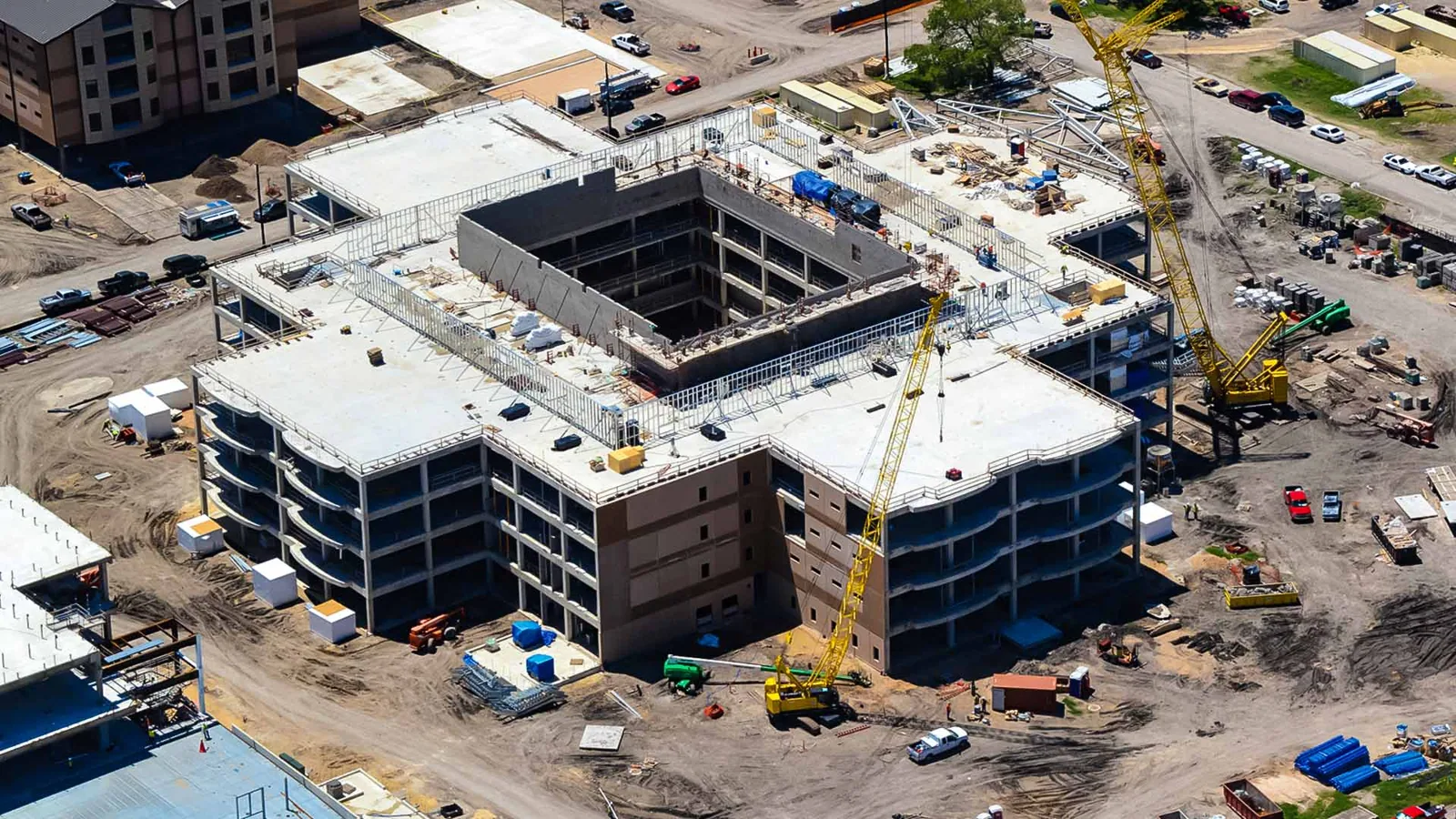
A repair scope identifies the metal component, profile, material, finish where known, attachment method, length or count basis, and connection to the roof membrane. If concealed substrate or deck condition could change the work, that is stated before metal is removed. The proposal separates temporary weather protection from permanent replacement.
Small sections may be repairable when adjoining metal and attachment remain sound. Corrosion, repeated movement, or widespread separation can justify replacing a longer run. We photograph exposed conditions before closing the detail. A commercial roof repair scope can include compatible membrane tie-ins. If edge deterioration follows a larger system failure, a replacement evaluation can compare the perimeter findings with field and flashing conditions.
Before installation, confirm substrate, cleat spacing, joint treatment, corner construction, and transition to the wall or roof membrane. The completed edge should allow the connected drainage system to function. We record any section omitted because safe access, weather, or adjacent construction limited the work.
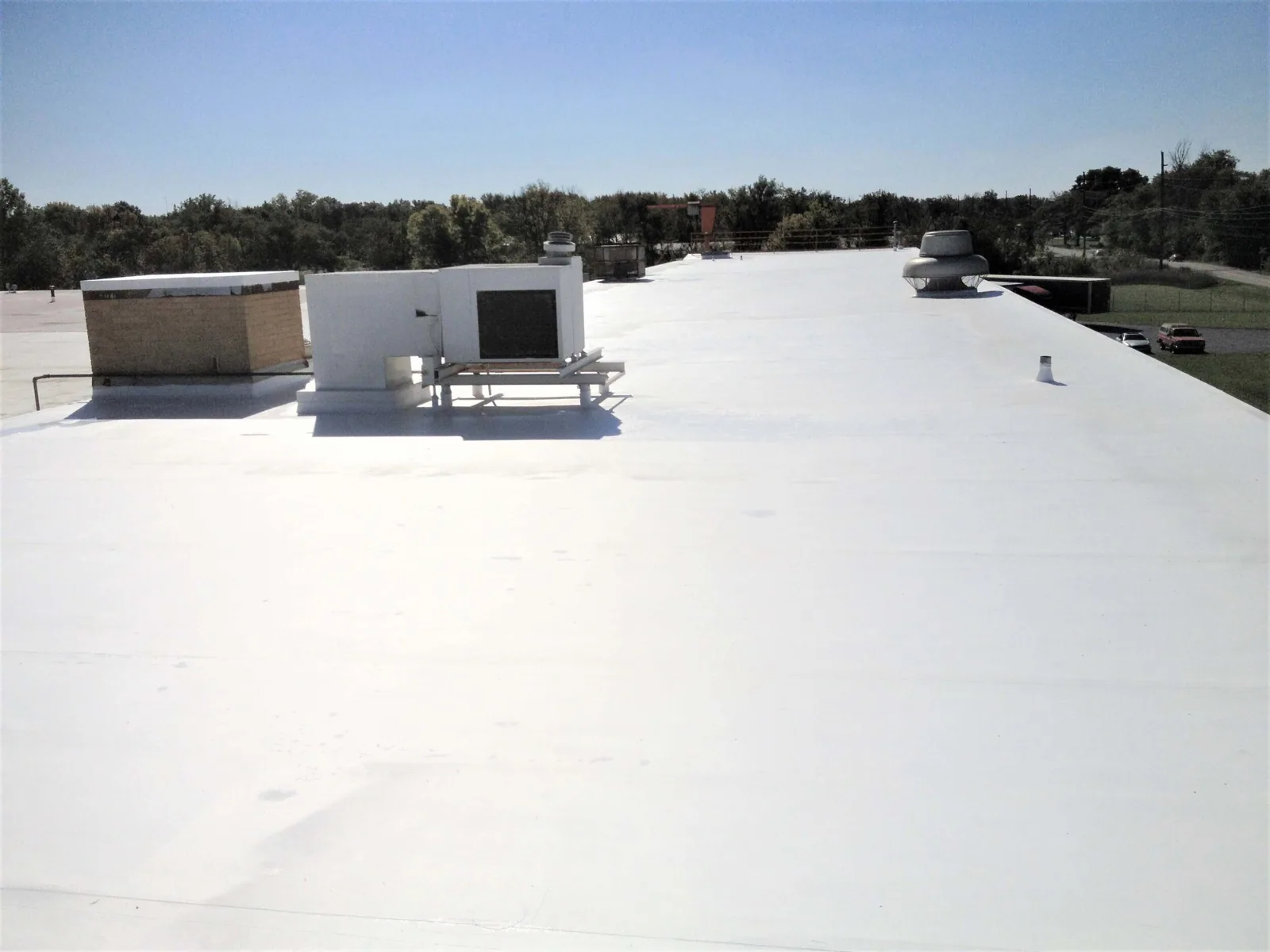
Closeout photographs show representative straight runs, corners, joints, transitions, and completed repairs. The record names the roof zone, material installed, repair boundary, and any concealed condition that remains unresolved. A condition report can retain these findings alongside earlier inspection photographs.
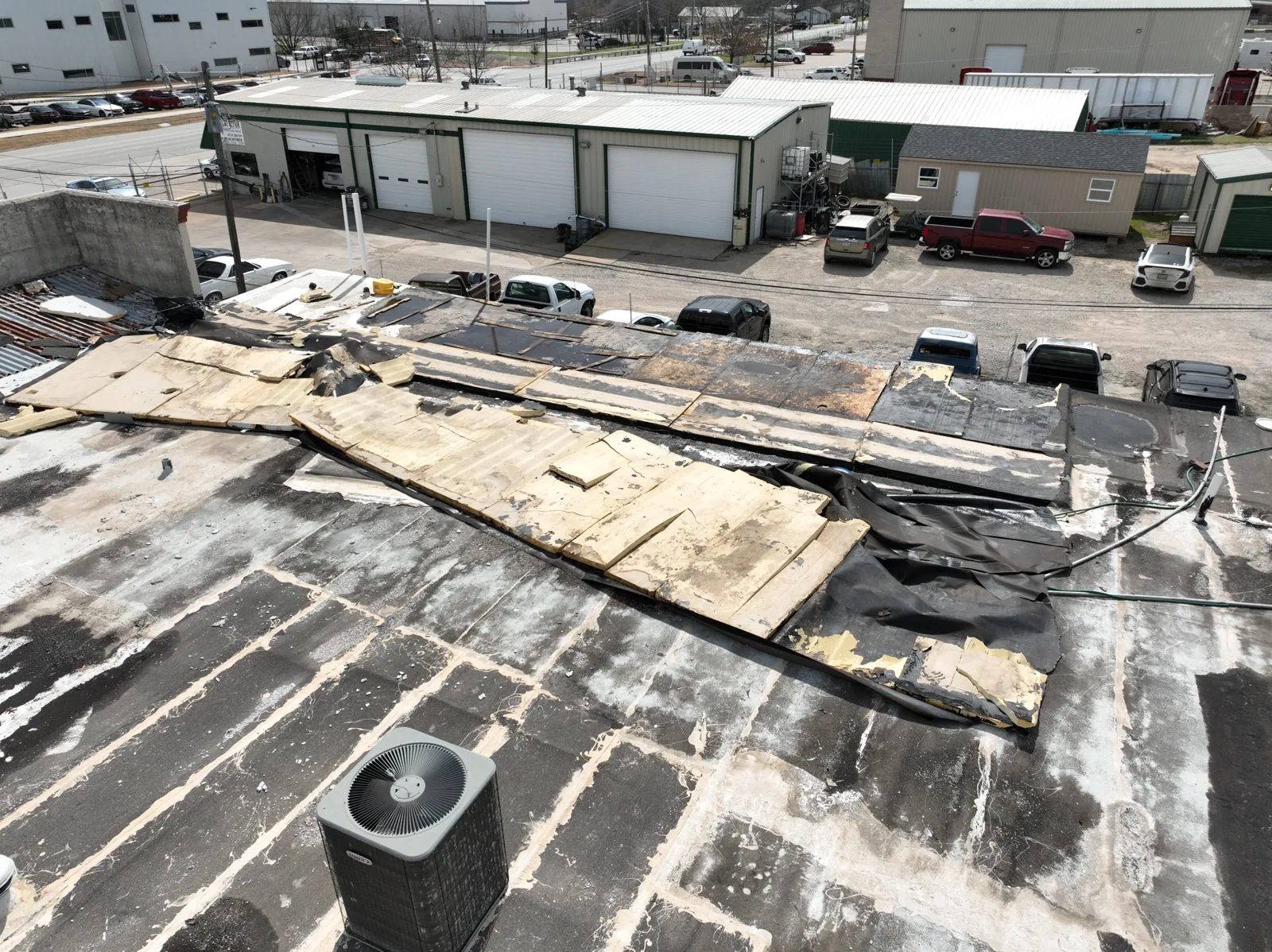
Palm Bay gauges measured more than ten inches of rain at several points during Hurricane Irma. An edge inspection documents conditions at the building under review. If work follows a storm report, we preserve the event date and physical observations as separate entries. A follow-up inspection after wind or heavy rain can check the repaired edge, nearby seams, and discharge path.
Florida's 2023 Building Code took effect statewide on December 31, 2023. Permitted edge alterations should be reviewed under the requirements that apply to the project. The field closeout records installed work and observations. It does not replace design review or required approvals.
Learn more →
Learn more →
Learn more →
Learn more →
Learn more →
Learn more →
Learn more →
Learn more →