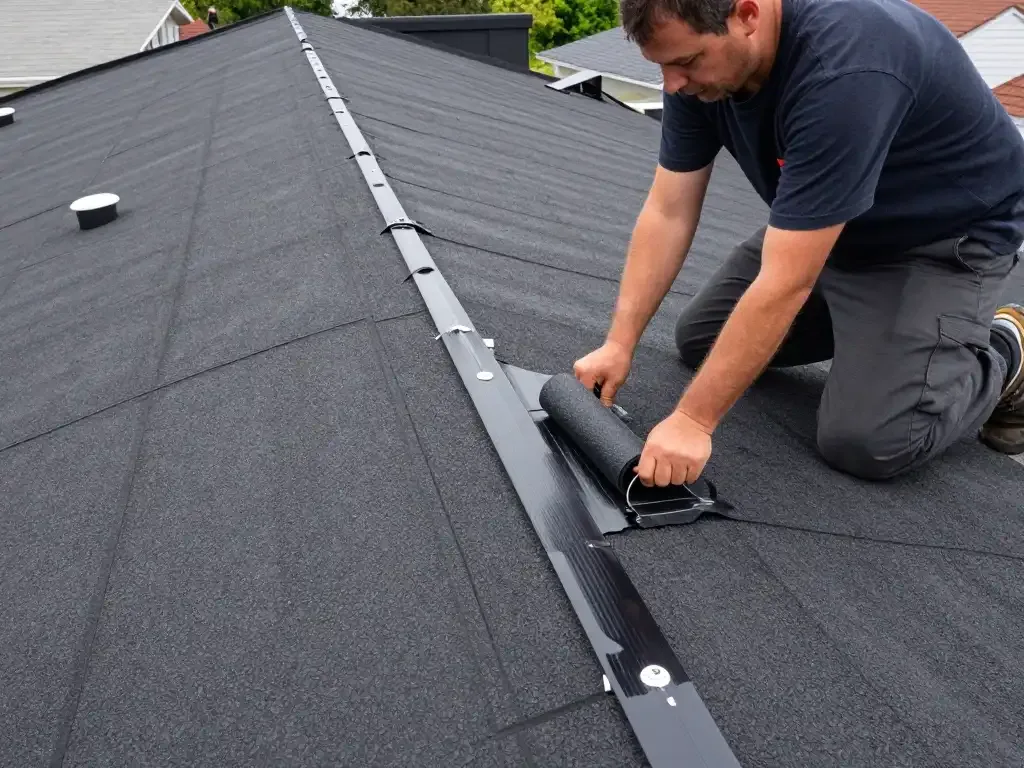
A wet showroom tile can sit below a roof opening several bays away. The reported leak gives us a starting zone, not the confirmed entry point. Heat and seasonal rain make seams, drains, and equipment flashings useful inspection points in Palm Bay. We record the event date, affected area, and roof access limits, then inspect the assembly before describing the damage. A field photograph ties each observation to the roof zone it actually shows.
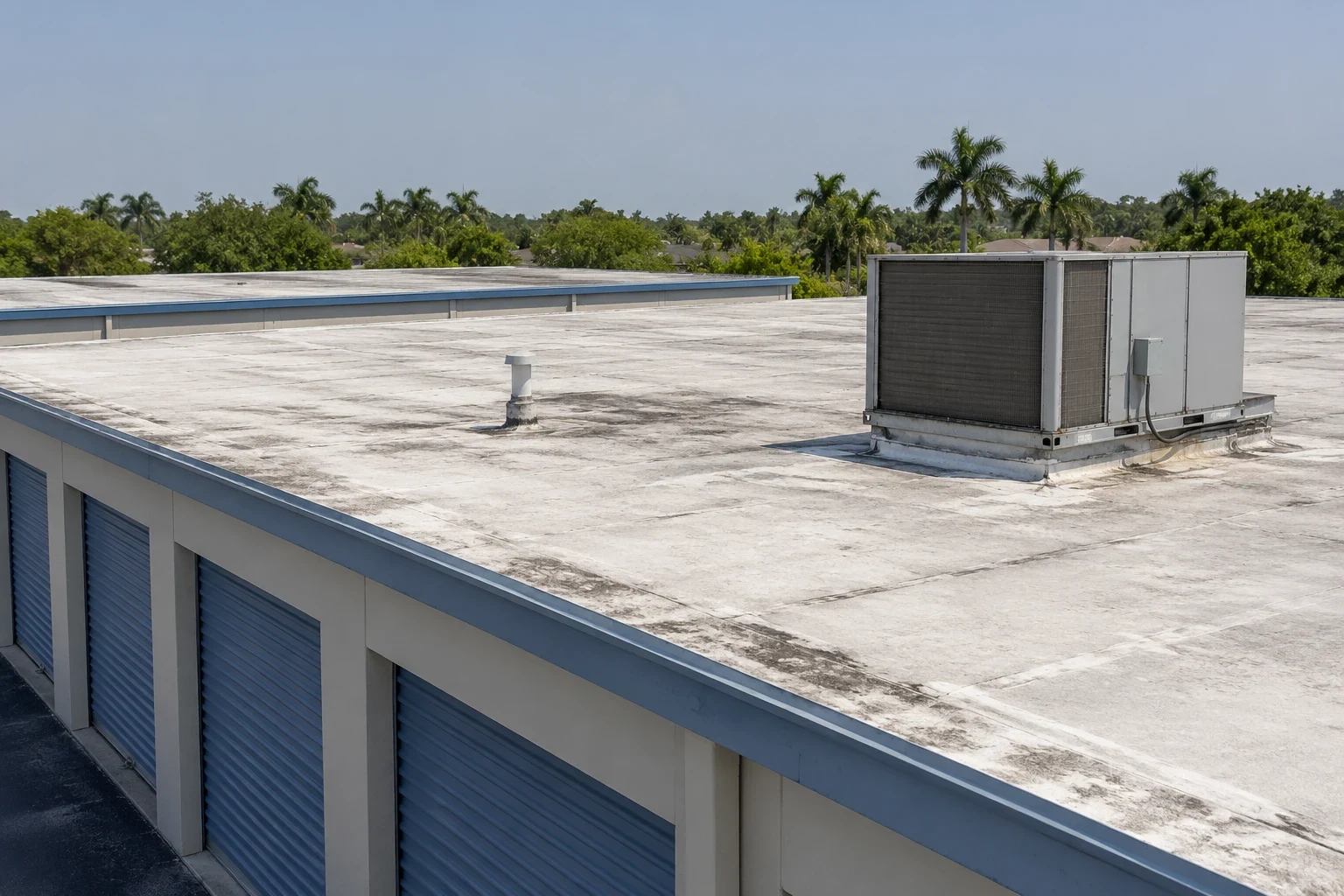
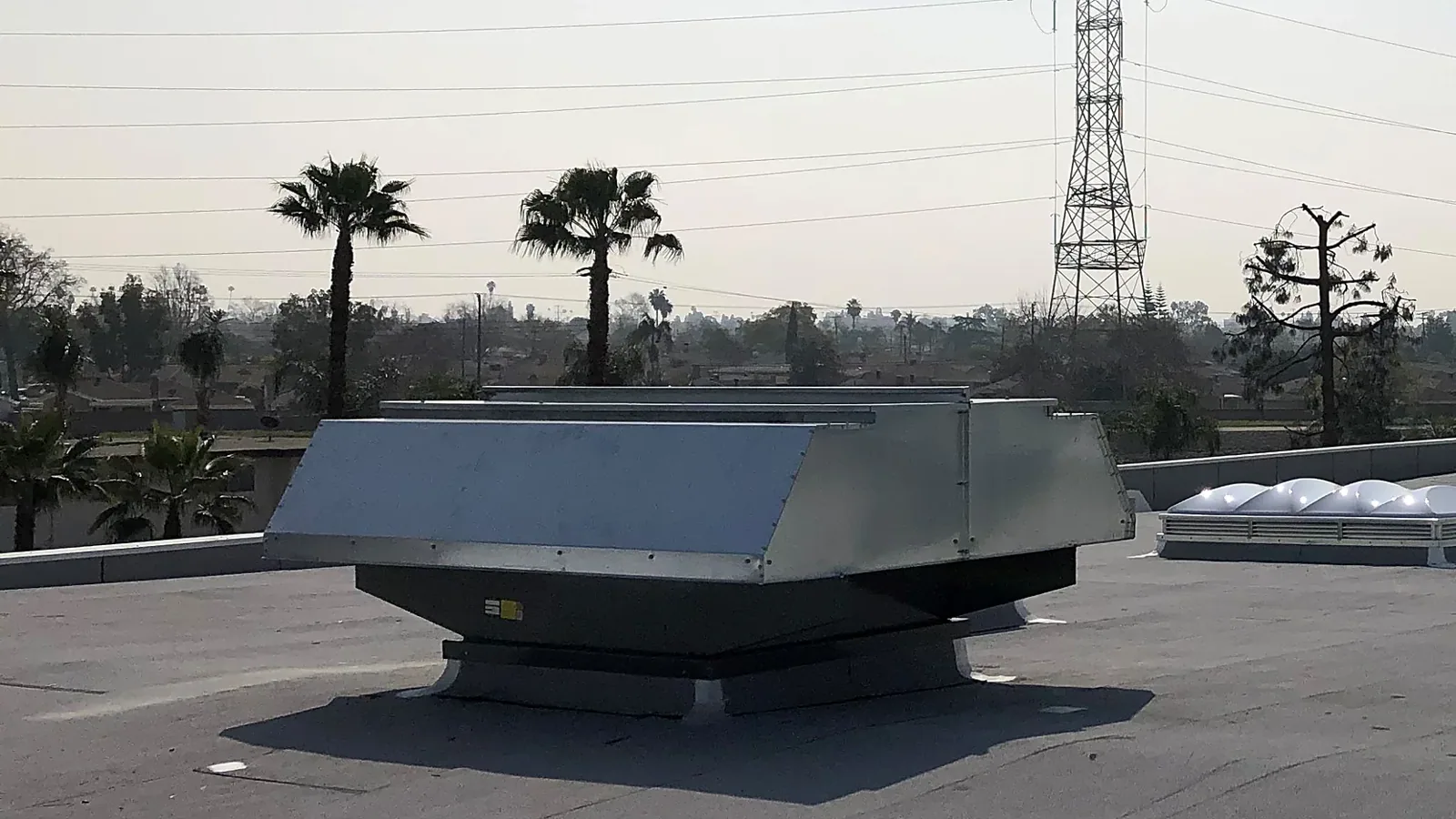
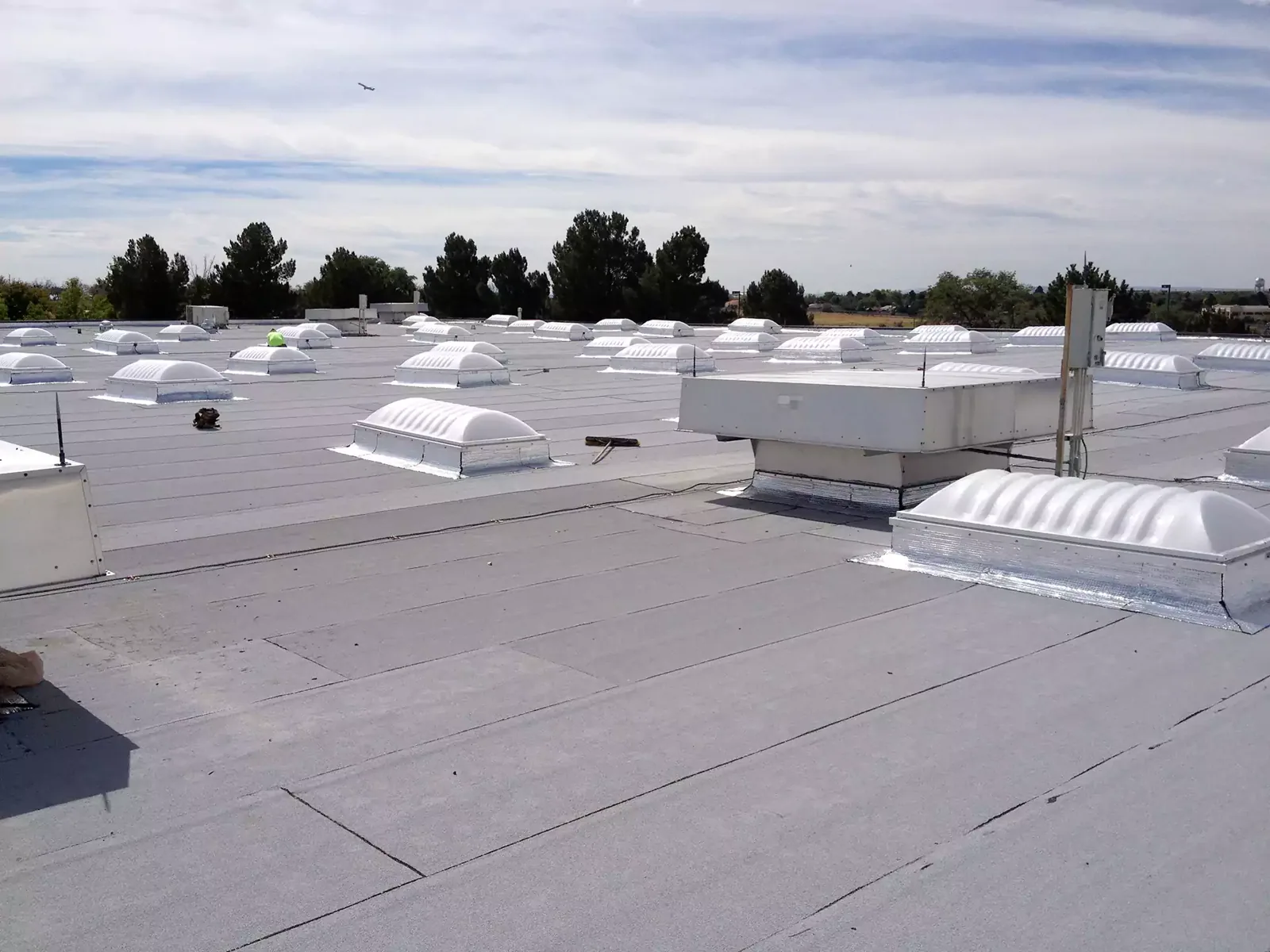
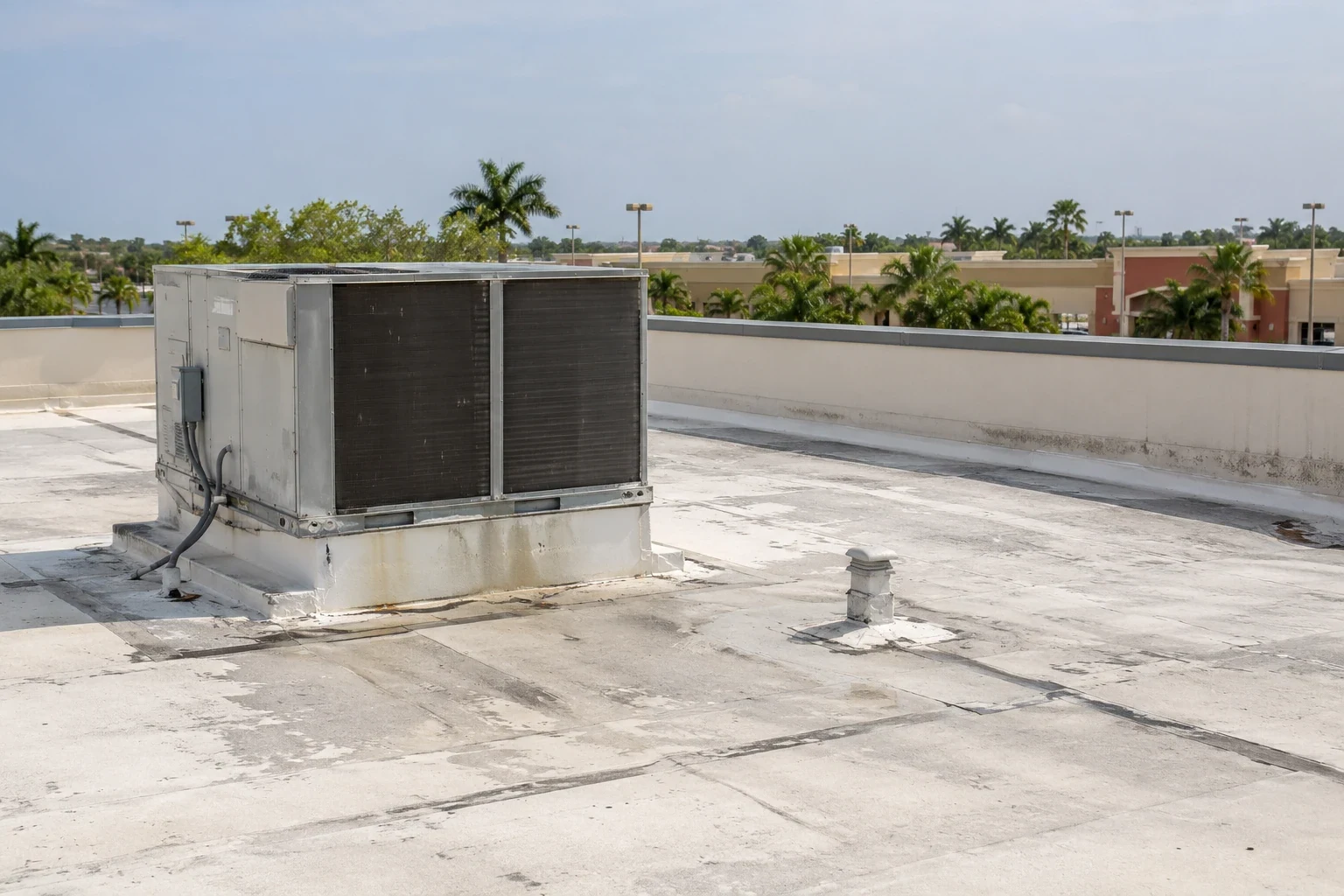
Service bays add roof penetrations, exhaust paths, and regular equipment access. Inspect pipe boots, fan curbs, conduit supports, and the membrane around units. Oil, exhaust residue, and foot traffic can complicate adhesion at a repair. A curb and support review records how equipment meets the roof. The scope should identify which detail failed, which nearby items were checked, and whether a test opening is needed to see concealed layers.
Bay operations also affect access. Schedule roof work around vehicle movement, lift use, and any service area that cannot be closed at once. A route can protect drains and keep tools clear of customer-facing spaces. We state the access limit before work begins. If a repair needs a temporary shutdown or a larger exclusion zone, the owner receives that condition with the proposed work boundary.
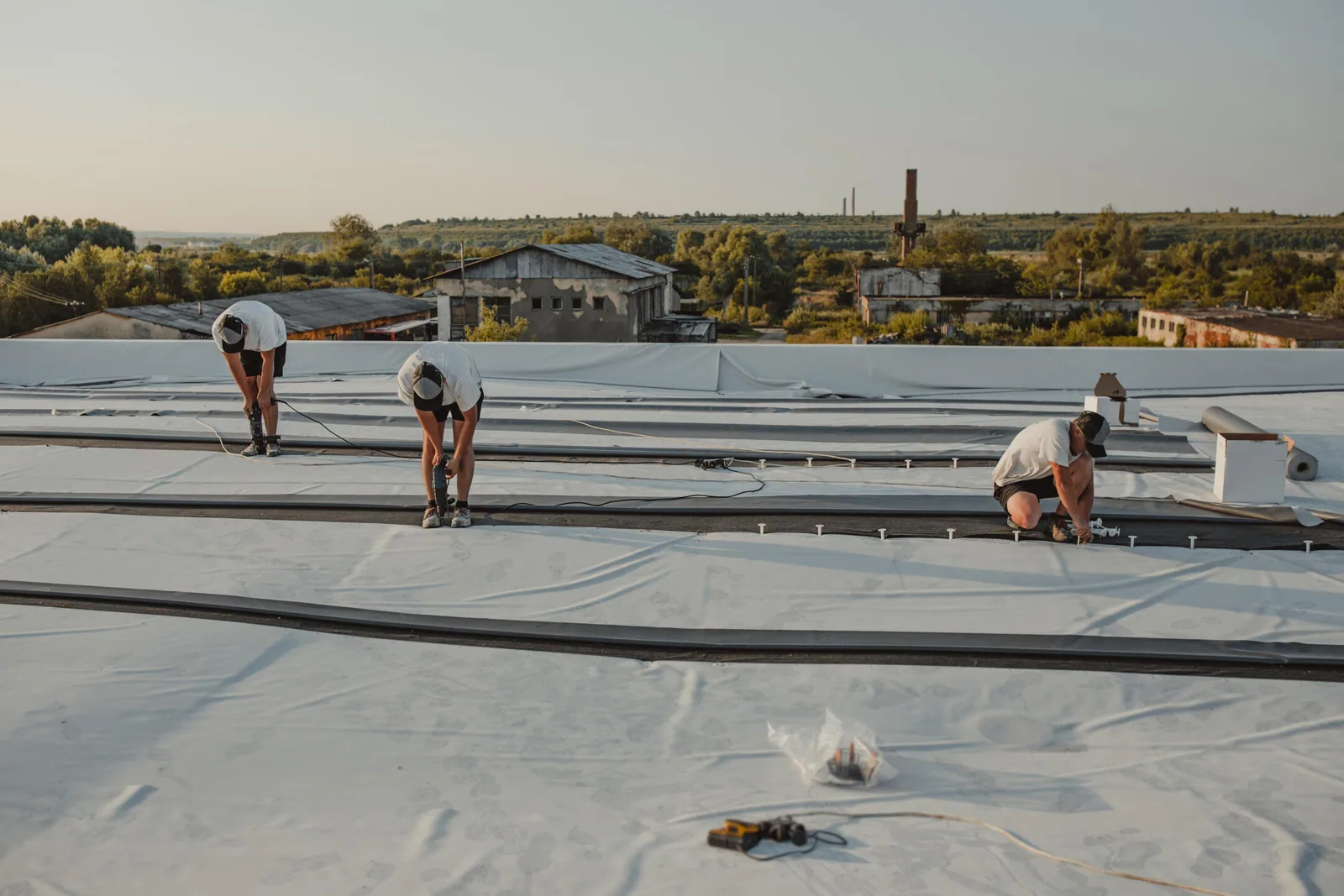
For a localized opening, a compatible patch may be appropriate when the surrounding roof is dry, attached, and sound. Loose membrane, wet insulation, or a deteriorated deck changes the work. We document the condition and stop at the agreed boundary until added permanent work is approved. A commercial roof repair can address isolated defects. Repeated failures may call for a broader inspection before the next repair is priced.
A sales floor has different consequences from a service bay. Water near lighting, signs, inventory, or customer paths needs prompt containment and a clear interior record. Mark the ceiling location, protect nearby finishes, and check whether the water is active. The roof review follows plausible paths toward curbs, seams, drains, and walls. A ceiling stain by itself does not show where water entered or whether the roof above it is the only source.
Use commercial leak repair for an active entry point and keep temporary protection separate from permanent work. The written record identifies the affected interior zone, roof location inspected, material observed, and any area hidden by equipment or inaccessible construction. If wet insulation may extend past the visible mark, request an approved test opening. That opening answers for its location only, so the repair boundary must reflect the evidence gathered.
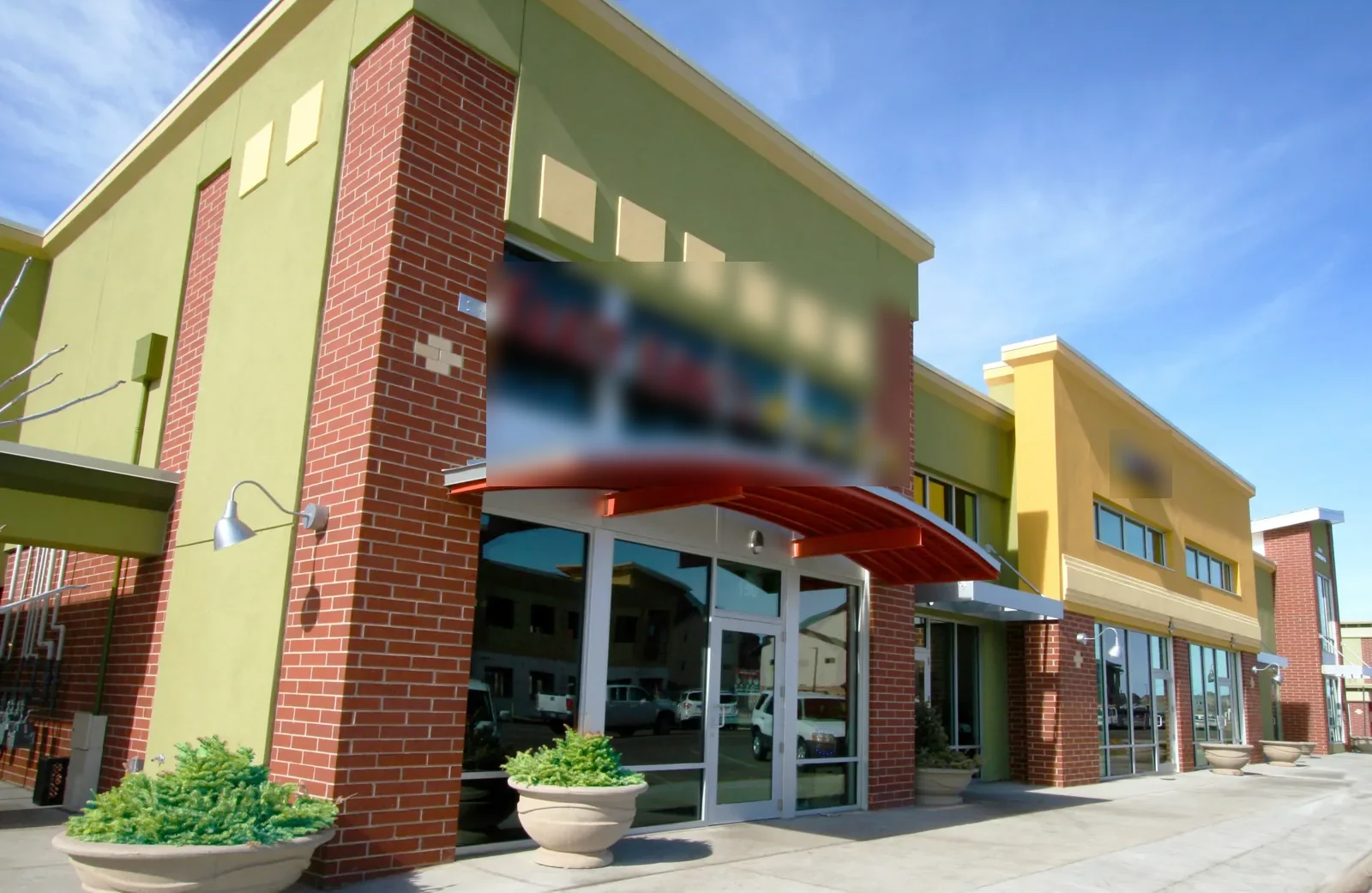
Palm Bay's retail inventory ranges from multi-tenant Palm Bay Road listings to newer shop opportunities at Palm Bay Station on Bayside Lakes Boulevard. Those properties illustrate varied customer access and operating schedules, not a particular dealership's roof. For a dealership project, the owner sets the active sales and service zones. Confirm the dealership's own sales entrance, service drive, and roof access with its property contact.
Melbourne's annual precipitation normal is 55.28 inches, with June and September as its wettest months. During Hurricane Irma, three named Palm Bay reporting points each measured more than ten inches. Those conditions inform inspection timing; they do not identify a failed detail at a dealership. The property inspection still has to map the actual drainage path.
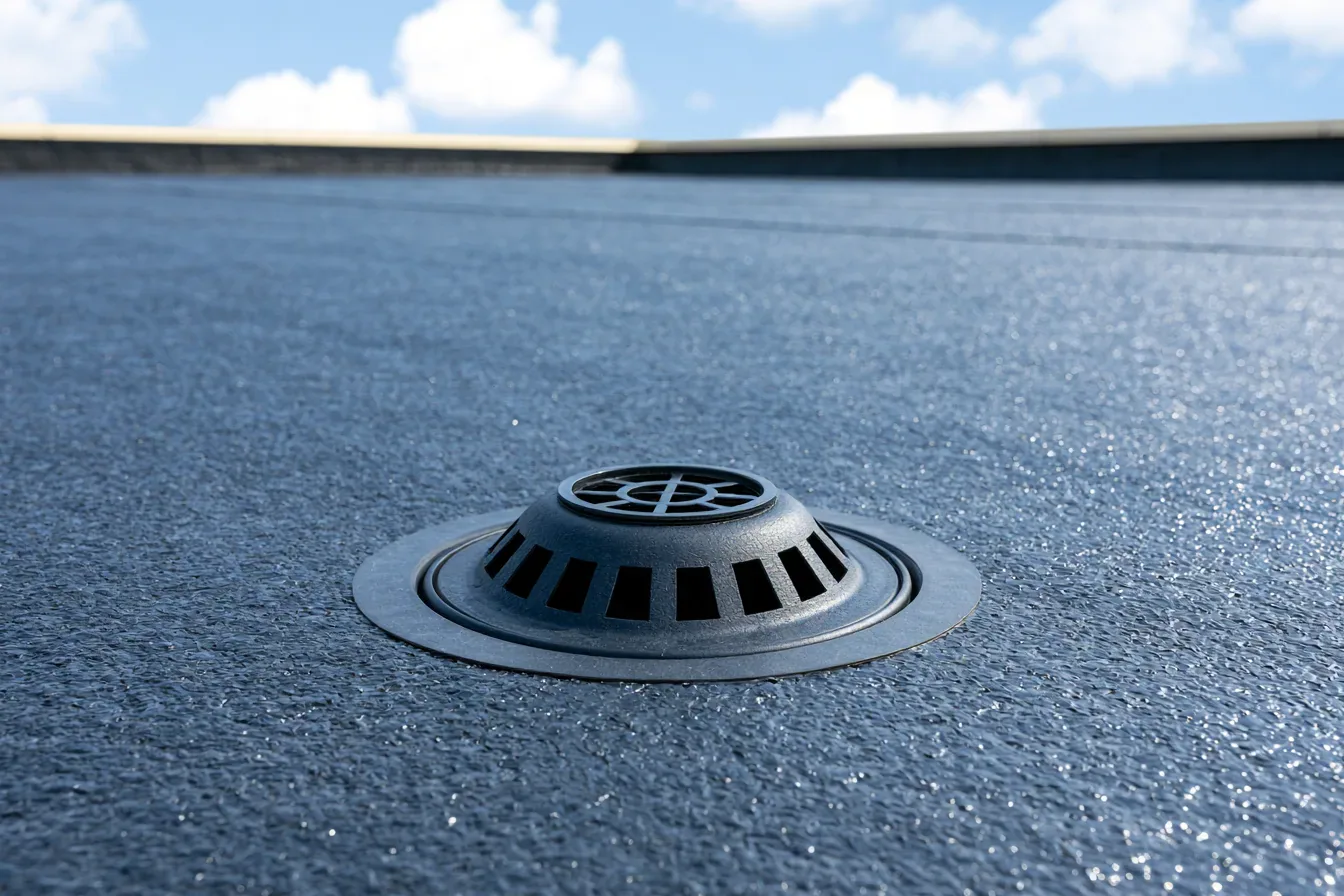
Check each drain bowl, strainer, overflow, scupper, and low point for debris or restricted flow. Look for membrane stress around ponding, open laps, displaced edge metal, and prior sealant. A drain and scupper assessment can distinguish blocked outlets from slope or assembly questions. Water that remains after an outlet is clear may require a design review; adding sealant around a drain does not correct the roof profile.
At the perimeter, inspect coping, edge metal, fasteners, and the transition between roof and wall. Wind-driven rain can exploit a loose termination, but a storm report does not identify a failed detail. We photograph the observed condition and note any limit that prevents a complete check. If metal movement and membrane damage overlap, the permanent scope names both components and shows where the work stops.
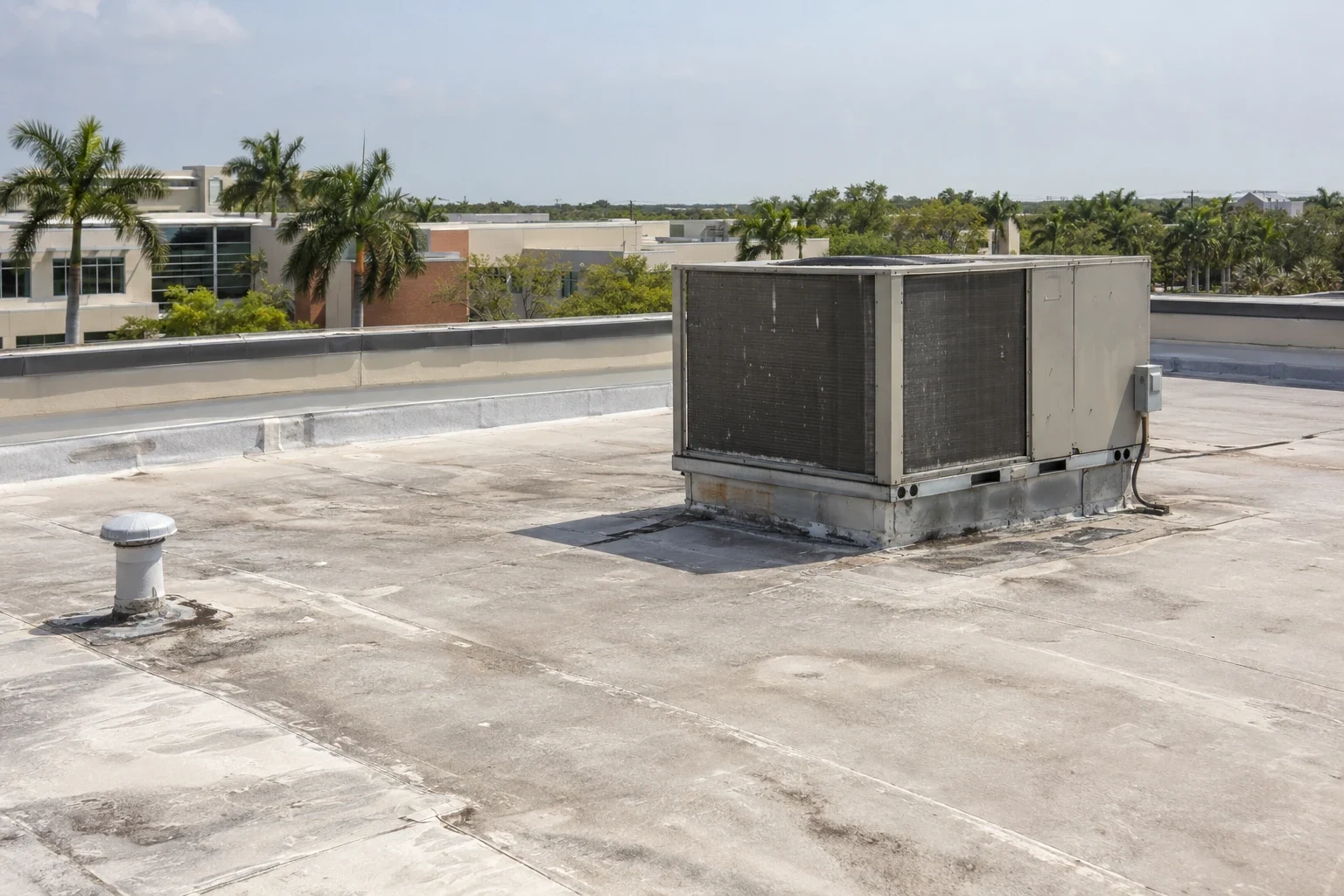
Repair is a fit when the defect is localized and the adjacent assembly can receive a durable tie-in. A broader pattern of punctures, seam separation, wet materials, or failed attachment may point toward recover or replacement. We compare the observed roof, repair history, substrate, drainage, and project access. A replacement assessment should name the assumed layers and any test location that could alter the work after exposure.
Roof coating is another option only when the existing assembly and details qualify. Surface preparation, adhesion, moisture, drains, and transitions all matter. A restoration review can document whether coating is supported by the substrate. The written proposal states what is included, what remains outside the scope, and how concealed conditions will be handled. Costs depend on repair extent, access, material, protection, and necessary tear-off or insulation work, rather than vehicle count or showroom size.
Permit documents and the applicable Florida Building Code requirements depend on the actual scope and assembly. The proposal should identify the planned system, project boundary, and submittals. Do not treat an assumed roof type as confirmed before opening the assembly or reviewing reliable records.
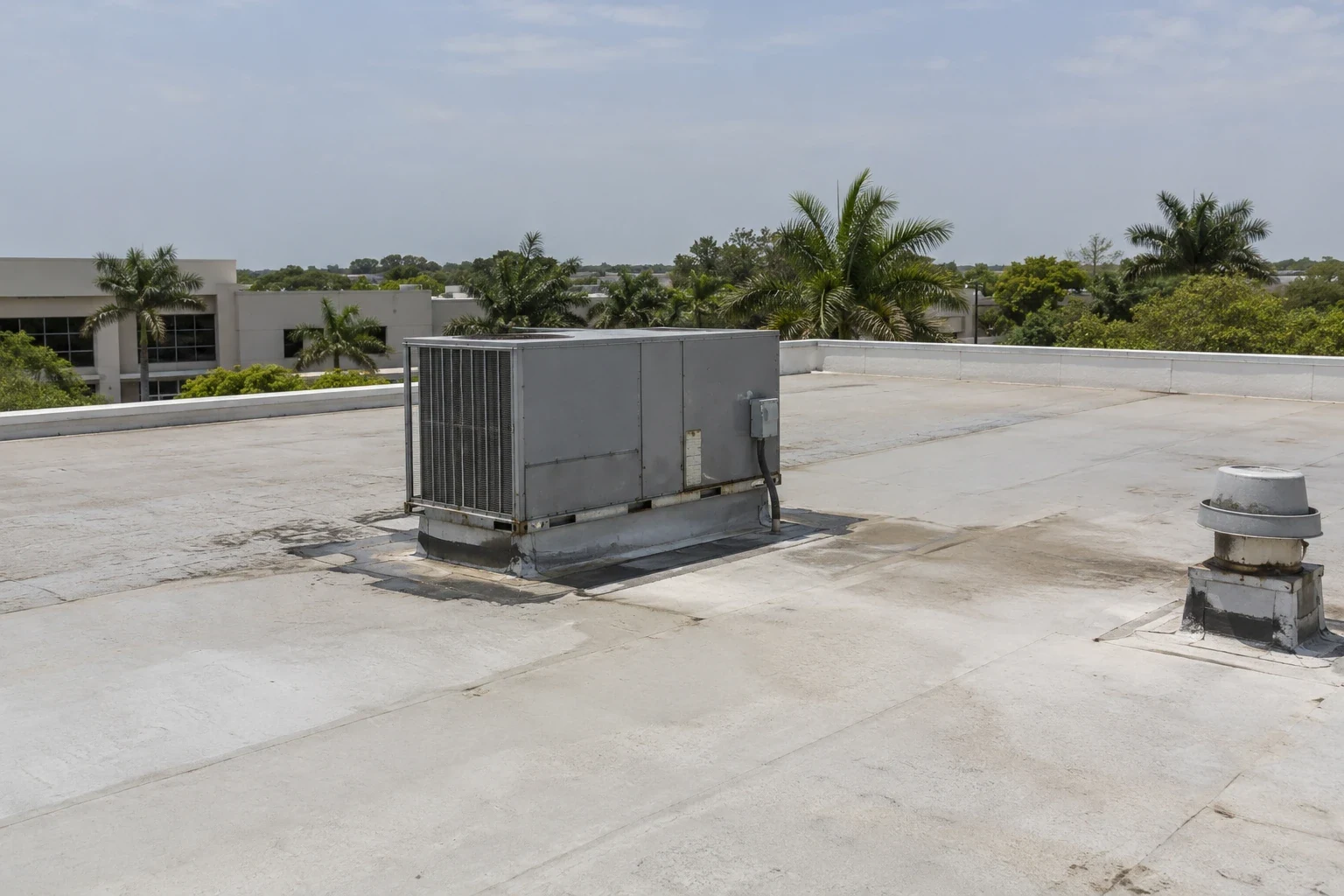
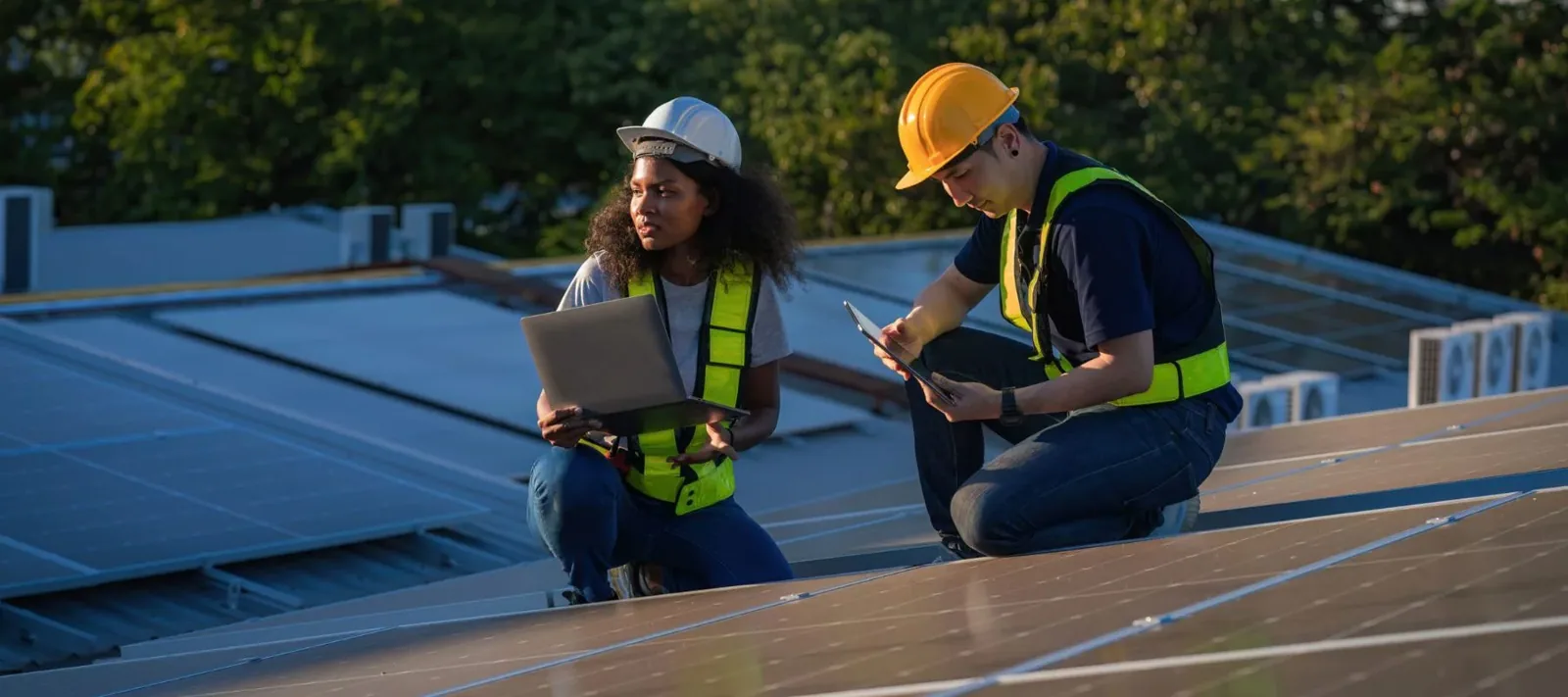
Closeout should give the facilities manager a usable roof history. Include the event date, roof-zone sketch, photographs before and after work, materials installed, seam or flashing checks, access restrictions, and outstanding items. Separate temporary protection from the permanent repair. Identify any uninspected area and any test opening that was not authorized. These details make the next visit comparable instead of restarting from a general leak description.
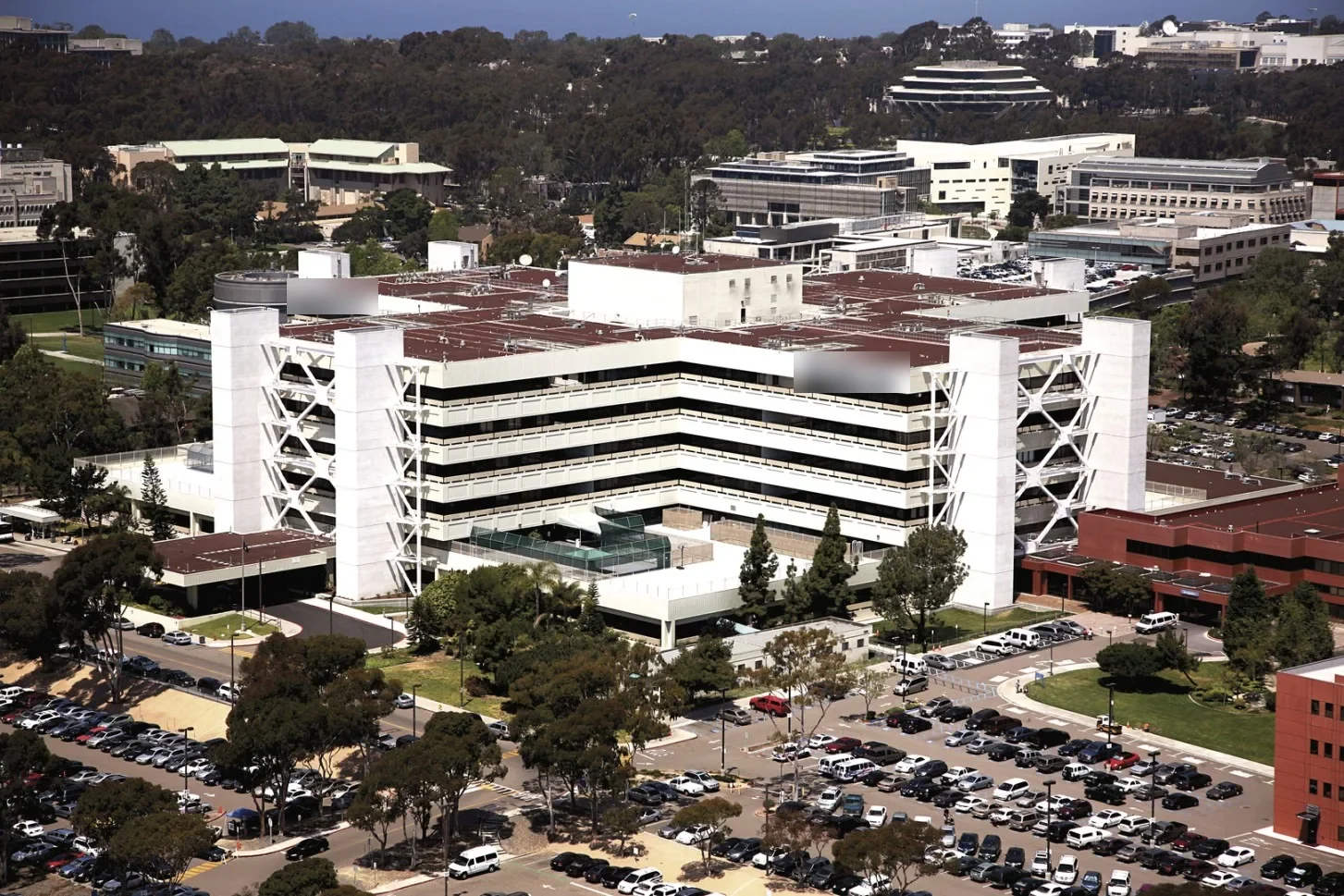
A photo condition report can support maintenance planning across showroom, service, and parts areas. Follow-up should check repaired transitions, drains, and new rooftop work. If an equipment contractor adds a curb or conduit later, record that change before it becomes a leak dispute. The neighboring shopping center roof profile raises similar questions about customer routes and occupied space, while each dealership's operating rules remain property-specific. A large-format retail roof review raises similar access questions, while the dealership's operating rules remain property-specific.
Learn more →
Learn more →
Learn more →
Learn more →
Learn more →
Learn more →
Learn more →
Learn more →