
A leak over a sales floor can travel from a distant drain, seam, or rooftop unit. We record the affected department, event time, and roof zone before recommending a repair. Palm Bay has neighborhood retail and planned shopping nodes. A big-box roof needs a building-specific map, safe staging plan, and clear customer-route controls.


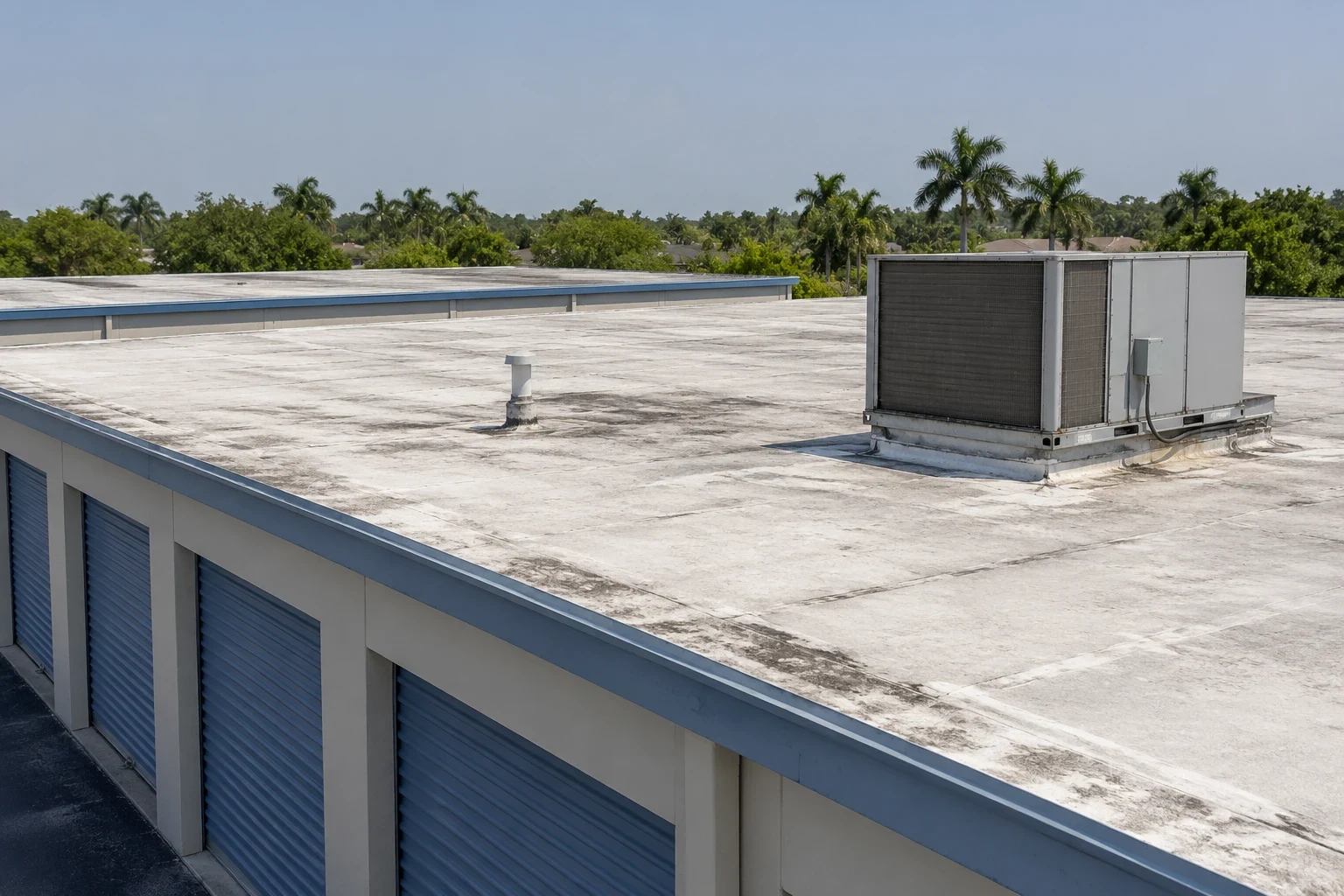
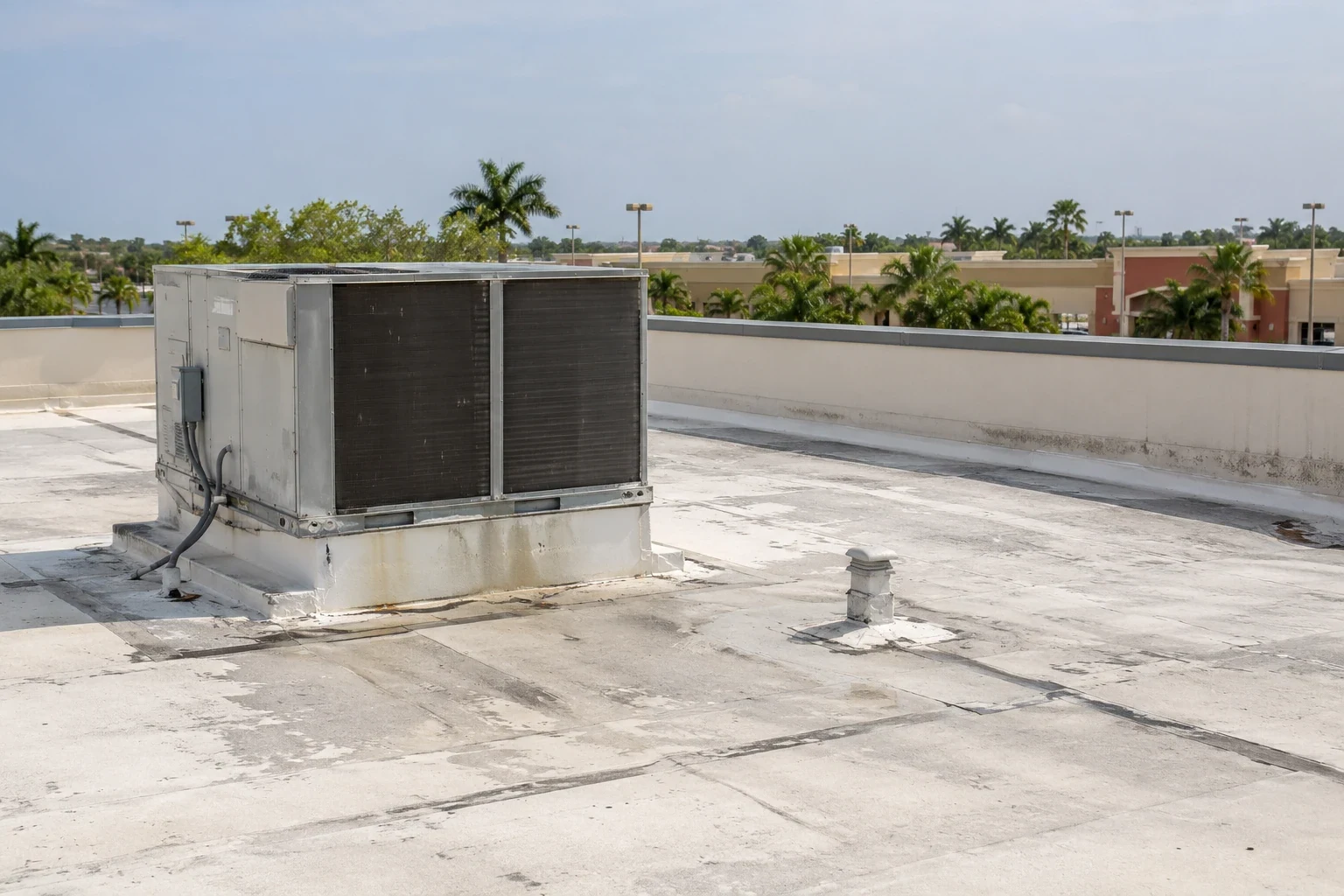
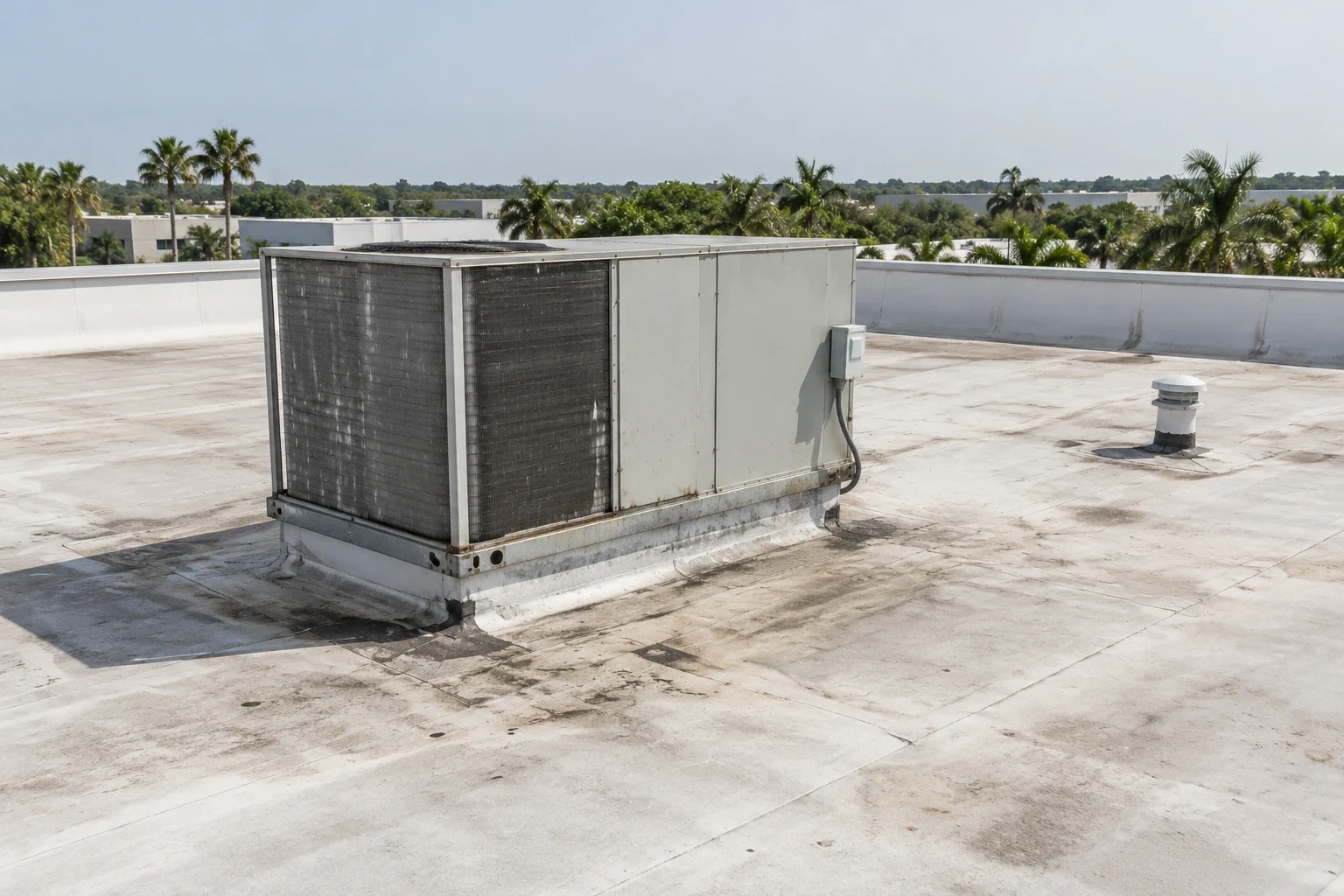
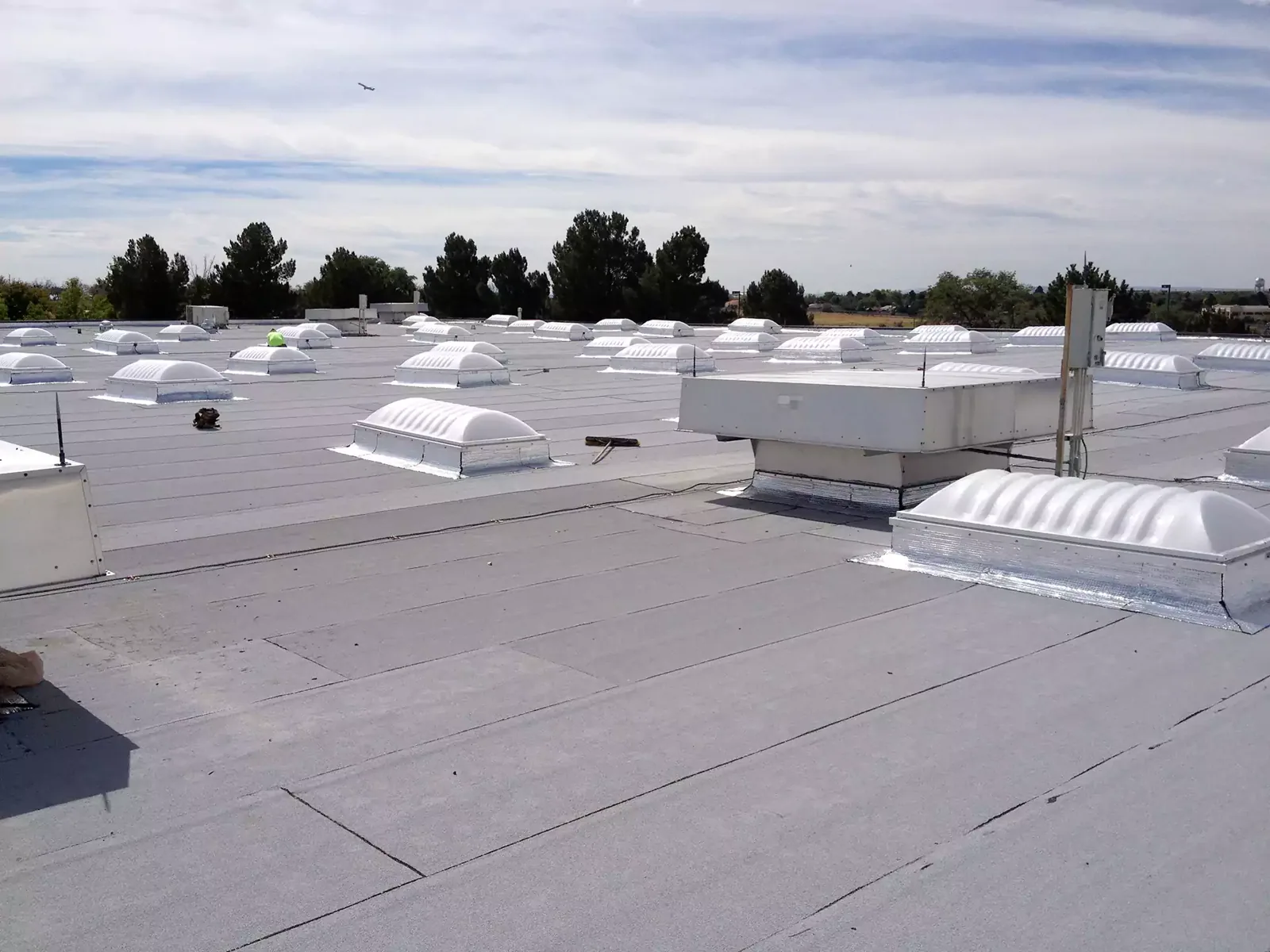
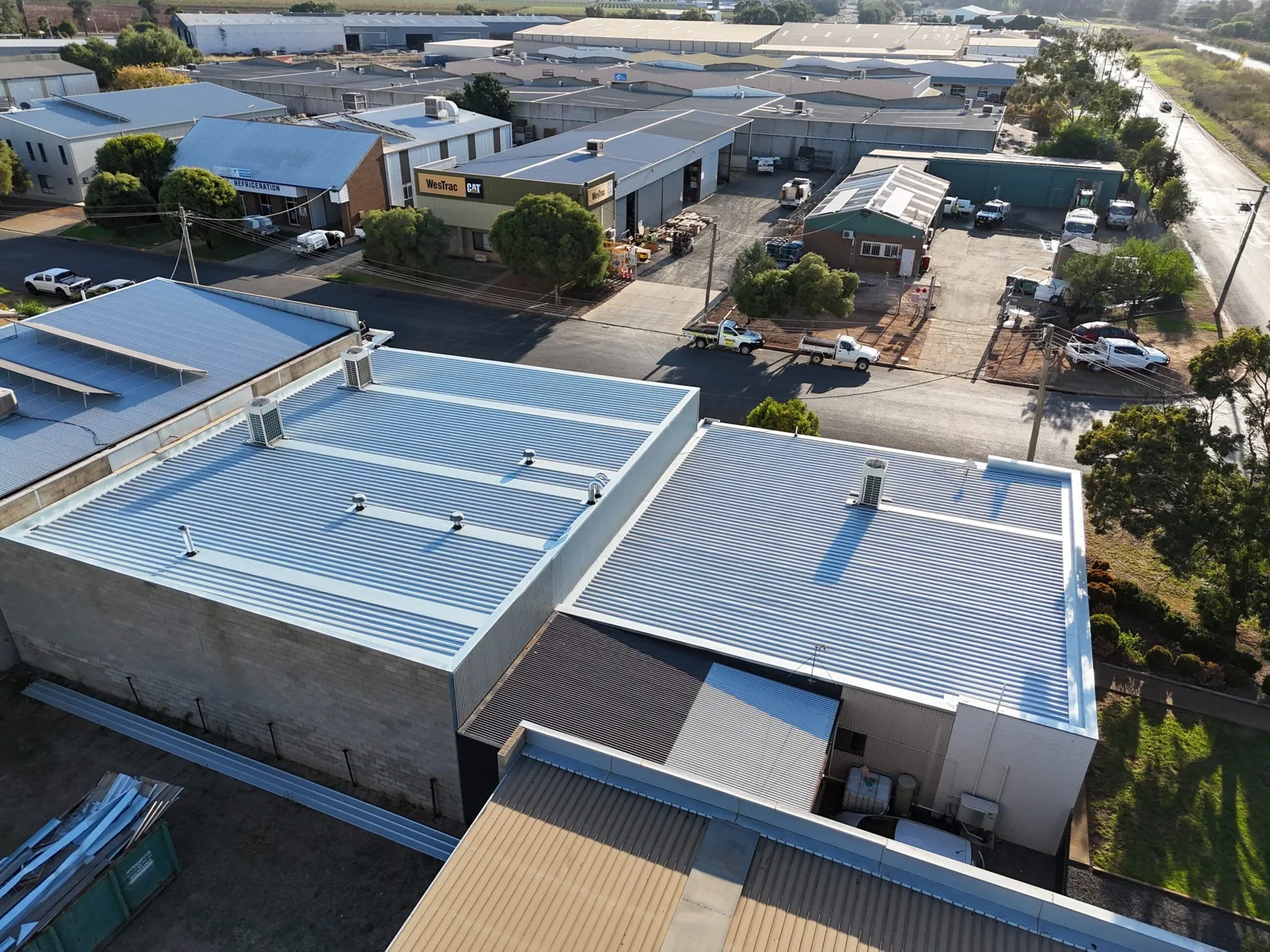
Map membrane or metal areas, long seams, expansion joints, drains, skylights, exhaust, rooftop units, and perimeter edges. Large roof areas may contain multiple additions or repairs. A commercial roof inspection records the accessible field and marks sections that need a closer test. Use the property plan to keep each photo tied to a zone.
Look for punctures, displaced walkway pads, loose laps, open flashing, corrosion, and water marks. Service traffic can damage a path from the roof hatch to a unit. A local defect may remain repairable if adjacent materials are sound. Repeated openings or wet insulation can change the boundary. The report states where those conditions were found.
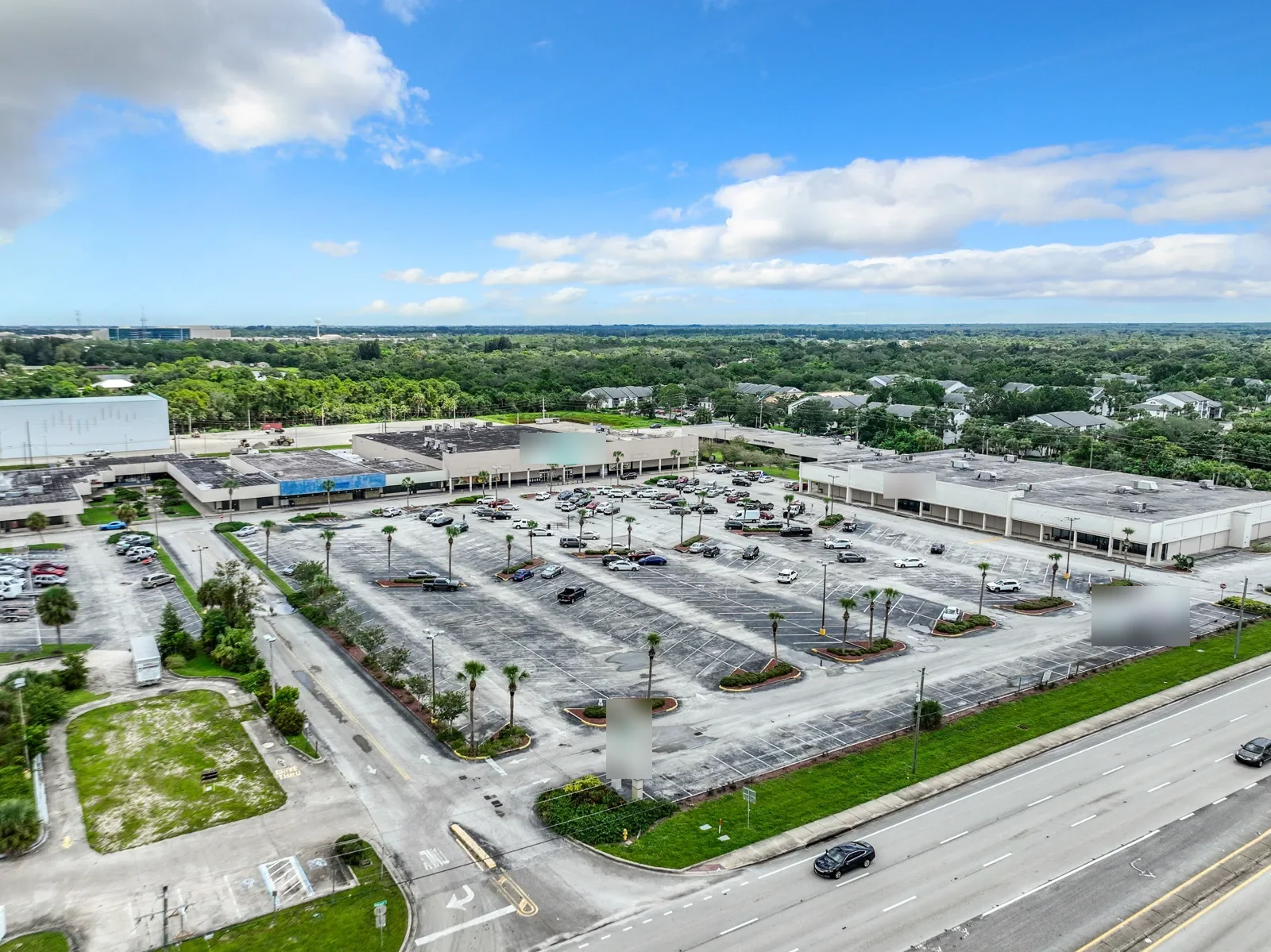
The Palm Bay Road Retail Corridor includes a listed 15,558-square-foot retail suite at Palm Bay Road and a separate multi-tenant listing at Palm Bay Road. Those are retail leasing facts, not proof of big-box buildings or roof area. They illustrate the variety of local commercial property that needs field measurement before scope is set.
Check drain bowls, scuppers, overflow openings, low points, and roof edges. Debris from roof work or nearby construction can restrict flow. A drainage review can map the outlet path and identify whether water remains after cleaning. Keep dock canopies and wall transitions in the inspection because a leak may begin outside the main field.
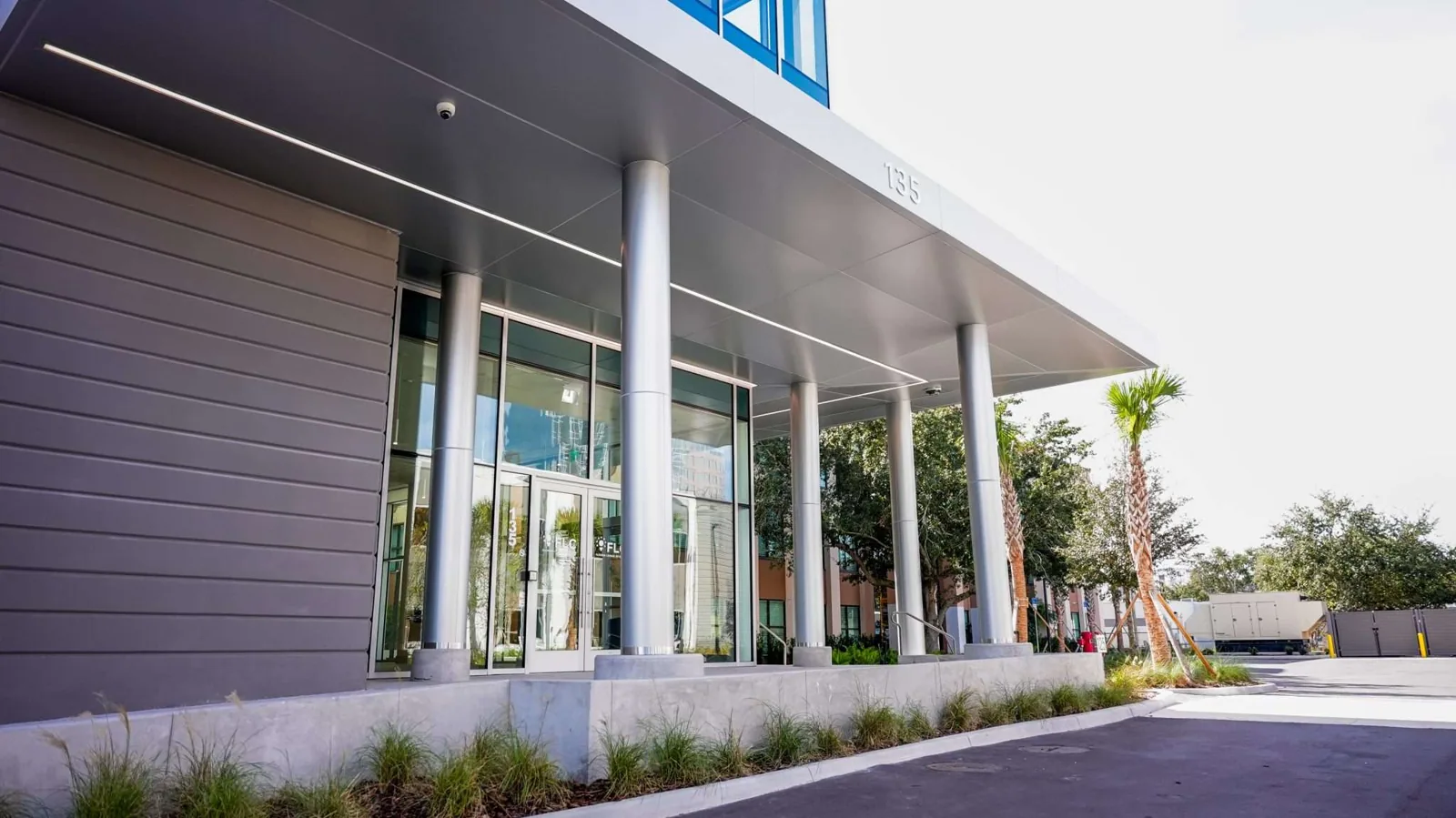
Loading docks take repeated traffic and weather exposure. Inspect canopy joints, wall flashings, downspouts, and the membrane or metal transition above each dock. Do not assume the nearest roof drain explains a dock leak. Photograph the actual water path and confirm whether the door, canopy, or roof edge has a separate defect.
A shopping center roof survey often divides findings by tenant bay. A distribution center roof survey may focus on dock and dispatch routes. Large retail needs its own department map, sales-floor protection, and delivery schedule even where roof details overlap.
Melbourne averages summer highs near 89 degrees and receives more than 55 inches of precipitation each year. The figures are regional context for material work and inspection planning, not a site forecast. Check the roof surface, wind, and current rain window before opening the assembly. Record weather interruptions and any detail that needs temporary cover.
During Hurricane Irma, rainfall measurements at named Palm Bay points exceeded ten inches. Those measurements are specific to the storm and locations named in the survey. They do not prove that a particular retailer sustained roof damage. After a reported event, inspect the actual seams, edges, penetrations, and drains before describing the observed condition.
Heat can make walking conditions unsafe and affect material handling. Confirm access rules and a safe work period with the property representative. If an active leak affects merchandise, move or protect inventory under store direction and document temporary measures separately from permanent roof repair.
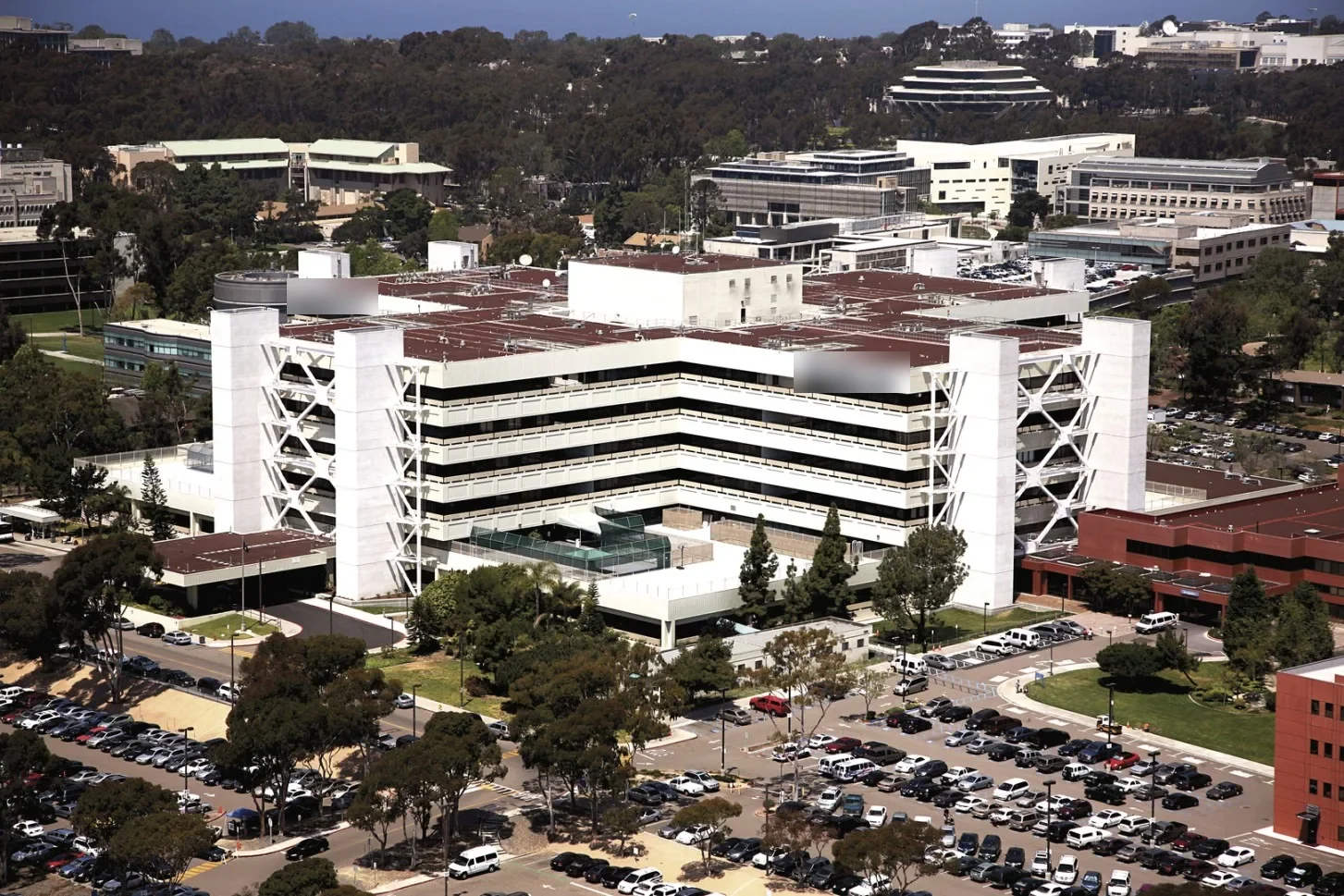
Agree on store hours, truck deliveries, service entrances, lift placement, parking closures, and pedestrian barriers before mobilization. Identify the aisle or department below the work zone and set a protection plan. A roof repair above one section can still affect customers if staging blocks a main entrance or fire route.
Palm Bay Station is a 4.3-acre retail project on Bayside Lakes Boulevard SE, with shop, build-to-suit, and ground-lease opportunities and two site accesses. That project context can inform regional traffic planning; it does not describe a big-box property or its operating hours. Confirm the actual site's deliveries, access gates, and loading arrangement.
At a multi-tenant property, align roof access with the landlord and each affected store. Set who gives notices, moves inventory, and accepts interior protection. The scope should state which doors, aisles, or loading areas must stay open and what happens if a weather stop extends the work.
A patch may fit one puncture or separated flashing when the surrounding assembly remains sound. Widespread seam failure, wet insulation, loose attachment, or repeated repairs can call for a broader investigation. An authorized test opening describes conditions at that point only. Record tested and untested zones separately.
Compare repair, recover, and replacement using the roof system, prior overlays, deck, drainage, equipment, and store schedule. A replacement assessment can define removal areas and preserve sections that remain serviceable. The written proposal lists materials, preparation, transitions, staging, protection, exclusions, and concealed conditions that need approval.
Cost and timing depend on roof area, access, material, tear-off, lift or crane use, store hours, and weather. A condition report can organize photos and repair limits by department and roof zone. Keep allowances separate from confirmed quantities.
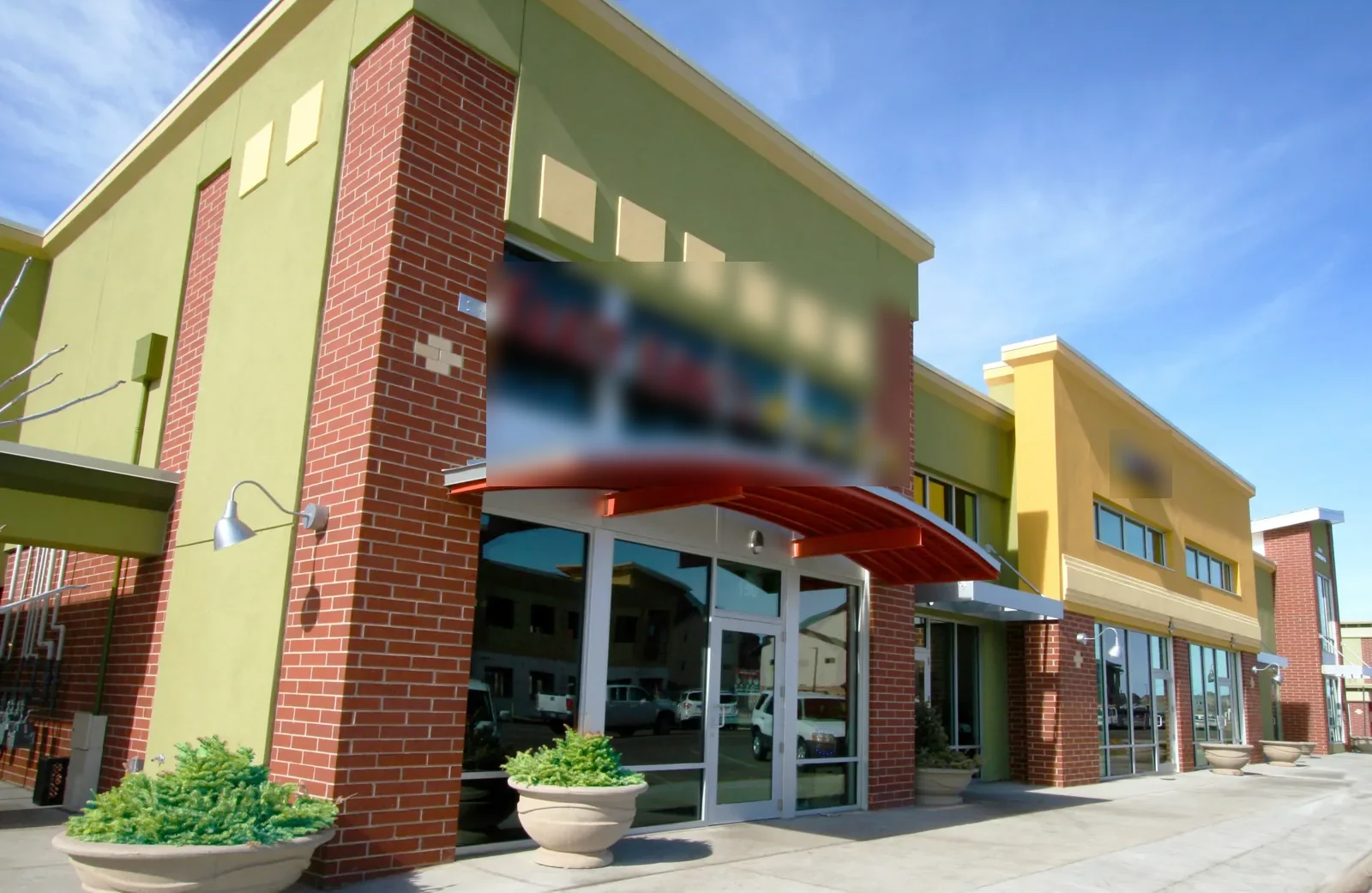
The Crossings at Babcock is marketed at Babcock Street as ground-lease or build-to-suit retail land. Palm Bay Road listings show a separate group of retail addresses. These local references point to different development and leasing formats. They do not tell us whether a property is a big-box store or what roof covers it.
A Palm Bay Road Retail Corridor service area names one local commercial corridor. Confirm the actual store address, property contact, and loading plan before dispatch. Each building needs its own roof map even when it shares a trade area with nearby centers.
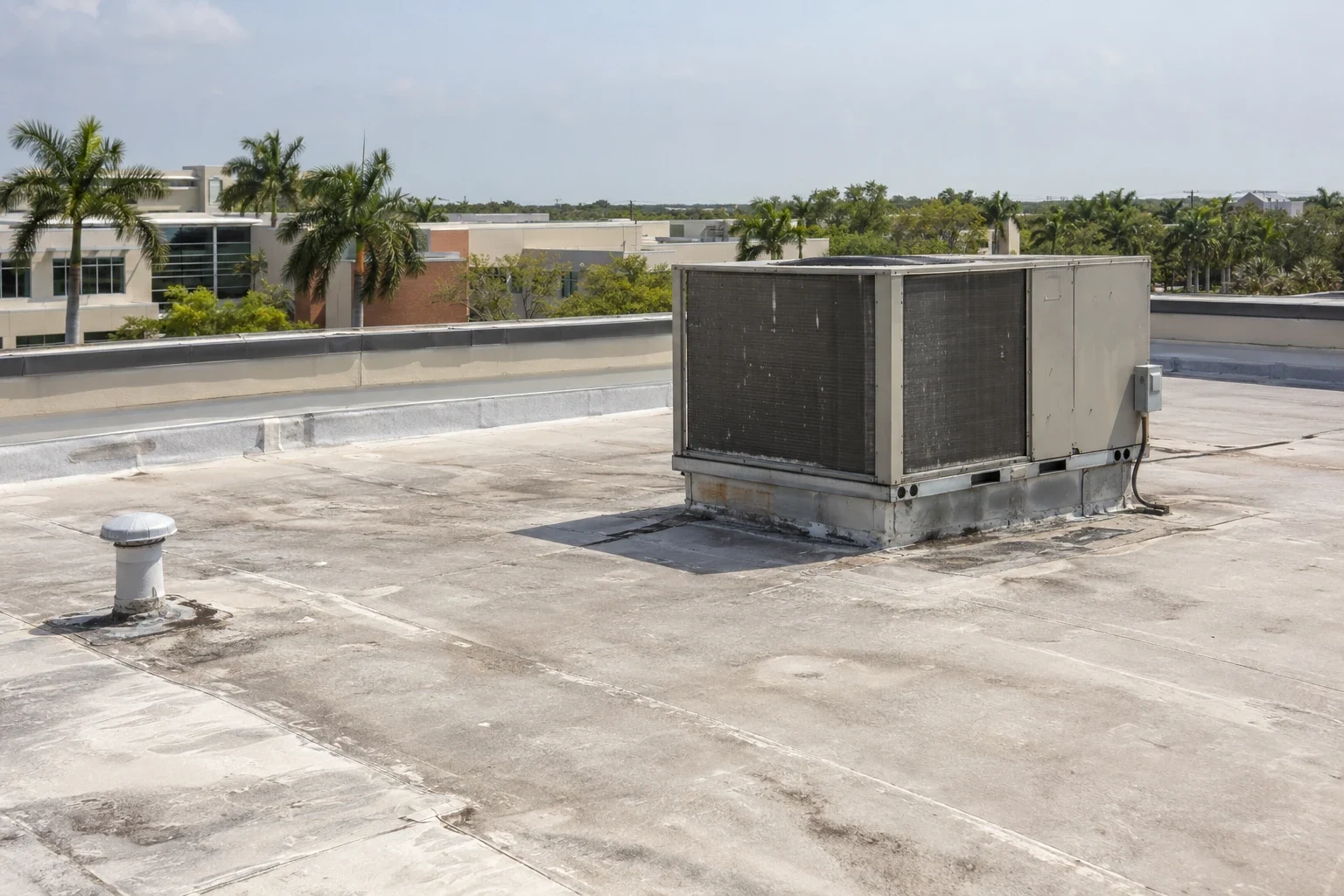
Closeout should show repaired seams, drains, dock transitions, equipment curbs, and edges with the roof-zone label. Record date, material, work boundary, store access limits, interior protection, and remaining items. Identify whether a temporary cover remains or another inspection is scheduled.
Keep the field record available to facilities staff and store management. A maintenance visit can check new rooftop service work, traffic paths, drain debris, and visible wear before a fresh leak report. Tie changes to dates and photos.
Follow up on test openings, blocked roof zones, and repairs that could not be observed in the first visit. Separate new conditions from older work so the next property review can distinguish a repeat failure from a new event.
Learn more →
Learn more →
Learn more →
Learn more →
Learn more →

Learn more →
Learn more →
Learn more →