
Active local weather warning
The National Weather Service has issued a coastal flood warning covering Palm Bay. Heavy rain and drainage loading can expose roof leaks, blocked drains, and ponding water. This is a weather exposure advisory; it does not establish damage to a specific roof.
Do not access a roof during hazardous weather. Protect people first, avoid water near electrical equipment, and request roofing help when conditions permit.
National Weather Service · Updated Oct 28, 2026, 6:40 AM UTC
Port Canaveral's real-estate portfolio covers roughly 1,491 upland acres and includes offices, warehouses, vacant land, marinas, and restaurants. The port reports more than 200 tenants and subtenants across varied industries. Those numbers describe a multi-use property portfolio, not a count of roofs or the size of any roof. We confirm the specific lease area, facility contact, and access requirements before inspection. Each report stays with its building and roof zone.
The port's deepwater access and links to highways and rail support cargo, cruise, and maritime operations. Roof work must be coordinated with the actual activity below and around the building. The tenant, port representative, or project lead identifies restricted routes, hours, equipment, and staging. We record the event date, reported condition, observed damage, and any section the crew cannot inspect. Those details define a safe, reviewable repair boundary.
A property with multiple tenants needs an identified contact for the roof area and the space below. We confirm who can authorize access, how materials may enter, and where a crew can stage without blocking active operations. A marina, restaurant, office, or warehouse may have different work windows. The portfolio list gives property context; the local contact supplies the operating requirements.
For multi-tenant roofs, we map each report separately. Shared drains or walls can connect roof zones, while tenant boundaries may not align with membrane seams. The inspection follows the details and documents where access stopped. We keep interior reports, equipment concerns, and roof observations distinct until a field check establishes a relationship. This avoids assigning one tenant's leak to a neighboring area without evidence.
Where a repair affects a loading or service route, the project lead sets an access plan. We confirm ladder placement, lift location, debris removal, and material staging. If weather or port activity changes the window, the shift log records the new sequence. Any open roof section receives temporary protection before the crew leaves. Permanent work and temporary protection are listed separately.
Melbourne averages 55.28 inches of precipitation each year, with June and September among its wettest months. They do not record a storm over a particular port building. We inspect drains, strainers, overflows, scuppers, and low areas on the actual roof. A blocked outlet, recurring ponding, and a damaged drain bowl call for different responses. The report describes what the crew observed on the inspection date.
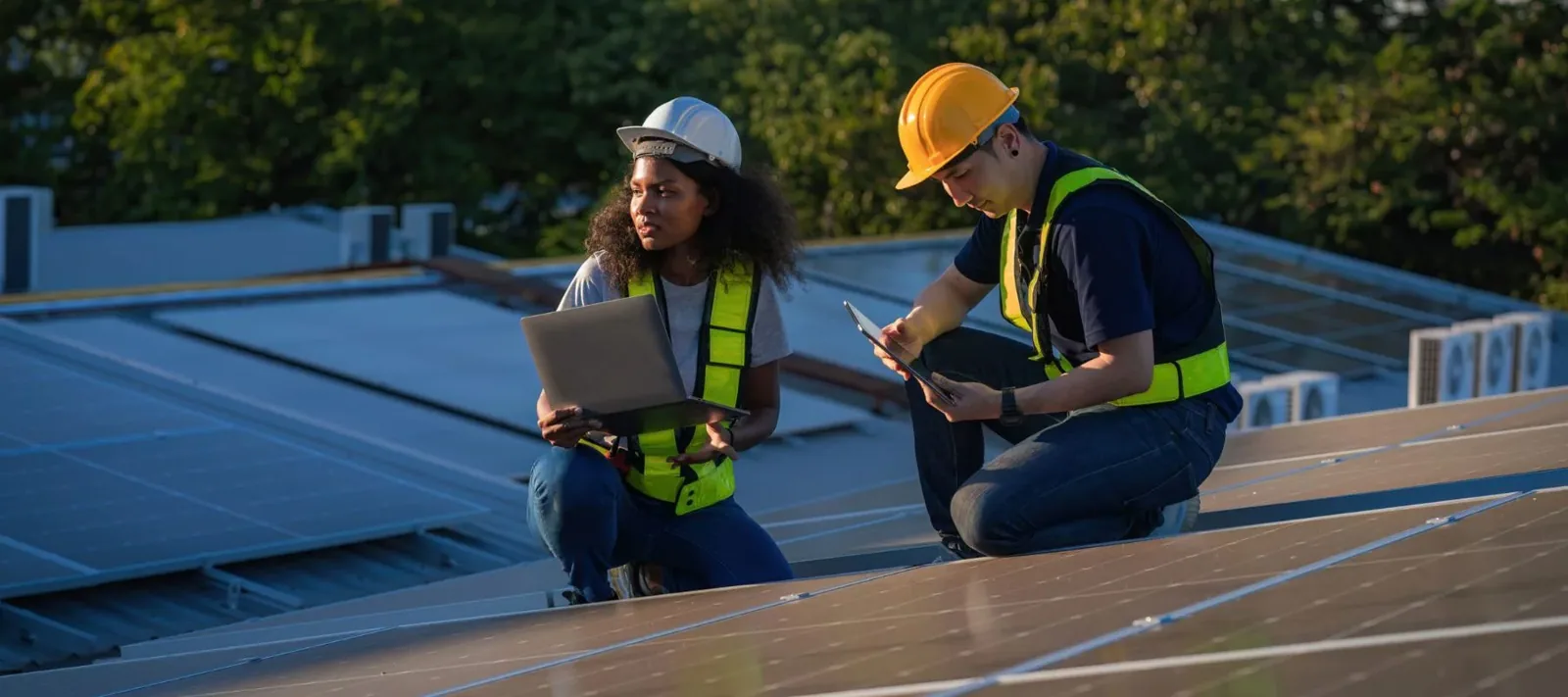
Port properties may expose roof metal to a marine environment. During a walk, we look for visible corrosion, loose fasteners, coating loss, and movement at edge metal and equipment supports. A roof inspection and any indicated test opening identify corrosion and substrate condition beneath a coating. We photograph the affected area, check nearby attachment, and identify whether testing or replacement is needed.
Water can travel from a seam, penetration, wall, or curb before appearing indoors. We record the reported room and date, then trace the accessible path. If insulation may be wet, an approved test opening can show the layers and deck condition. We map the opening and resulting removal boundary. When access rules prevent a complete trace, the report identifies the unresolved area and a return requirement.
A localized seam split or flashing failure can be repaired when surrounding material is stable. The membrane must be identified before a patch detail is chosen. We photograph the defect and completed boundary. If the opening exposes wet insulation, the additional area is defined before removal continues. That keeps the repair tied to an observed condition.
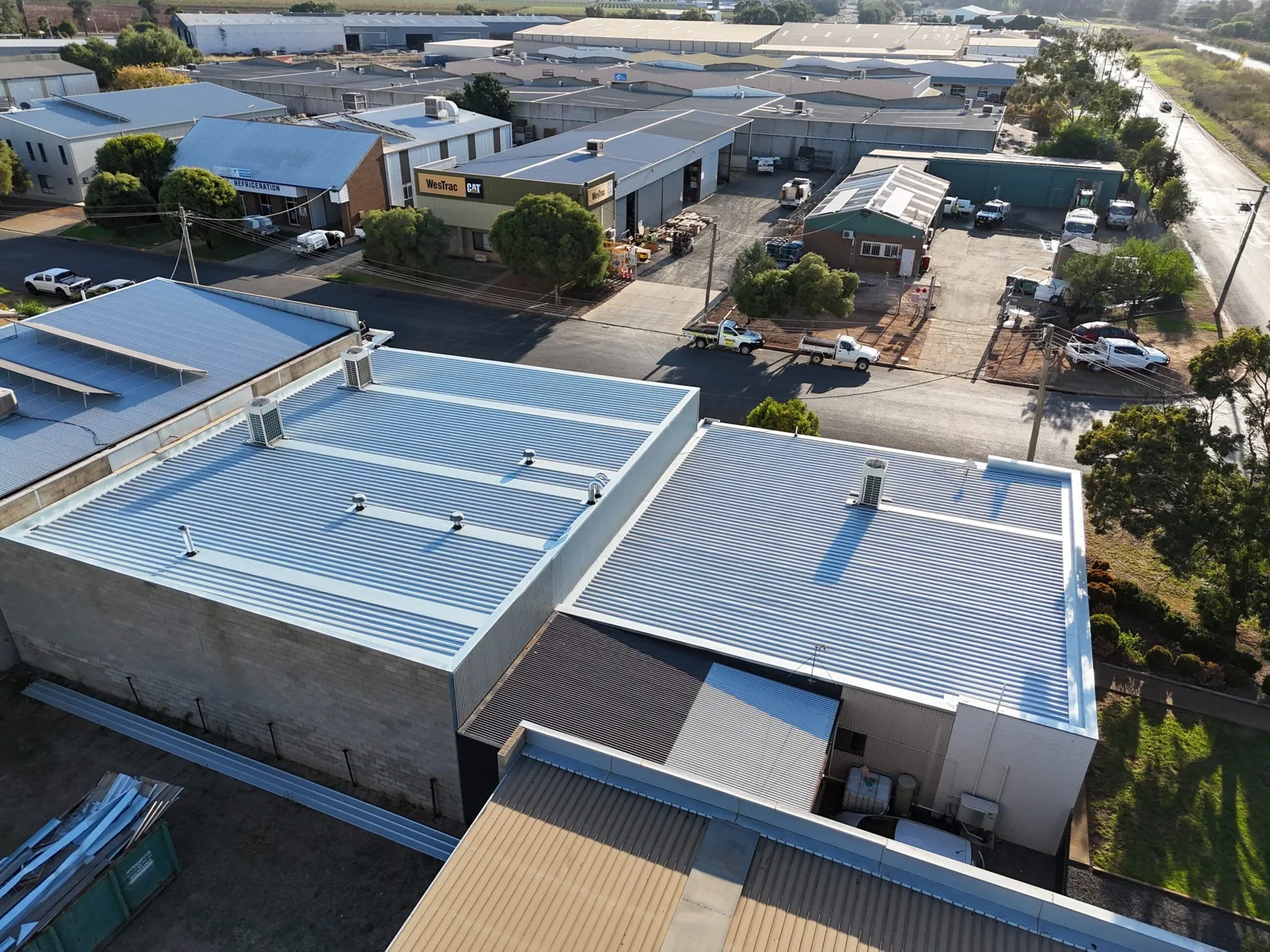
Recover requires a dry, attached assembly with compatible layers and adequate height at edges and drains. Replacement may be more reliable when moisture or deck failure extends across several zones. Coating can restore a suitable surface after preparation and adhesion checks. It will not solve a blocked drain, corroded attachment below the surface, or concealed wet insulation. Work selection follows the inspected building, not the portfolio label.
Cost drivers include access approvals, hours, staging, corrosion-related metal work, equipment protection, tear-off, insulation, deck repairs, disposal, and tenant phasing. A 1,491-acre portfolio figure does not supply roofing quantities. We use the building plan or field measurement and list assumptions. The inspection scope establishes findings. A controlled-access work plan can help organize restricted entries. replacement work defines removal and tie-in limits.
Closeout information should be useful to the property manager and tenant contact. It lists the address, lease area, date, event report, roof zone, access limit, field photographs, observed damage, installed material, repair boundary, and unresolved items. If a shared drain or wall connects two zones, the report identifies the point checked. It does not combine separate property histories.
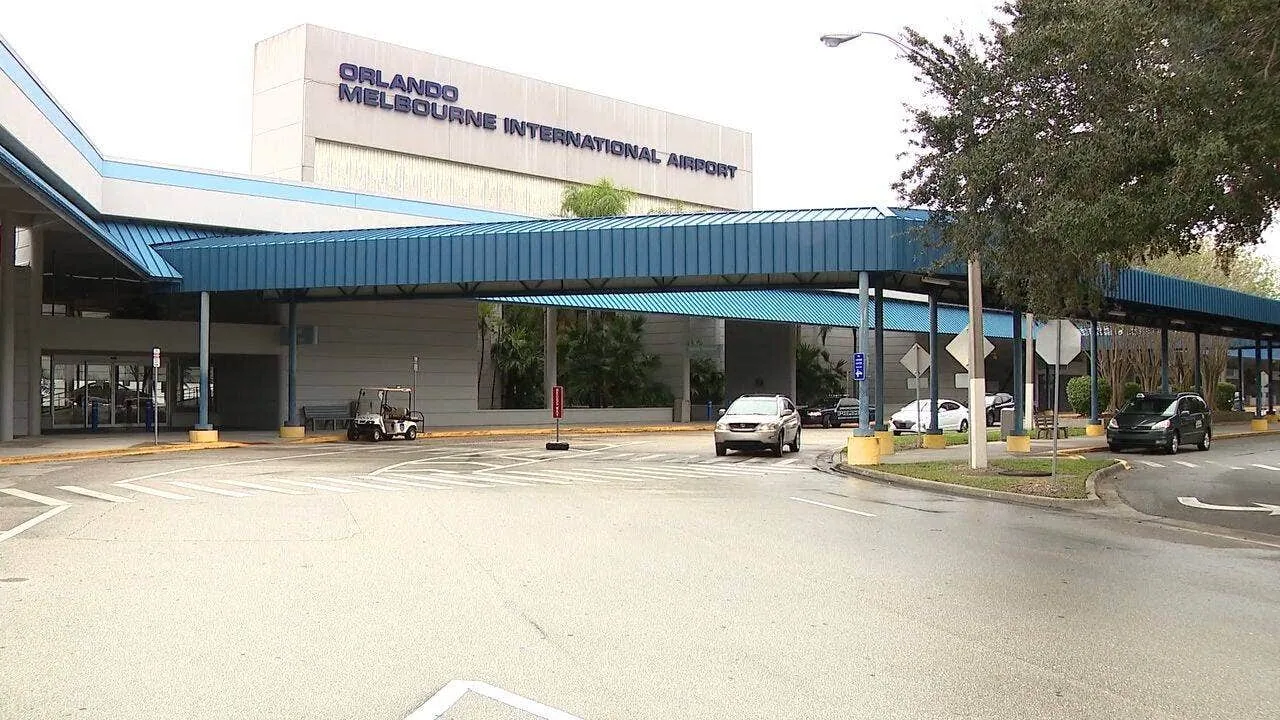
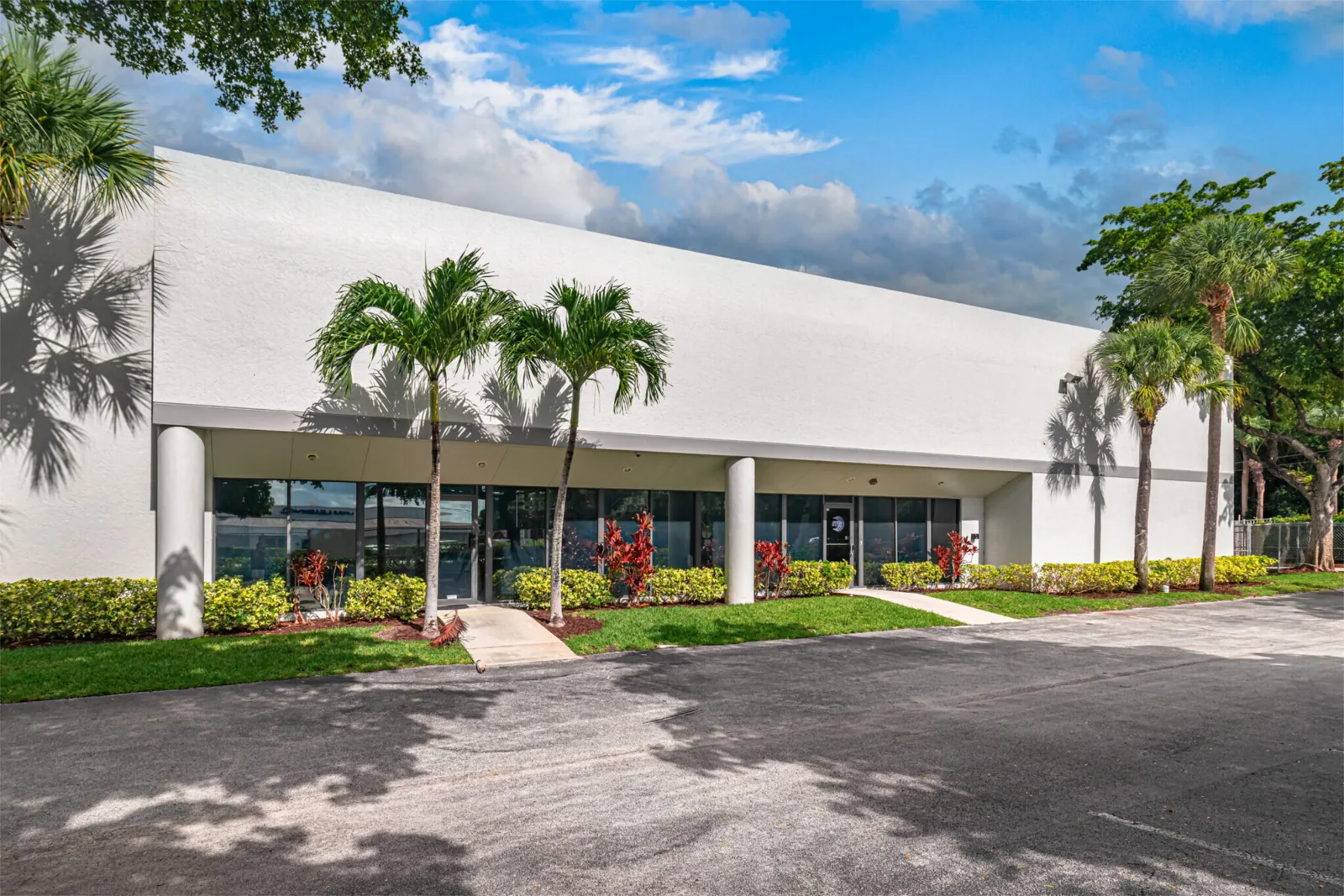
Regional commercial assets include Melbourne Orlando International Airport and Palm Bay Industrial Center. They operate under different ownership and access arrangements. A port tenant or manager should retain each report by property and roof section. The correct date and address make later storm inspections easier to compare.
After a repair, follow-up can check the patched seam, drains, edge metals, and supports. A condition report records priority and return items. A maintenance visit can revisit exposed metal and drainage on the facility's schedule. For active water, the contact should supply the event date, affected space, and current access rules before dispatch.
Learn more →
Learn more →
Learn more →
Learn more →
Learn more →
Learn more →
Learn more →