
A ceiling drip before students arrive can still reach books, wiring, or classroom equipment. We record the event time, room, and roof zone before setting an inspection boundary. Palm Bay has hot conditions and seasonal rainfall; nearby Melbourne normals provide regional context. A school work plan must fit the actual campus, schedule, and access rules.
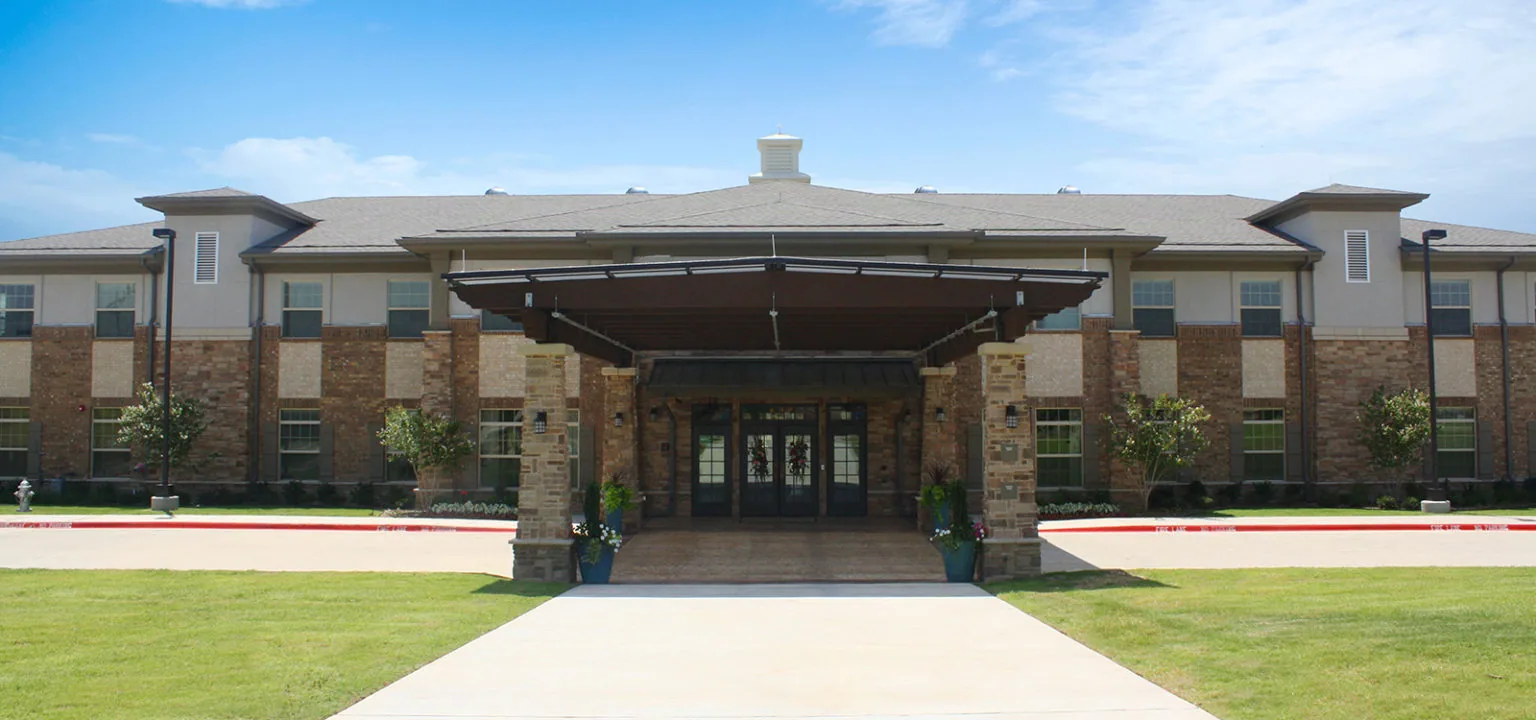
Mark classrooms, administration, kitchens, gyms, libraries, covered walks, and mechanical rooms on the roof plan when records are available. Inspect drains, seams, curbs, skylights, edges, and earlier repairs above the reported area. Water can travel through a deck or framing before it appears below. A commercial roof inspection records what is visible and notes any area that needs interior access.
School schedules have fixed arrival, dismissal, meal, and activity periods. Identify the affected rooms and nearby routes before setting a lift or closing a corridor. If students or staff are present, coordinate escorts and barriers with the campus contact. A roof zone that could not be reached should remain listed as unconfirmed.
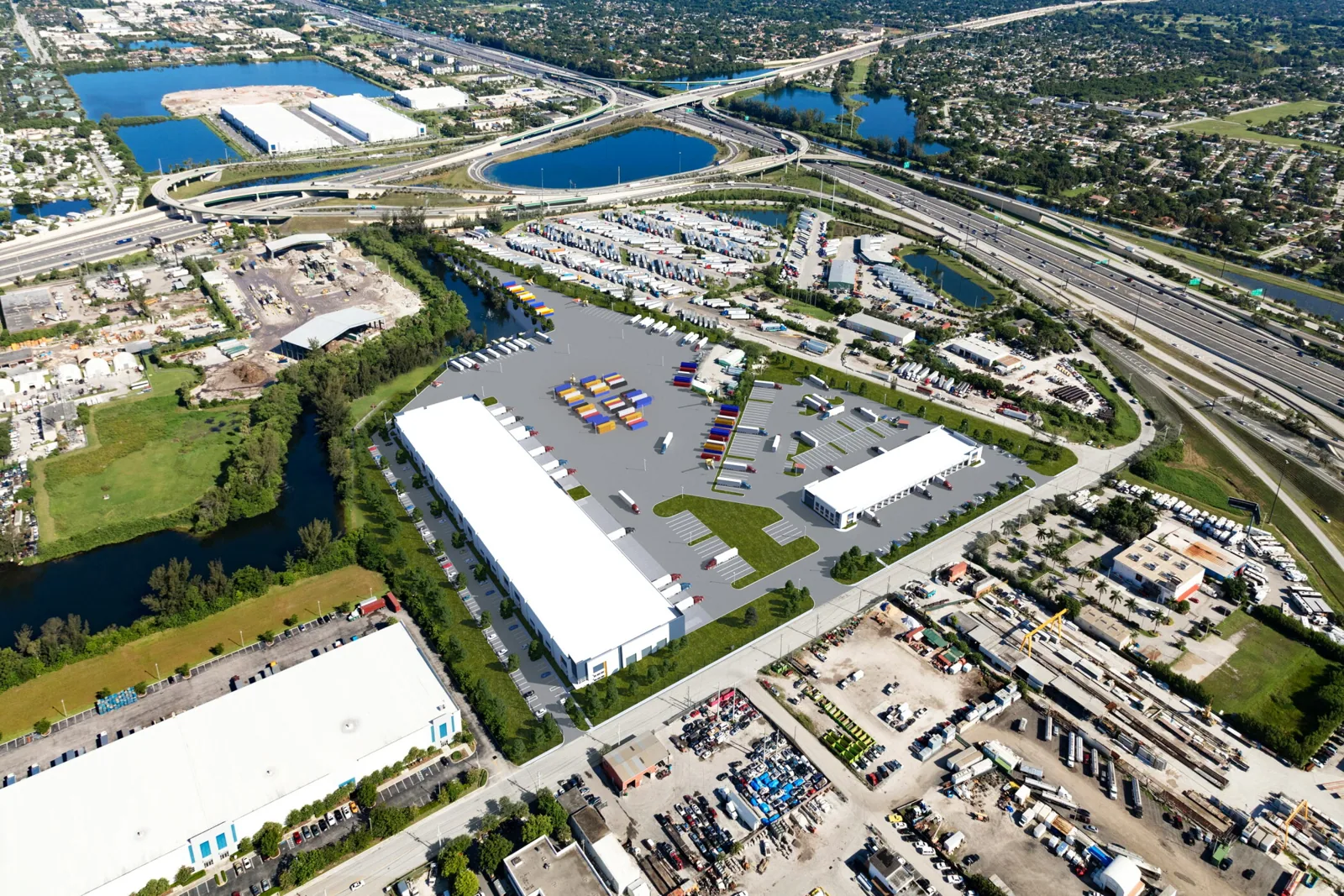
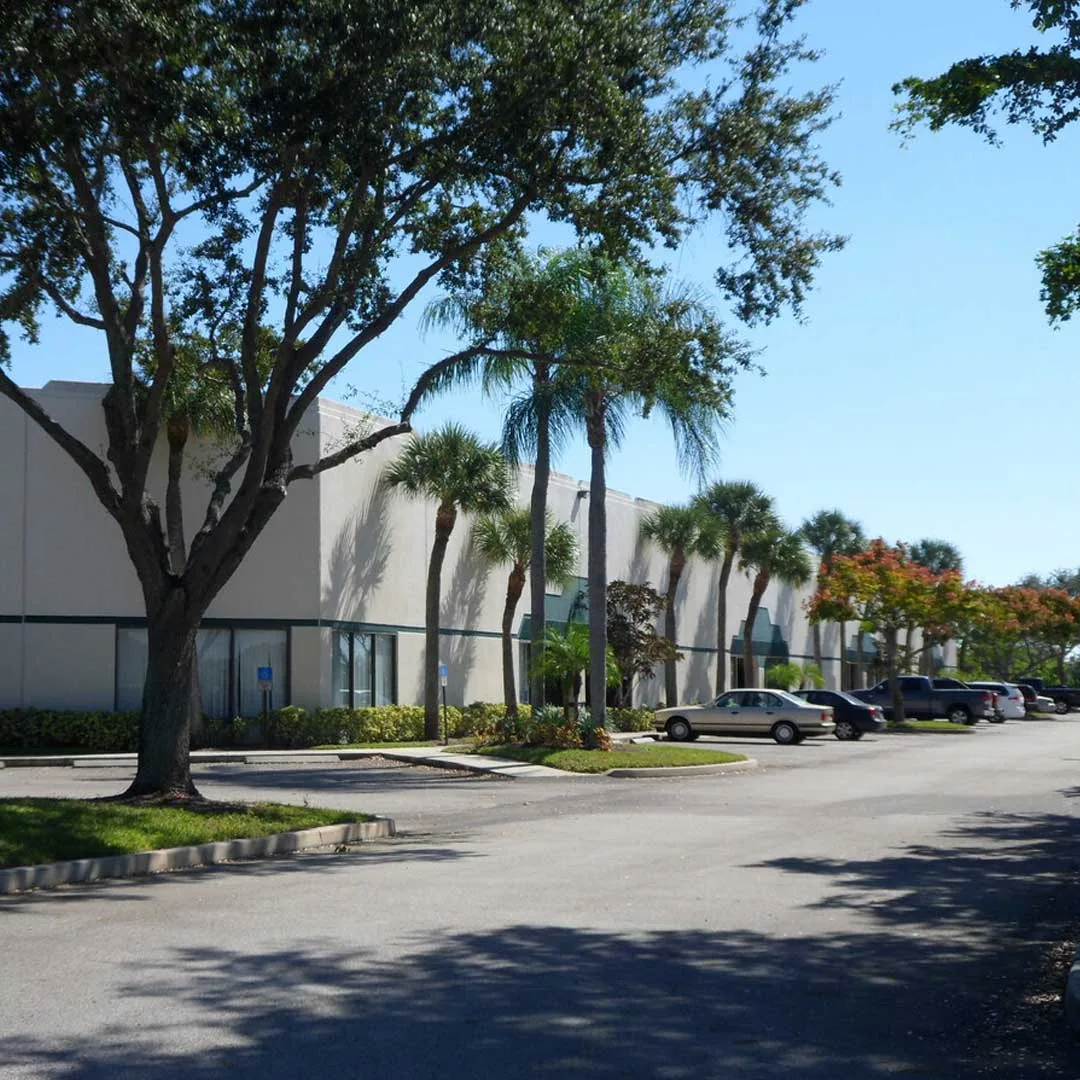
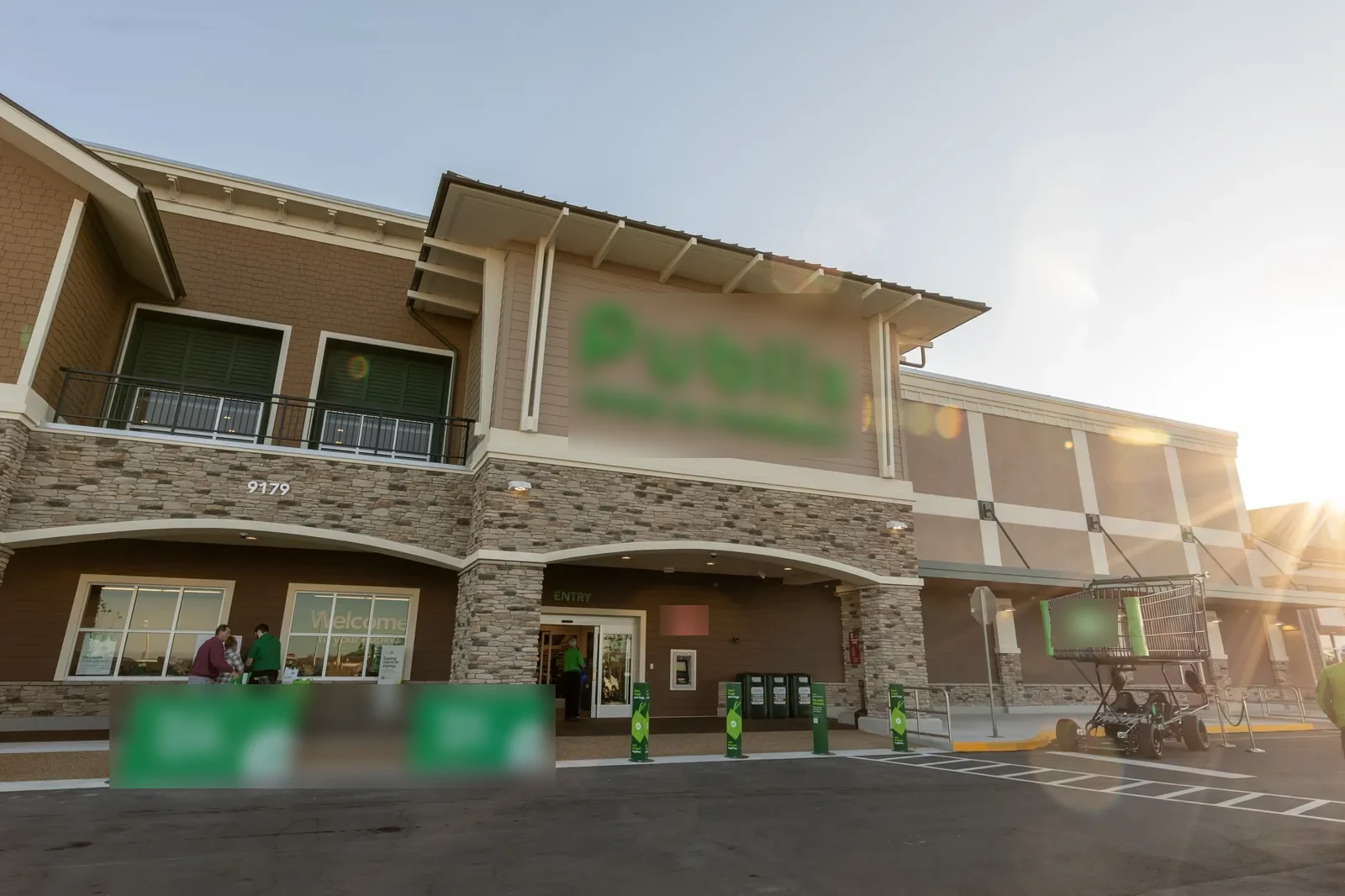
The Shoppes at Cypress Bay sits beside The Commons at Cypress Bay West in south Palm Bay. Its planning map includes Babcock Street, Micco Road, Malabar Road, and I-95 in the five-mile trade area. For a school job, confirm the campus route and approved delivery gate directly; the retail map does not identify school locations.
Nearby Melbourne climate normals record high summer temperatures and more than 55 inches of annual precipitation. Those regional figures help plan inspections and material windows, but they do not predict conditions on a particular school roof. Record the current surface, open drains, water marks, and the date of each reported leak.
Irma rainfall exceeded 13 inches at one Palm Bay point. That event-specific total does not describe conditions at school buildings across the city. After any storm report, inspect the roof zone, edge details, penetrations, and drainage before assigning a cause. The report keeps weather context separate from observed damage.
If a classroom has active water entry, temporary protection needs its own time, location, material, and return plan. Permanent work begins when the roof and weather allow it. A emergency roof response can limit immediate exposure while the school representative coordinates access and interior protection.
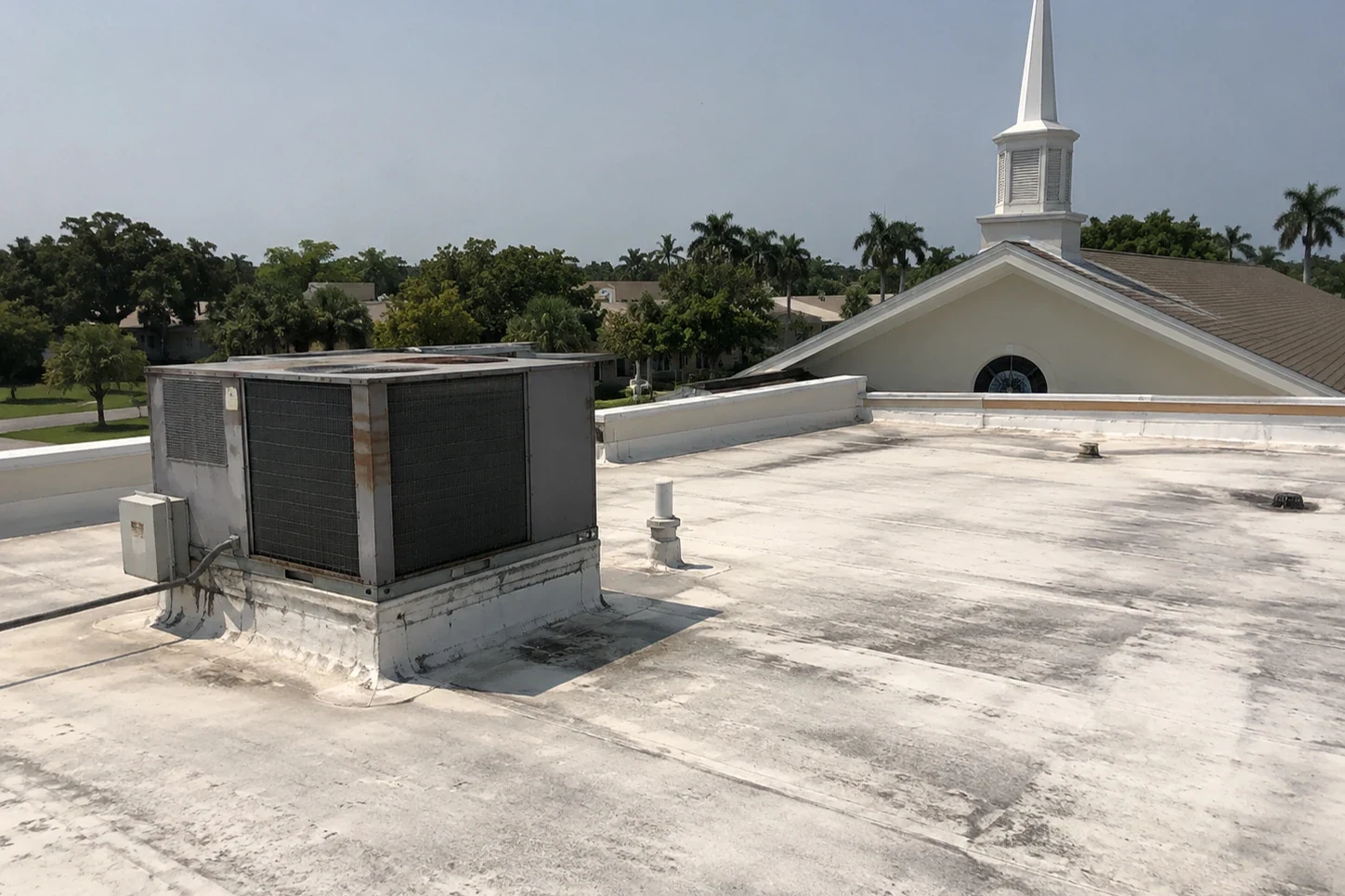
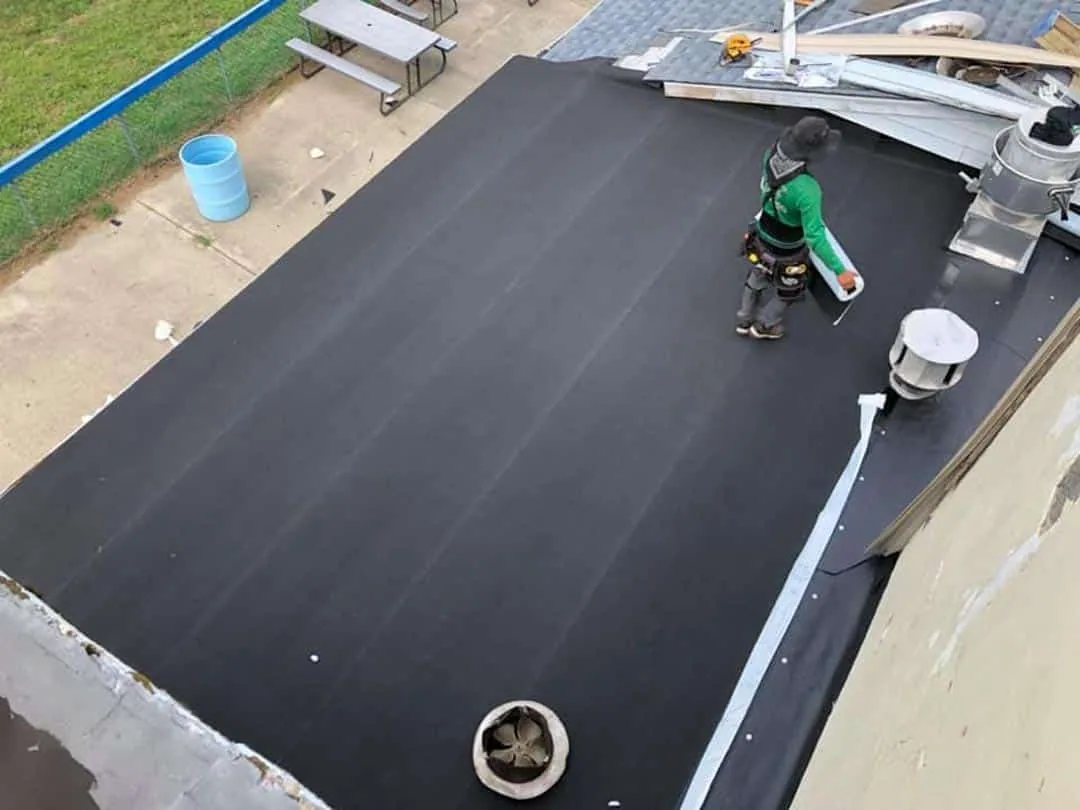
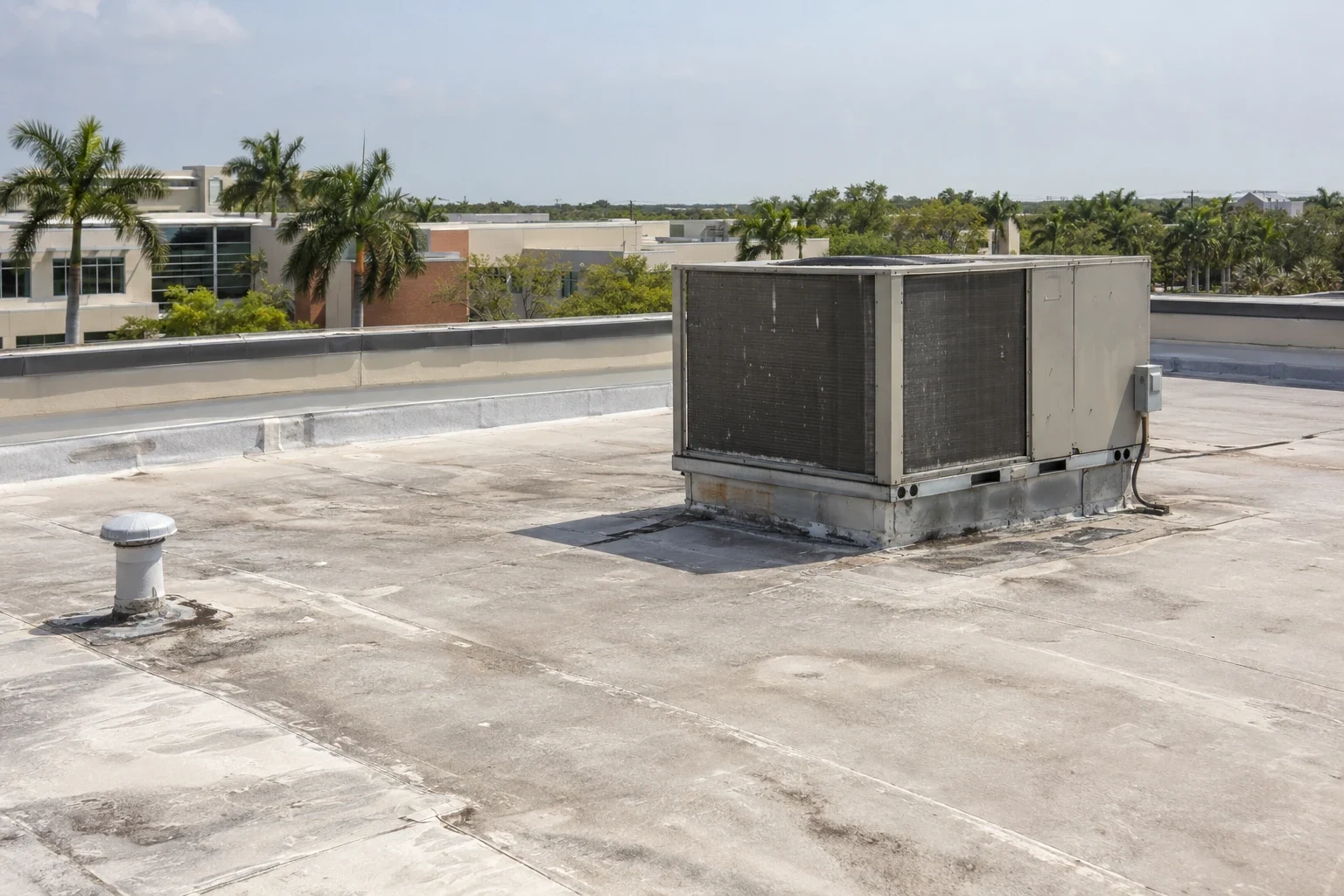
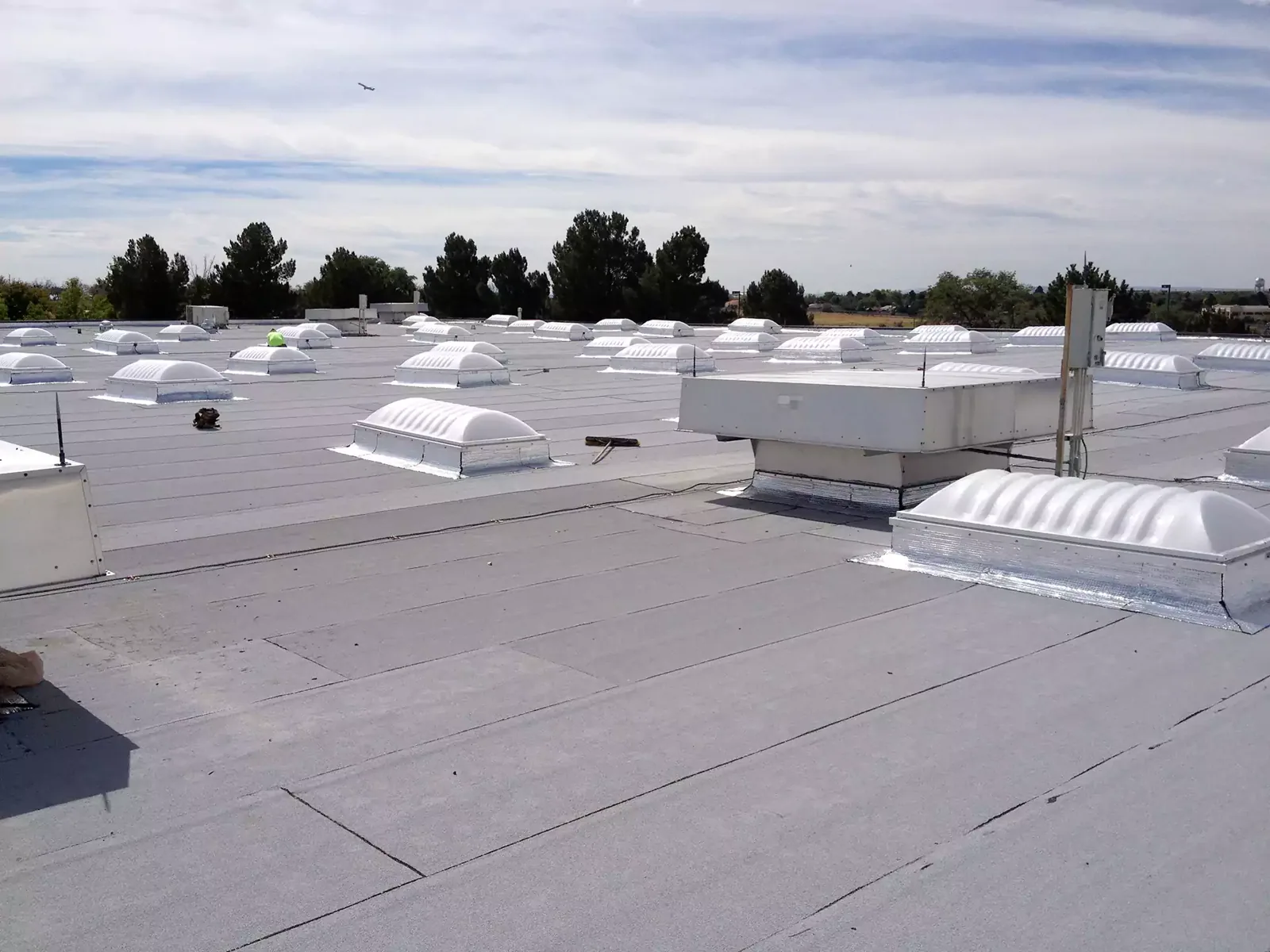
Schools may have membrane, built-up, coated, or metal roof areas, sometimes across different additions. Confirm the surface before specifying repair. Check field seams, drains, wall transitions, rooftop units, skylight curbs, edge metal, and fasteners. A TPO roof system and a standing-seam roof need different repair materials and details.
Repeated leaks near a classroom wing can arise from one opening or several unrelated details. Map each report separately and compare it with roof slope and building plans. A test opening, if approved, confirms layers at that location only. Record what was removed, whether insulation was wet, and how the opening was restored.
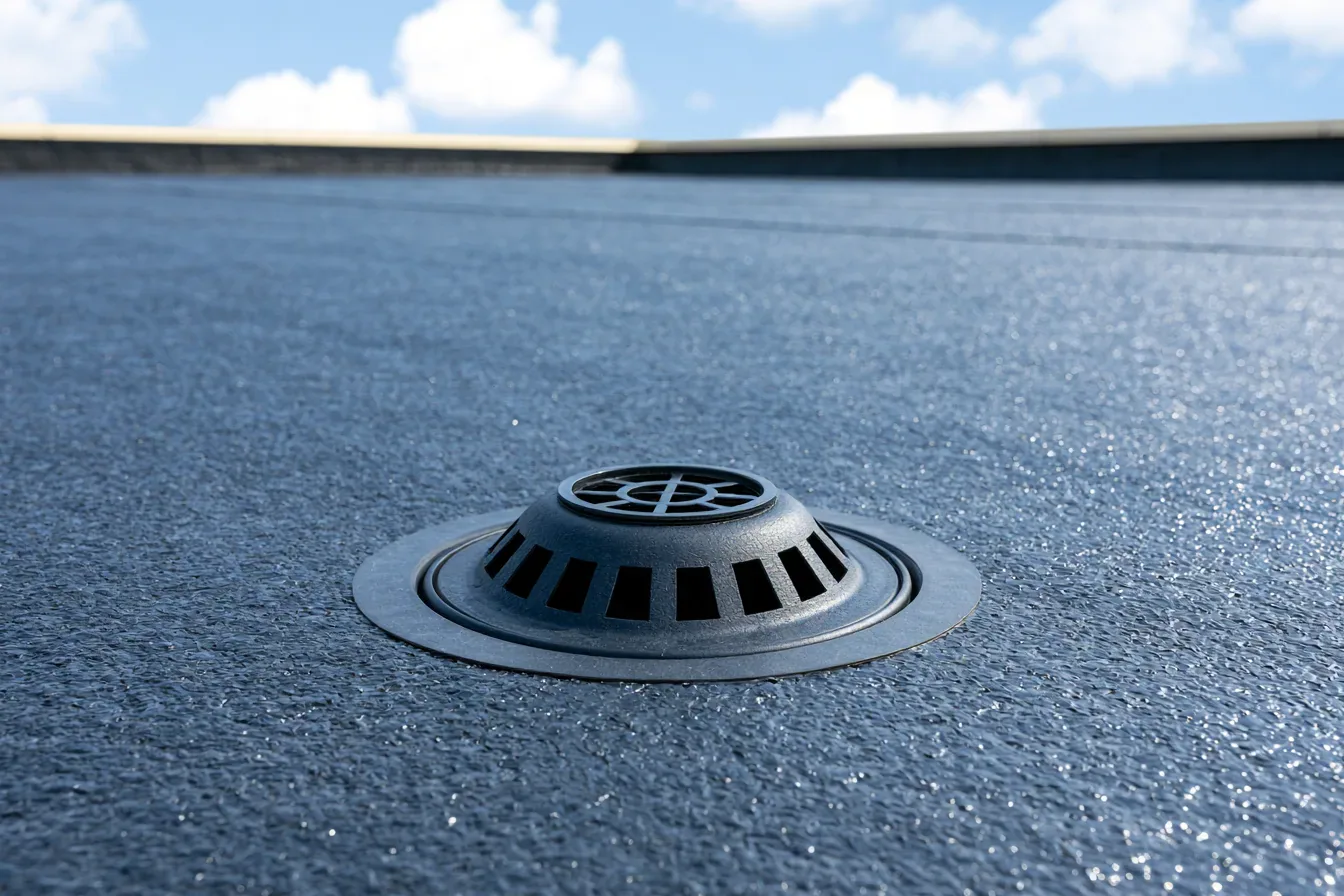
Drainage deserves a separate pass after debris is cleared. Check the drain bowl, overflow, scupper, and any low area. A drainage review can document a restricted outlet versus a slope concern. Do not leave emergency routes or ground-level drains blocked during repair.
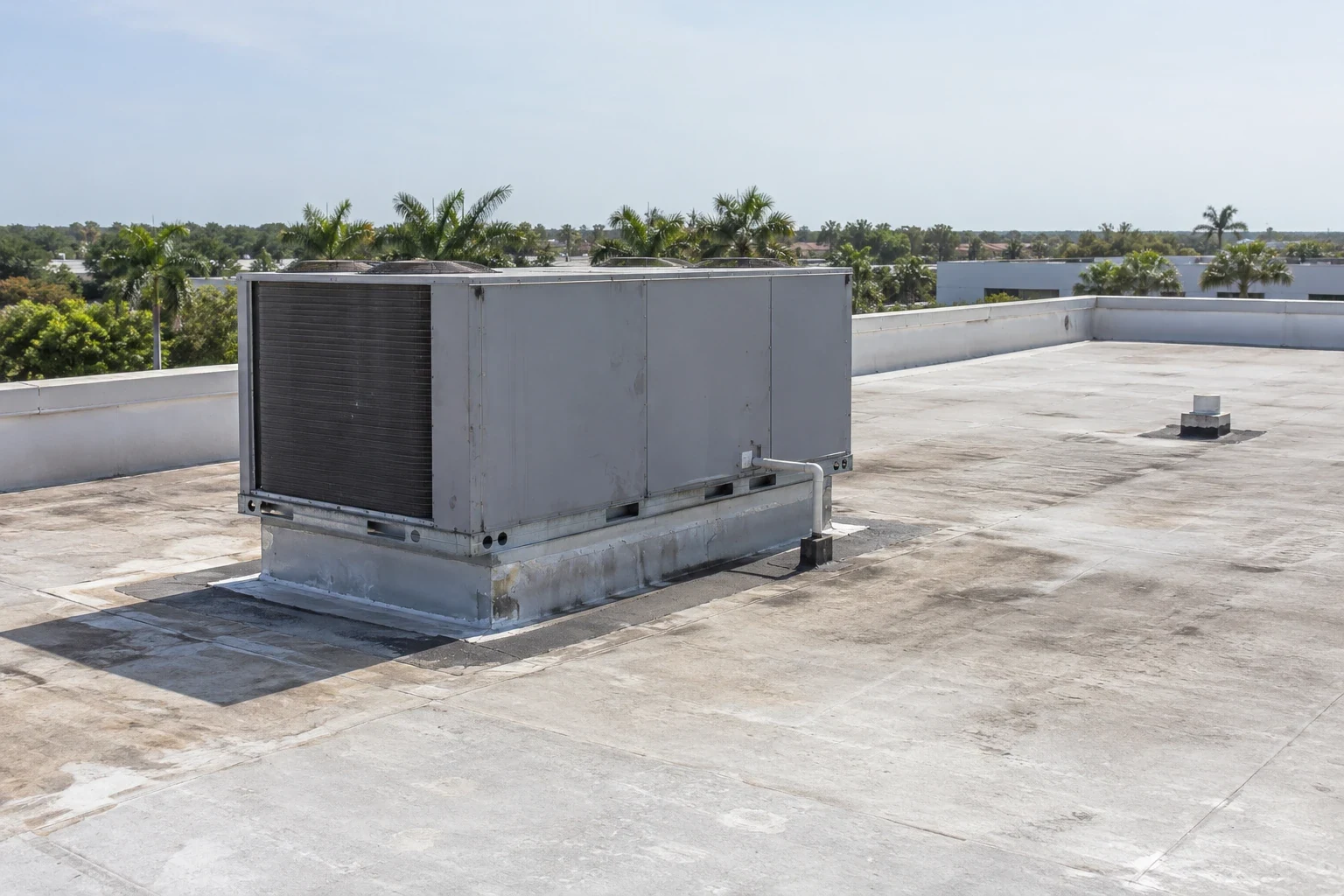
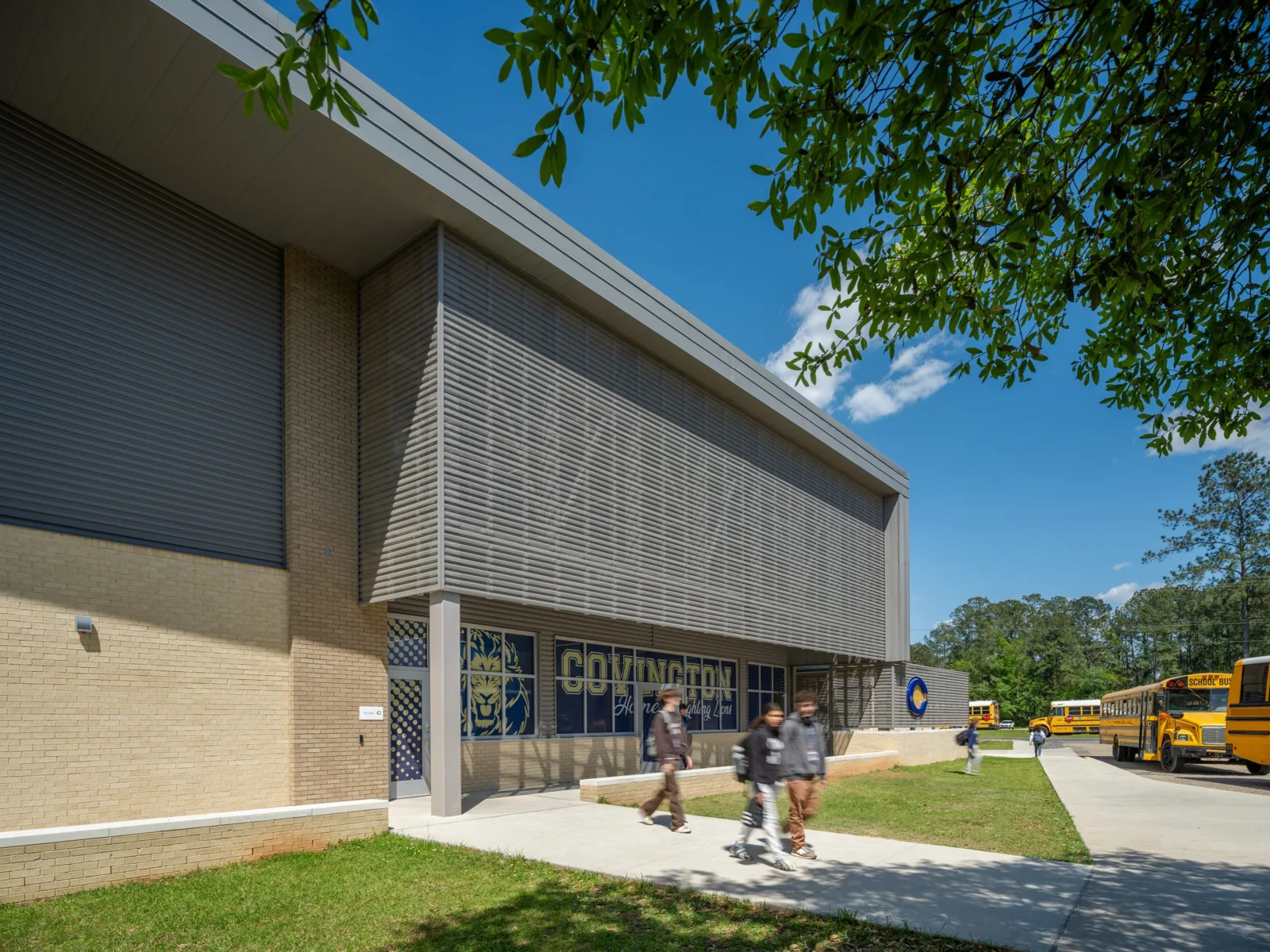
Before mobilization, confirm school hours, deliveries, bus circulation, after-school activities, security procedures, and roof access. Set barriers around lifts and material staging. Identify whether work above a room requires relocation, ceiling protection, or a temporary closure. Keep fire exits and accessible routes available according to campus direction.
Work that creates noise, dust, odor, or falling debris needs a clear boundary and schedule. The school determines which areas can be occupied. If an assembly must be opened, protect interior contents and coordinate with staff responsible for the room. Record each access restriction rather than implying the whole roof was inspected.
A college campus roof plan also considers occupied buildings and event schedules, while K-12 work adds student arrival, dismissal, and safeguarding controls. A hospital roof plan offers another example of coordinating sensitive interior spaces, but the school defines its own safety procedure.
A loose flashing or puncture may support a local repair. Multiple leak zones, wet insulation, open seams, damaged deck, or repeated patches can require a broader scope. State the evidence, test locations, and access limits before recommending repair, recover, or replacement. A replacement assessment can map which sections need removal and which remain serviceable.
For a recover, review existing layers, attachment, drainage heights, structural conditions, and applicable code requirements. Do not cover concealed damage without approval. The proposal identifies materials, preparation, transitions, interior protection, school access, work hours, exclusions, and how newly exposed conditions will be handled.
Timing and cost depend on system type, roof access, work periods, tear-off, weather, and the campus areas that need protection. A condition report can retain photos and open items by building wing for maintenance and budget review.
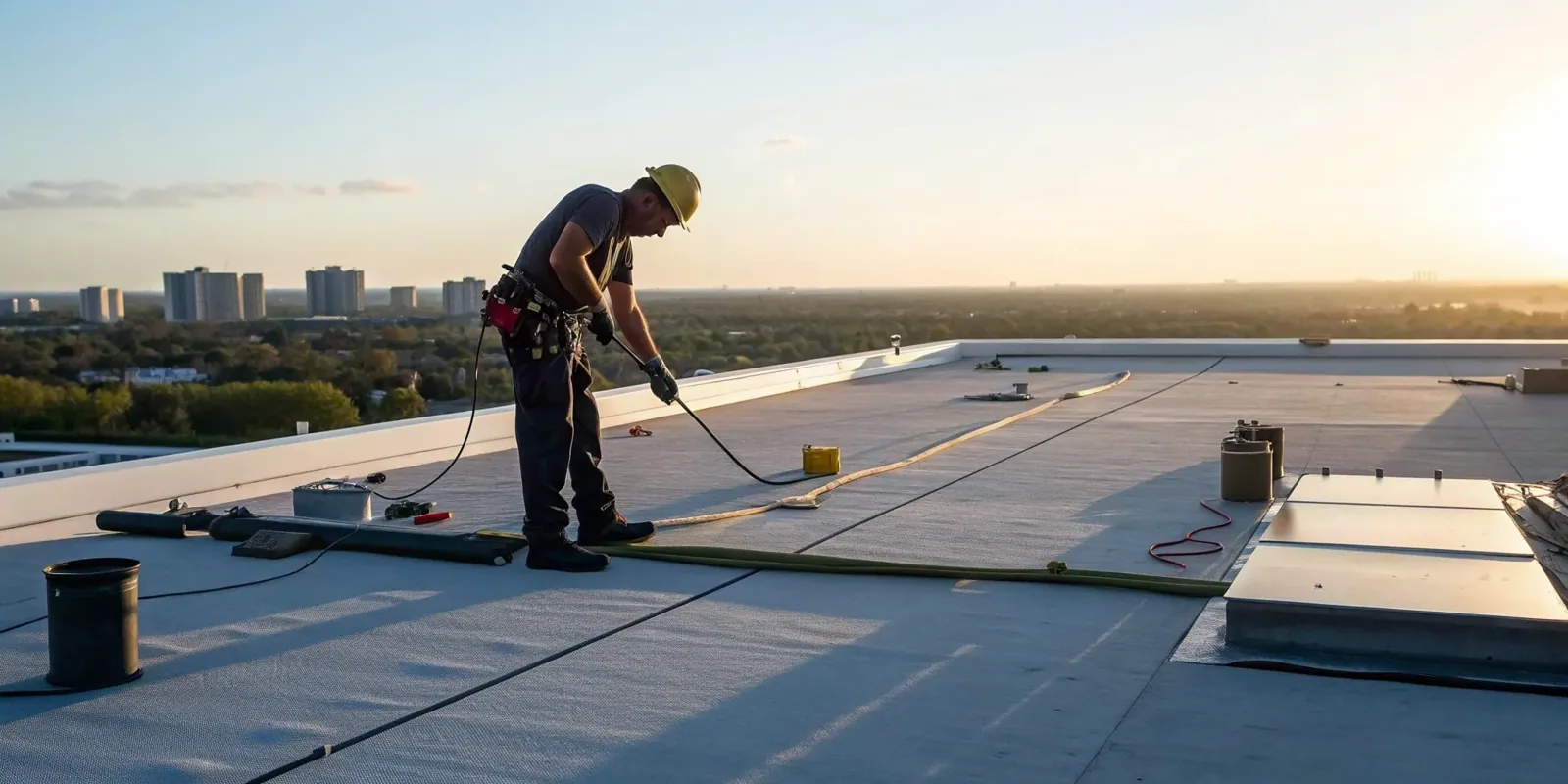
Closeout photos should show the repaired detail, adjacent surface, drain, edge, and any test opening. Record dates, materials, repair boundary, work hours, access restrictions, affected room, and items left open. Tie every image to its roof zone so future staff can compare conditions.
The Commons at Cypress Bay West is planned near Babcock Street SE and St. Johns Heritage Parkway SE. A Commons at Cypress Bay West service area identifies that local commercial node, not a school site. For a campus project, confirm the owner's address and gate information before dispatch.
Set follow-up for repaired areas, temporary covers, and any test point that could not be closed permanently in the first visit. A maintenance visit can check drains, penetrations, and surface wear before another classroom report. Keep open conditions on the record until they are resolved.
Learn more →
Learn more →
Learn more →
Learn more →
Learn more →
Learn more →
Learn more →
Learn more →