
A leak in a lab or residence hall can affect research, classes, or student housing. We log the event time, building, and roof zone before describing what the inspection confirms. Palm Bay's nearby Florida Tech Research Park initiative links university research with airport industrial land. Each campus building still needs its own assembly, access plan, and repair boundary.
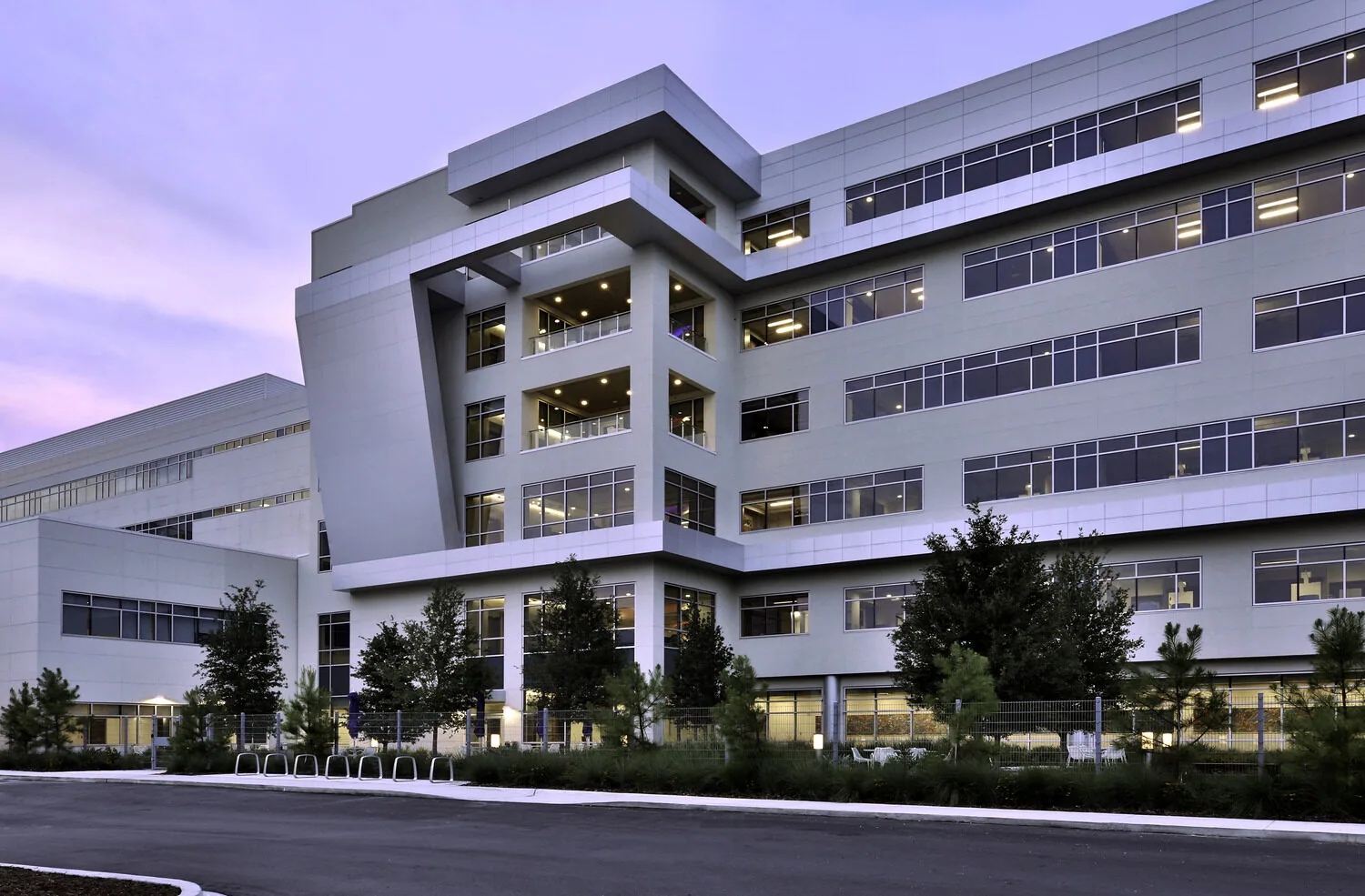
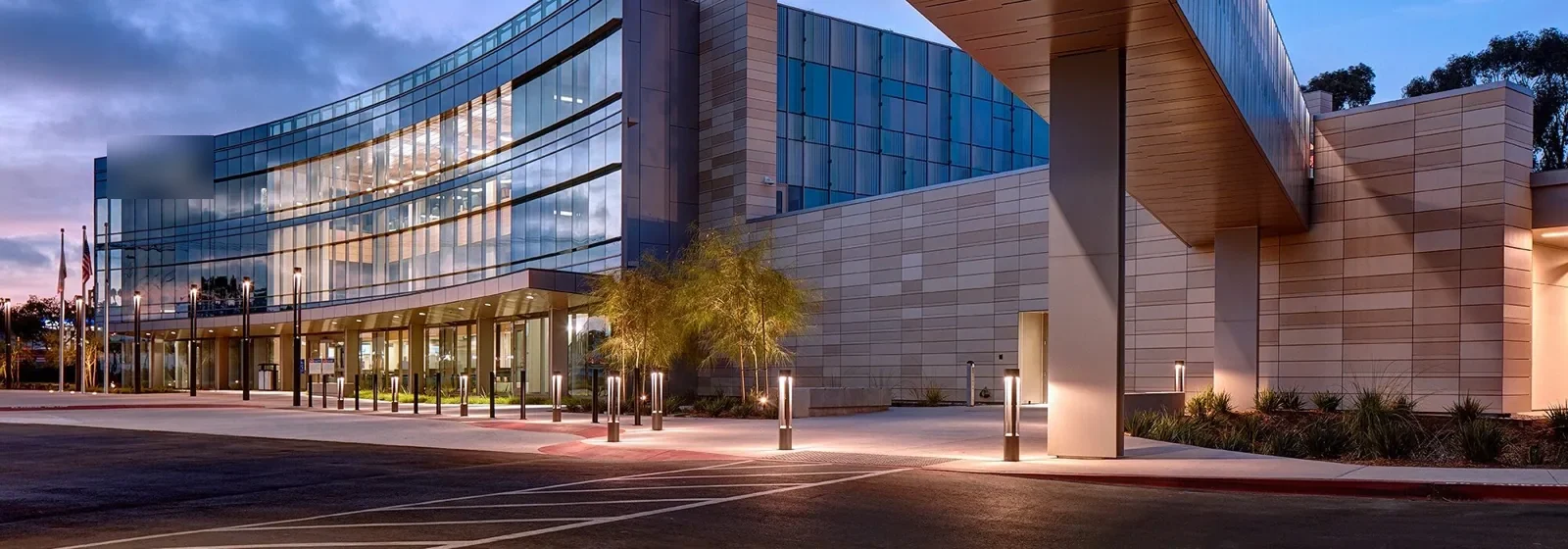
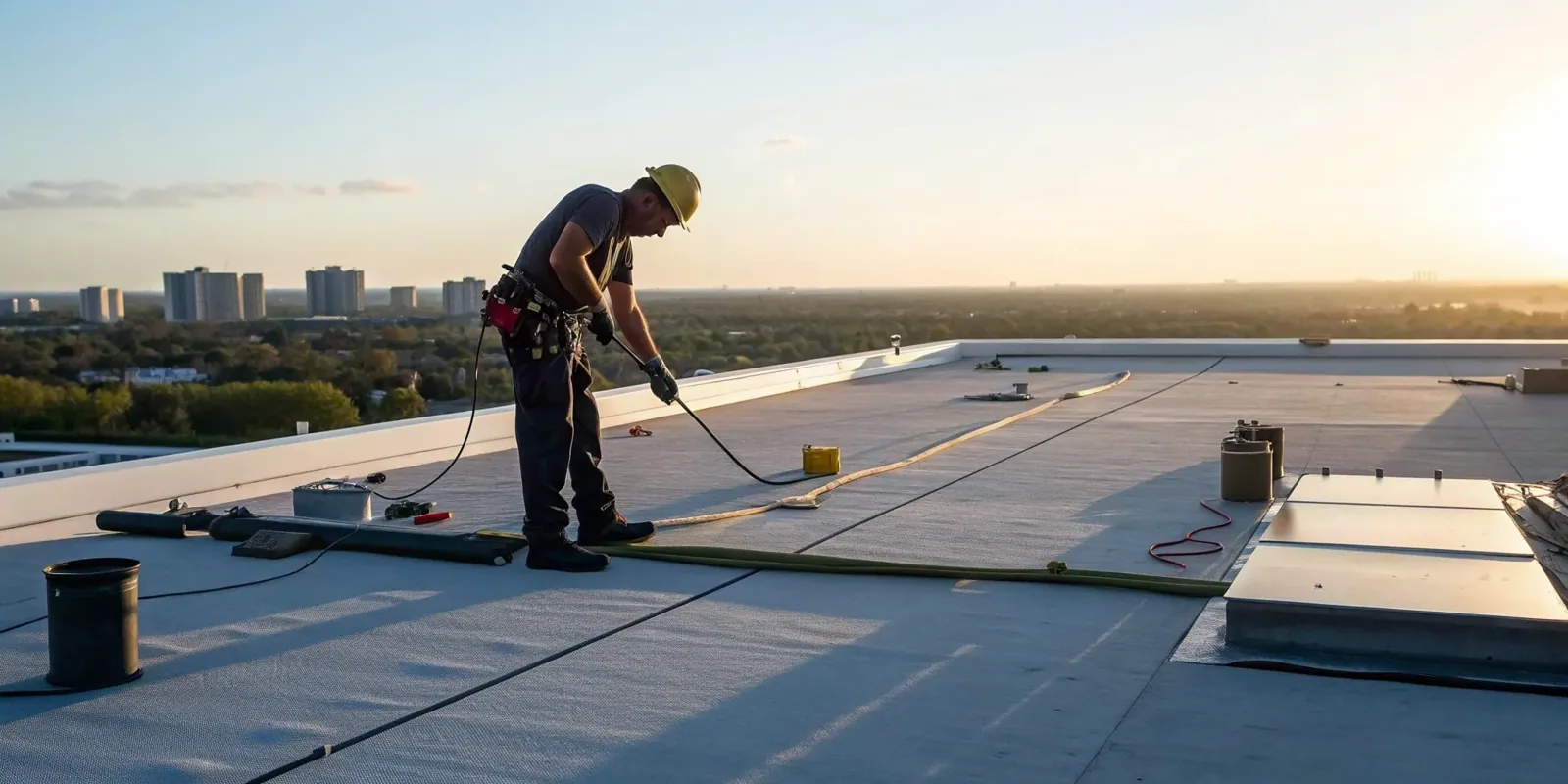
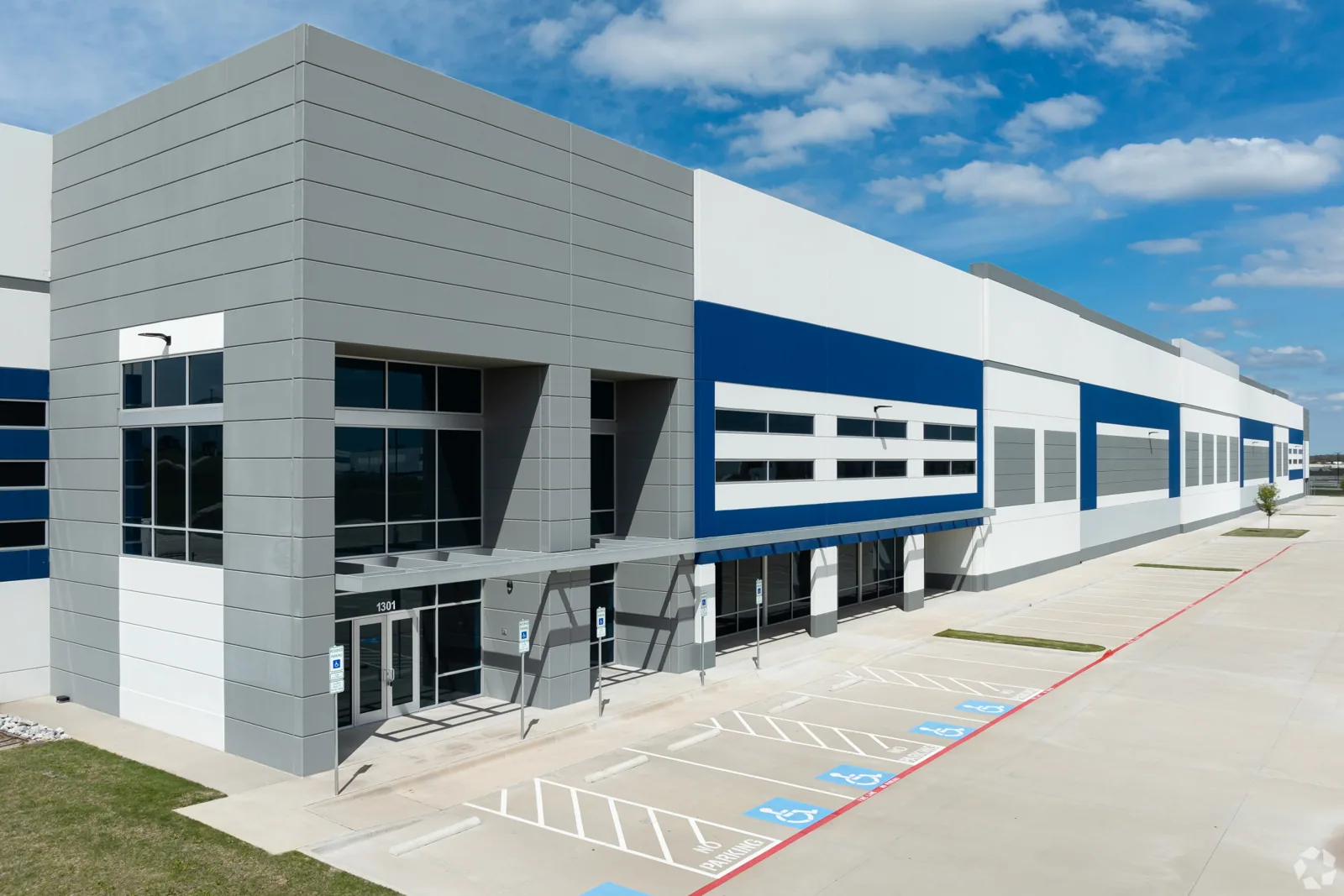
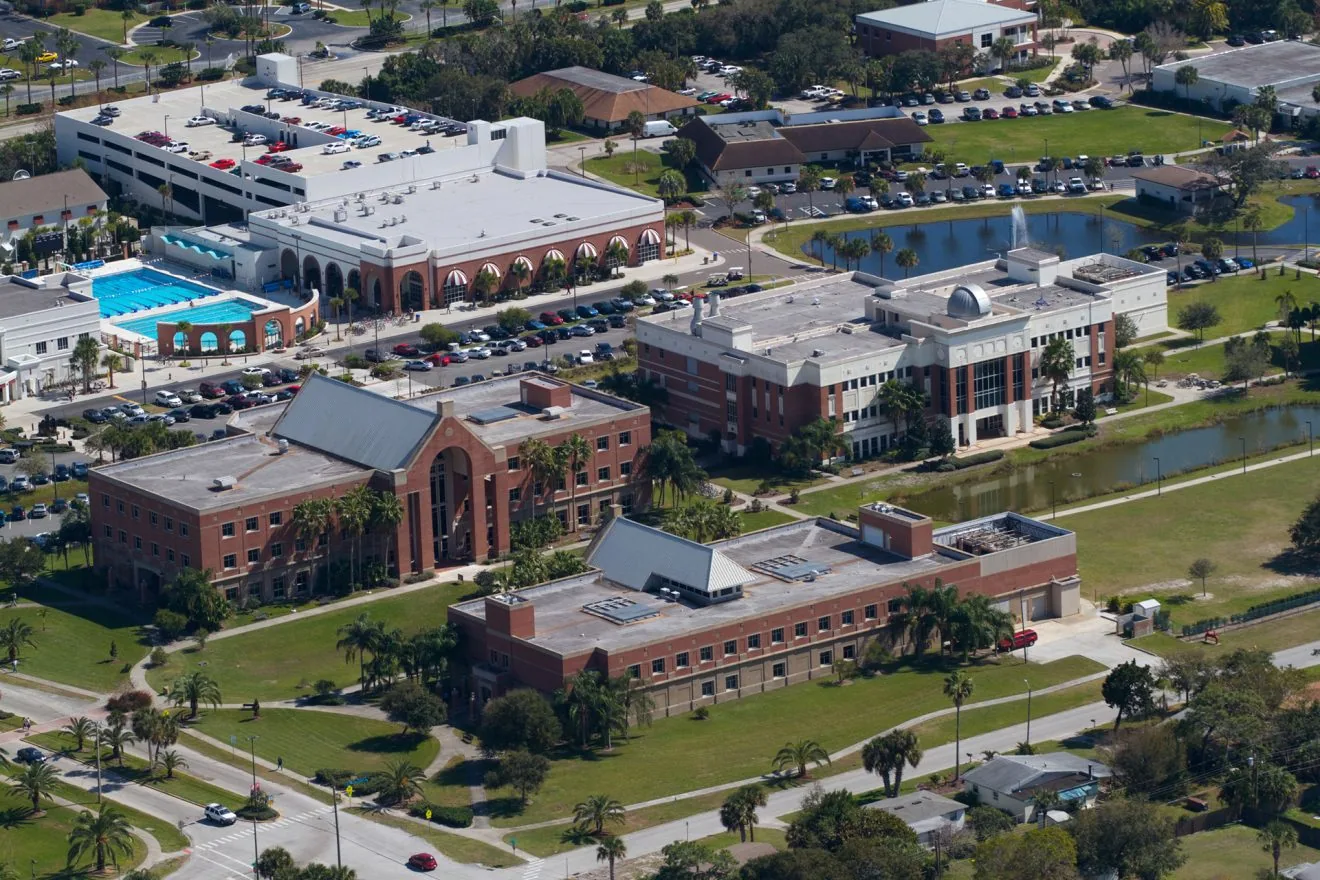
A college campus may include teaching rooms, laboratories, libraries, residence halls, dining areas, athletic facilities, and central utilities. Map each building and roof zone instead of applying one condition to the whole campus. Inspect seams, penetrations, drains, edges, curbs, skylights, and previous repairs. A commercial roof inspection can document findings by building and record which areas were not reached.
Research equipment can add exhaust, process lines, supports, and sensitive intake locations. Residence and classroom buildings have different interior protection needs. Confirm the use below every repair zone and coordinate with the building contact. A ceiling stain can be displaced from its roof opening, so inspect the surrounding drainage and structure before identifying the entry point.
About 100 acres along NASA Boulevard were designated for Florida Tech Research Park. Planned components include an aviation training center and an applied research laboratory. Those plans provide a local reference for technical campus coordination, not a claim about any specific roof. We verify property ownership, building use, and assembly at the project address.
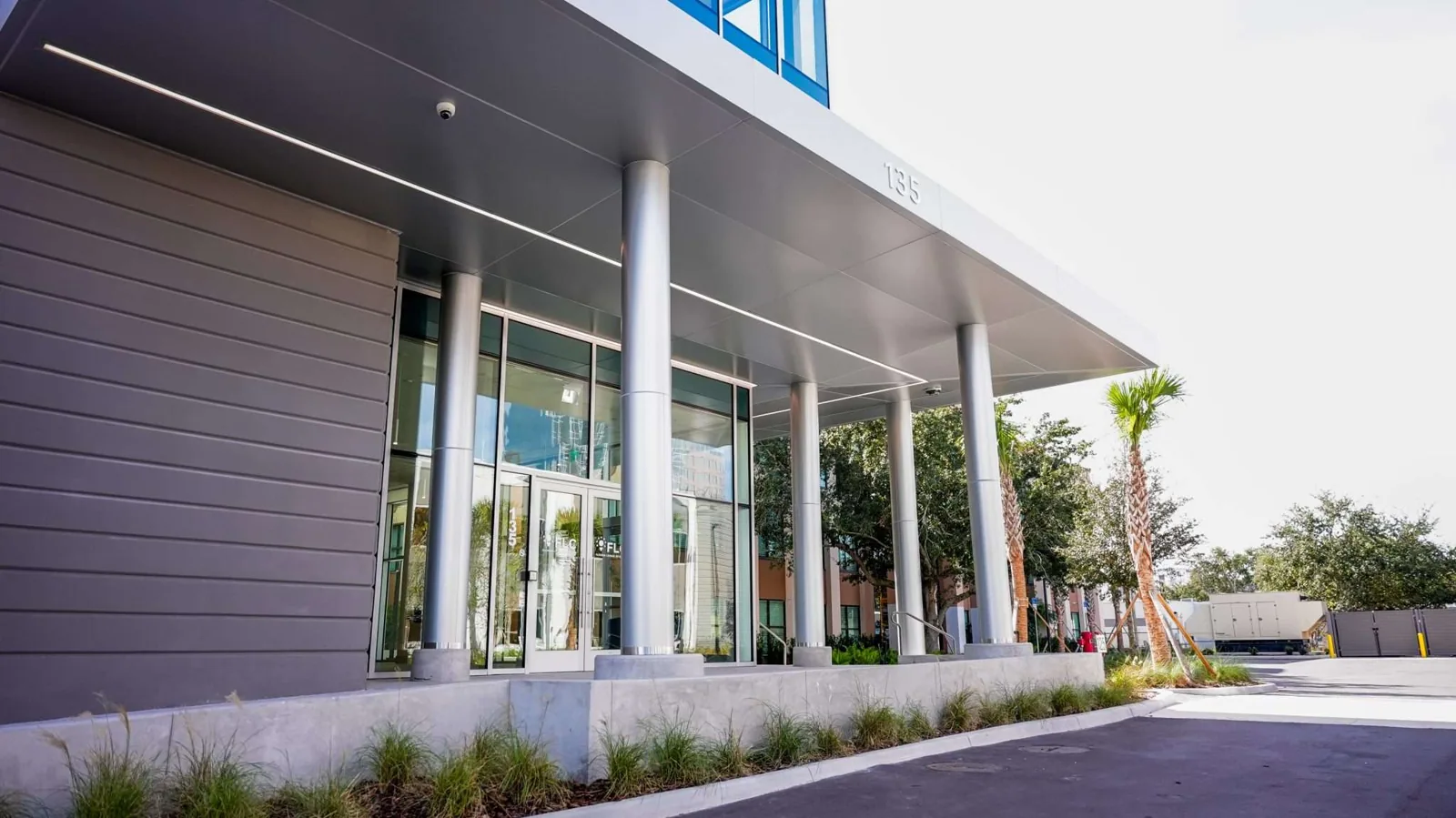
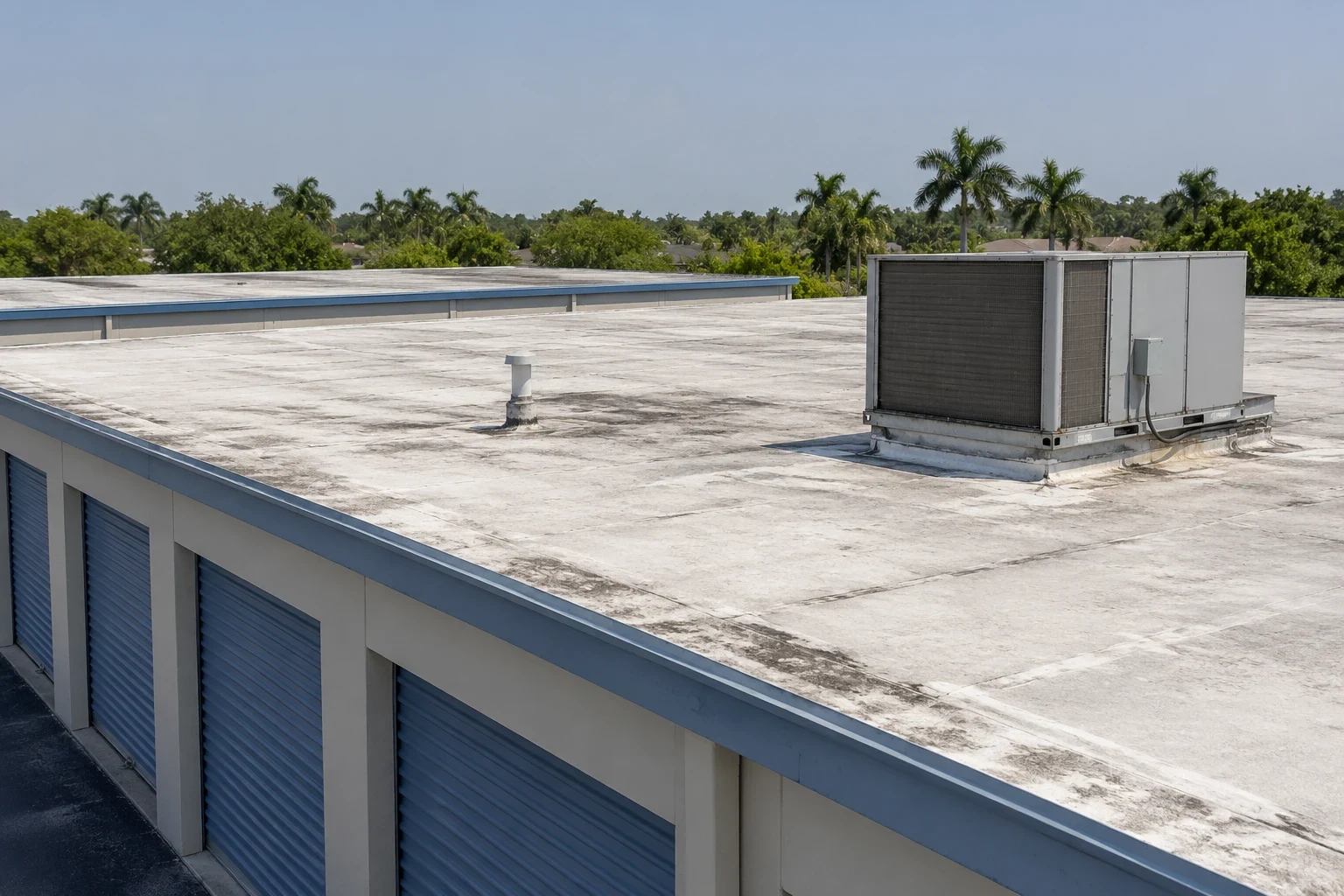
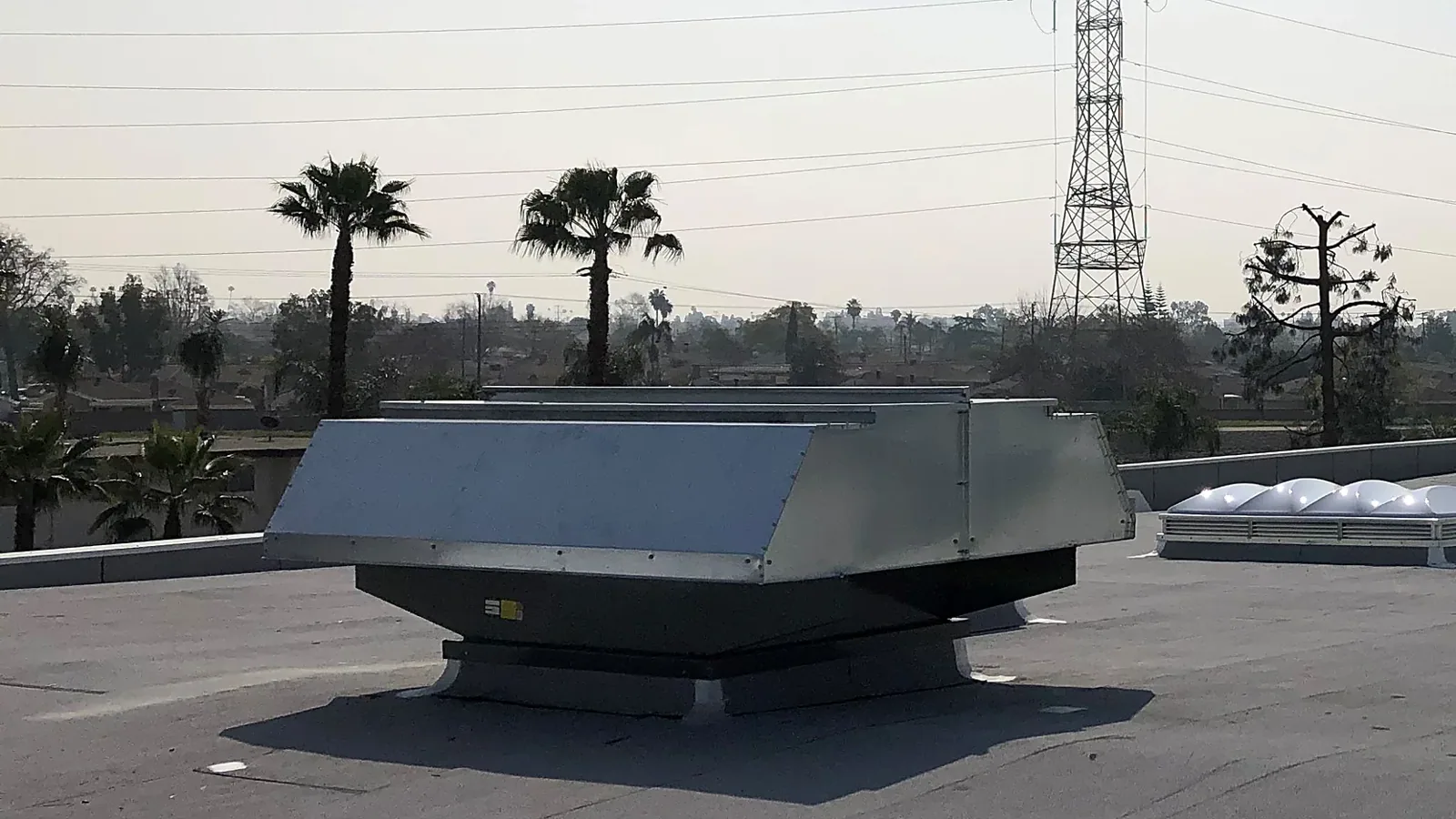
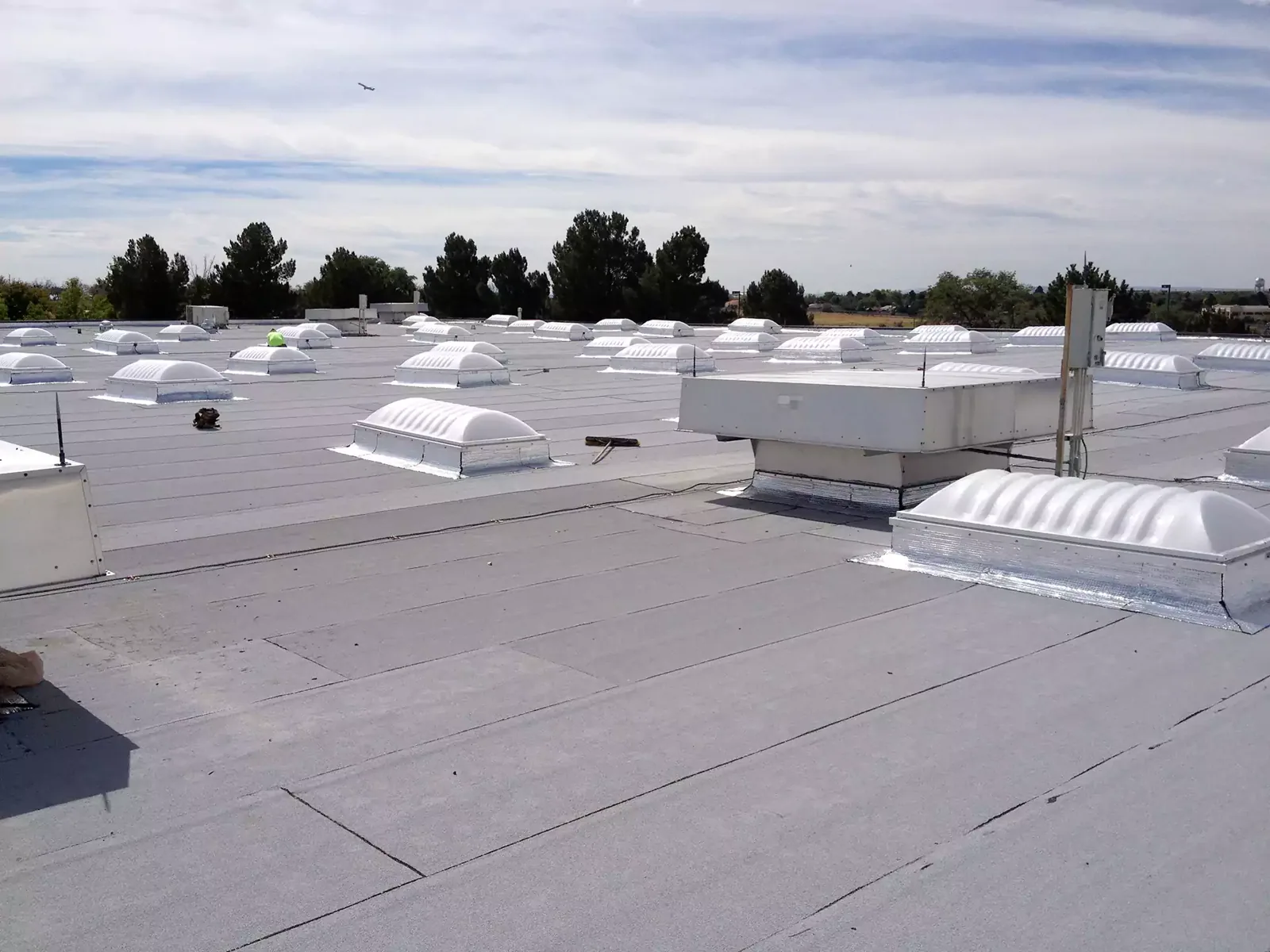
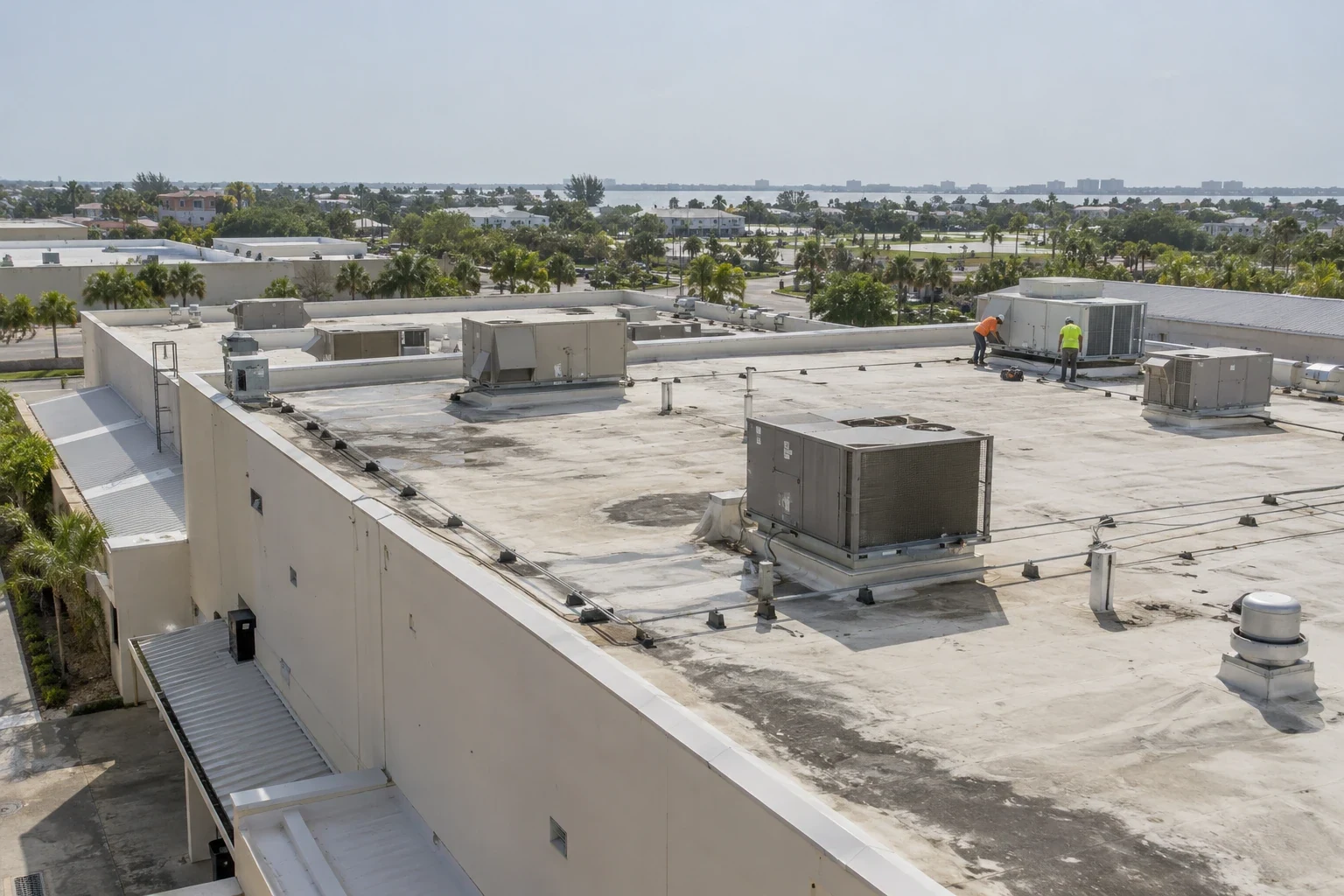
Inspect around laboratory exhaust, rooftop units, utility lines, antennae, and supports. Look for separated flashing, movement, corrosion, residue, loose fasteners, and membrane damage. A equipment curb review can record details around rooftop machinery and distinguish the unit from the roofing transition.
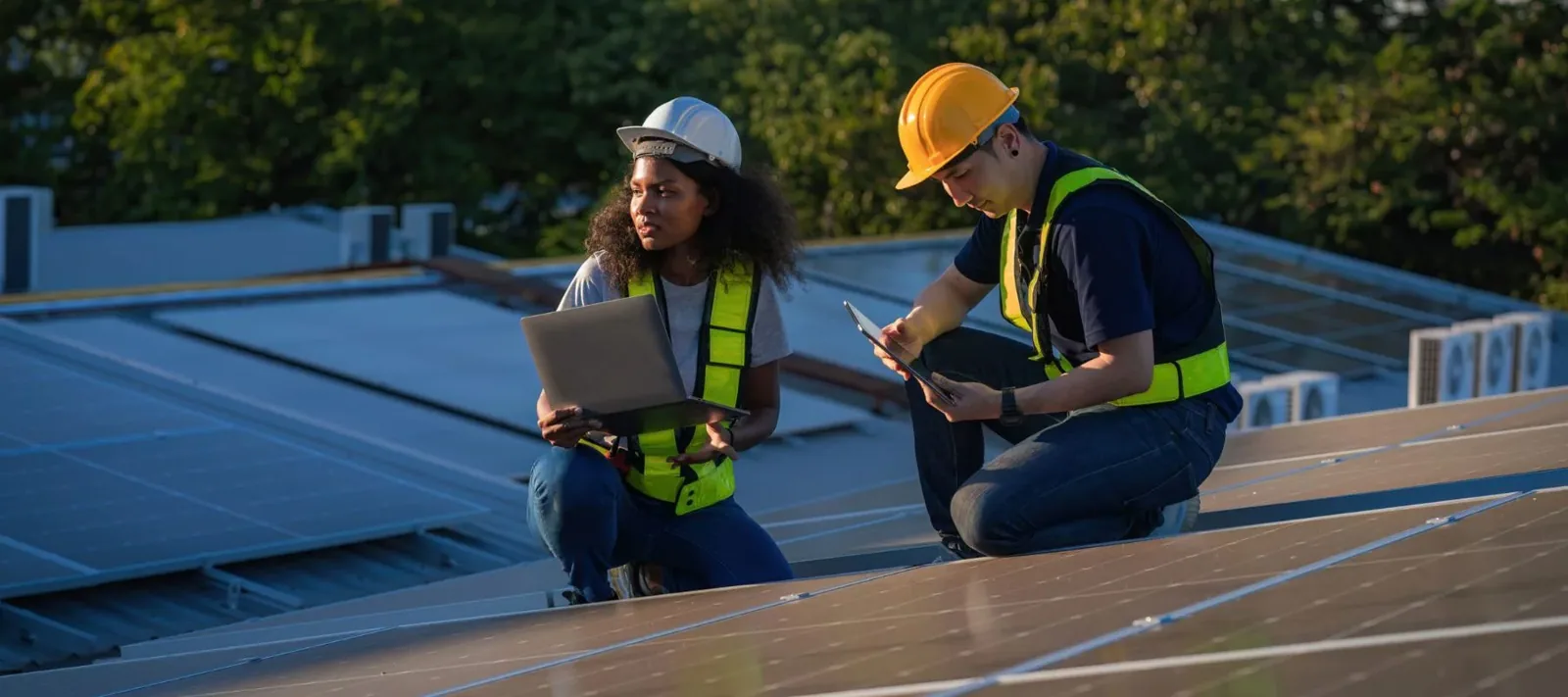
Some lab areas may have access controls or limits on photography. The university's authorized contact sets escort, badging, and work hours. Identify any intake, exhaust, or process area that must stay clear. Do not wash or stage materials near those openings without an approved protection plan.
A manufacturing plant roof review also considers exhaust and equipment changes. A K-12 school roof plan shares the need to protect occupied rooms, though a campus may combine research, teaching, and residential uses in one property portfolio. Use a separate map and access plan for each building; one test opening cannot confirm every roof zone.
Before mobilization, identify class times, exams, move-in periods, conferences, dining hours, and event traffic near the work area. Confirm lift position, staging, service roads, pedestrian routes, and any overnight access rules. Campus operations may allow a phased repair while nearby buildings remain open, but the owner determines which routes can close.
Set an interior protection zone before opening the roof. If water is active, temporary protection receives a separate date, location, and return plan. The permanent scope begins after the assembly is inspected and the work area is safe. Emergency response can address immediate exposure while campus staff coordinate access.
Nearby Melbourne climate normals show high summer temperatures and substantial rain. These regional records support scheduling awareness, but do not predict a particular campus workday. Check the actual surface and forecast before applying material. If a shift stops early, record completed zones and any opening needing protection.
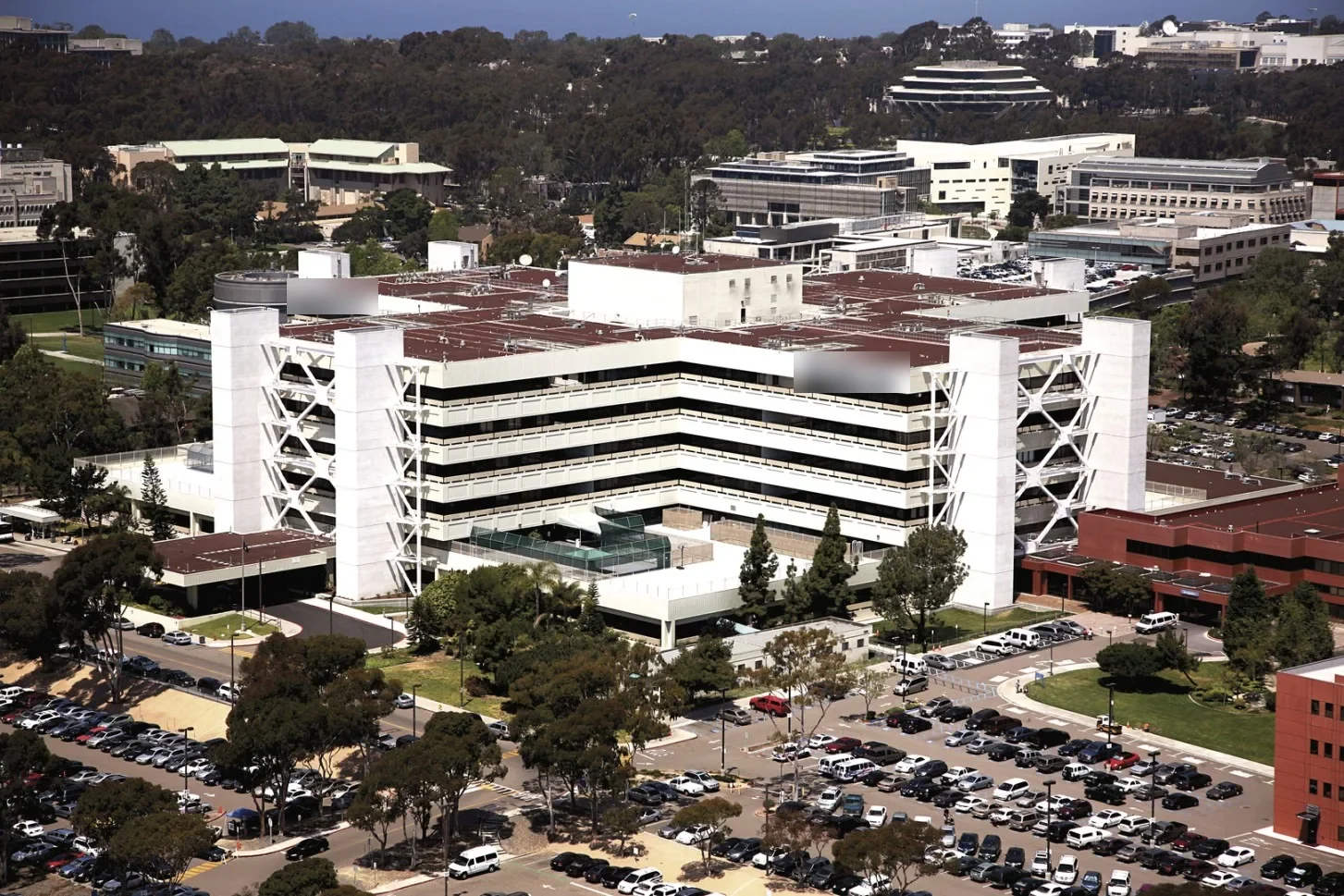
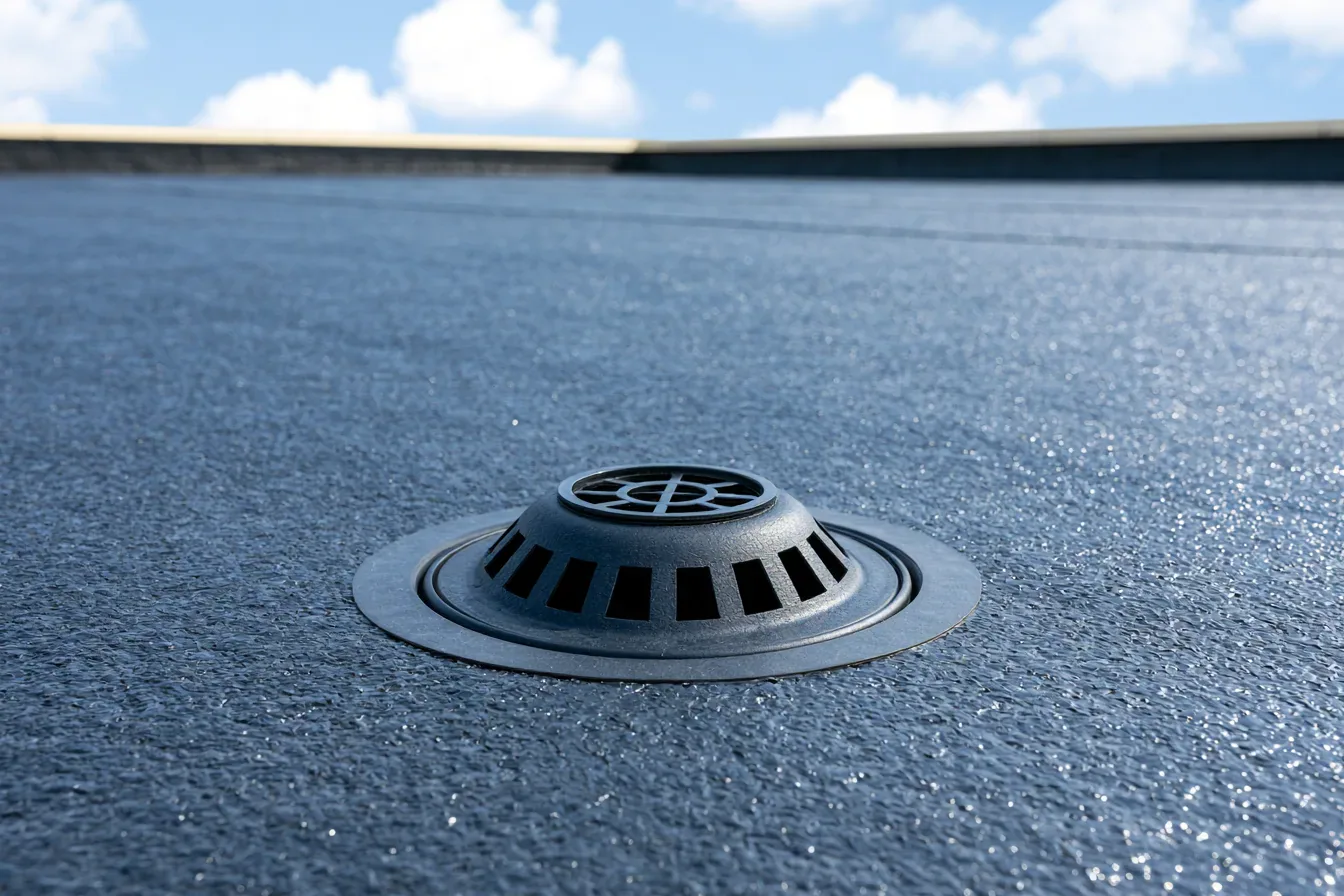
Large campus buildings may use different roof assemblies and drainage layouts. Inspect drains, scuppers, overflows, parapets, and low points. A drainage review can separate blockage from a slope concern and identify where water remains after cleaning. Keep overflow paths clear during repair.
Repeated leaks near a lab, classroom, or residence hall can reflect distinct defects or a larger assembly issue. Compare roof plans, maintenance records, test results, and interior reports. A moisture survey may help select a test location when conditions allow; infrared patterns need confirmation before wet insulation is reported.
If a test opening is approved, document the layers, moisture, and restoration detail at that location. Mark other wings or additions as untested when their assembly differs. The owner should see which conclusions are confirmed and which still need investigation.
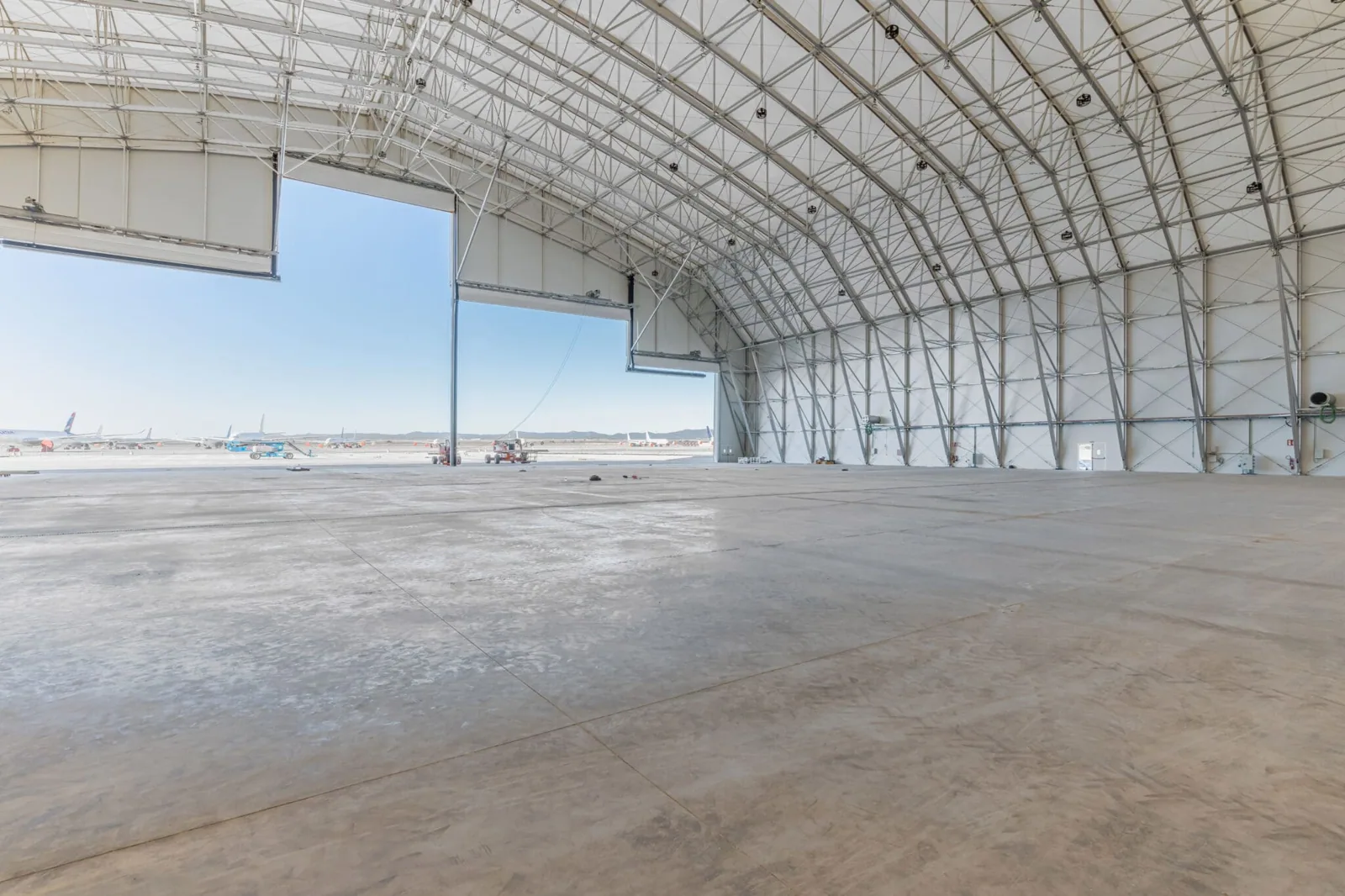
A local flashing failure may support a limited repair. Wet insulation, failed seams, damaged deck, or multiple roof zones can call for a broader plan. Compare repair, recover, and replacement using the installed assembly, drainage, access, structure, equipment heights, and academic calendar. A replacement assessment can map the sections that need removal and the transitions that remain.
Write the scope by building and roof zone. Identify preparation, materials, test openings, interior protection, occupied hours, escort needs, access limits, exclusions, and conditions that could change the work. Do not cover concealed damage before the owner approves further exposure. Additions with separate roof records should remain distinct in the work plan.
Timing and cost depend on materials, campus routes, shutdown windows, work phasing, equipment, weather, and tear-off. A condition report can preserve photos and open items for facility staff. For a multi-building program, a campus roof program can track each building's status without merging their conditions.
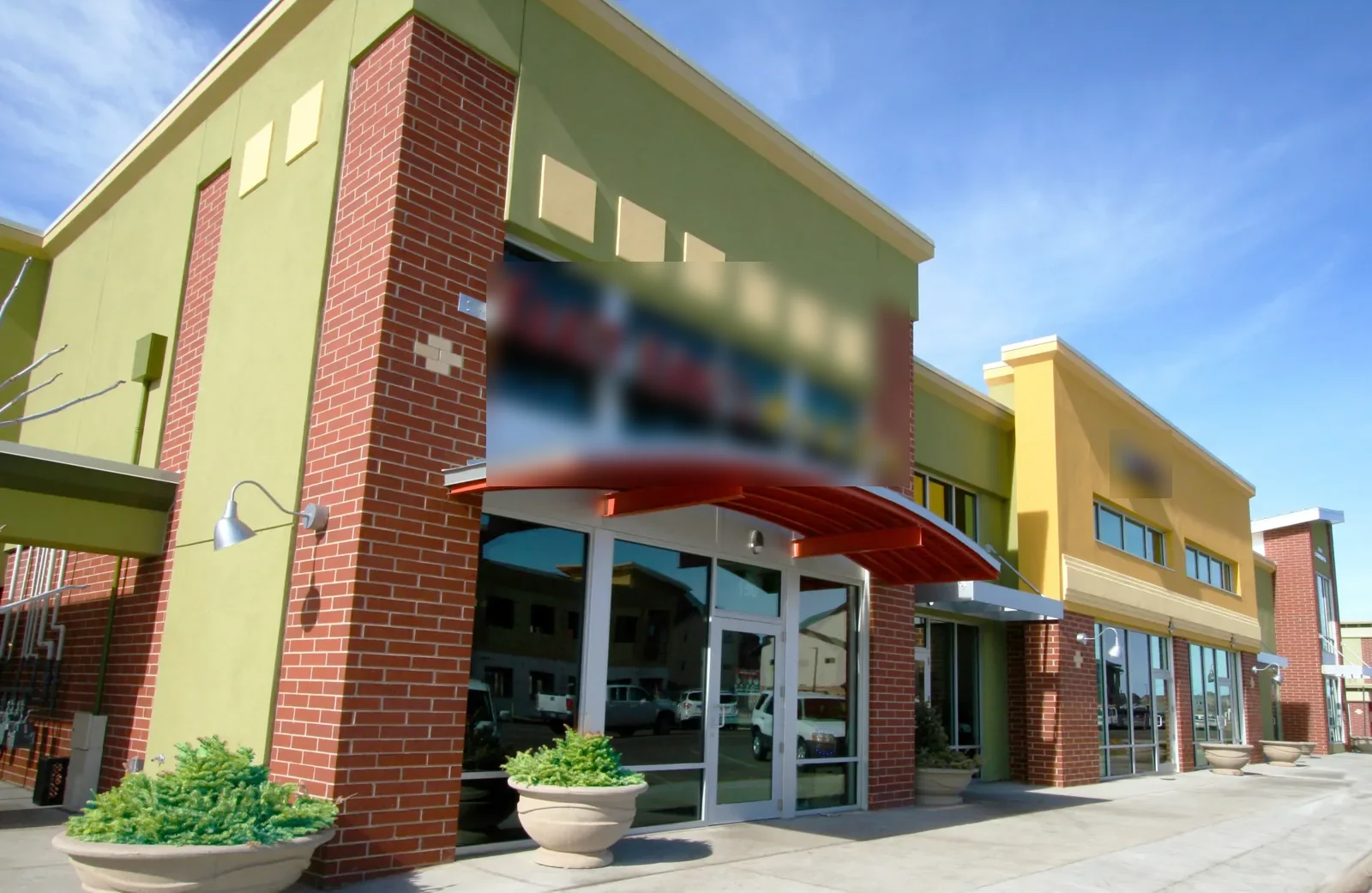
About 100 acres fronting NASA Boulevard were designated for Florida Tech Research Park, with an aviation training center and applied research laboratory among its planned components. Those planned facilities connect research and education uses with airport-area development. Confirm which buildings are in scope and who can authorize access before arranging an inspection.
A Florida Tech Research Park service area identifies this nearby research location. Melbourne Orlando International Airport is part of the same regional context, with an adjacent Airport Industrial Park. These place references help orient service planning; each university's own map, access rules, and roof records control the work.
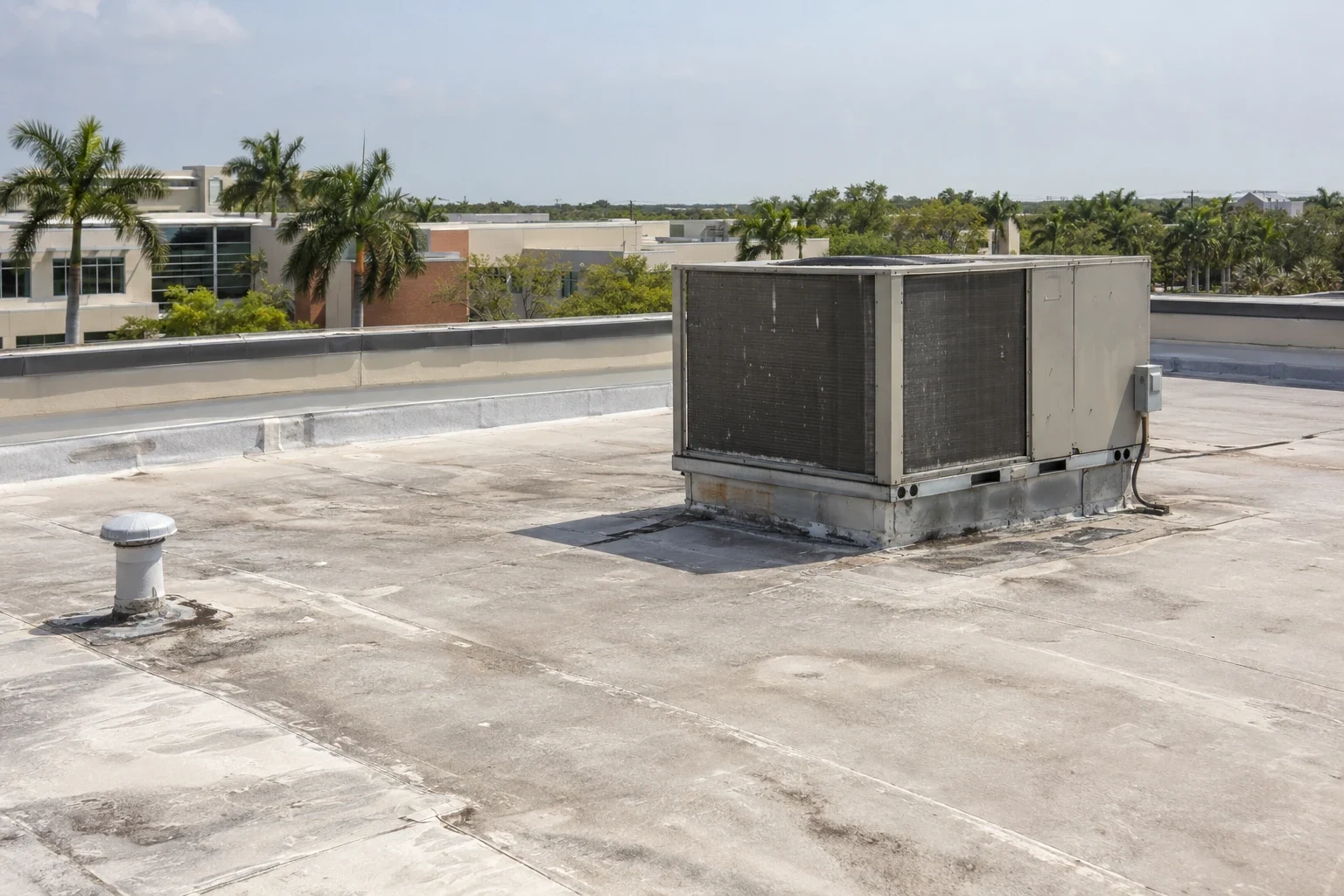
Closeout lists the building, roof zone, event date, repair material, test result, photos, work boundary, access restrictions, and unresolved items. Note any area that was not accessible. Keep emergency protection separate from permanent work and identify who accepted the completed space.
Schedule follow-up for repaired curbs, test openings, and any area excluded during the first inspection. Routine maintenance can track new equipment work, drain debris, and surface changes between academic terms. Preserve a separate file for each building and addition.
The next facility manager should be able to see what was observed, what was repaired, and what remains uncertain. Date every image and connect it to the roof-zone map. If occupancy or construction changes, update access notes before the next visit.
Learn more →
Learn more →
Learn more →
Learn more →
Learn more →
Learn more →
Learn more →
Learn more →