
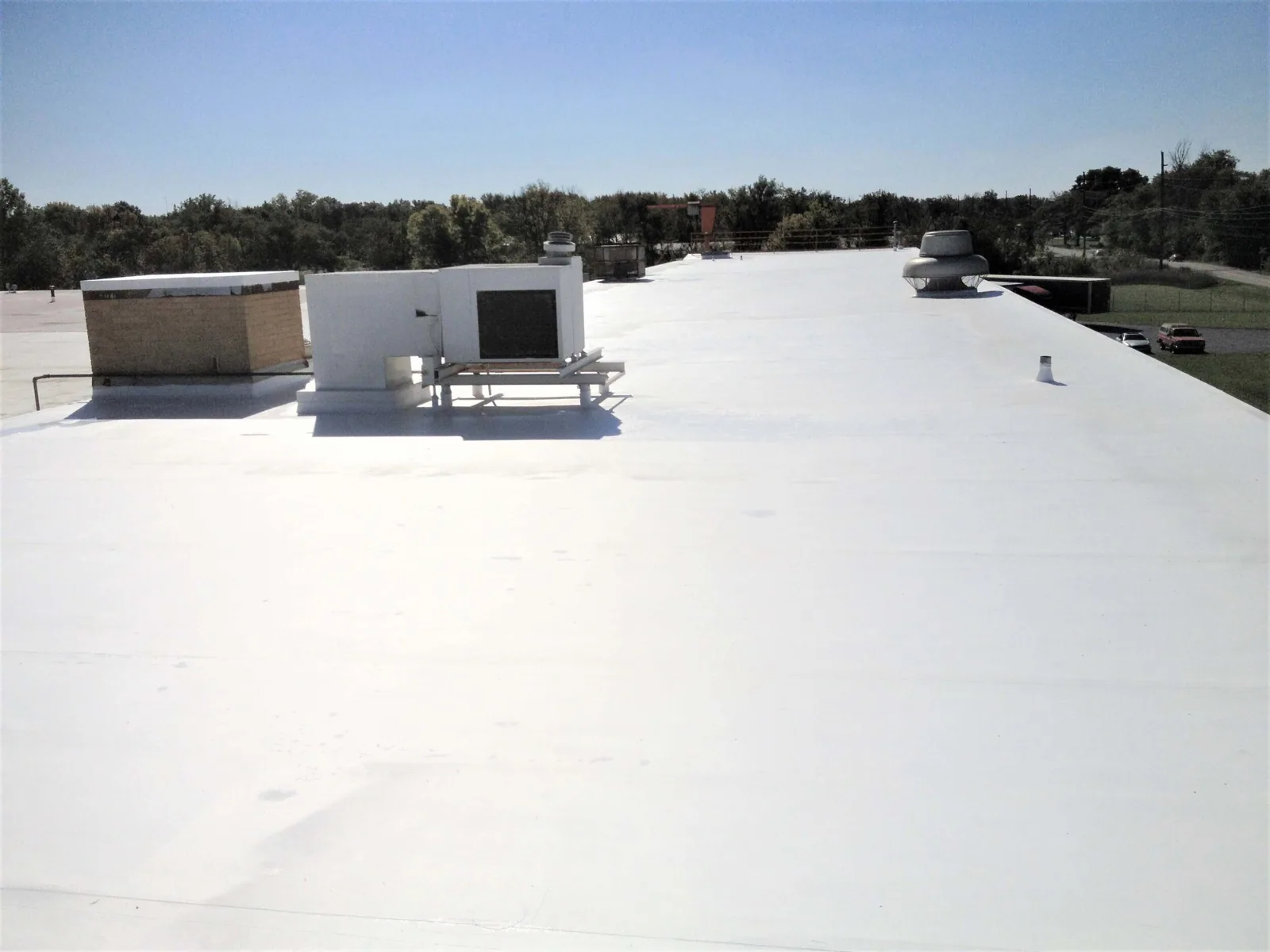
Acrylic coating can restore some commercial roofs, but the existing surface sets the limits. Before pricing, inspect the membrane or metal, coating history, seams, drainage, and any wet or unstable areas. Water-based products also need suitable drying conditions. In Palm Bay, an afternoon shower can interrupt application or cure. A site review should define the preparation and the roof zones that can be completed safely.
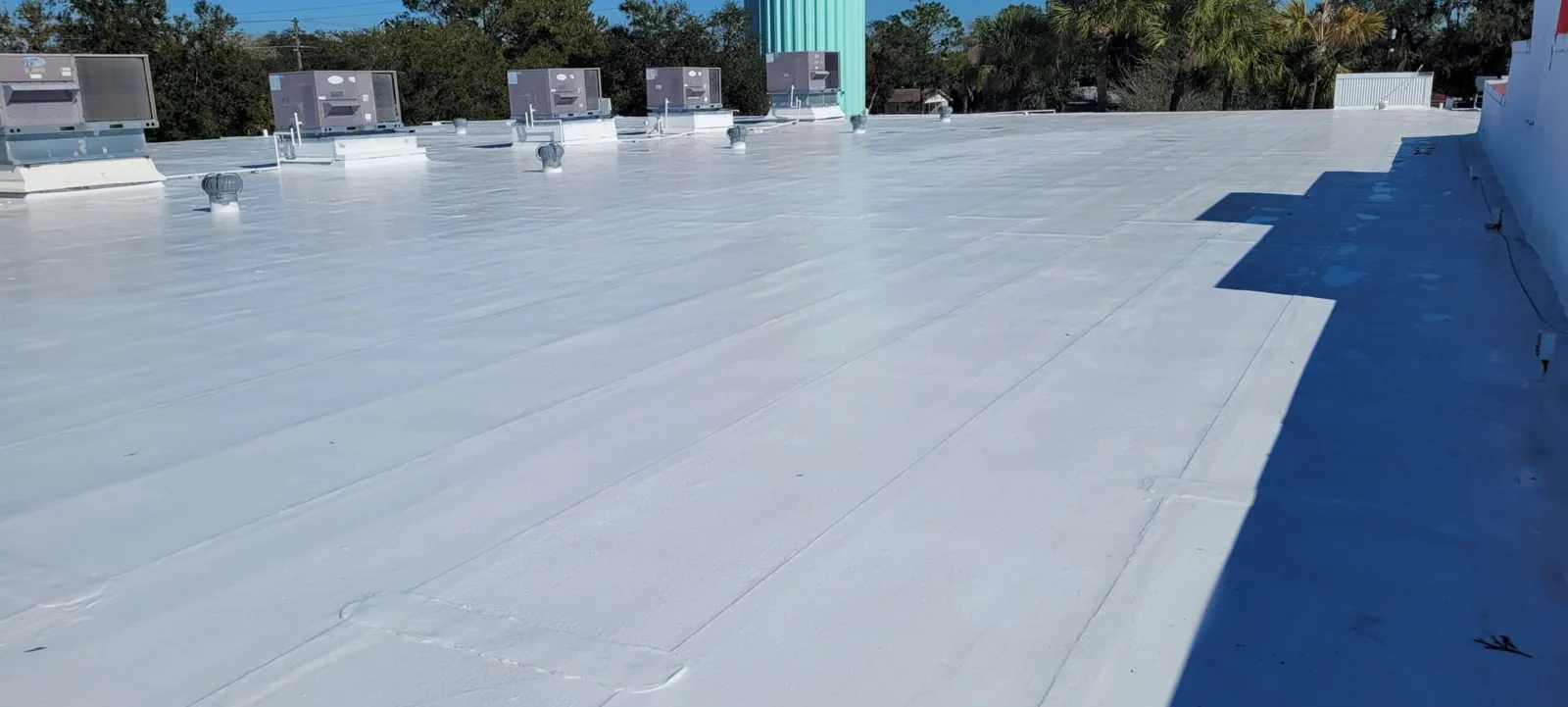
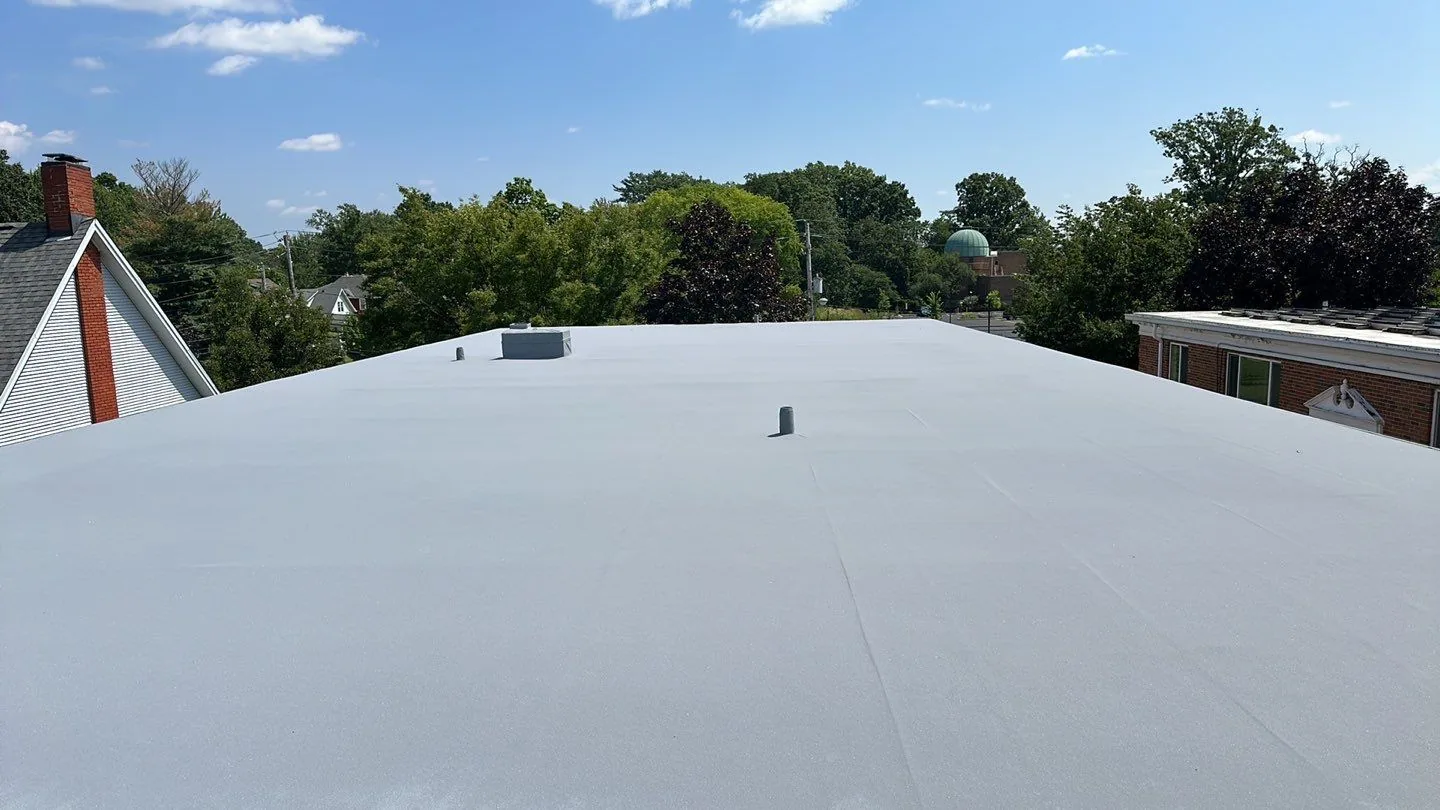
Start with a roof map. Mark field areas, penetrations, wall flashings, edges, drains, scuppers, and past repairs. Record peeling, chalking, blisters, open seams, rust, punctures, and persistent ponding. A commercial roof inspection gives the owner a visible baseline and separates known defects from areas that need further investigation.
Check whether water has affected the insulation or deck. Surface appearance alone cannot show what is concealed. Where the assembly is uncertain, use an authorized test location or another suitable evaluation and note the limits. Wet materials or loose layers should not simply be covered. The proposal must state how confirmed damage will be corrected before a new coating system is applied.
Health First announced a five-floor expansion at Palm Bay Hospital, with added inpatient beds and surgical and diagnostic capacity. That active local campus illustrates why commercial work can require careful access coordination around staff, patients, deliveries, and rooftop equipment. It does not establish a roof condition. Confirm each property's operating rules and roof assembly independently.
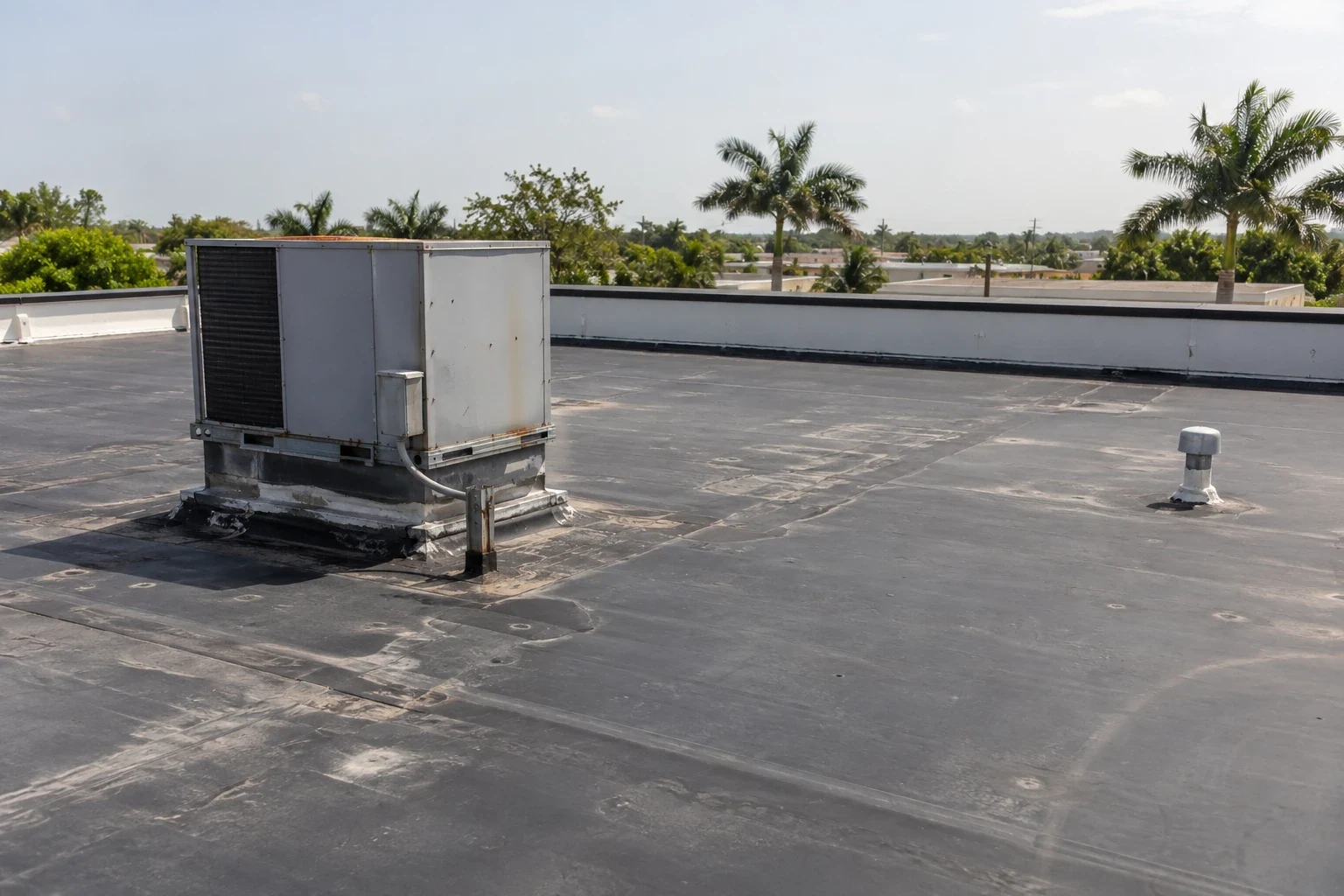
Acrylic coatings are water-based systems used for certain roof restoration projects. Their suitability depends on the existing substrate, product instructions, slope, drainage, and expected exposure. Confirm required primer, reinforcement, application rate, and dry film build from the selected system documents. The scope should identify products and roof areas rather than use a general promise of restoration.
Compare acrylic with other systems only after checking the roof. A silicone coating system has different water exposure characteristics and must also meet substrate requirements. For a membrane replacement path, consider whether a TPO assembly fits the building and project constraints. Neither a coating nor a replacement choice should be made from the leak report alone.
Reflective finish may help reduce solar absorption at the roof surface, but energy effects depend on insulation, building use, HVAC, weather, and other conditions. Avoid assigning savings without a project-specific analysis. Product color, maintenance, cleaning, and warranty requirements belong in the owner review before work begins.
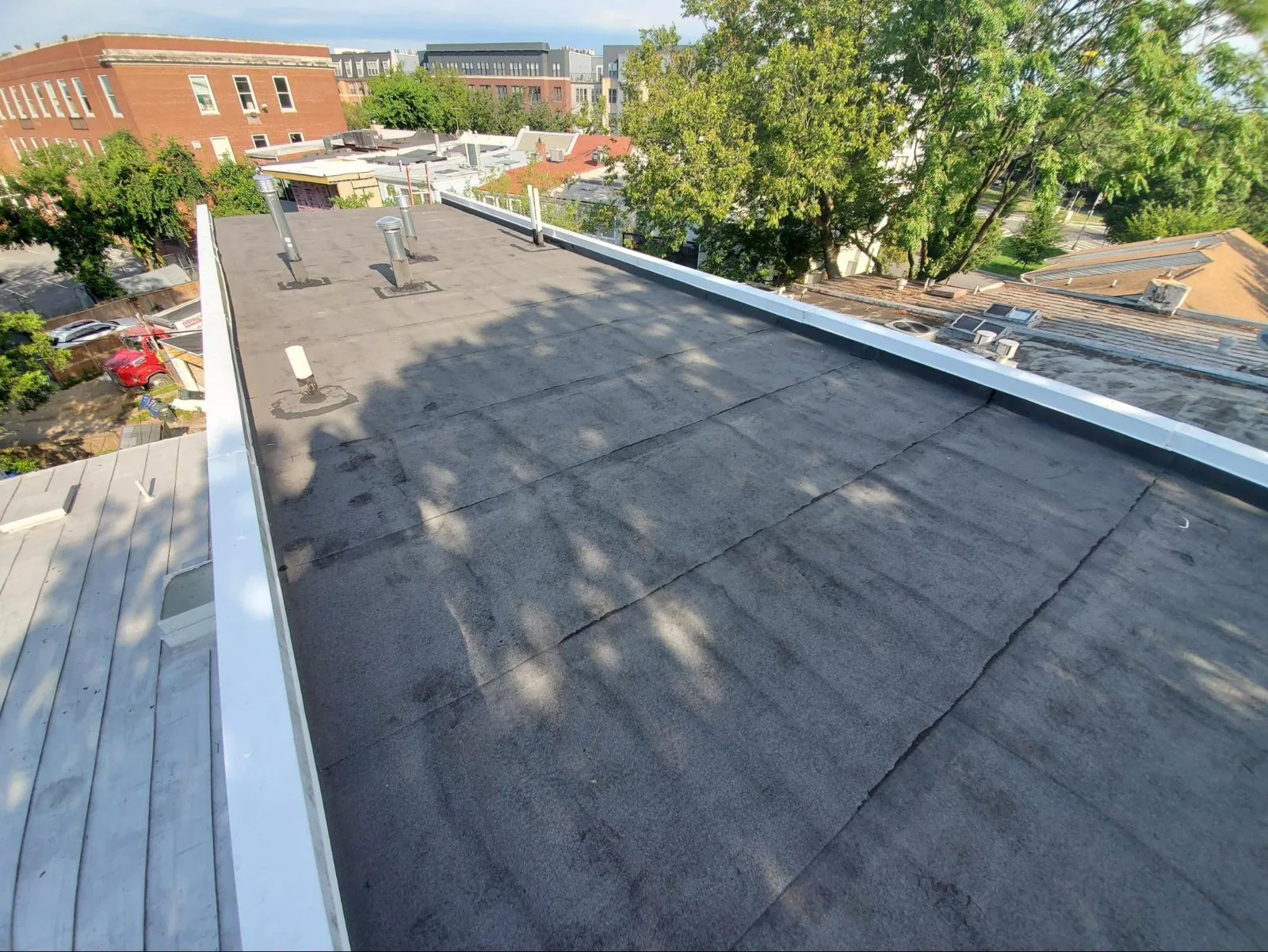
Remove dirt, loose coating, chalk, and other contaminants using the method required by the selected product. Wash water must be directed and contained so it does not enter occupied areas or roof openings. Let the surface dry as required. Record the preparation and photograph the roof before the new layer hides the original condition.
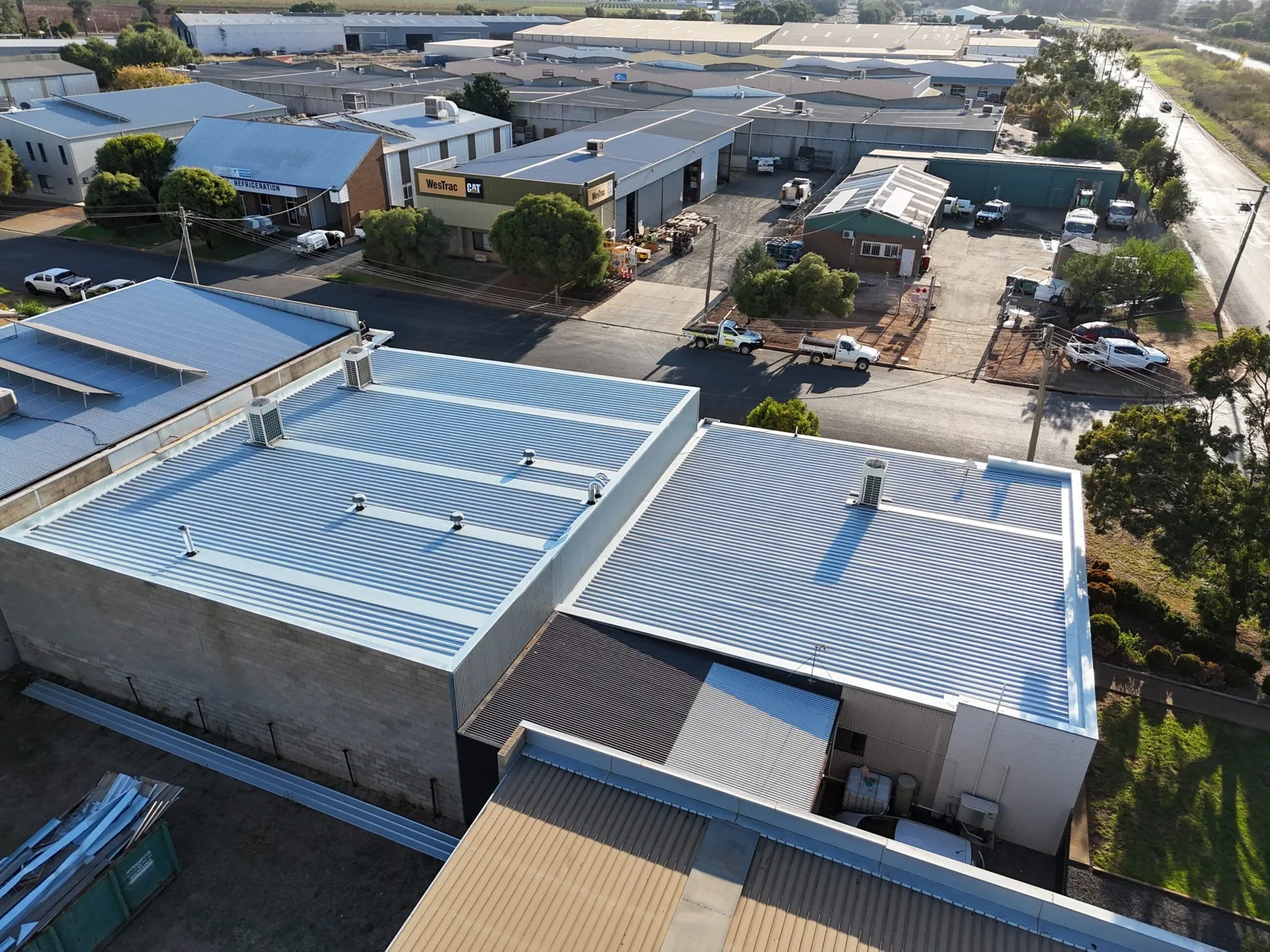
Repair seams, punctures, rusted metal, and flashing defects with compatible materials. Coating alone should not bridge a moving joint or replace a failed flashing detail. Check pipe boots, curb corners, skylights, wall terminations, edge conditions, and fasteners. A coating restoration review can identify repairs and test areas to include before mobilization.
When adhesion testing is appropriate, select a representative area and document its location, substrate, preparation, primer, and result. A passing test supports that tested assembly and procedure only. Other roof zones may contain another coating or repair. Mark those areas for separate review instead of treating one sample as universal proof.
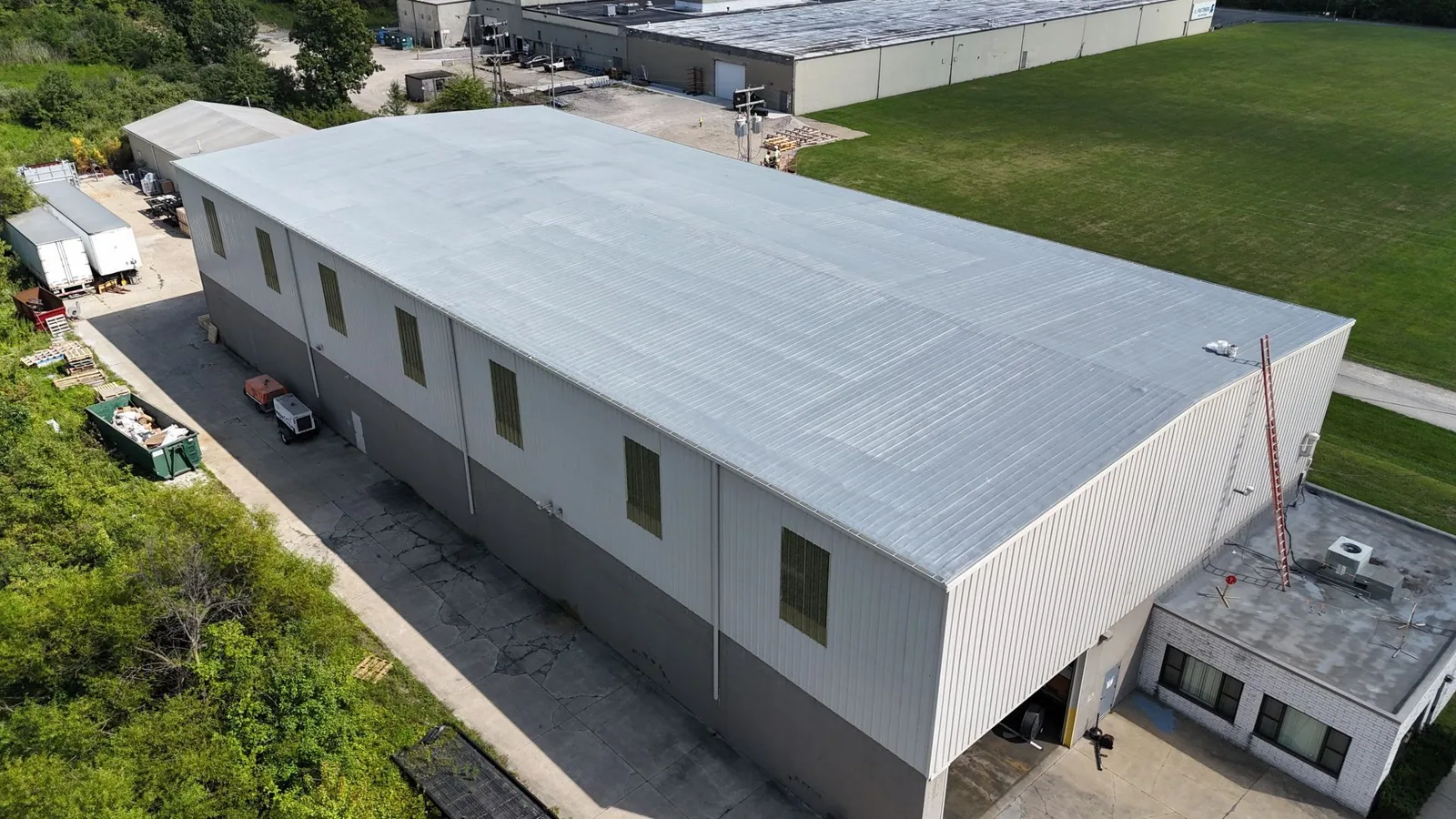
Application planning depends on product limits and the actual surface condition. Check temperature, humidity, wind, substrate moisture, and the forecast before starting. Water-based acrylic needs adequate time to dry before rain or heavy dew. If the shift cannot protect the day's work, reduce the area or delay application. Leave no open transition that could admit water during a stop.
Melbourne averages more than 55 inches of rain annually, with June and September typically the wettest months. That regional pattern informs scheduling, but it does not predict a particular Palm Bay storm. Recheck current conditions at the property. Record interruptions, completed area, and any exposed section that needs protection or a return visit.
Keep roof traffic controlled while the coating cures. Protect rooftop units, electrical connections, skylights, drains, and adjacent walls from overspray. Coordinate shutdowns and service calls before staging. If the building remains occupied, confirm tenant notices and access routes with the owner's representative. Weather and access can each change the day's work boundary.
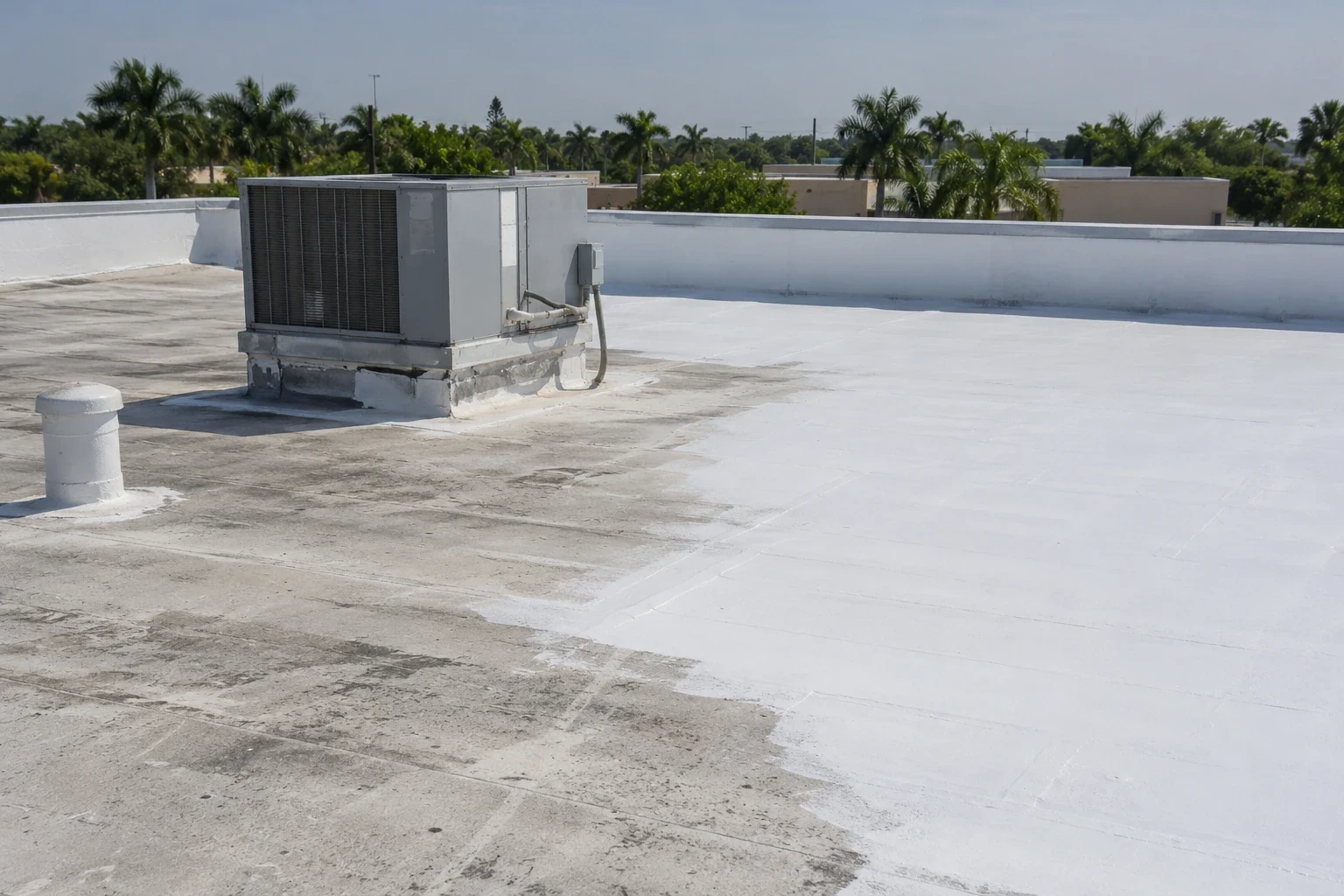
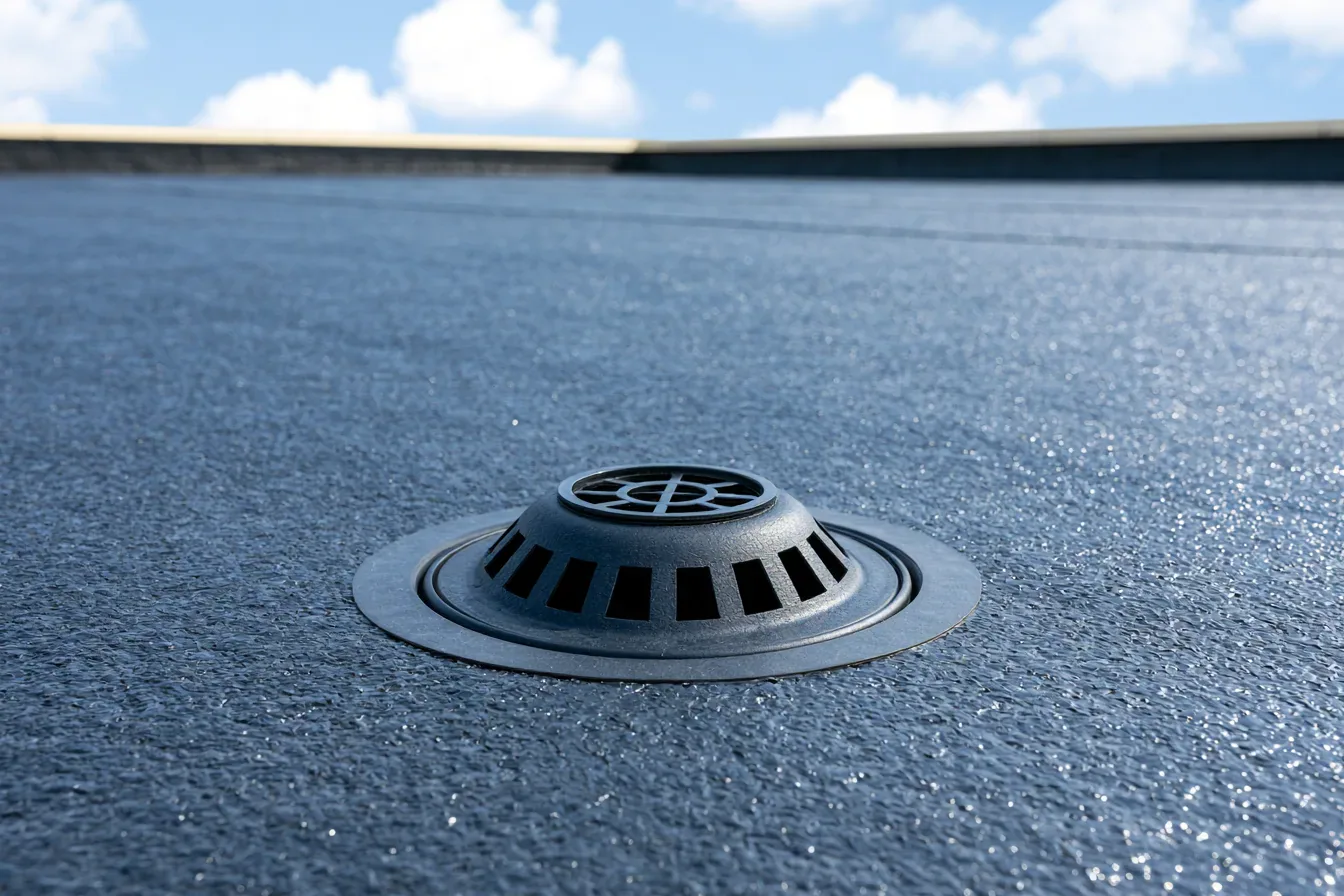
Map each flow path to its outlet. Clear drains and scuppers, check overflow openings, and photograph ponding marks. A drainage assessment can distinguish debris or maintenance issues from slope concerns that require design input. Do not coat over a blocked outlet or use coating thickness to imply a new drainage design.
Acrylic systems may have limits where water remains for long periods. Confirm the selected product's requirements against actual low areas and roof details. Correct drainage defects that are within the project scope, and document unresolved conditions. A reported interior stain should be compared with roof evidence, but the nearest point above the stain is not automatically the entry point.
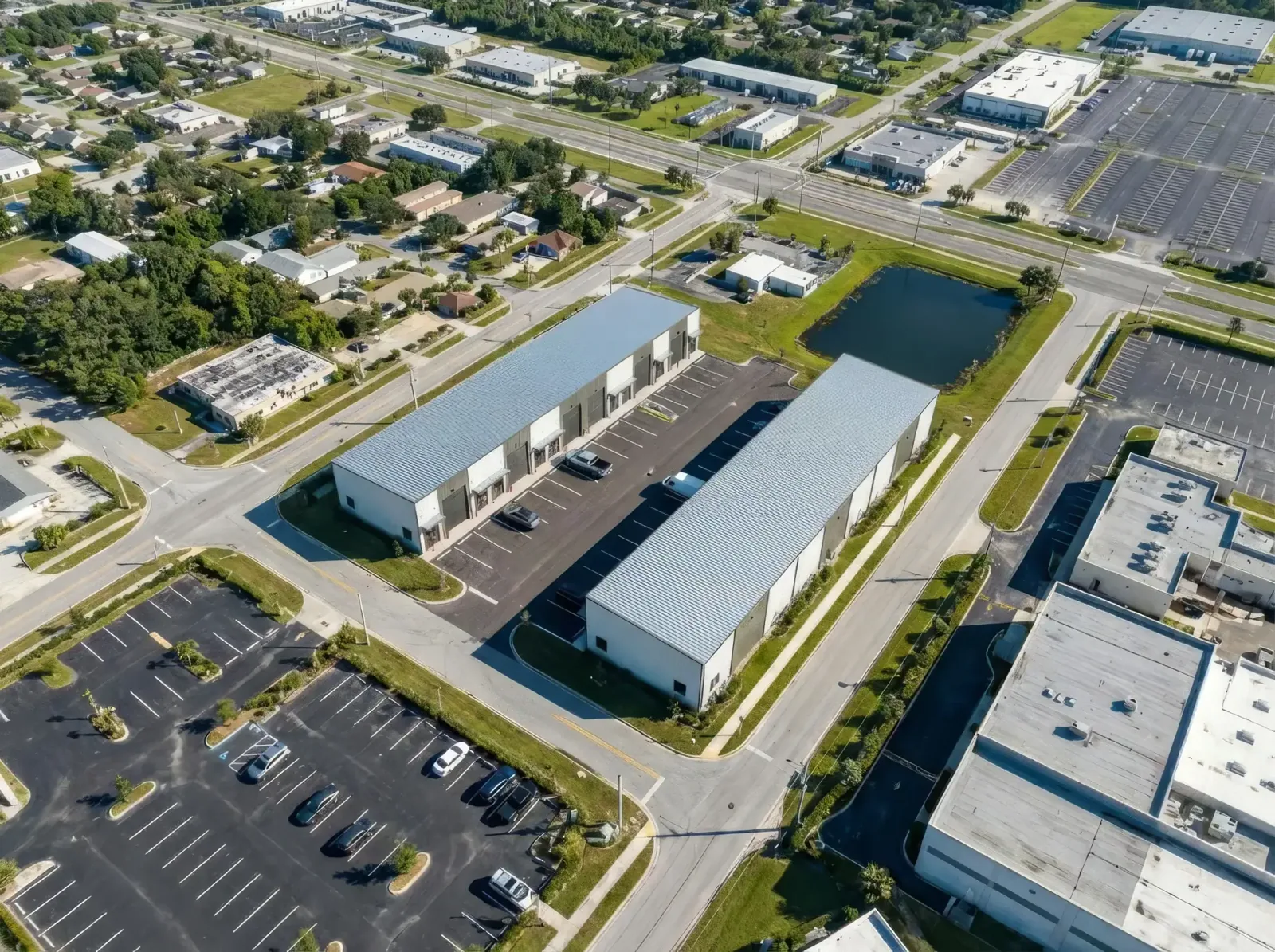
The south side of Palm Bay is seeing planned commercial development around Bayside Lakes Boulevard, Babcock Street SE, and St. Johns Heritage Parkway SE. New retail and service buildings can have distinct roof profiles and operating hours. That corridor context helps frame scheduling and access discussions; it does not tell us whether a particular property is a coating candidate. Inspection remains specific to the building.
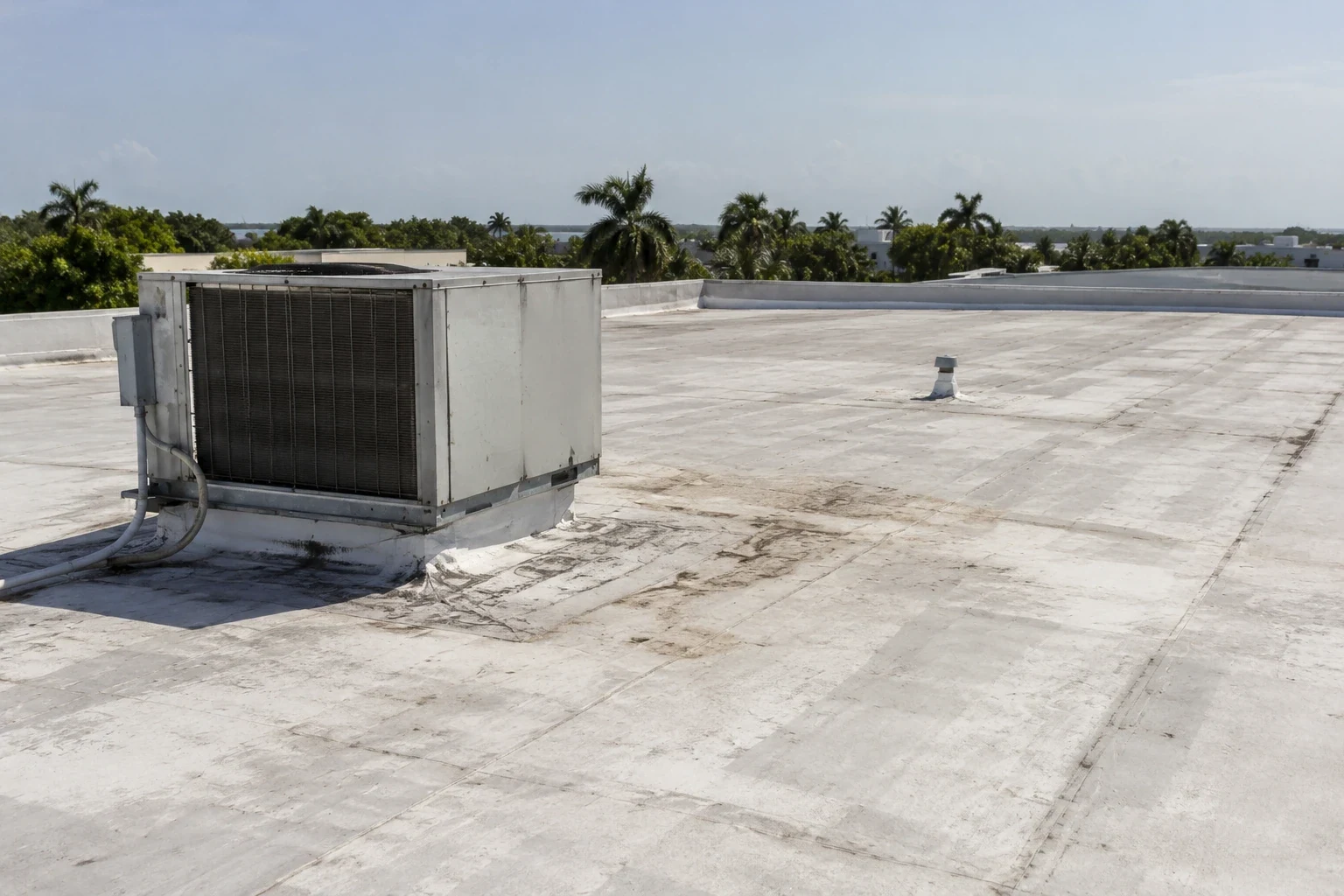
The final record should identify the coating product, preparation, repairs, application conditions, roof-zone limits, and any test results. Include photos of substrate findings, completed details, drains, edges, and each application section. Note areas excluded from restoration and any concealed conditions that remain unresolved.
A closeout should also define care after installation. Keep heavy traffic off the surface for the product's stated cure period. Track later punctures, equipment work, drain debris, and changes to rooftop units. A maintenance visit can compare new observations against dated baseline photos and the repair map.
Palm Bay Hospital’s planned expansion adds construction activity to an operating campus, so roof access and staging need coordination with facility and project contacts. Separately, the Palm Bay Flex Business Park location page provides local service-area context, not evidence of a particular roof's coating or warranty. A roof condition report can keep inspection photos, limits, and follow-up actions together.
Learn more →
Learn more →
Learn more →
Learn more →
Learn more →
Learn more →
Learn more →
Learn more →