
A silicone coating proposal starts with the roof beneath it. Existing membrane, seams, metal panels, penetrations, and trapped moisture all affect whether restoration makes sense. Palm Bay receives substantial summer rainfall, so drainage and application windows need attention. The inspection maps low areas and outlet paths before any coating scope is priced. A coating may protect a sound roof. It does not correct a wet assembly or a failed detail by itself.
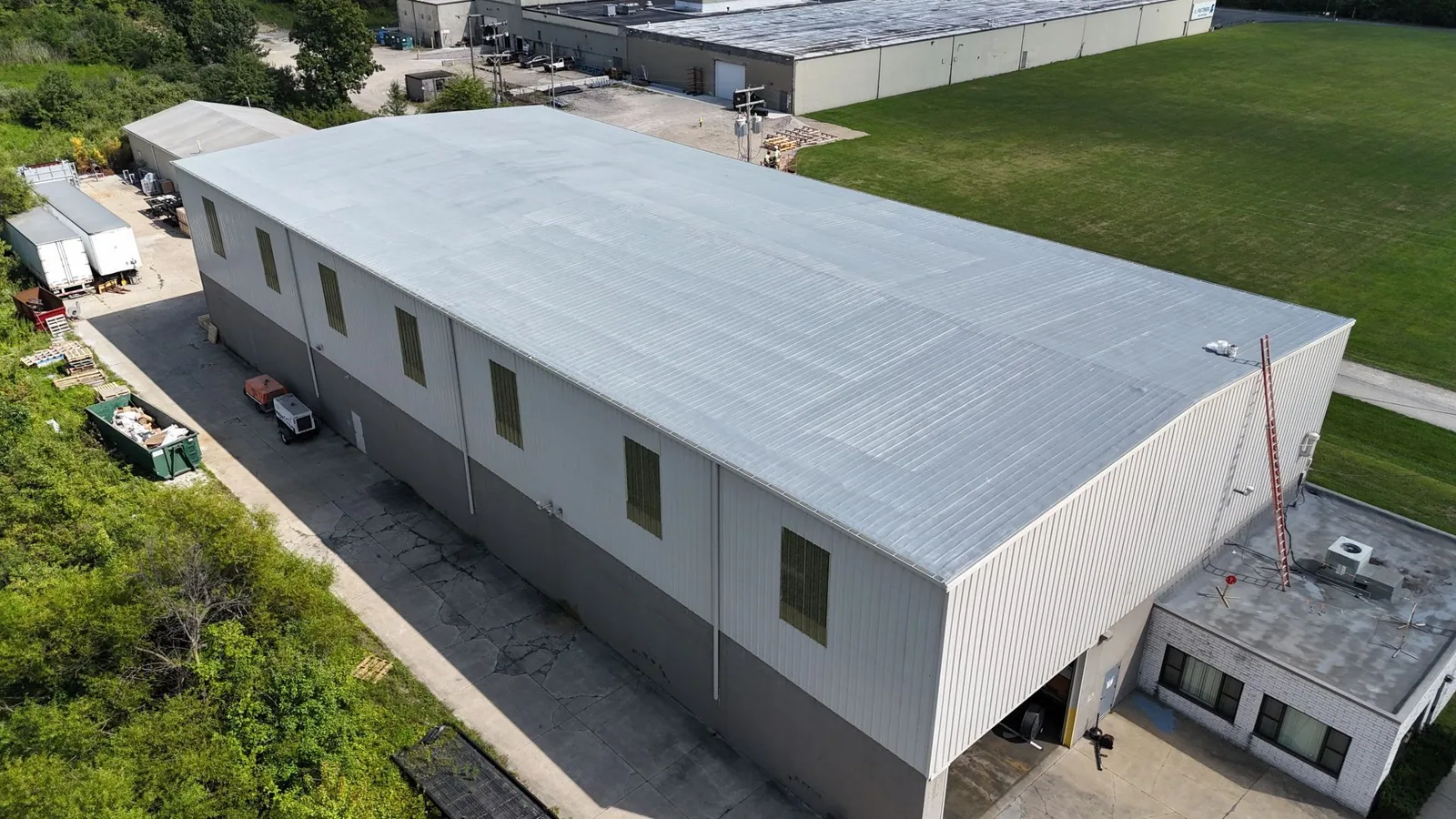
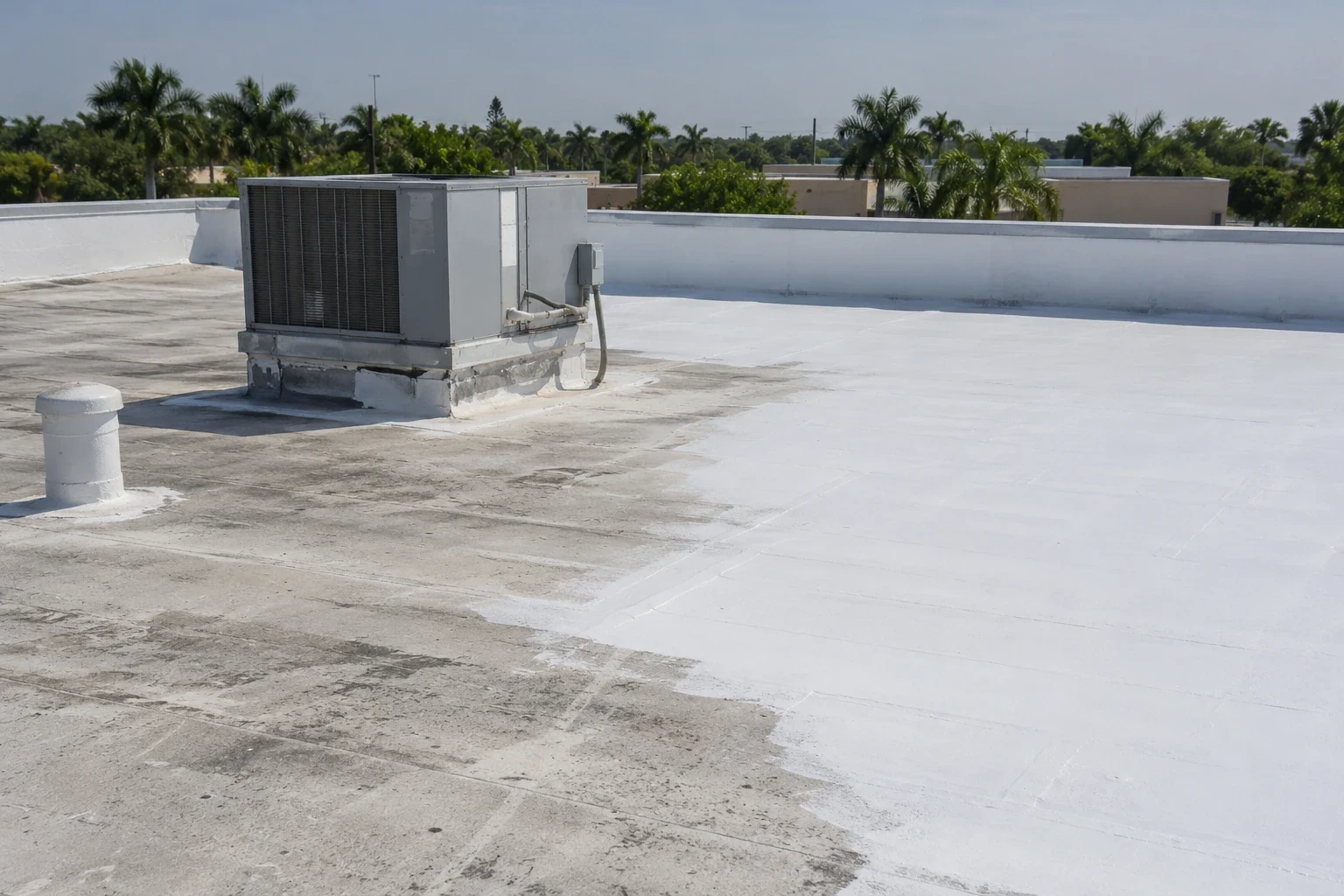
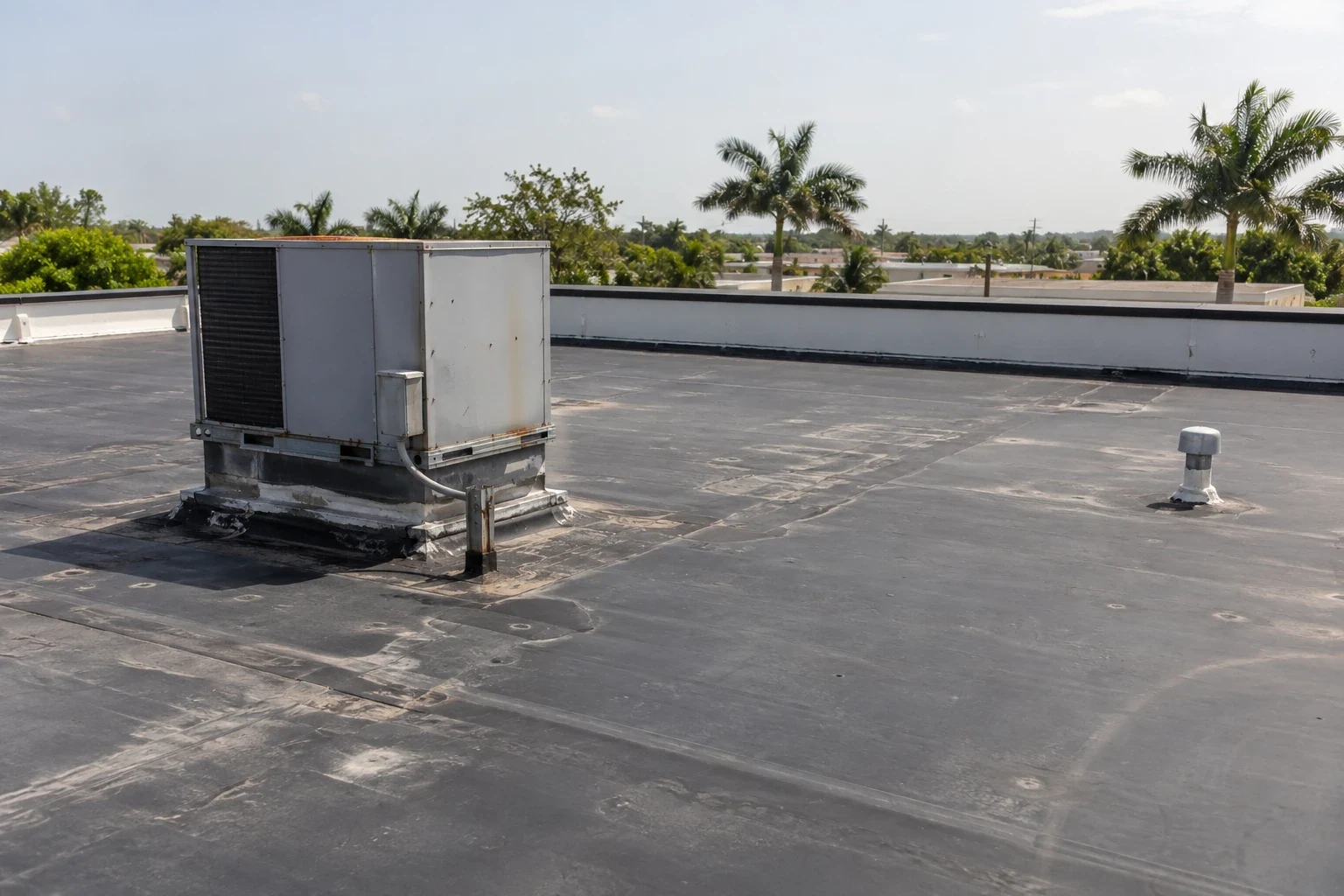
Walk the roof in mapped sections. Note the substrate, prior coatings, repairs, chalking, blisters, punctures, open seams, and areas that hold water. Check the condition at curbs, wall edges, drains, scuppers, and expansion joints. A commercial roof inspection records the visible surface and identifies locations for closer testing. Mark uncertain areas instead of carrying an assumption into the scope.
A coating cannot make saturated insulation dry or restore a loose roof assembly. Where conditions are unclear, request an authorized test cut or other suitable investigation. Record the location and result. One opening describes that point only; it does not establish conditions across the entire building. Existing patches and layers may need separate review before they can receive another system.
Palm Bay includes technology and manufacturing facilities operated by L3Harris, including work tied to maritime systems and microelectronics. That local context can mean rooftop equipment, service routes, or sensitive operations near a work zone. It does not identify a building's roof assembly. Confirm operating limits and roof access with the property's representative before planning coating work.
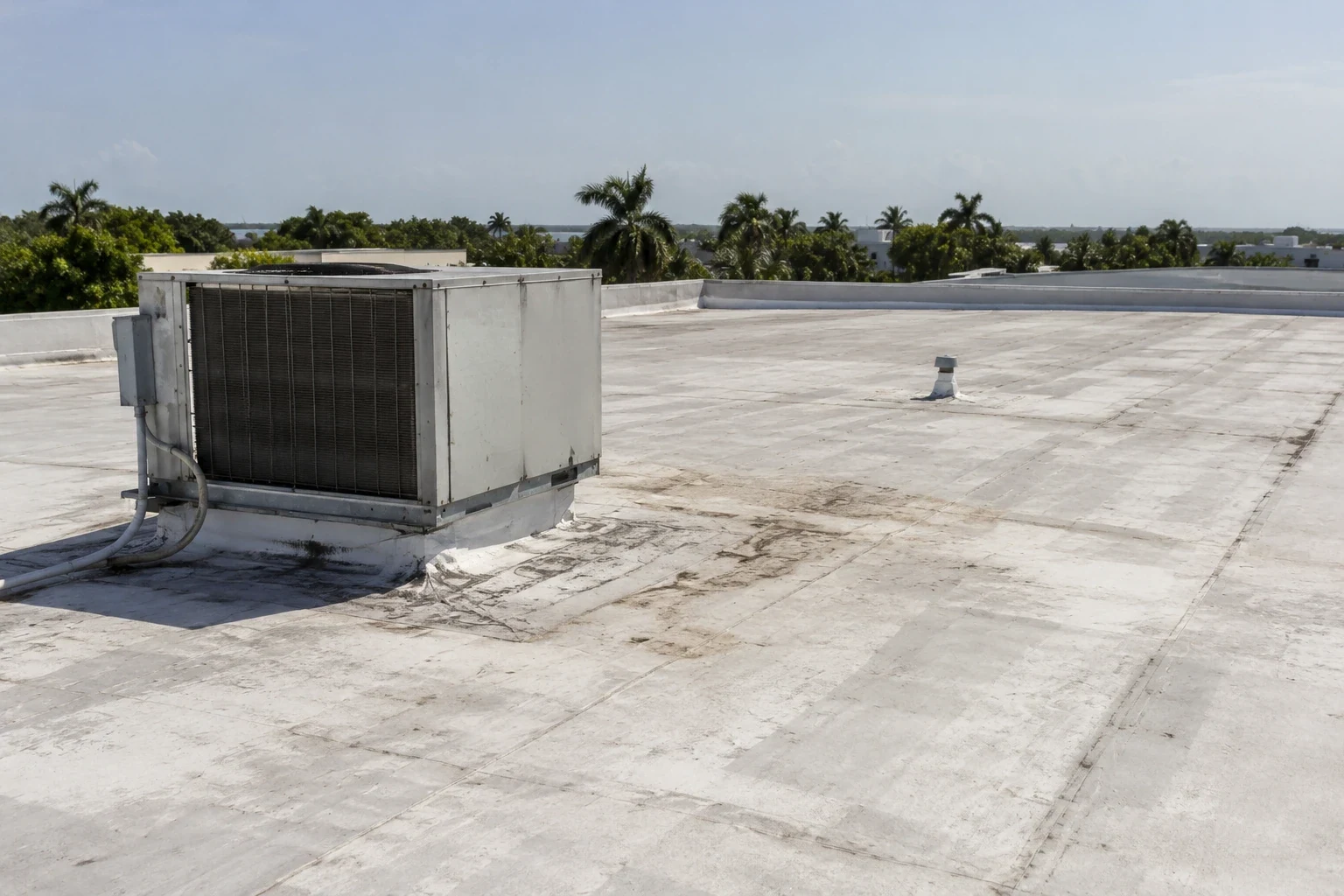
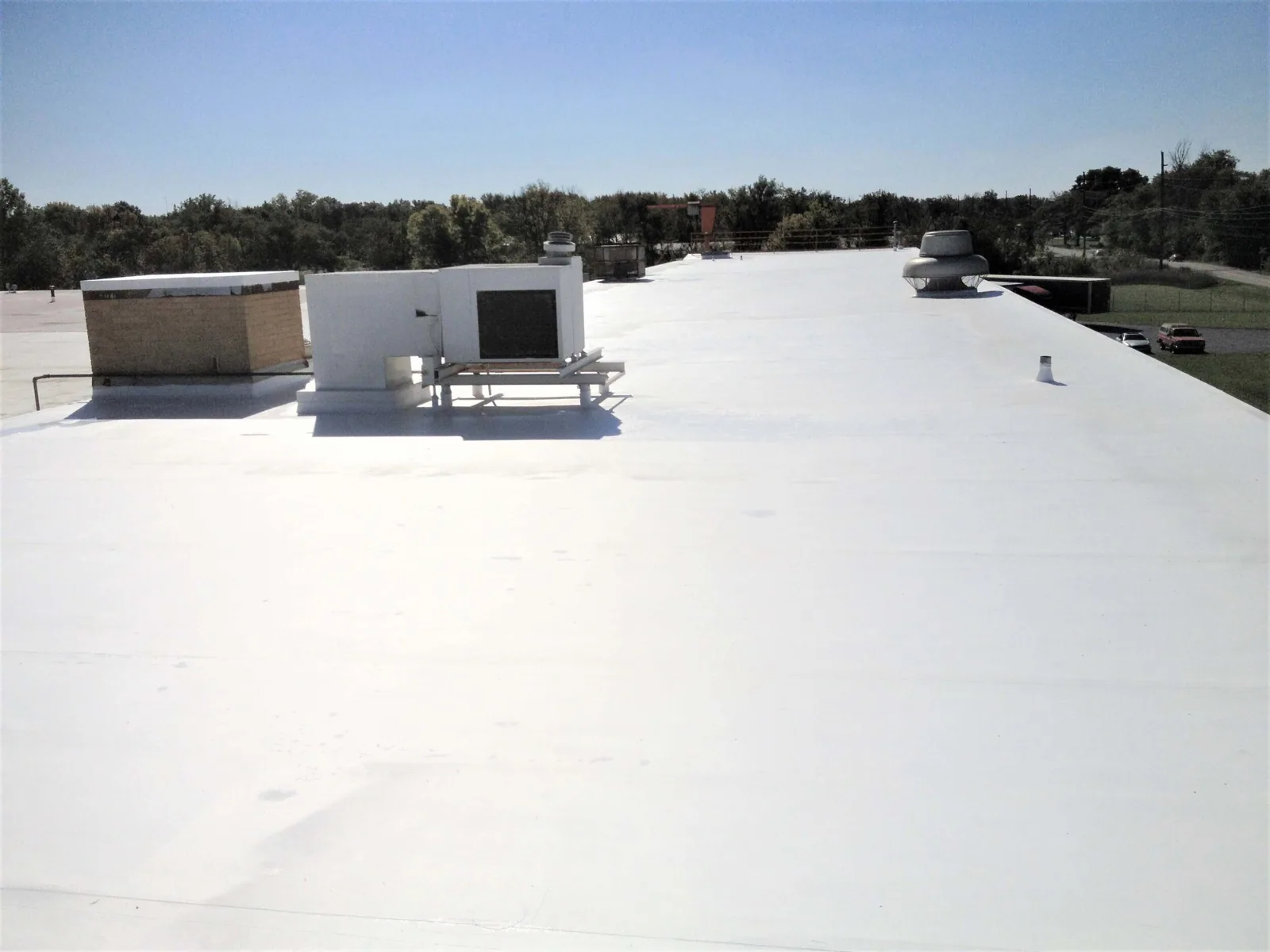
Silicone is one option for restoring an eligible low-slope roof. The specified product, existing surface, required preparation, and water exposure all matter. Review the manufacturer's instructions and project requirements for compatibility, primer, reinforcement, application rate, and cure conditions. The written proposal should name the system and define the exact roof areas included.
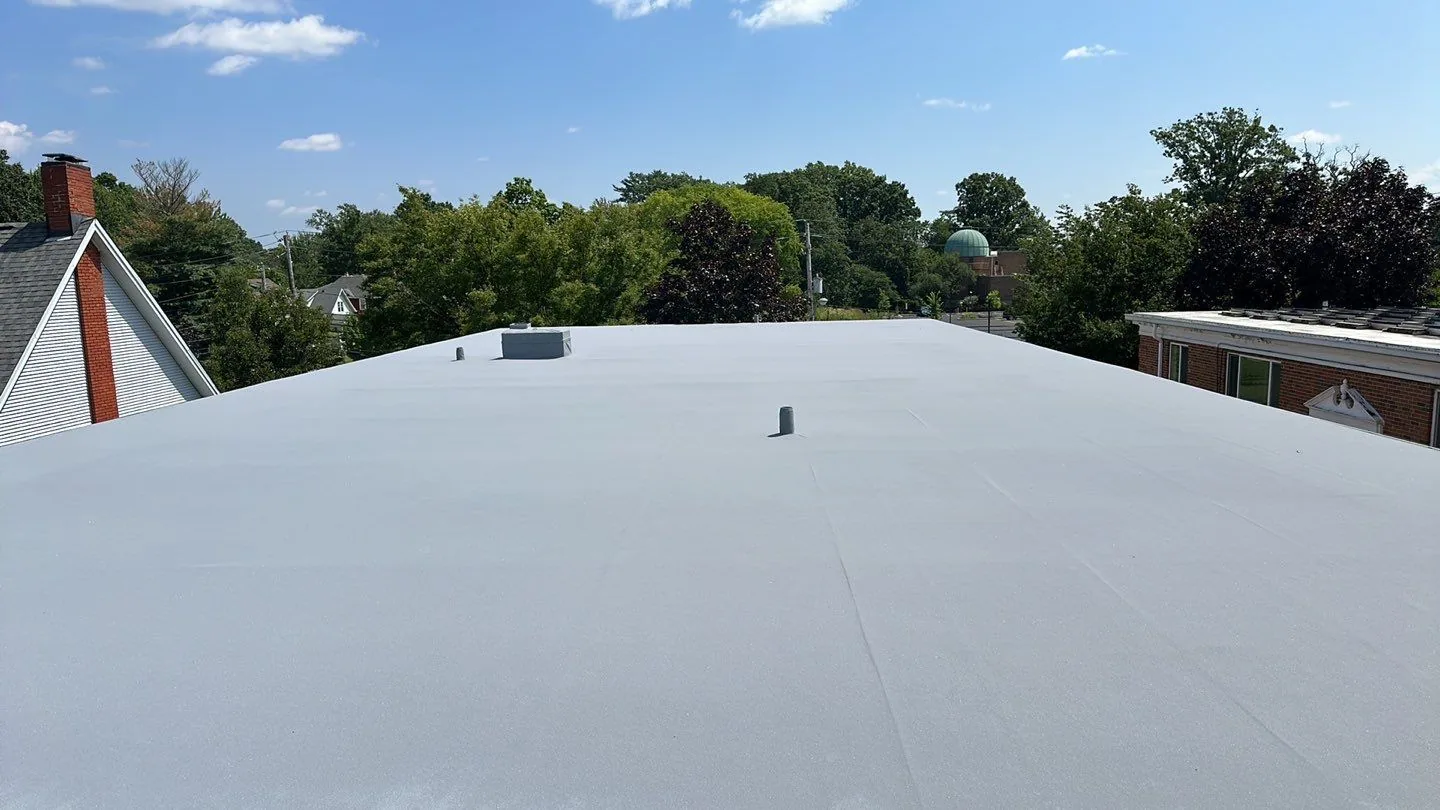
Silicone may be considered where the existing substrate is sound and the restoration plan addresses seams, penetrations, and drainage details. It should not conceal loose flashings, open membrane seams, deteriorated metal, or unresolved moisture. If the roof is not a suitable coating candidate, compare a TPO replacement assembly or an EPDM membrane option after reviewing structure and intended service life.
Do not choose from a coating label alone. Compare substrate compatibility, surface preparation, detail treatment, drainage exposure, warranty conditions, maintenance requirements, and access restrictions. A restoration assessment can state which findings support coating and which require repair or further testing first.
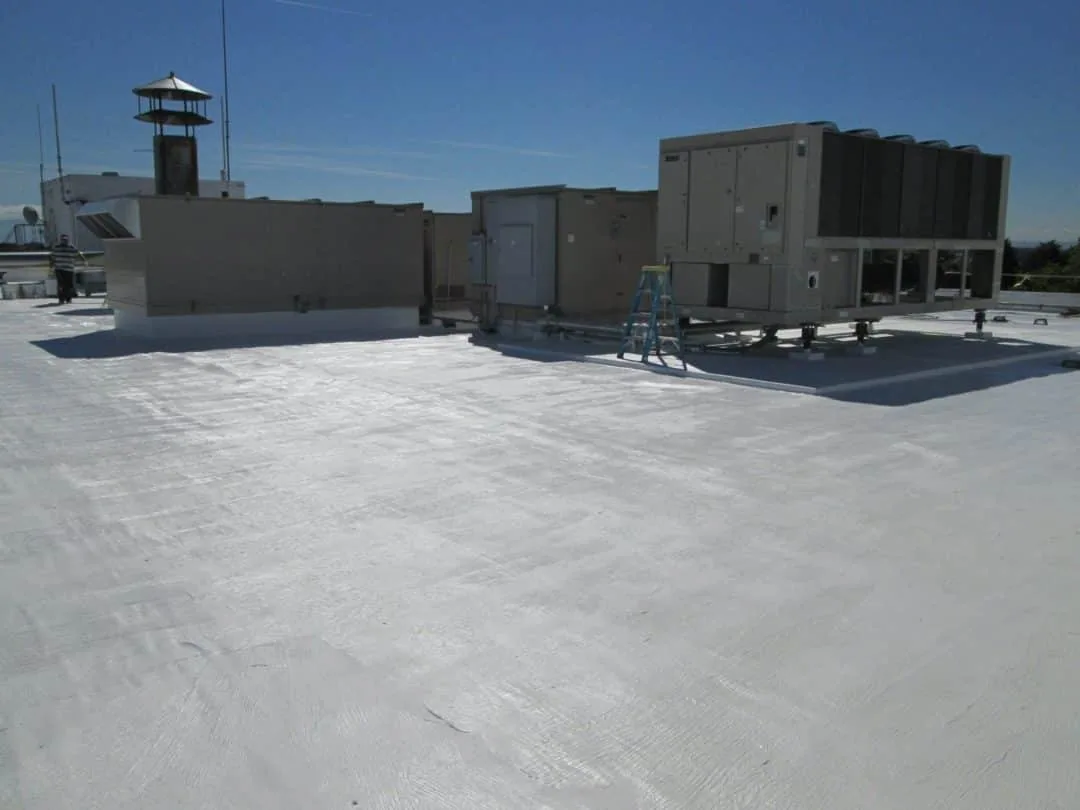
Preparation determines whether the coating bonds to the roof. Remove loose material, dirt, biological growth, and incompatible residue using the approved method. The surface must meet product requirements for cleanliness and dryness. Protect drains, equipment, walls, and adjacent finishes from wash water and overspray. Record any repair that is complete before the coating crew begins.
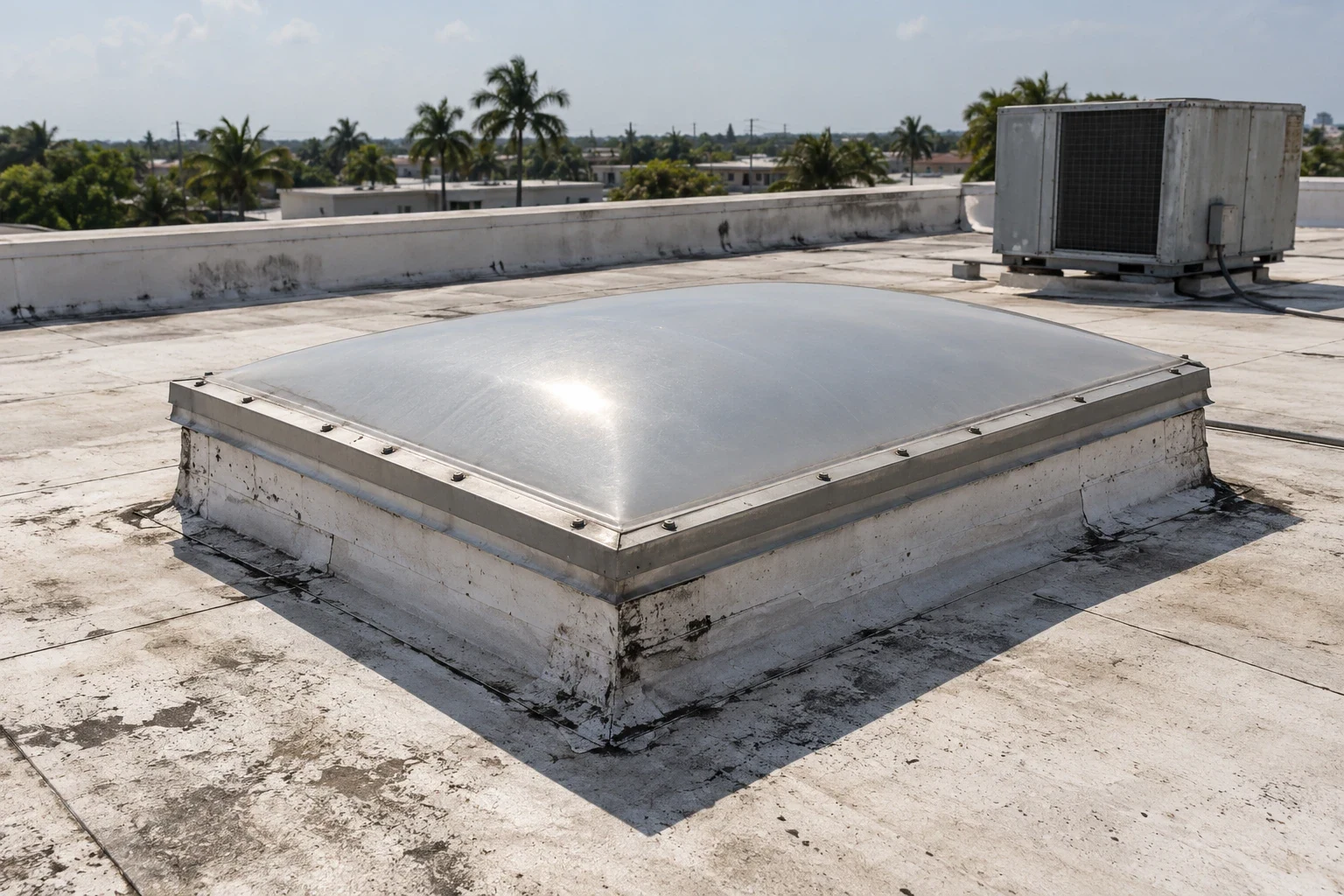
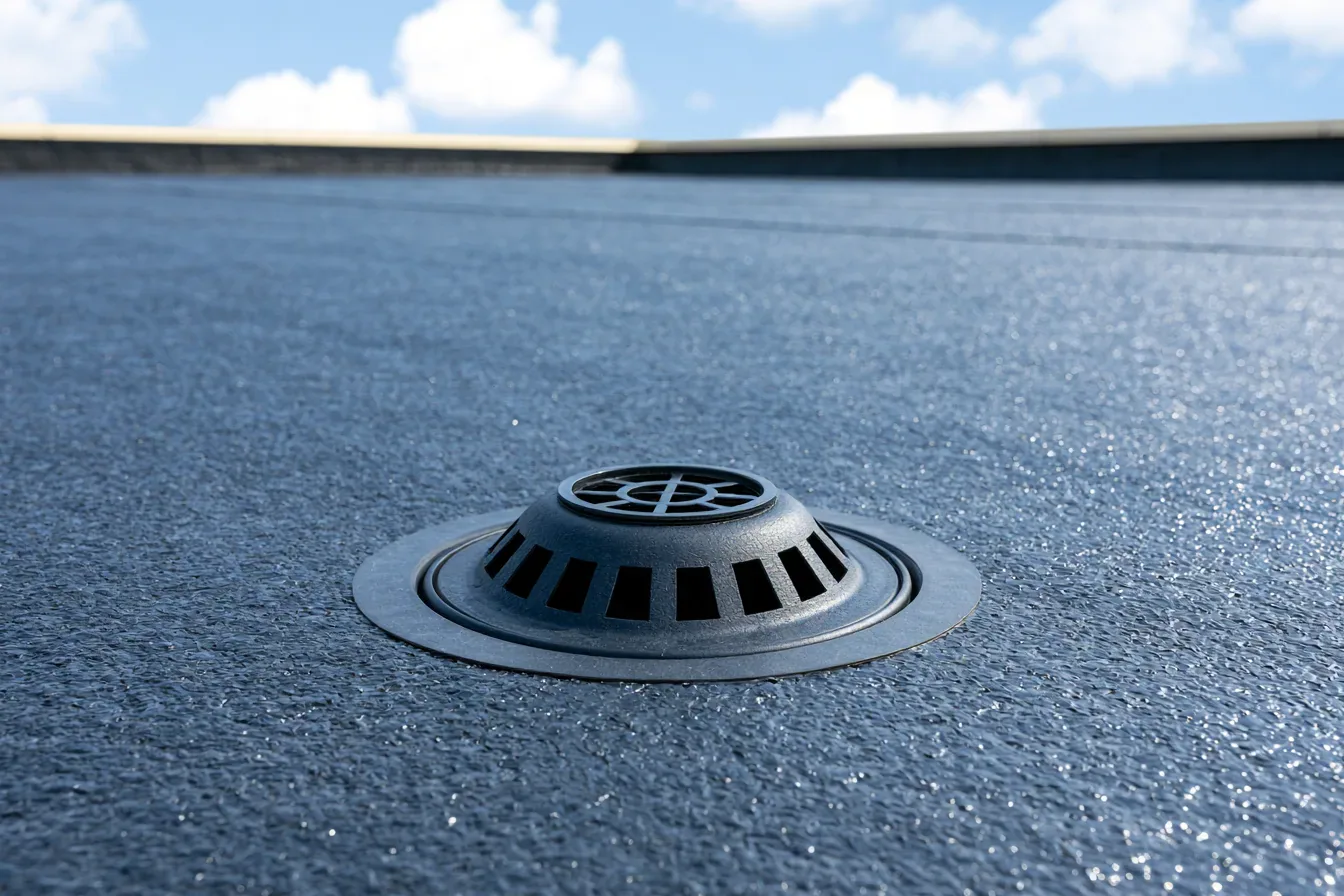
Seams and transitions need focused review. Reinforce or repair them according to the chosen system rather than relying on a broad coat to bridge a moving gap. Check pipe boots, curb corners, pitch pockets, edge metal, and terminations. A penetration and flashing review can map openings that need repair. At a drain, confirm the coating detail leaves the outlet clear and maintains a durable tie-in.
Adhesion testing can help evaluate a prepared, representative section. The record should show the roof zone, preparation method, primer if used, test approach, and result. A successful test is evidence for that location and setup. Performance may differ over another coating, repair, or substrate elsewhere on the roof.
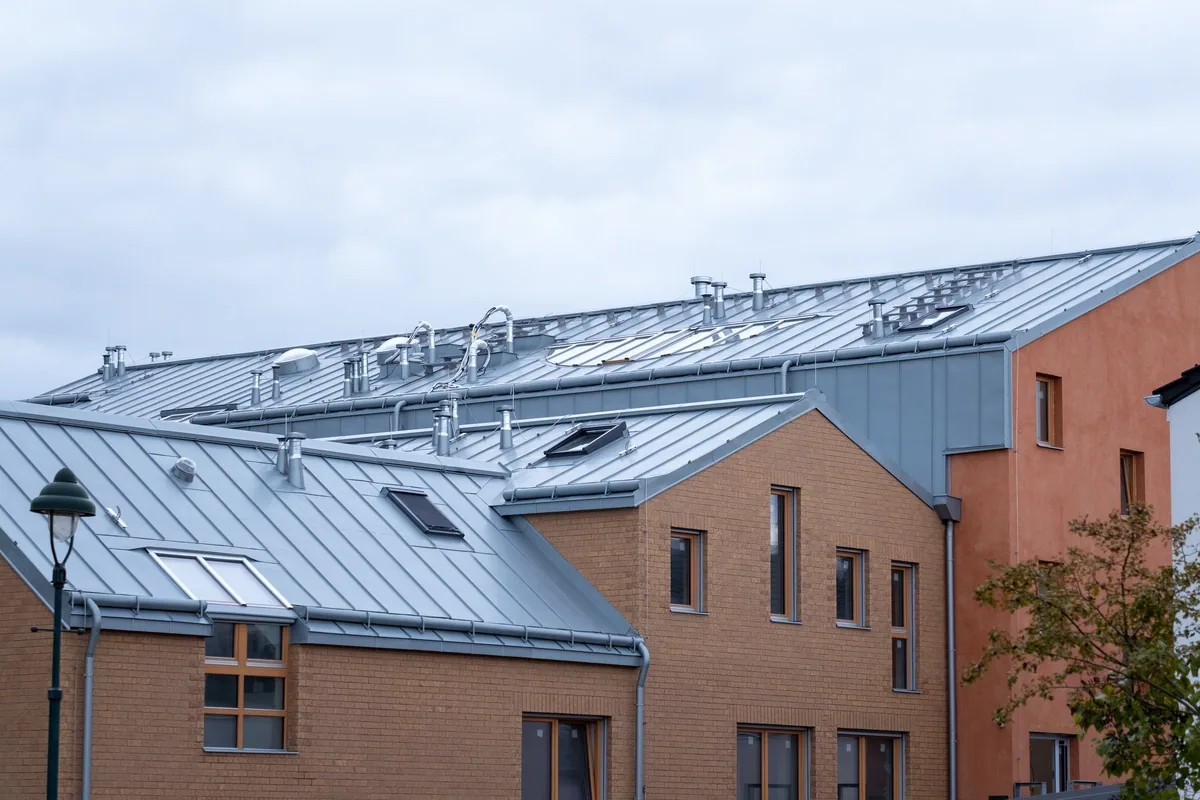
Silicone performance depends on the assembly and details beneath the coating. Map drains, scuppers, overflows, and recurring ponding before work. Clean outlets and identify restrictions that could leave water against a detail. A drainage review can document the route to each outlet and separate maintenance needs from design questions. Persistent ponding should be evaluated against the system requirements before coating begins.
Melbourne climate normals show substantial annual rain, with June and September as the wettest months. That regional pattern is useful for scheduling inspections and watching forecast windows. It does not predict the next storm or establish a site's leak history. The crew checks actual surface condition and current conditions before each application shift.
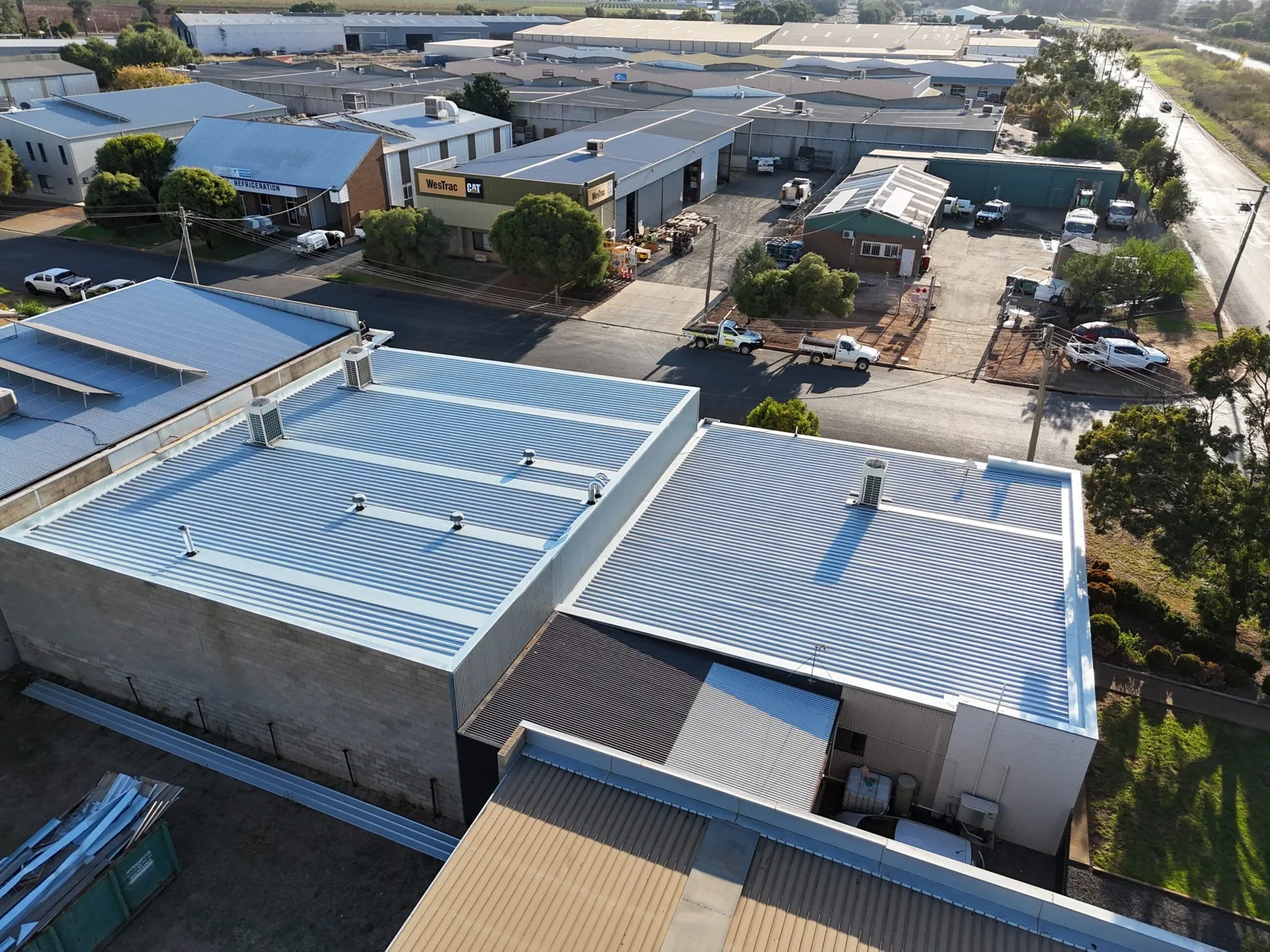
Work planning should also account for tenant operations and roof traffic. The Palm Bay Flex Business Park advertises modular units for engineering, defense suppliers, and light-industrial operators near Interstate 95. A building with similar active use may need staged access and protected equipment routes, but its particular use and roof layout must be confirmed on site. Set a controlled route and keep drains and emergency paths accessible.
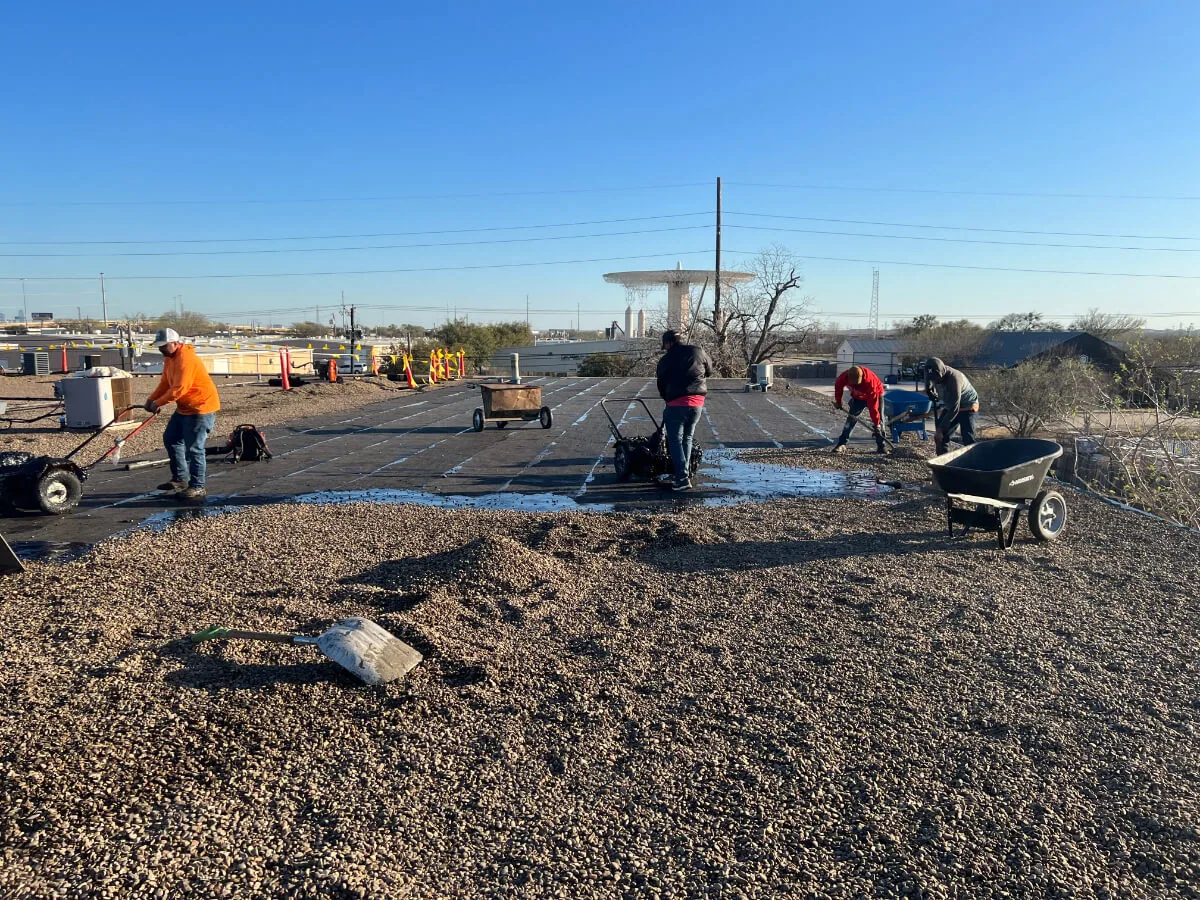
A clear scope names included roof sections, preparation, repairs, reinforcement, primer, coating product, application quantity, and termination details. List excluded areas and conditions that could change the work, including concealed moisture, loose substrate, damaged insulation, or unexpected incompatible layers. State how the crew will protect equipment, skylights, drains, and occupied areas. Describe the coating scope without promising that every leak will stop.
For each repair, show the observed condition, proposed treatment, and boundary. Separate temporary leak response from permanent restoration. Identify whether interior protection, tenant coordination, lifting equipment, or after-hours access is included. Any work beyond the approved limit should receive documented authorization before the surface is covered.
A maintenance visit after completion can track coating wear, new penetrations, drain debris, and foot traffic. Store dated photos by roof zone with product and repair records. A roof condition report can make the next inspection easier to compare with the accepted closeout.
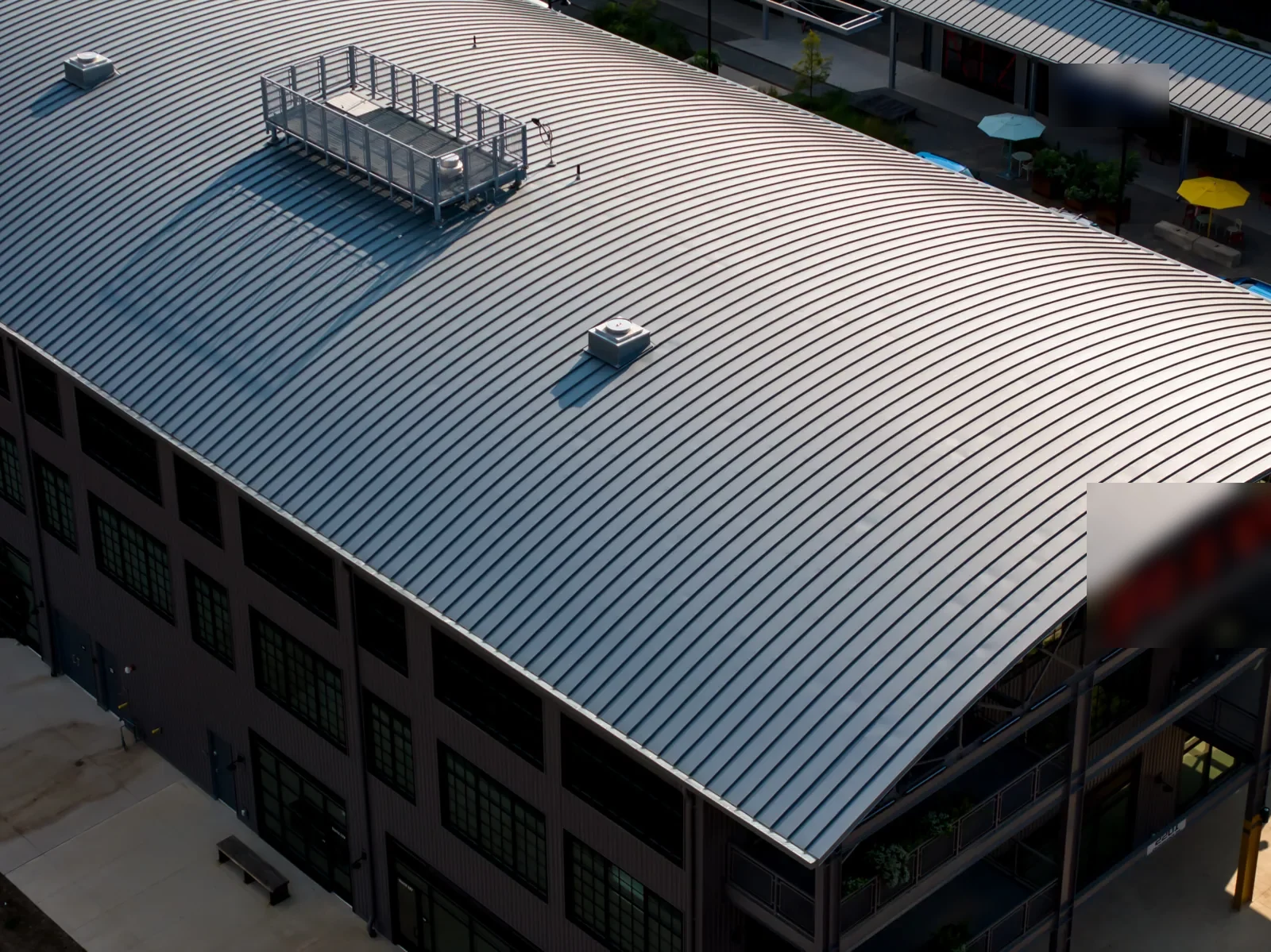
The Palm Bay Industrial Center is at Clearmont Street, where an industrial suite is listed for lease. That address is a useful local reference for discussing industrial access and rooftop service coordination. The listing does not confirm the building's membrane or coating history. Any project there begins with permission, roof access rules, and an assembly check.
For occupied commercial properties, agree on staging, delivery timing, warning signs, and equipment shutdowns before mobilization. Keep the work area small enough to protect if weather shifts. Photograph the substrate after preparation and before coating conceals it. Those records help resolve questions about what was found, repaired, and left outside the restoration scope.
Learn more →
Learn more →
Learn more →
Learn more →
Learn more →
Learn more →
Learn more →
Learn more →