
A coating can cover a roof surface without correcting a wet assembly or open detail. The first question is whether the existing roof is sound enough to restore. We separate the reported leak, visible coating condition, and concealed layers that remain untested. Palm Bay roofs face strong sun, heat, and frequent rain. Melbourne averages summer highs near 89 degrees. That figure describes the nearby Melbourne station. It does not measure the temperature or condition of a particular roof. We record the roof zones inspected, access limits, drains, seams, and penetrations before defining any coating work.
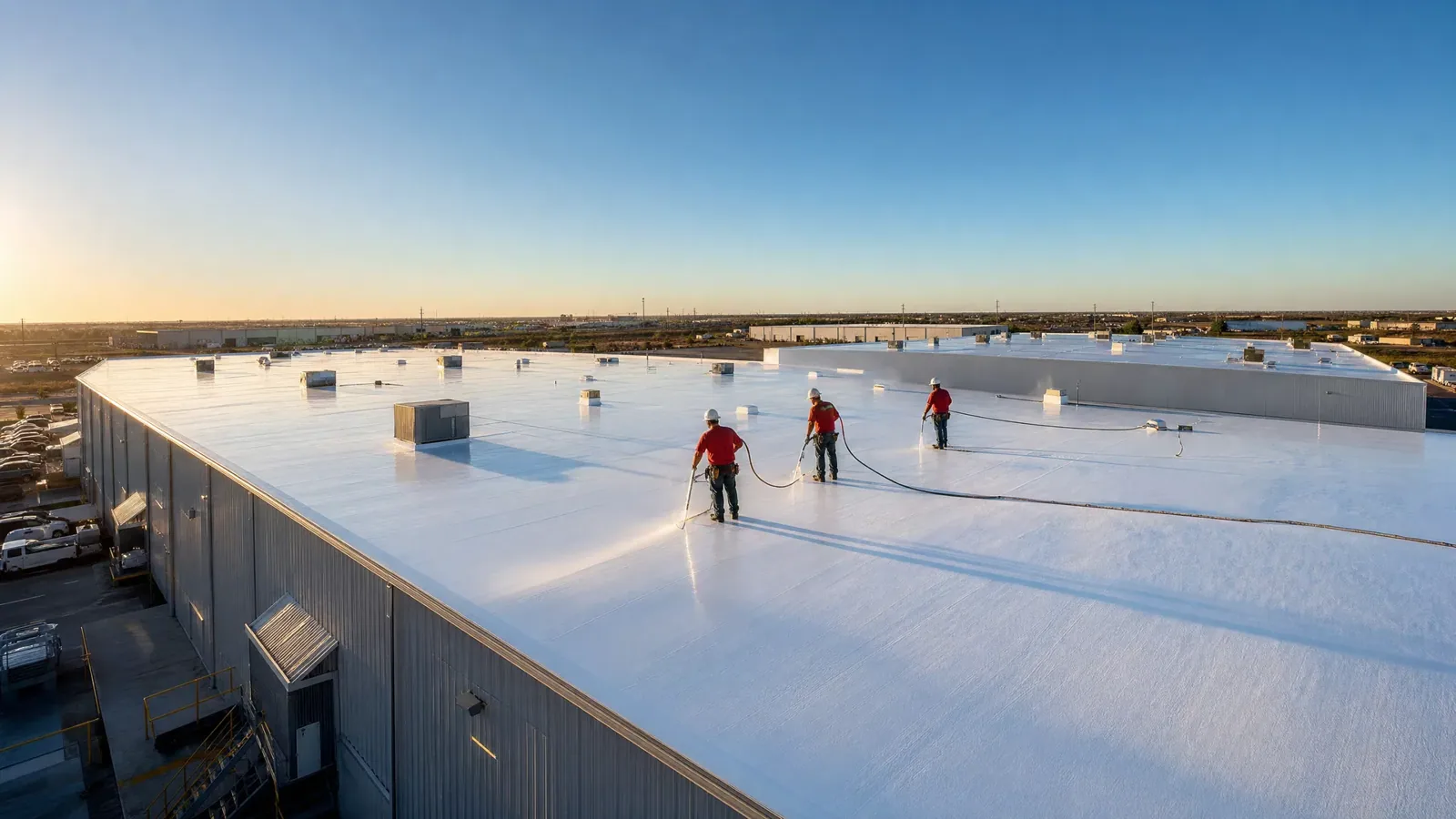
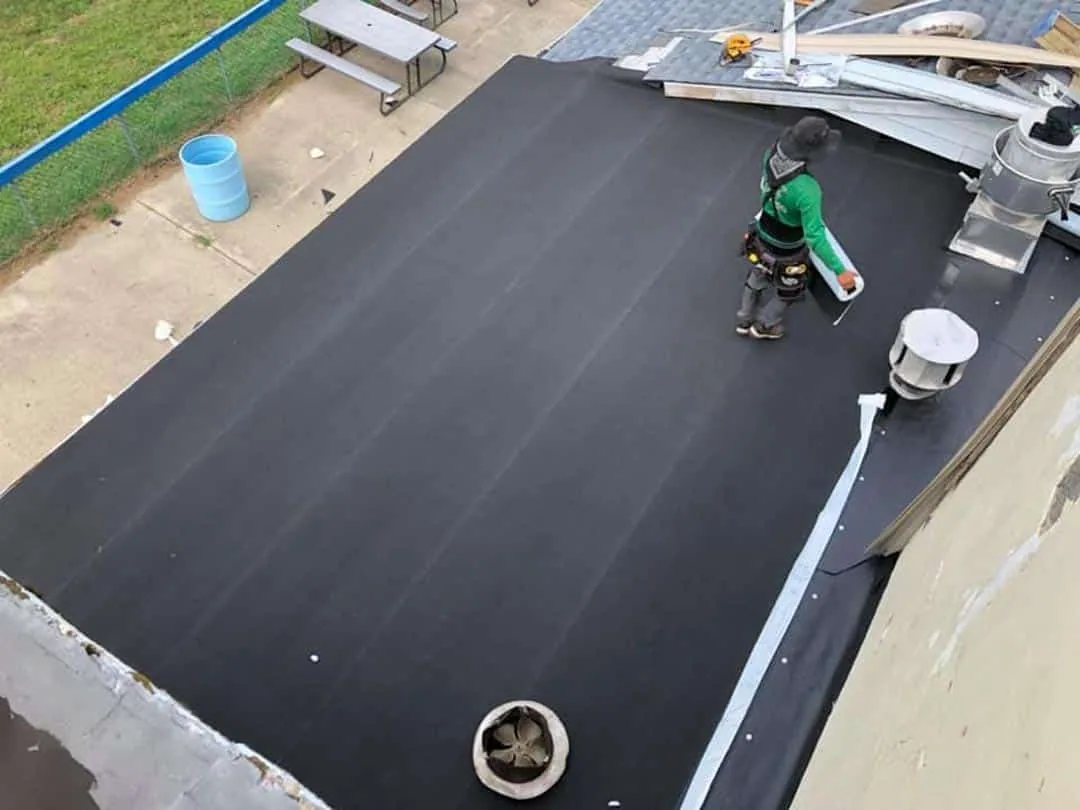
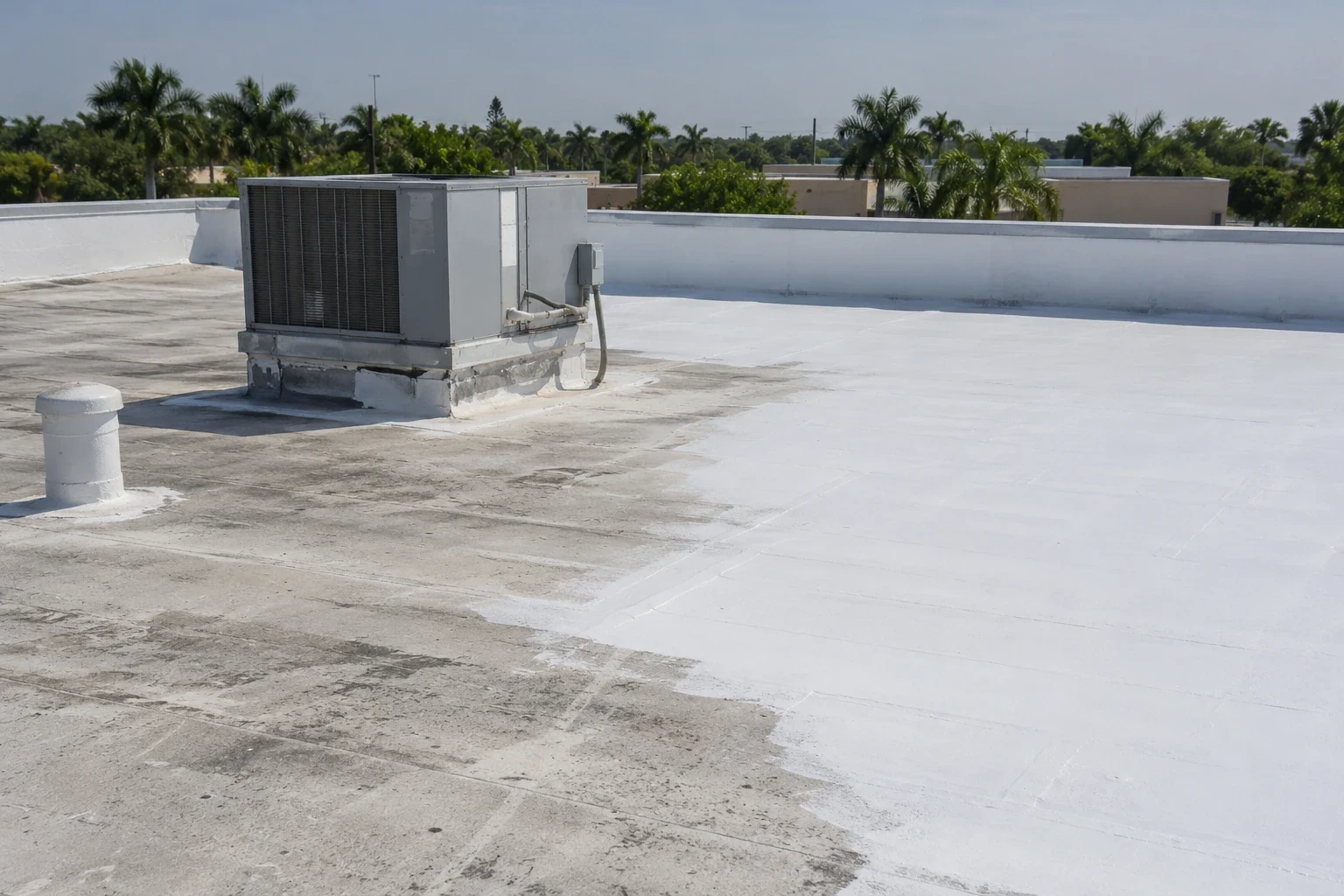
Coating restoration starts with a condition review, not a product selection. We inspect the existing membrane or metal, seams, flashing, drains, penetrations, edge transitions, and prior patches. The report identifies loose or brittle areas, open laps, corrosion, ponding evidence, trapped moisture, and contamination that could affect adhesion. A coating scope should not hide damage that needs repair first.
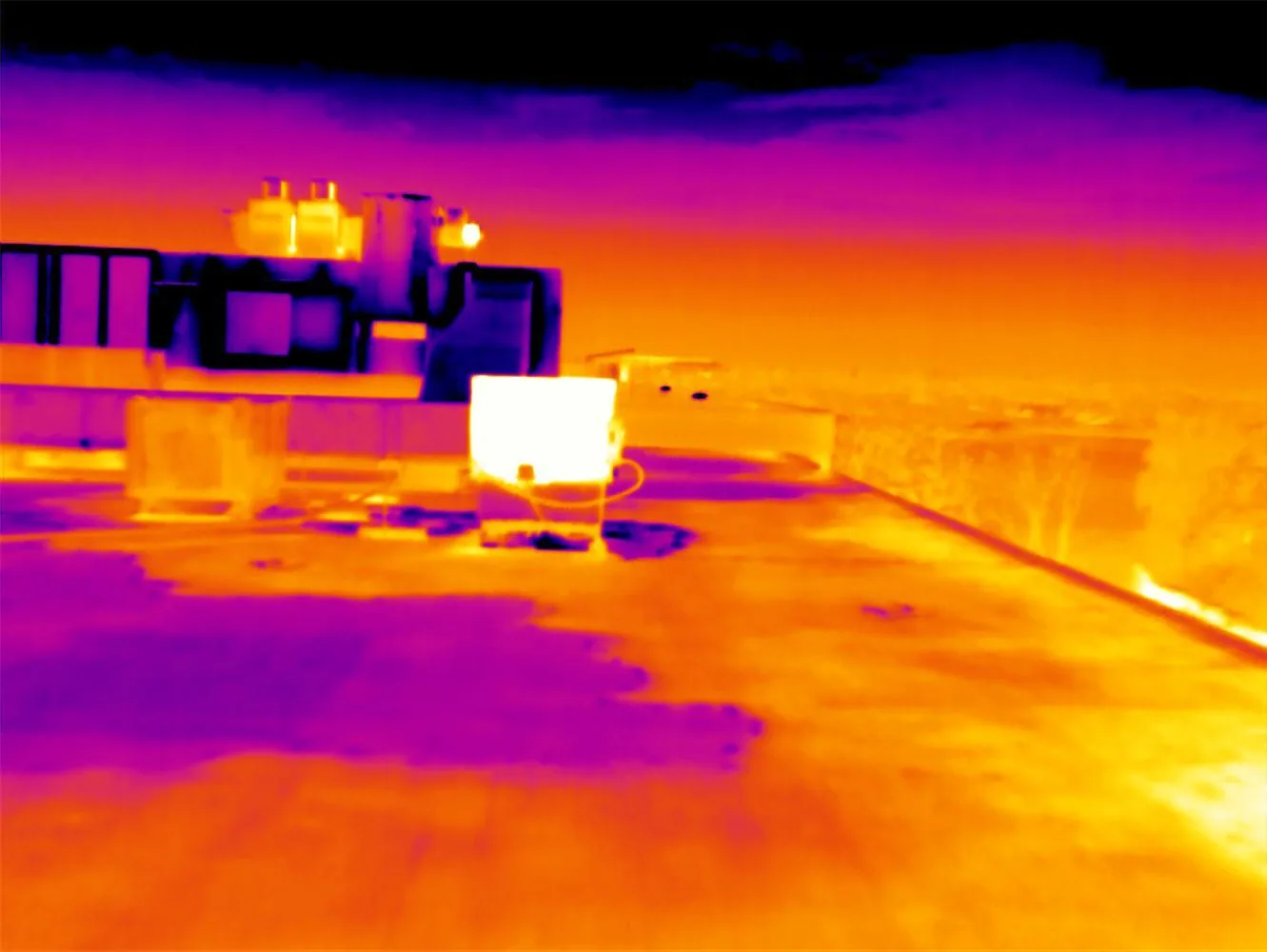
We identify the assembly where records and visible details allow. If the roof type is uncertain, the proposal says so. A hands-on roof inspection can establish the visible baseline. Where suspected wet insulation could change eligibility, an infrared moisture survey or selected test opening may help locate areas for follow-up. Each method has limits. An infrared image is an indicator to investigate, not proof of a specific material condition.
Coating suitability depends on adhesion, substrate stability, drainage, and detail condition. We may recommend a small adhesion test in a representative area. The test location and result go into the field record. If the existing surface has widespread separation, moisture, or movement, restoration may not be a responsible scope. The next step could be a repair, recover, or replacement evaluation based on what inspection confirms.
Water entry can begin at a seam, curb, edge, drain, or crack in an older coating. We map the reported interior stain to a roof zone and follow visible paths where access allows. A stain below one area does not prove the opening is directly above it. Roof slope, deck profile, insulation, and framing can carry water laterally.
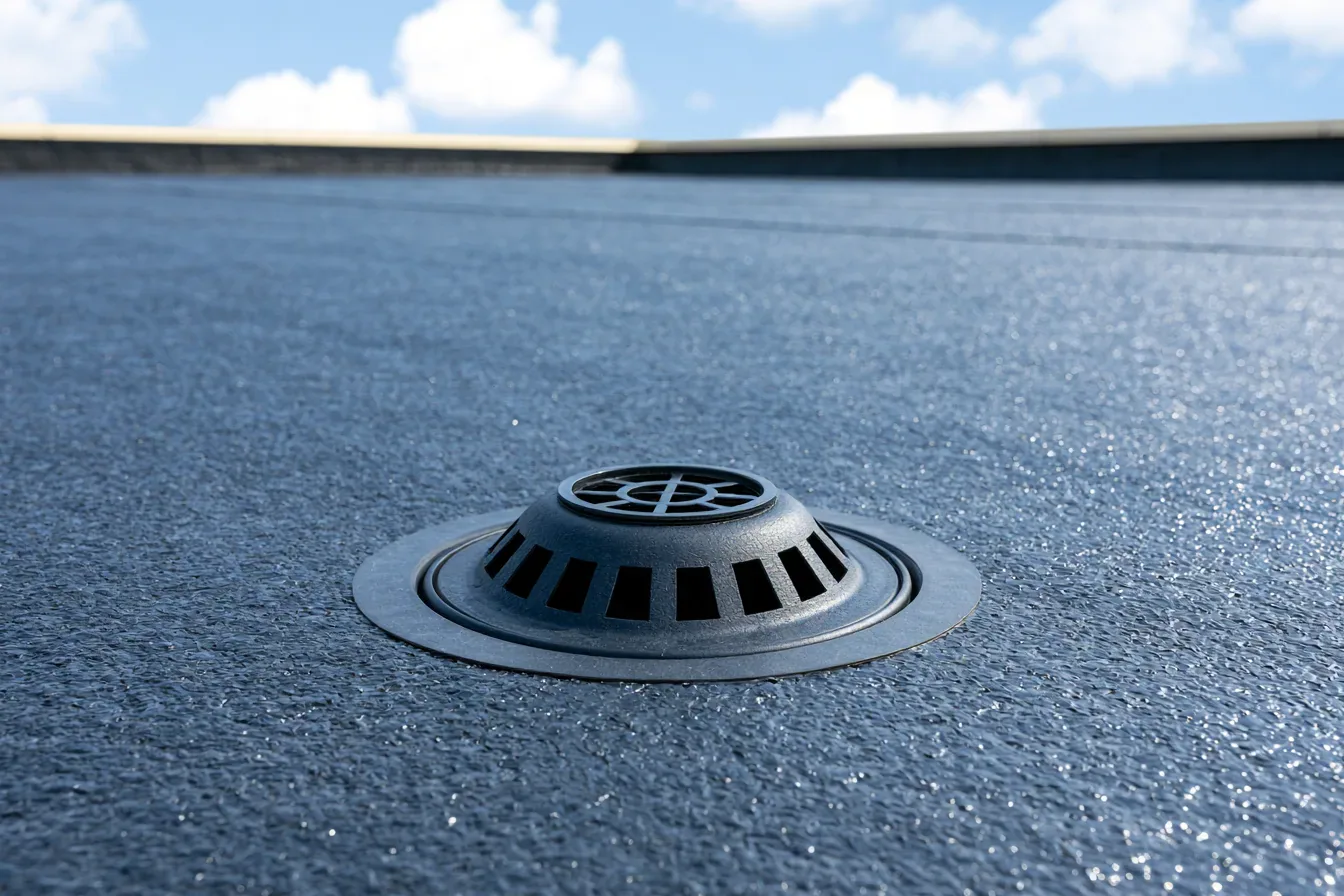
Drainage remains part of the restoration decision. We inspect drain bowls, strainers, scuppers, overflow routes, and low areas. A coating adds a surface layer; it does not correct an adverse slope by itself. If water remains after outlets are cleared, we record the affected area and consider a drain and ponding review. The proposed work should preserve designed flow and avoid blocking an overflow path.
The South Palm Bay retail growth area includes the Commons at Cypress Bay West near St. Johns Heritage Parkway and Babcock Street. That is one example of the mixed commercial setting where deliveries, customers, and roof access may need coordination. Its location does not establish a roof assembly. The facility contact still needs to identify access rules, staging space, and any tenant-sensitive hours before coating work is scheduled.
Coating is not a substitute for correcting failed flashing or a loose termination. Before application, the scope names repairs at seams, penetrations, curbs, drains, and perimeter details. We identify material compatibility and the boundary around each repair. A liquid coating may need reinforcement at transitions, but reinforcement cannot make an unstable substrate sound.
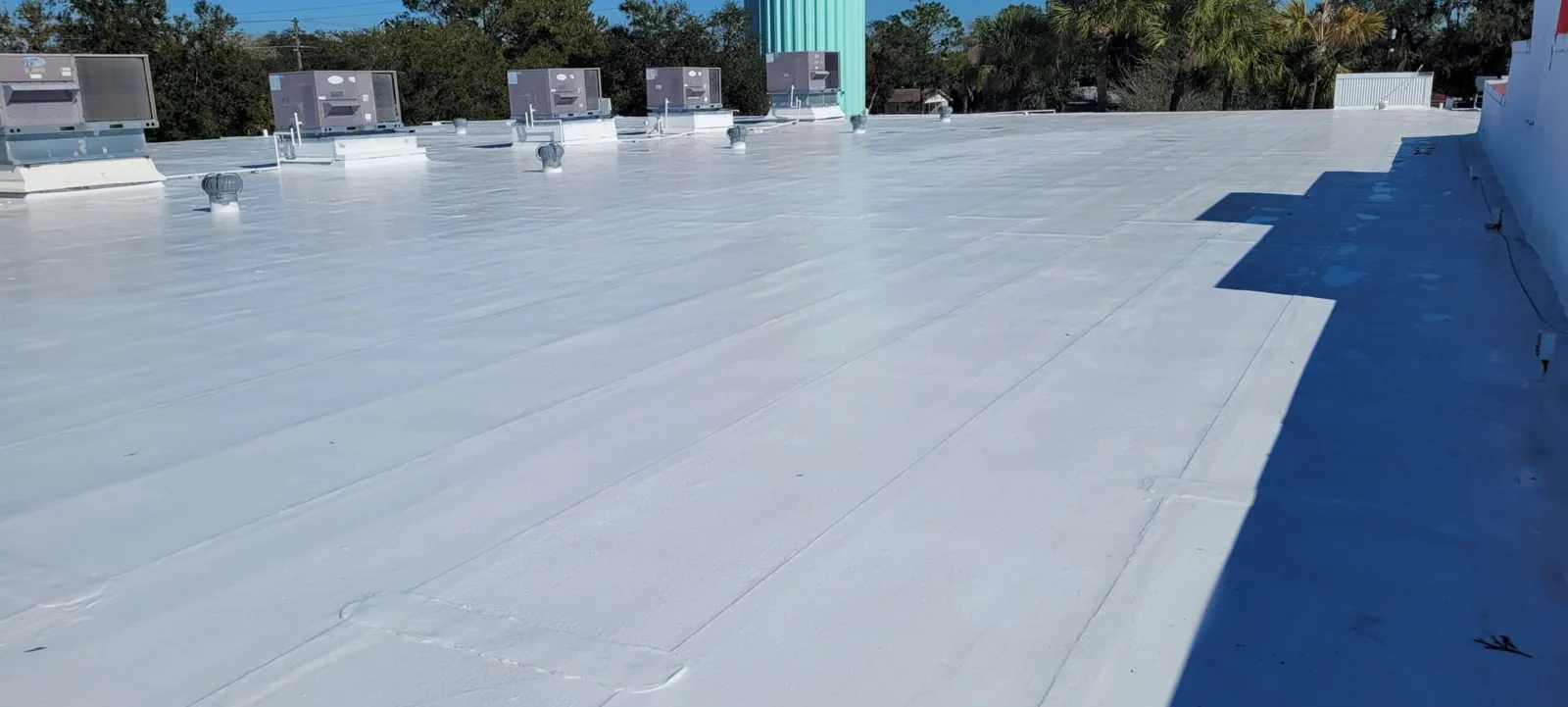
Metal roofs need a different review from membrane roofs. Fasteners, panel laps, corrosion, and dissimilar-material transitions can affect preparation and adhesion. A silicone roof coating system or acrylic coating system must match the roof and exposure. We identify the specified system in the scope without claiming a warranty term or manufacturer relationship. If panel attachment or seam movement is the primary issue, coating may leave the failure unresolved. A localized repair assessment may be the better starting point.
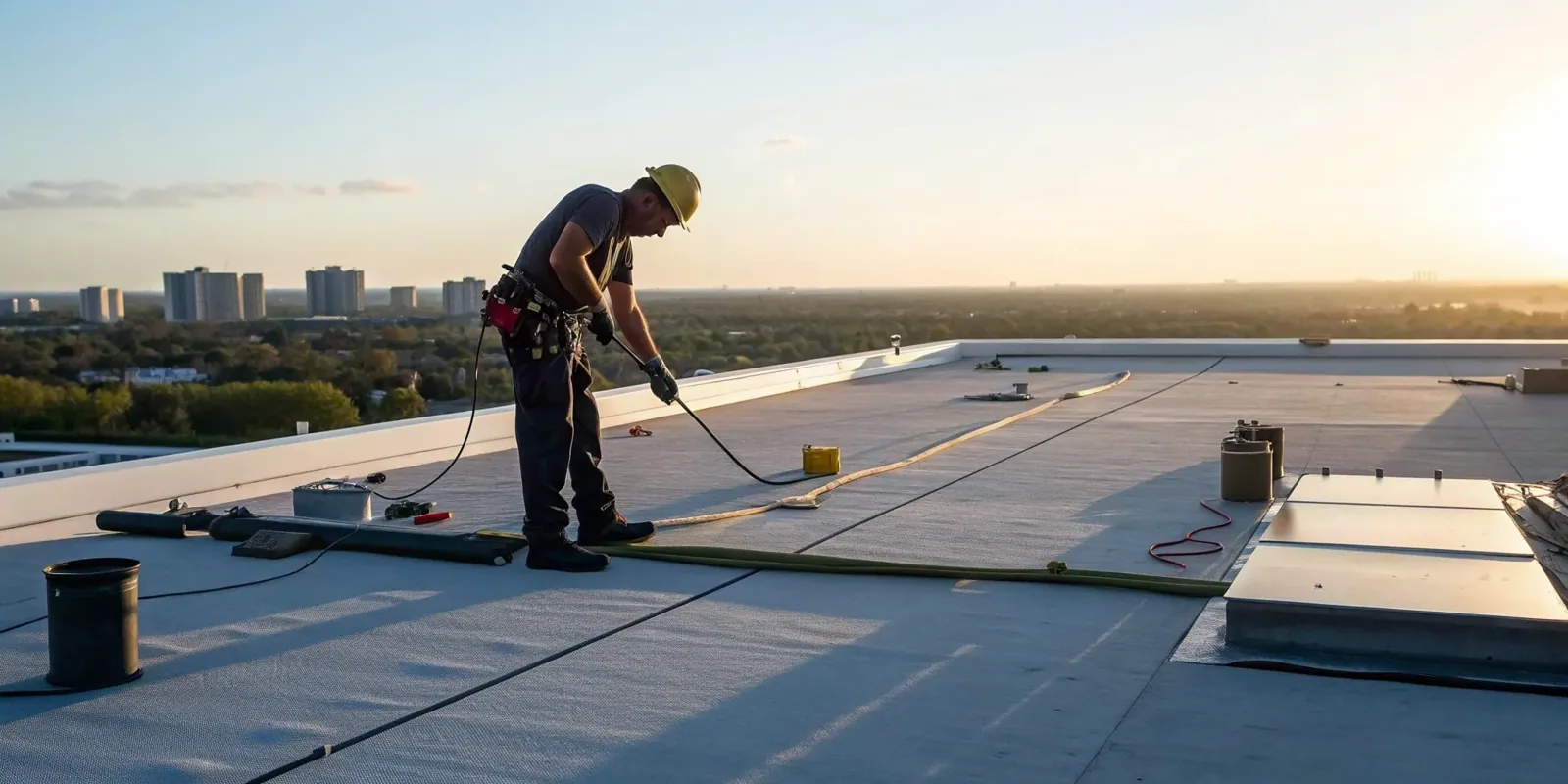
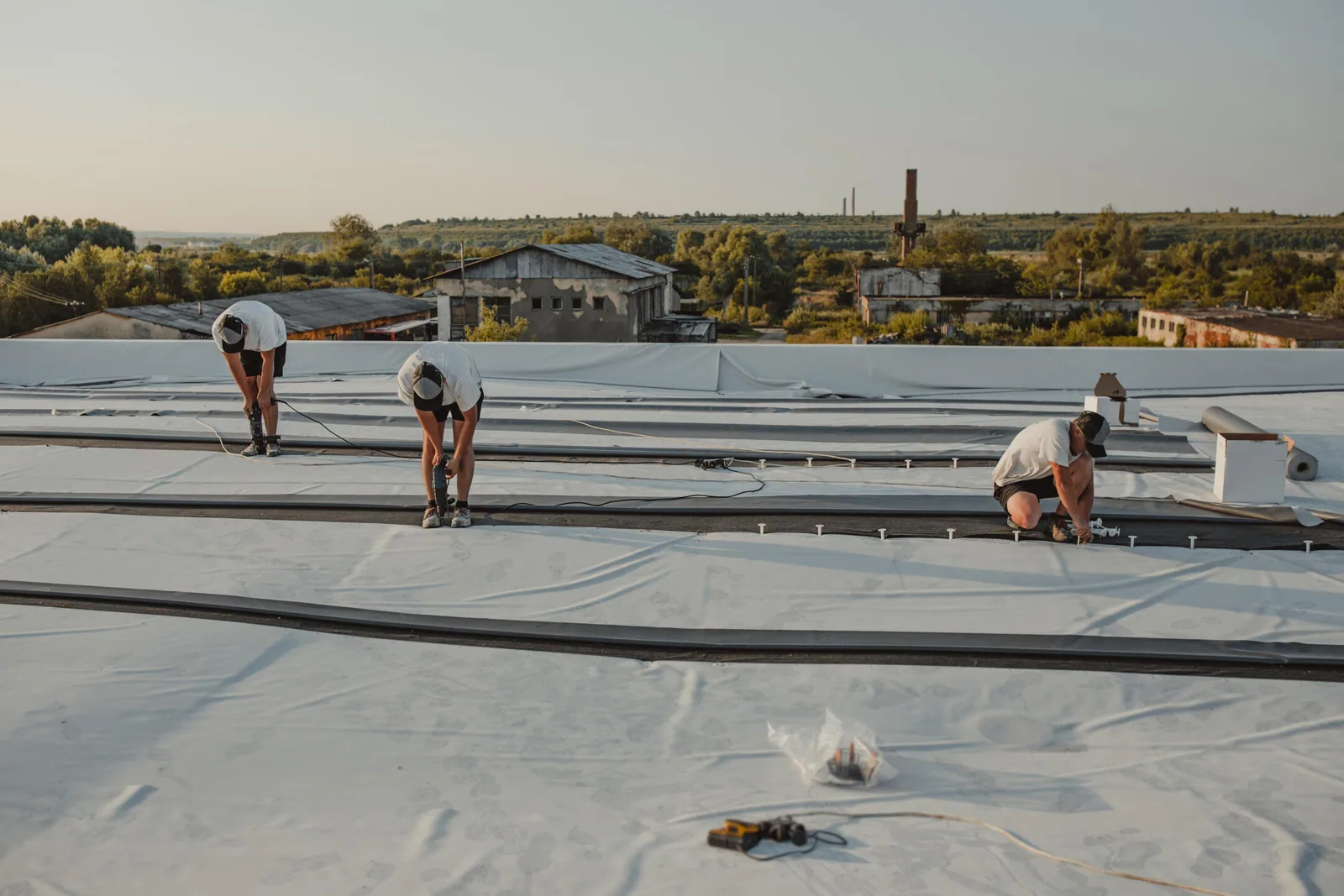
Preparation includes removing loose material and contaminants that interfere with adhesion. The crew records surface condition and weather window before application. A wet substrate, active leak, or unsuitable temperature can change timing. Work proceeds by manageable roof zones, with edges protected and drainage kept open. The application log notes area, conditions, material, and any interruption.
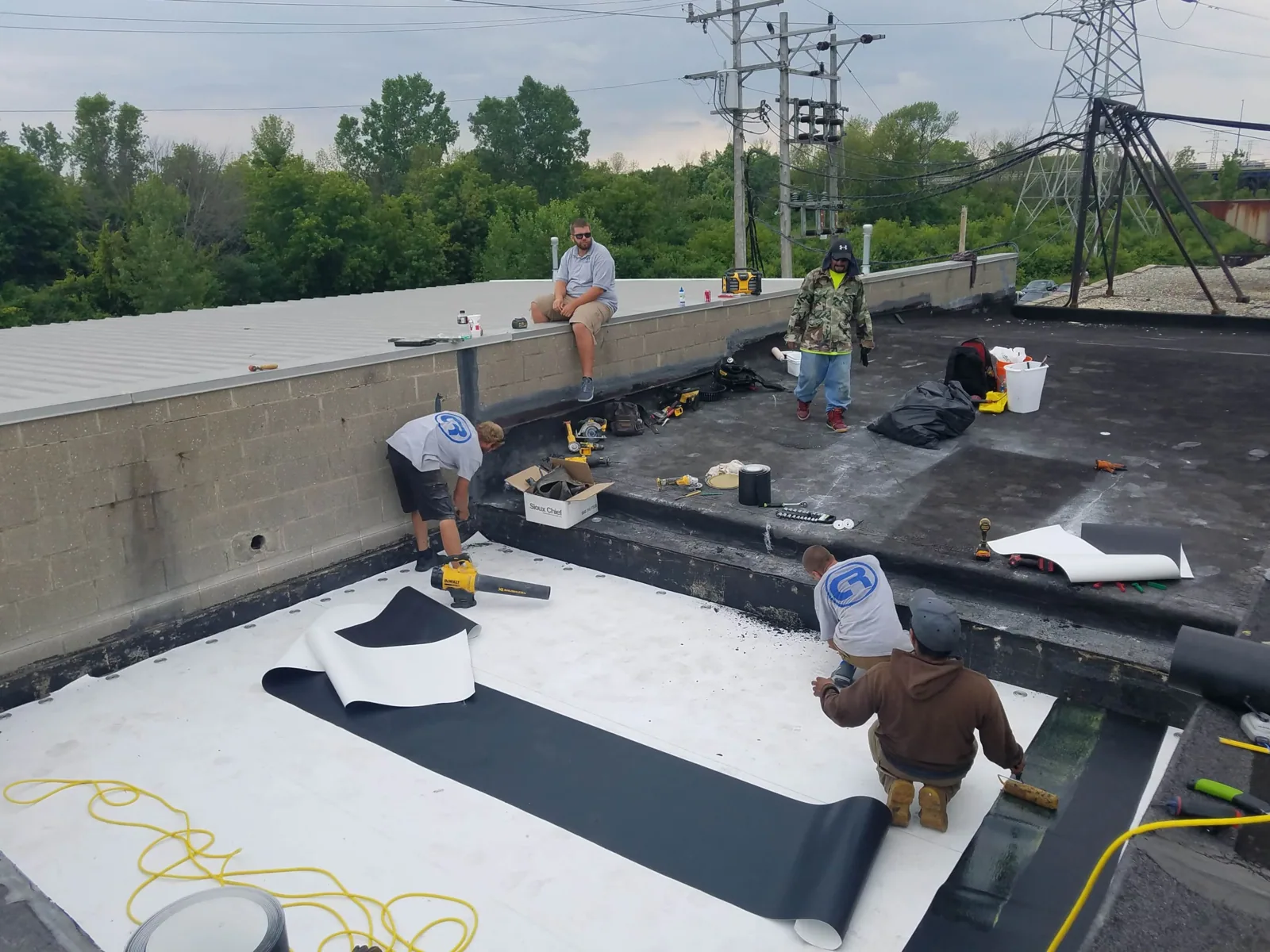
The proposal defines which roof sections receive coating and which areas remain outside the work. It states the preparation steps, repairs, product system, application approach, access plan, and exclusions. It also identifies concealed conditions that could require a revised scope after a test opening.
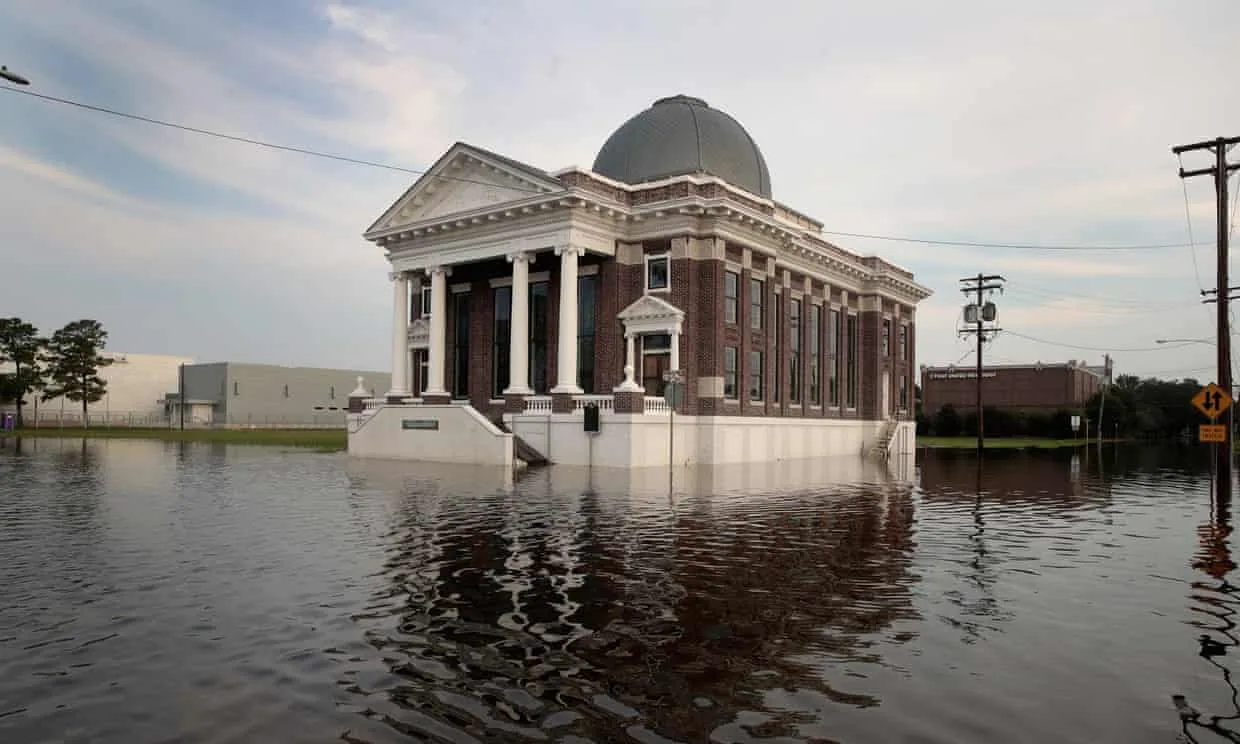
Summer rain can interrupt application or cure. The crew checks the forecast and surface condition before opening material. A temporary cover protects an exposed or leaking area while work pauses. Temporary protection is logged separately from permanent restoration. Melbourne averages more than 55 inches of precipitation each year, while the crew checks site conditions before opening a roof section.
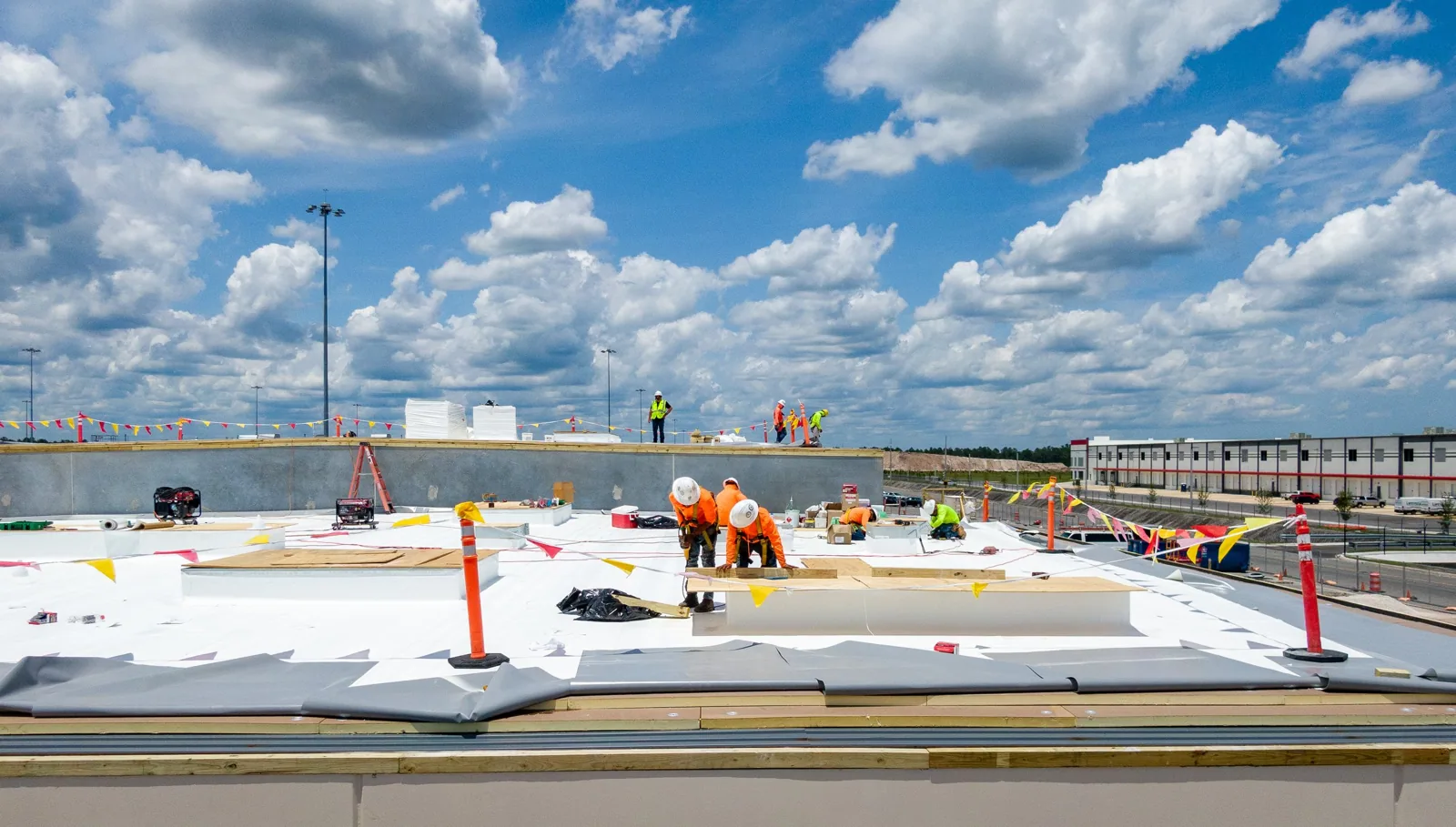
For a commercial property with several buildings, each roof section needs its own condition and quantity record. Palm Bay Flex Business Park advertises modular units near Interstate 95 and the L3Harris campus. A multi-tenant roof can have different equipment, penetrations, and repair histories by bay. A photo condition report assigns proposed work to a roof zone. A portfolio roof program tracks inspections and open work across buildings.
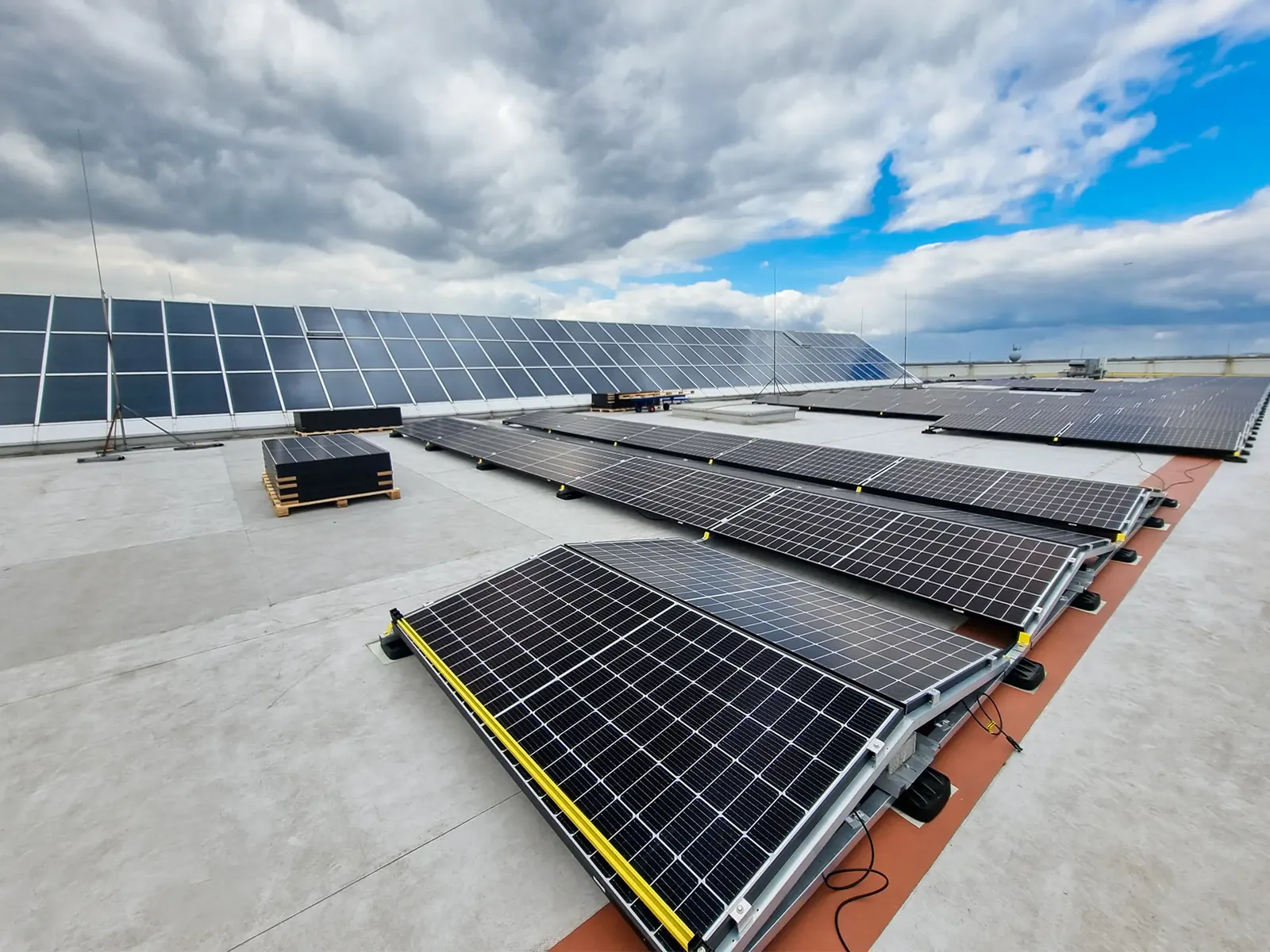
After application, we record completed zones, repaired details, material identification, and conditions that limited the work. Closeout photographs show representative field areas and transitions. The record notes areas excluded from coating, including inaccessible sections or locations where substrate condition did not support application.
Follow-up should focus on the same seams, penetrations, drains, and perimeter details identified during the baseline inspection. If a leak report returns, the new event date and affected interior area receive a separate entry. We inspect the reported path instead of treating a later stain as proof that the full restoration failed. A follow-up visit can identify whether water is entering through the coated field or another roof detail.
Florida's 2023 Building Code took effect statewide on December 31, 2023. If restoration includes permitted alteration, the project team should review the applicable requirements for that scope. A coating evaluation is not a code approval. It is a documented assessment of visible substrate condition, test results, and defined application limits.
Learn more →
Learn more →
Learn more →
Learn more →
Learn more →
Learn more →
Learn more →
Learn more →