
Active local weather warning
The National Weather Service has issued a coastal flood warning covering Palm Bay. Heavy rain and drainage loading can expose roof leaks, blocked drains, and ponding water. This is a weather exposure advisory; it does not establish damage to a specific roof.
Do not access a roof during hazardous weather. Protect people first, avoid water near electrical equipment, and request roofing help when conditions permit.
National Weather Service · Updated Oct 28, 2026, 6:40 AM UTC
Exterior changes to commercial buildings and signs in Olde Eau Gallie Riverfront CRA require review-board approval. A roof proposal that changes visible coping, edge metal, or equipment screening should account for that review before permanent materials are ordered. We inspect the roof condition and identify the proposed exterior work in separate records. The CRA covers 297.2 acres across Eau Gallie's former downtown, which became part of Melbourne in 1969. Those district facts give a boundary, not the condition of any individual roof.
Public projects in the area include Eau Gallie Square, a reconstructed pier, sidewalk work on Eau Gallie Boulevard, parking, and business wayfinding. Those features can matter when choosing a staging point or route for materials. We confirm current access with the property contact rather than assume a project remains active. A roof inspection records the building address, event date, affected zone, observed damage, and any area the crew could not reach.
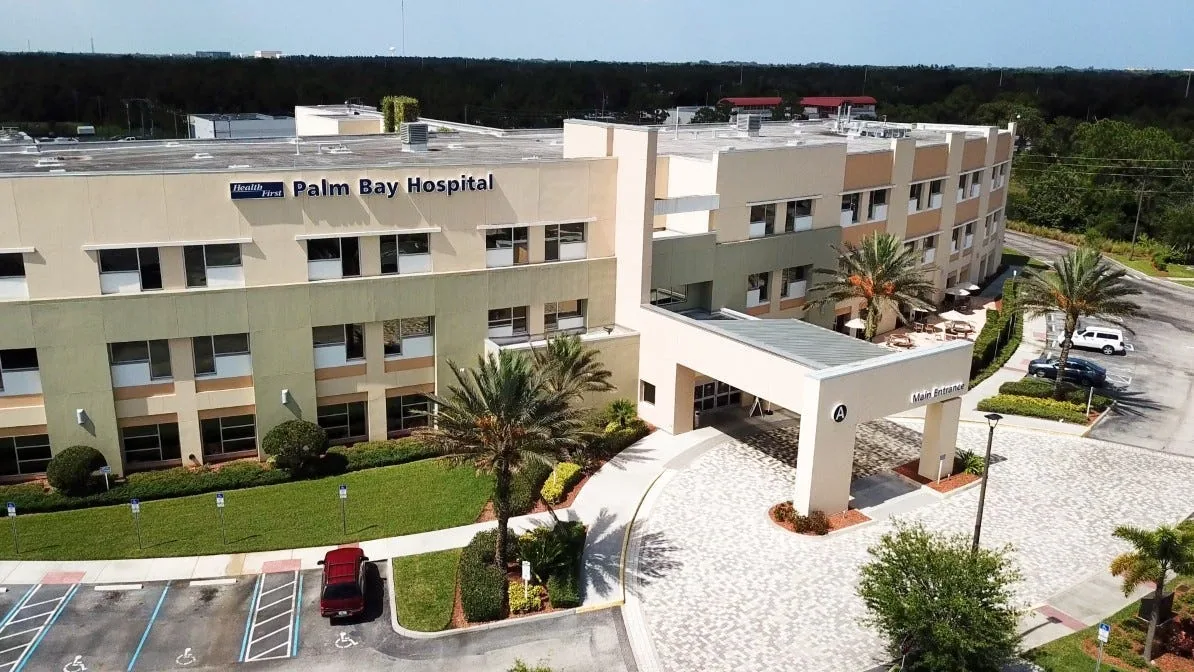
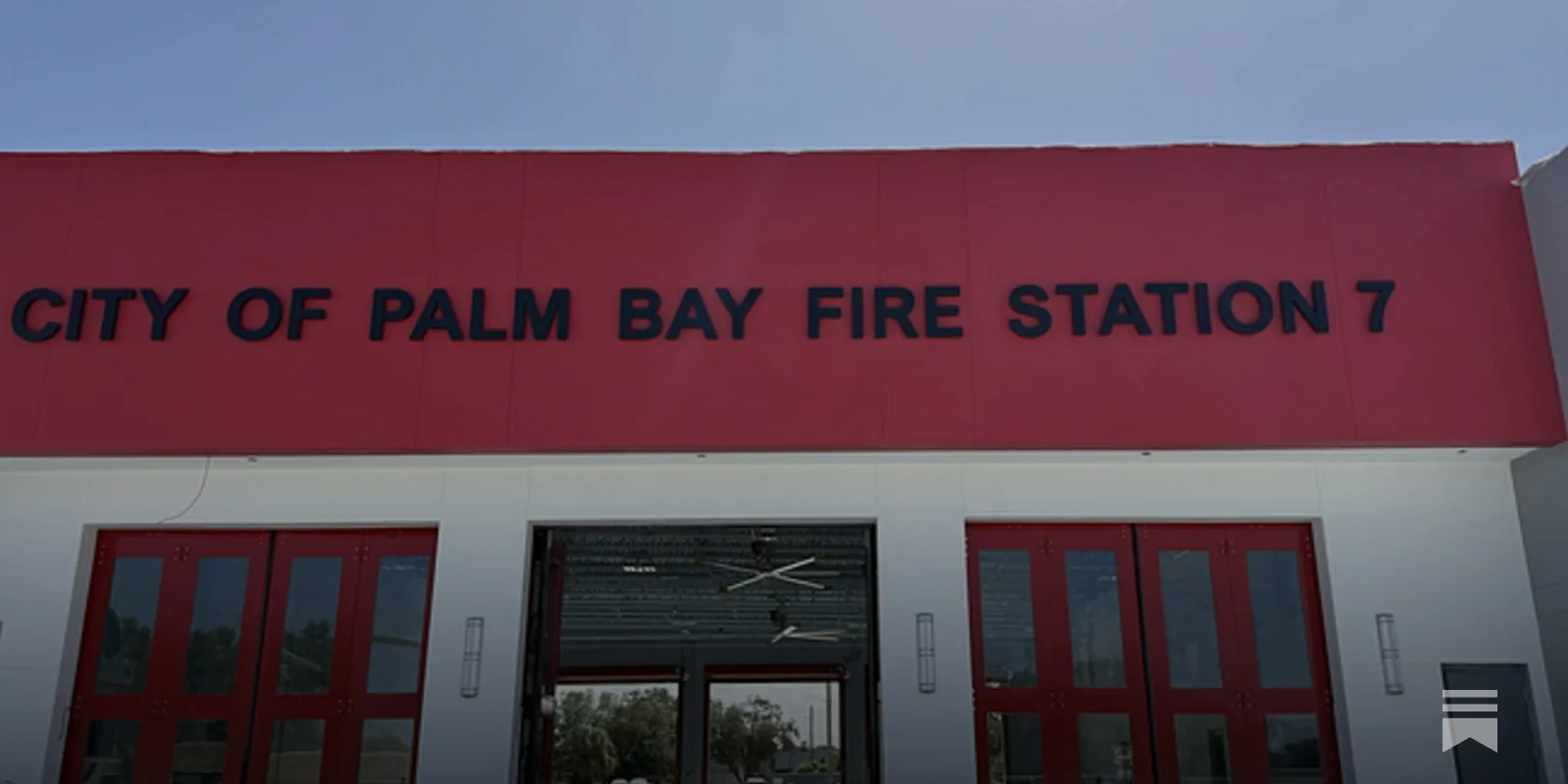
We start by defining what the repair changes. A hidden membrane patch may have a different review path than new perimeter metal, a visible roof edge, or a screen. The building owner or design professional confirms submittal steps with the review board. Our scope identifies the detail, material, roof zone, and timing assumption. That gives the project team a clear description to use when checking approval requirements.
The CRA includes public improvements such as sidewalks, parking, and wayfinding. If work staging or access could affect those areas, the property contact confirms the approved route and any temporary restrictions. We plan ladder placement, material movement, debris handling, and protection below the roof. If a sidewalk or entrance cannot be used, the report records the alternative and any resulting access limit.
During repair, visible elements should follow approved project details. We photograph the existing condition before removal and the finished transition afterward. If the field condition differs from the reviewed drawing, we stop at a safe boundary and notify the project lead. The next step may require a revised detail. The closeout names any unresolved exterior change before new roofing material covers the detail.
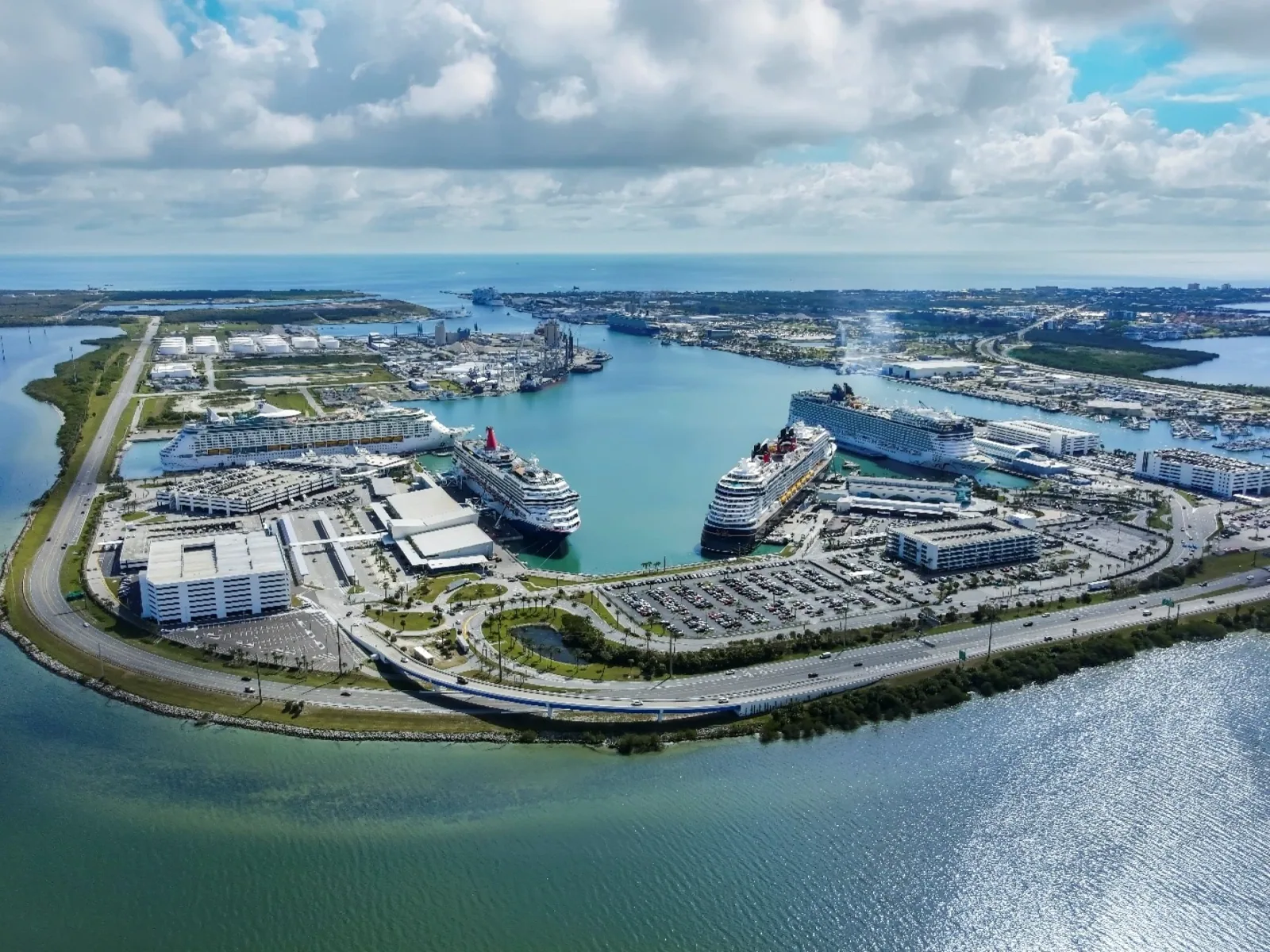
Over the 1991-2020 normal period, Melbourne averaged 55.28 inches of precipitation per year; June and September ranked highest by month. Those figures are regional averages, not a rain log for one Olde Eau Gallie address. We inspect drains, scuppers, overflow paths, low points, seams, walls, and penetrations for actual signs of water. An interior stain helps identify a starting zone. It does not confirm where the roof opening sits.
Water can move beneath a membrane before appearing in a room. We follow seams and transitions toward the reported condition and photograph each finding. If an area is blocked by equipment or restricted access, we note that limit. A test opening may be proposed when moisture below the surface could change the repair. The owner approves the location before removal. The closeout records each layer and the repair boundary established by the opening.
Heat and surface moisture can affect material preparation and cure. The selected product has to match the identified assembly and installation conditions. For immediate water entry, temporary protection is documented with its own location and return plan. Permanent repair is recorded after preparation and inspection. A storm report may prompt a visit, but the field record states what changed at the property.
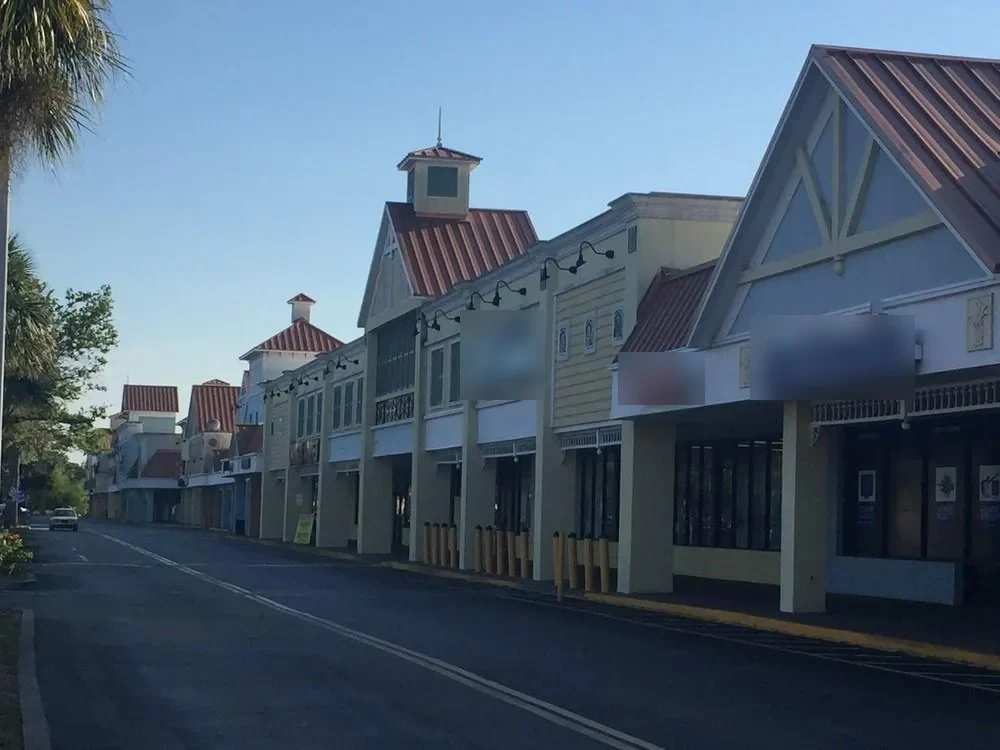
An isolated seam split or flashing failure may support a localized repair when adjacent material is dry and secure. We identify the system, prepare sound material, and photograph the finished edge. If the damaged zone extends beyond the visible defect, an approved test opening establishes the additional scope. The record states what was observed and what remains unknown.
Recover requires a stable existing assembly, available height at edges, sound drains, and compatibility with the new layer. Coating requires a clean and compatible surface plus reliable drainage. Replacement may be preferable when wet insulation, deck deterioration, or repeated failures span multiple zones. Any visible change to the building exterior must be coordinated with the review path. We keep the roofing diagnosis distinct from that approval question.
Pricing depends on access, removal depth, disposal, insulation, deck repair, custom metal, penetrations, temporary protection, and project sequencing. Review timing can also affect when visible materials are released. The perimeter metal scope defines exposed edge work. A replacement plan describes removal, tie-ins, and daily protection. For a water event, storm repair documents reported conditions and observed damage separately.
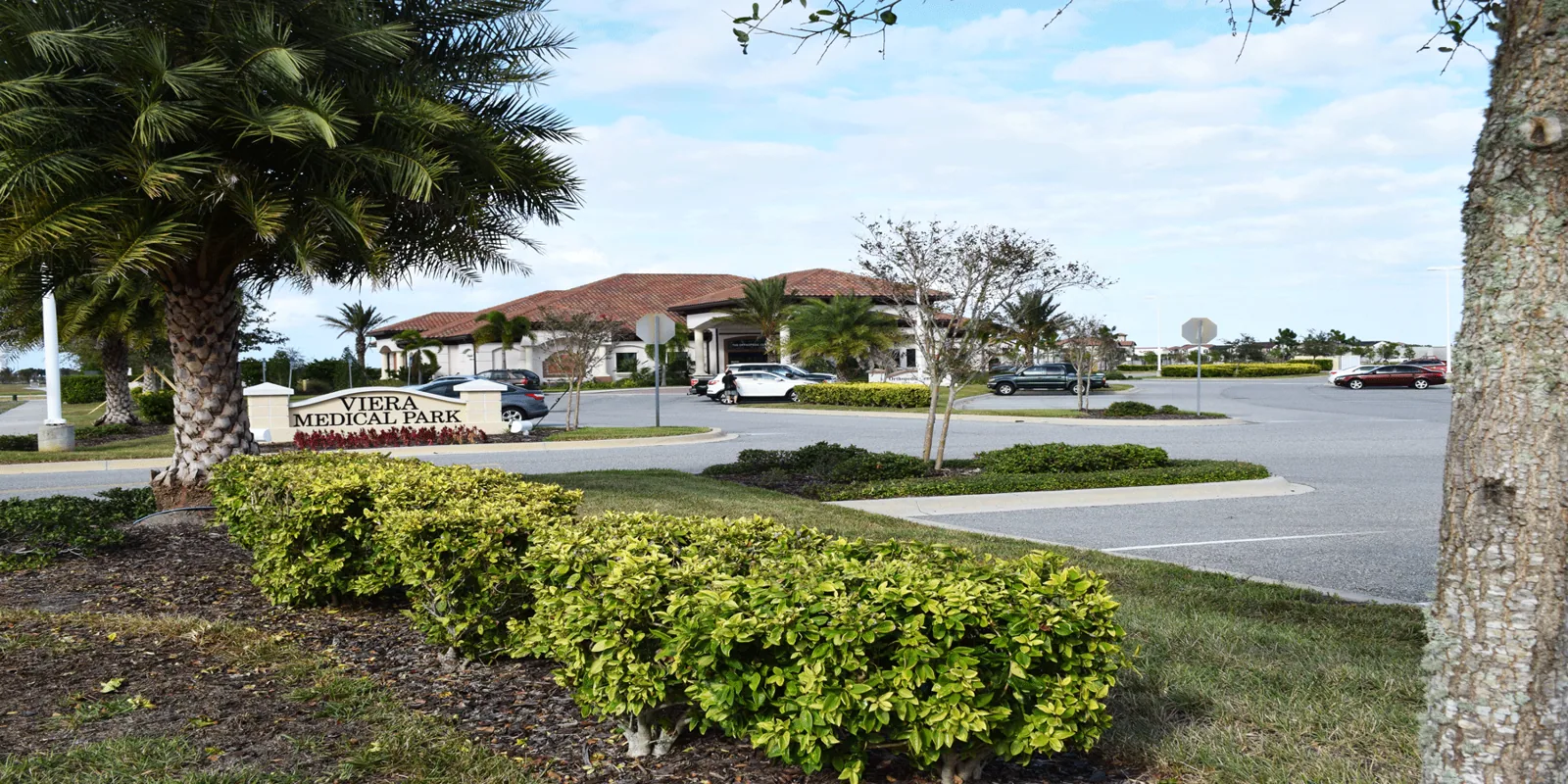
The closeout should preserve the district address, approved detail reference, event date, roof zone, before and after photographs, materials, repair limit, and access restrictions. If the review board asked for a visible finish or color, the owner can retain that approval with the roofing record. Open items remain listed until the detail is completed and inspected.
Other redevelopment settings have different rules. Downtown Melbourne CRA has its own review context. The West Melbourne district covers Ellis Road, Wickham Road, and New Haven Avenue. Those separate facts do not define requirements inside Olde Eau Gallie. The project contact verifies which district and approval apply.
Follow-up can inspect a repaired seam, perimeter, flashing, or drain after later work. If review affected the schedule, the closeout identifies that milestone and who will confirm it. A condition report helps track unresolved items, and a maintenance program can return to the same roof zones on a planned schedule. The record remains tied to the property inspected.
Learn more →
Learn more →
Learn more →
Learn more →
Learn more →
Learn more →
Learn more →