
Active local weather warning
The National Weather Service has issued a coastal flood warning covering Palm Bay. Heavy rain and drainage loading can expose roof leaks, blocked drains, and ponding water. This is a weather exposure advisory; it does not establish damage to a specific roof.
Do not access a roof during hazardous weather. Protect people first, avoid water near electrical equipment, and request roofing help when conditions permit.
National Weather Service · Updated Oct 28, 2026, 6:40 AM UTC
The West Melbourne redevelopment area follows Ellis Road, Wickham Road, and New Haven Avenue across municipal and unincorporated portions. That corridor boundary matters when a commercial roof project involves more than one parcel or approval contact. We confirm the exact address, owner, building, and access route before scheduling. The inspection then records the roof zone, reported event, visible condition, and any limit. Road names identify the district; they do not establish which buildings or roof systems are present.
The joint city and county district was established in 2011 and uses tax-increment financing. Those facts describe the redevelopment framework, not a roofing budget or a property's condition. For roof work tied to a larger project, the owner confirms the correct jurisdiction and project contact. We keep that coordination question separate from the inspection findings. A field report shows the observed damage and repair boundary for the named building.
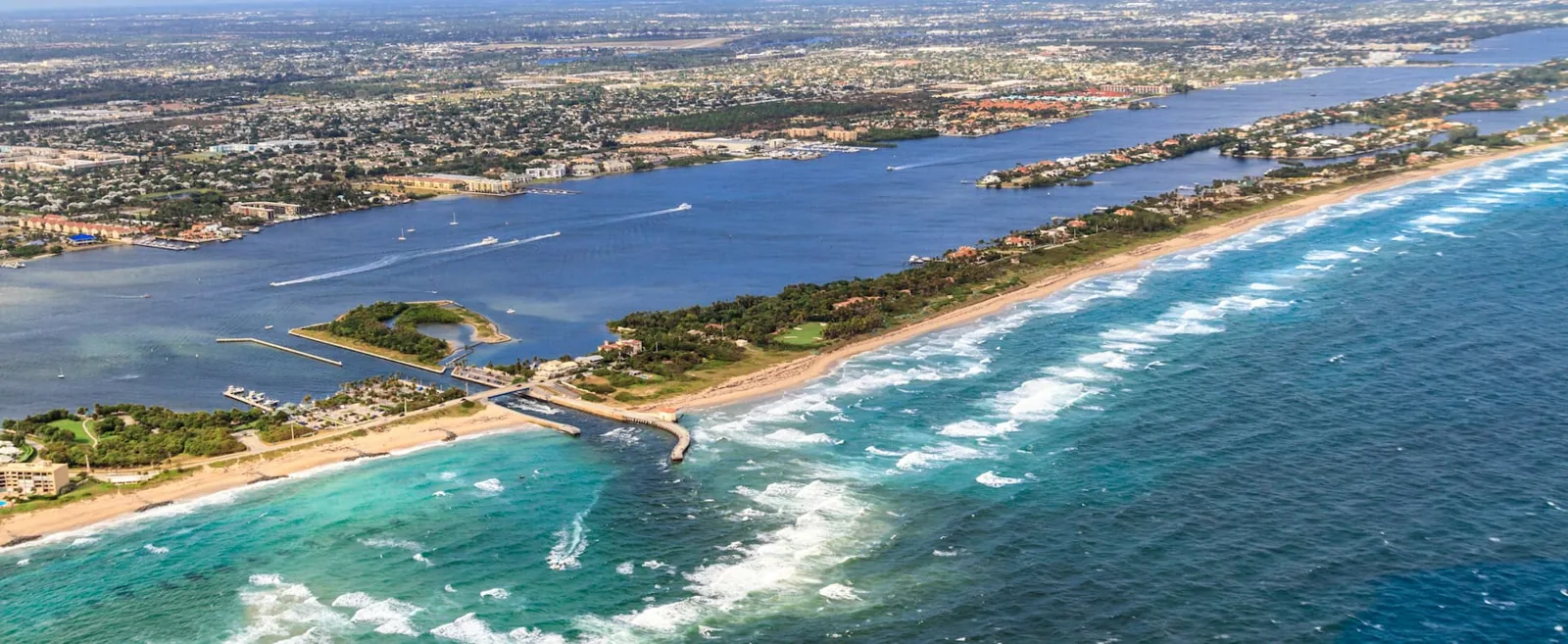
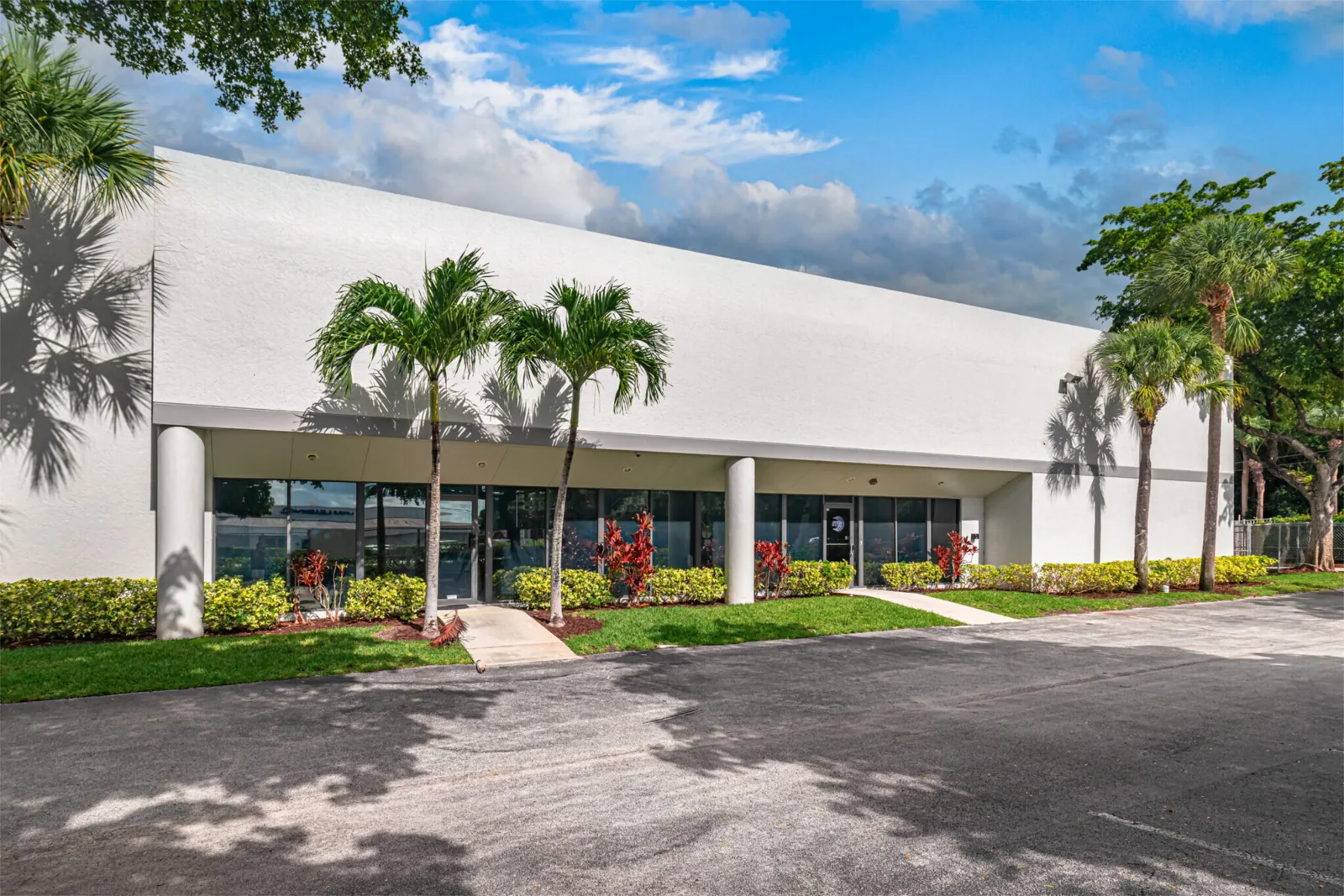
Ellis Road, Wickham Road, and New Haven Avenue cross a service area that includes both municipal and unincorporated land. Before proposing work, we confirm which address and building are under review. The owner or general contractor identifies the applicable permit and approval contact. We record the contact and any schedule assumption that affects roof access. A corridor label alone cannot answer those project questions.
For a multi-building property, we map each roof section and note shared drains, walls, and access points. One address may require a different work window from another. The site contact confirms tenant hours, staging, loading, and any restricted area. If a crew cannot inspect a roof zone, the report records the limitation. Adjacent parcels do not receive the same finding by proximity.
When roof work overlaps civil or building construction, the sequence should identify exposed edges and new penetrations. We check which trade owns each tie-in. A temporary termination must be secure before the crew leaves. The closeout states the material, location, and return trigger. If field conditions differ from drawings, the project lead gets the discrepancy before the affected detail is covered.
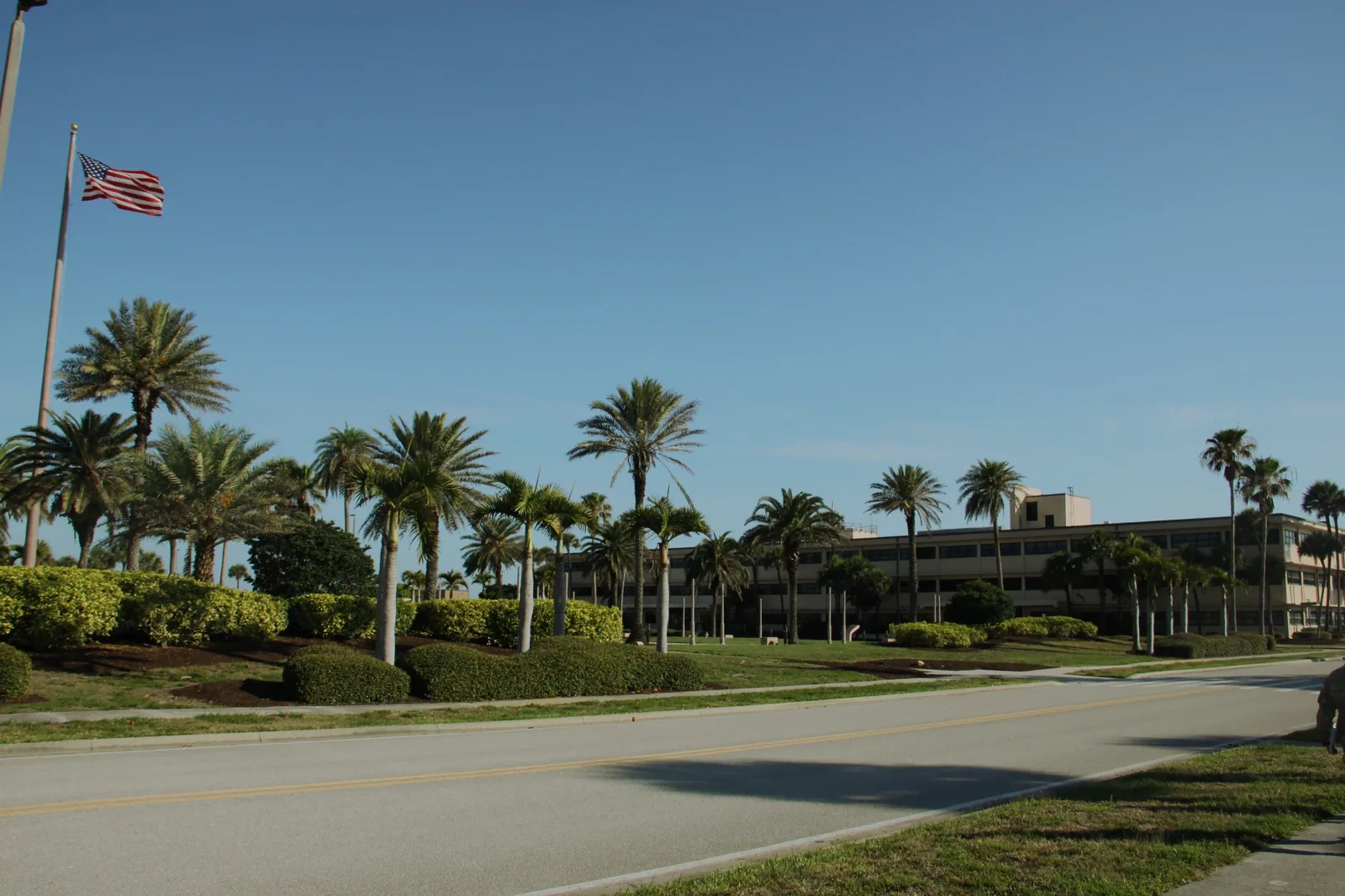
For regional planning, Melbourne records 55.28 inches of average annual precipitation. Along Ellis, Wickham, or New Haven, the roof walk records actual drainage and surface conditions. We inspect actual drain paths, outlet condition, overflow openings, and low areas. A photo records standing water or a blocked strainer. The next step depends on whether the outlet, slope, insulation, or deck needs attention.
Wind-driven rain can enter at a seam, wall flashing, curb, or edge. The interior mark may not sit directly beneath the opening. We record the event date and room, then trace accessible roof details across the likely path. Each field photograph names its roof zone. An area hidden by equipment or unavailable during construction remains on the follow-up list.
Heat affects preparation and product selection. We identify the installed membrane before selecting a repair method. If active water needs immediate control, temporary protection gets a separate note and return date. Permanent repair follows after the roof is dry and the material can be installed under suitable conditions. This sequence is especially important when a corridor project has several teams working across separate parcels.
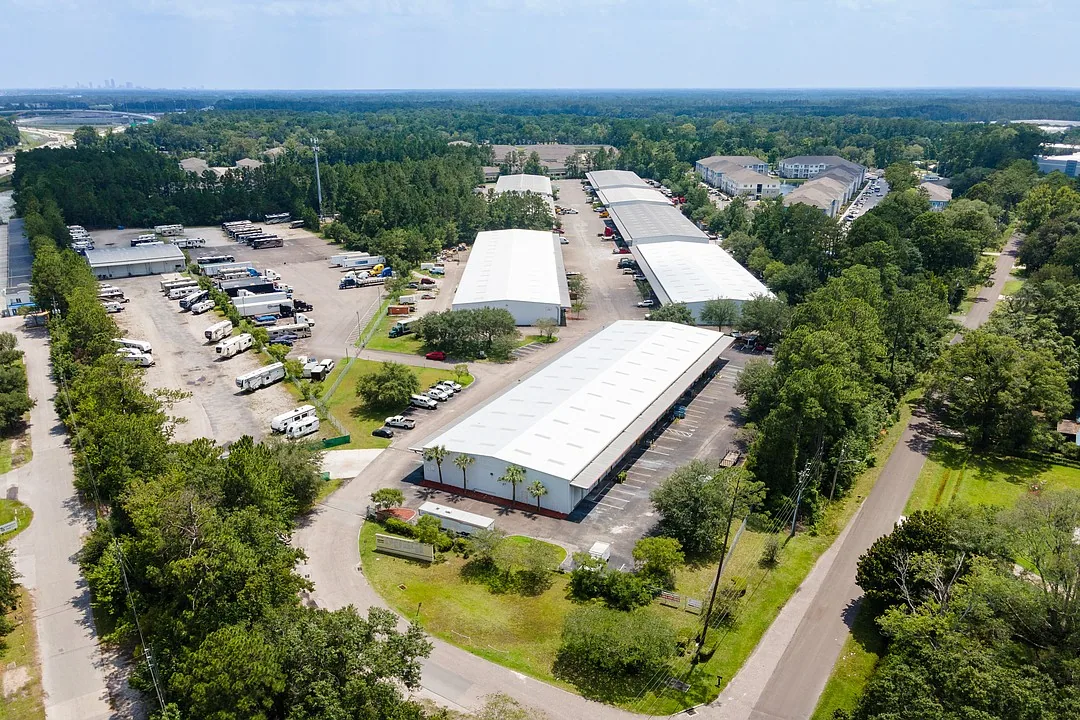
A localized puncture, open seam, or failed flashing may be repaired if surrounding material is dry and attached. We document the defect, compatible repair material, and boundary. If an approved test opening reveals wet insulation, we map the confirmed area and revise the removal scope. The owner sees why the repair expanded before additional work begins.
Recover requires a stable assembly, adequate perimeter height, compatible layers, and drainage that works. Replacement can be appropriate when moisture or deck damage is widespread. Coating may fit a compatible surface after preparation and detail repairs. It does not resolve hidden moisture or poor drainage. The recommendation follows the observed condition, not the redevelopment label or financing structure.
Estimate drivers include access, work hours, parcel staging, tenant protection, tear-off, disposal, insulation, deck work, equipment, and metal details. Different jurisdiction or approval contacts can affect schedule. We identify those dependencies in the proposal separate from measured roof quantities. The inspection scope defines locations reviewed. A replacement plan lists removal, transitions, and daily protection. capital planning can organize timing across owner-supplied properties.
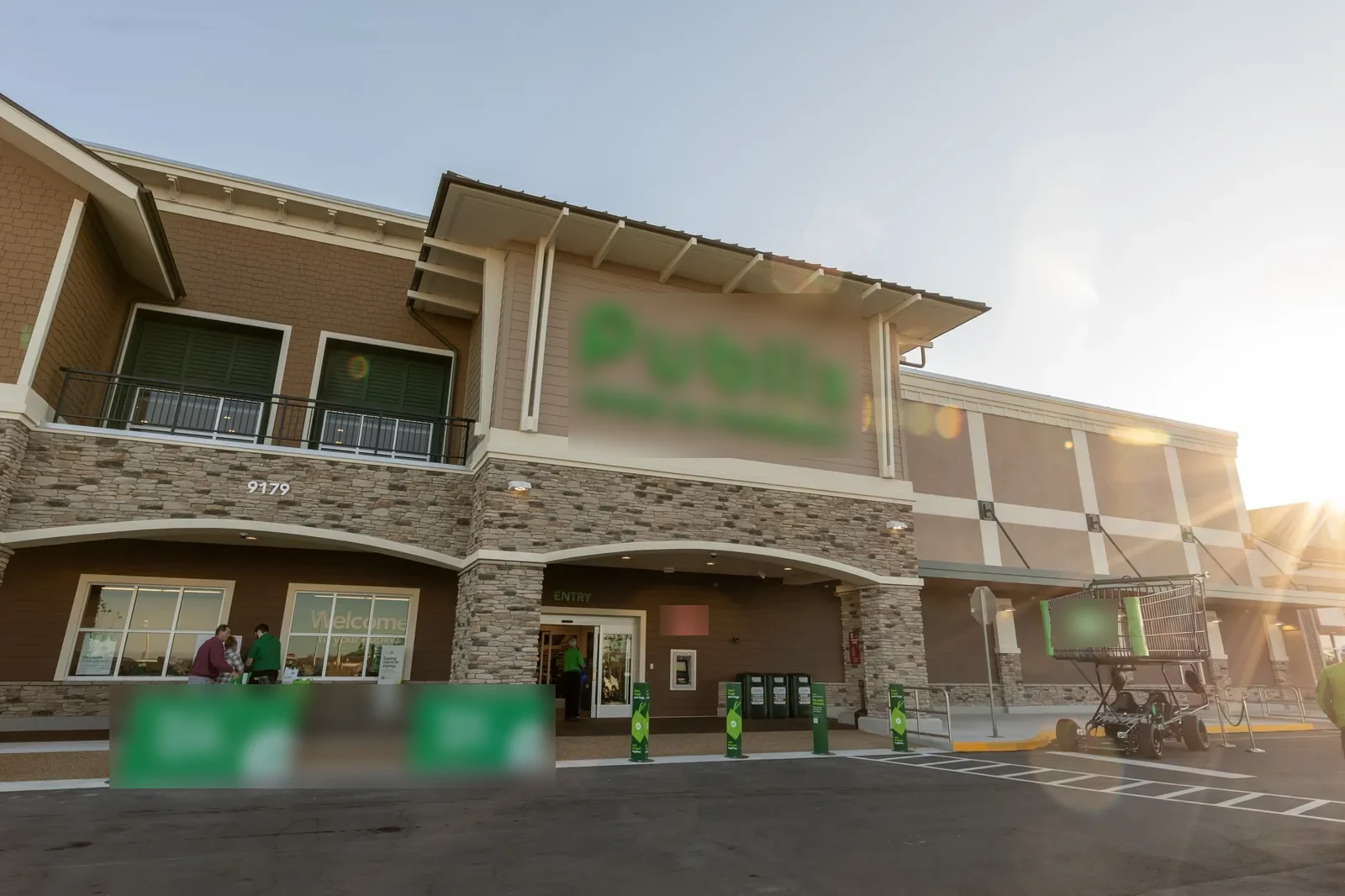
Each roof file should show the street, building, jurisdiction contact, date, roof zone, event report, field photographs, observed damage, repair limits, and access restrictions. When the property crosses a project boundary, we identify which address the work covers. A report should also name open tie-ins and the next trade responsible for them. This keeps repair history specific as ownership or construction teams change.
Nearby redevelopment settings include Downtown Melbourne CRA and Olde Eau Gallie Riverfront CRA. Their review rules differ from the West Melbourne district. The Melbourne Orlando International Airport also has separate facility access requirements. We confirm each property's own contact and scope before mobilizing.
A follow-up inspection can revisit repaired edges, drains, and penetrations after adjacent construction ends. The report compares dated photographs and lists remaining work. A condition report provides a handoff for capital review. A maintenance visit can track priority details across the owner's locations when addresses and access plans are supplied.
Learn more →
Learn more →
Learn more →
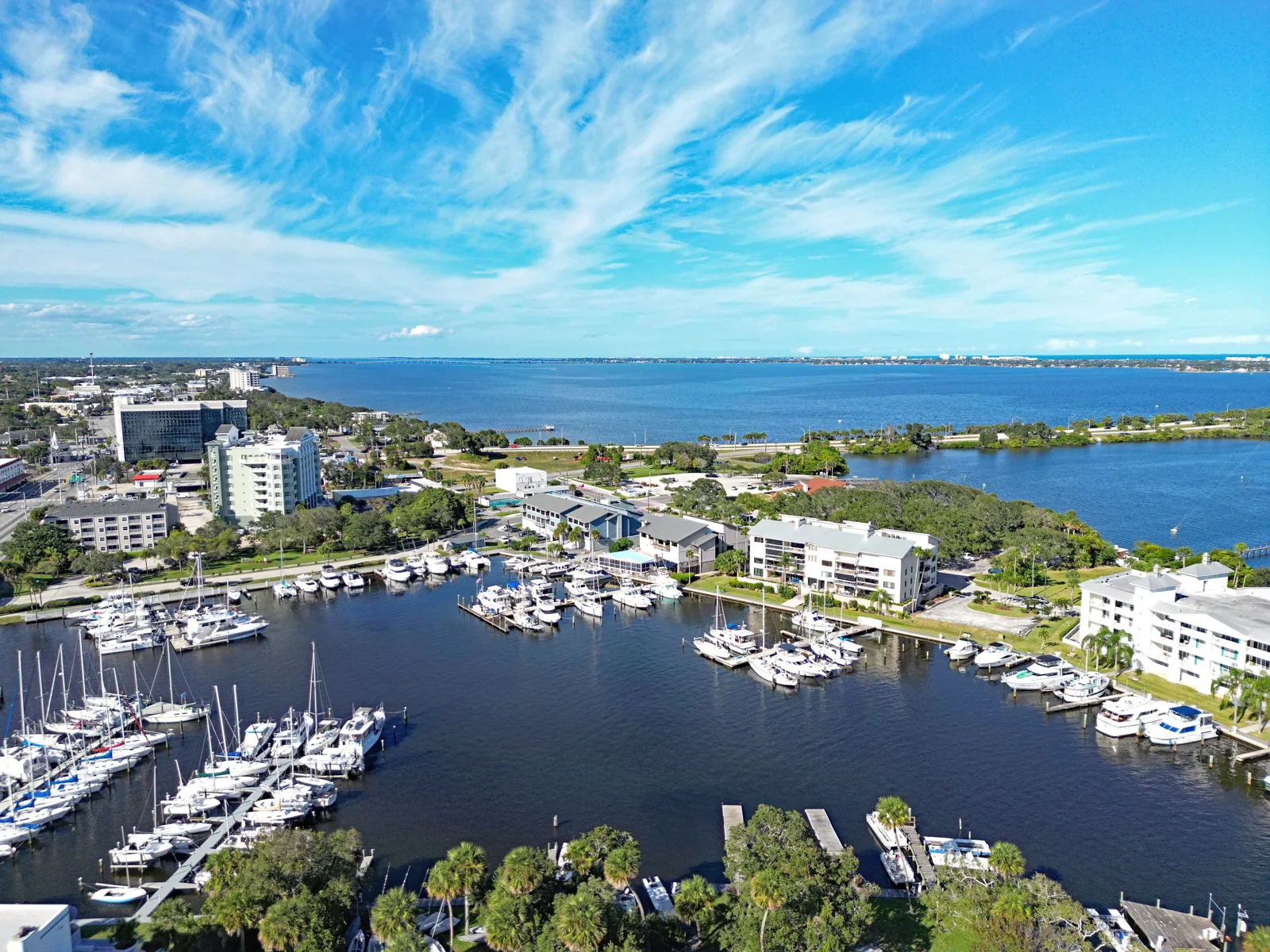
Learn more →
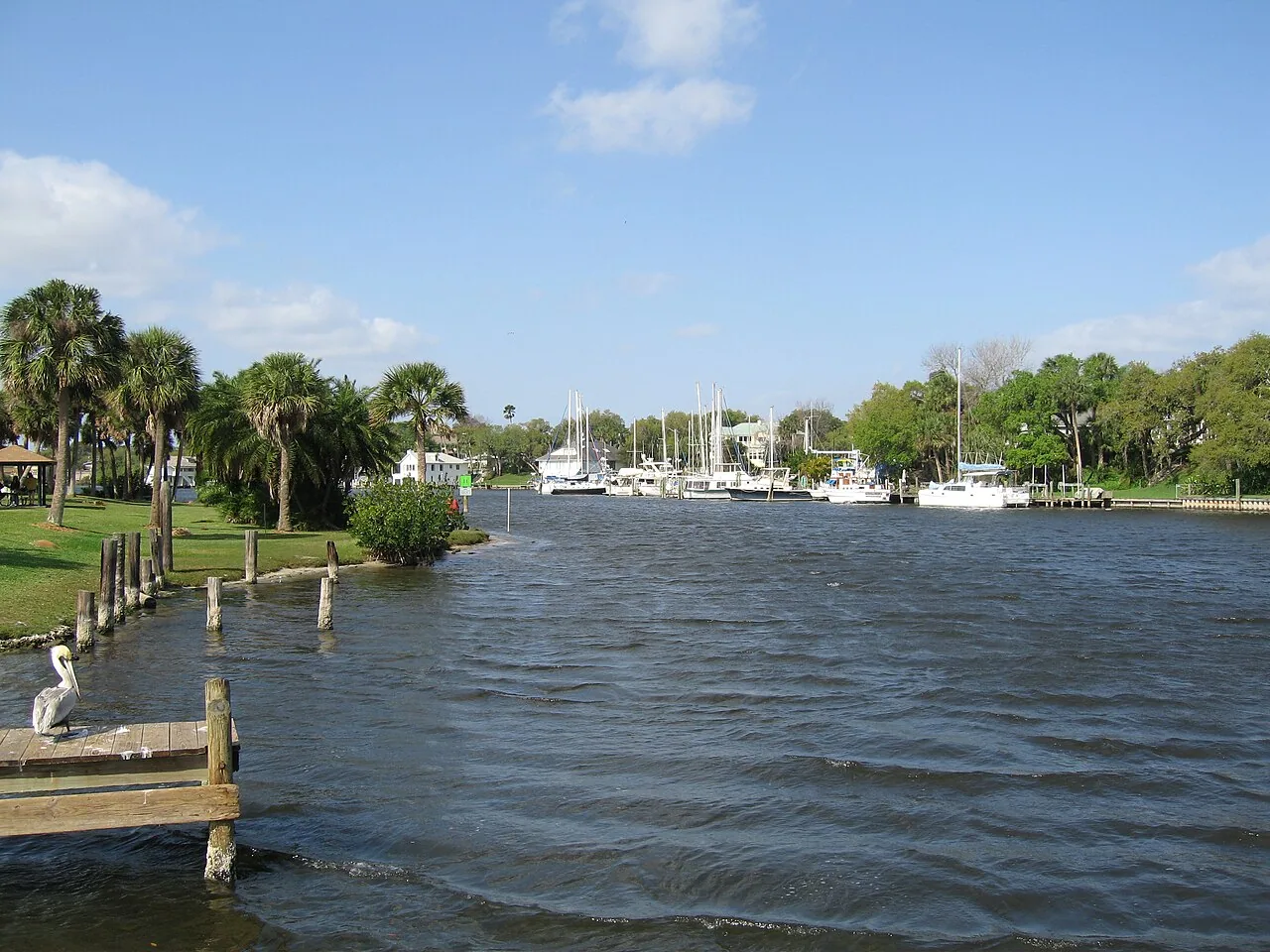
Learn more →
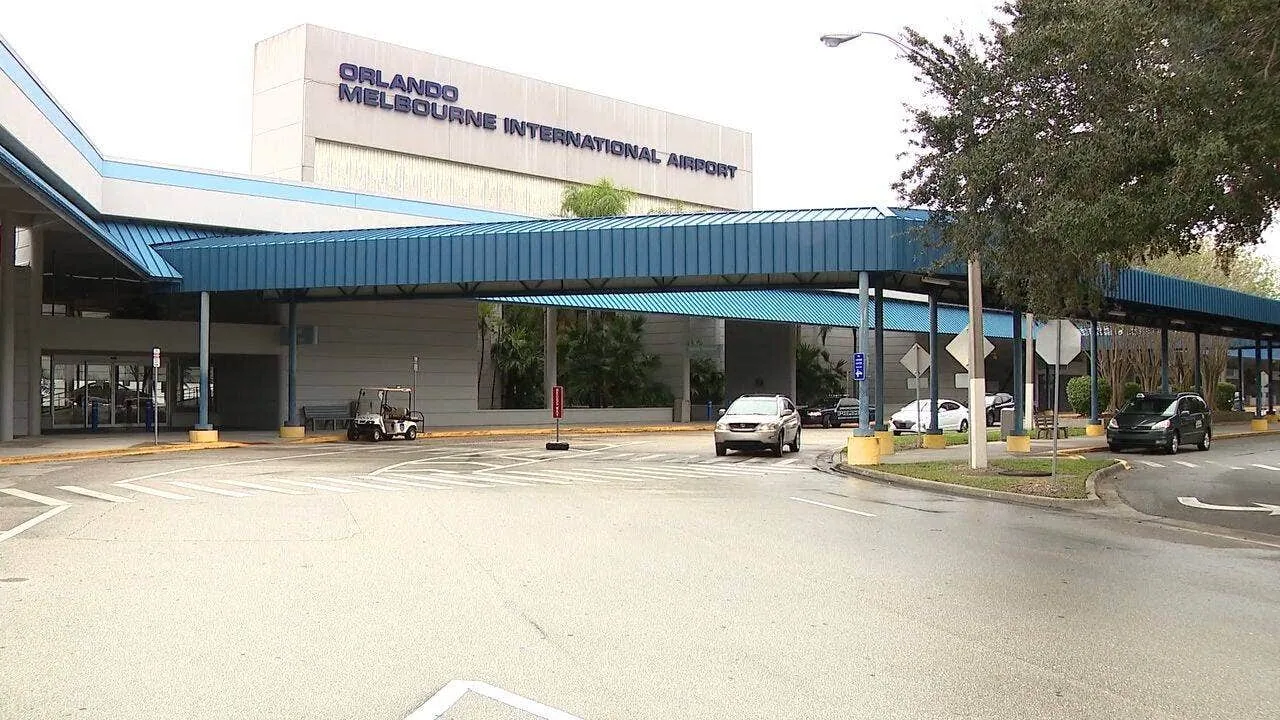
Learn more →

Learn more →
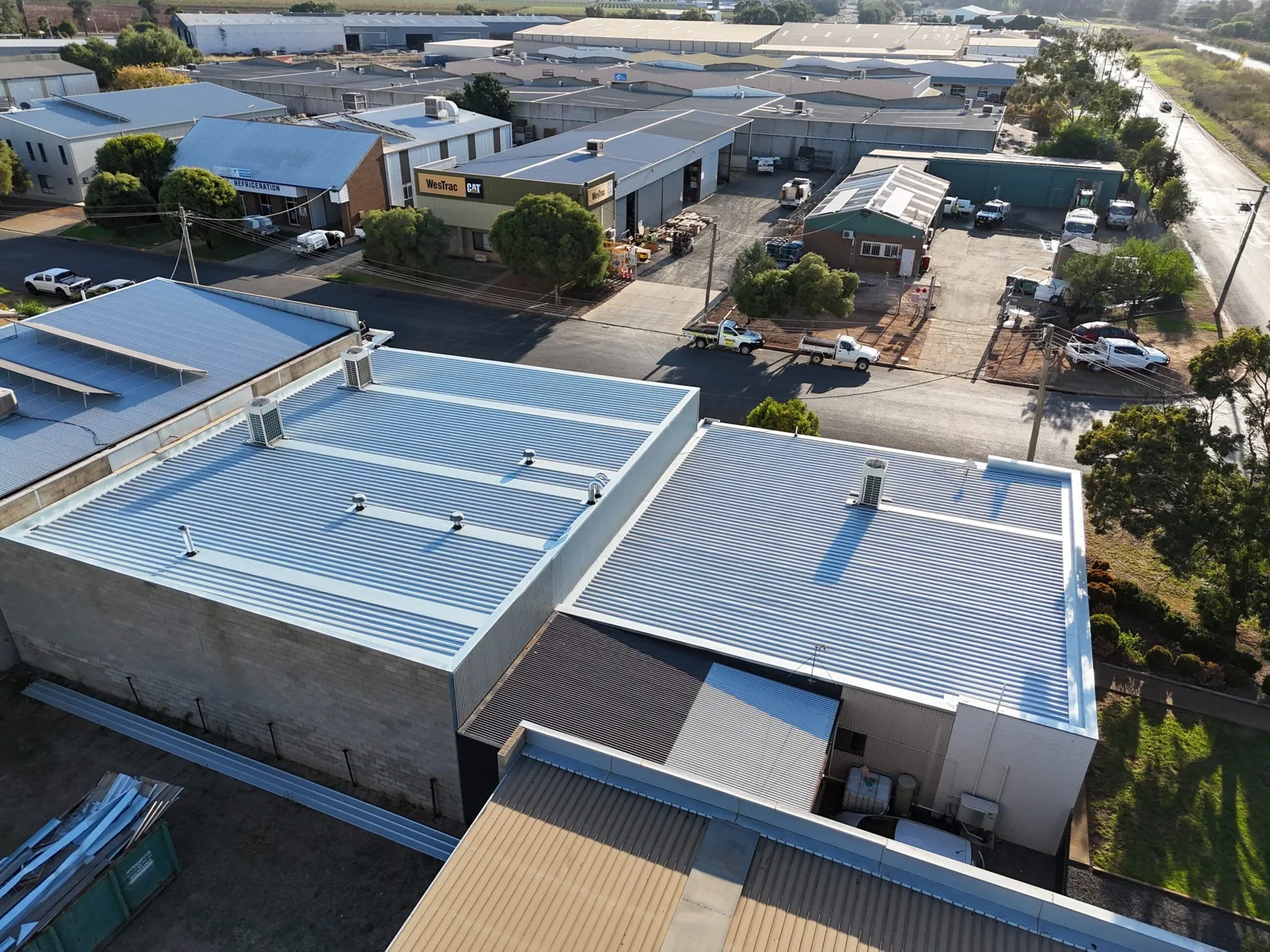
Learn more →