
Active local weather warning
The National Weather Service has issued a coastal flood warning covering Palm Bay. Heavy rain and drainage loading can expose roof leaks, blocked drains, and ponding water. This is a weather exposure advisory; it does not establish damage to a specific roof.
Do not access a roof during hazardous weather. Protect people first, avoid water near electrical equipment, and request roofing help when conditions permit.
National Weather Service · Updated Oct 28, 2026, 6:40 AM UTC
The Florida Avenue and U.S. 1 junction carries an average daily traffic count of 43,000 vehicles. A monument sign there promotes local businesses. That fact helps identify the corridor and plan a safe material route; it does not describe any roof or property condition. We confirm the commercial address, building contact, event date, and roof access before inspection. The report ties each finding to a specific roof zone.
Florida Avenue is one of four Rockledge redevelopment subdistricts, each associated with a major road and retail centers. Each property still needs its own address, roof record, and access plan. We confirm whether the request concerns an occupied property, active construction, or a planned project. The inspection records visible membrane, edges, penetrations, and drainage. A review question about the district stays separate from observed damage.
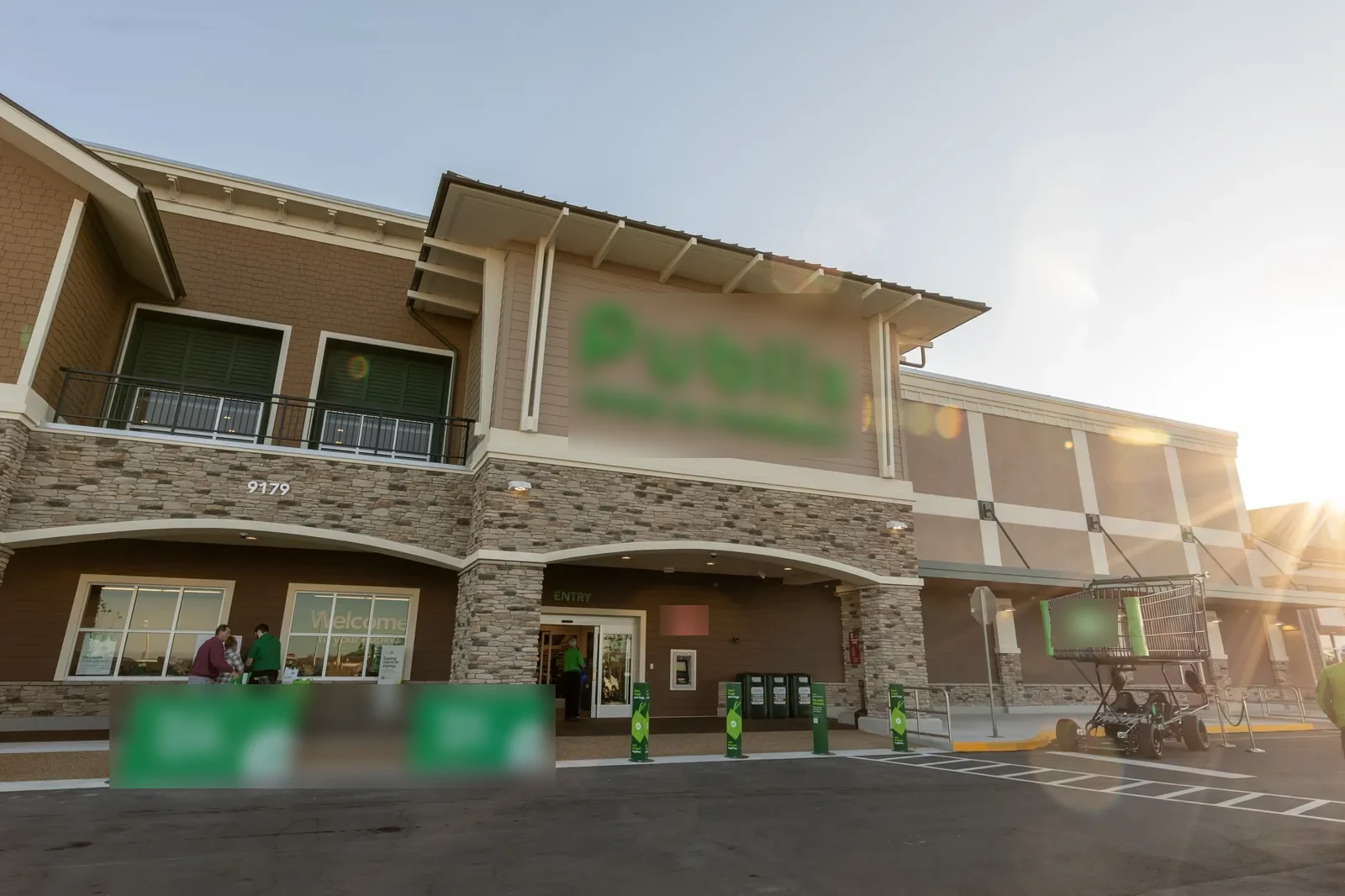
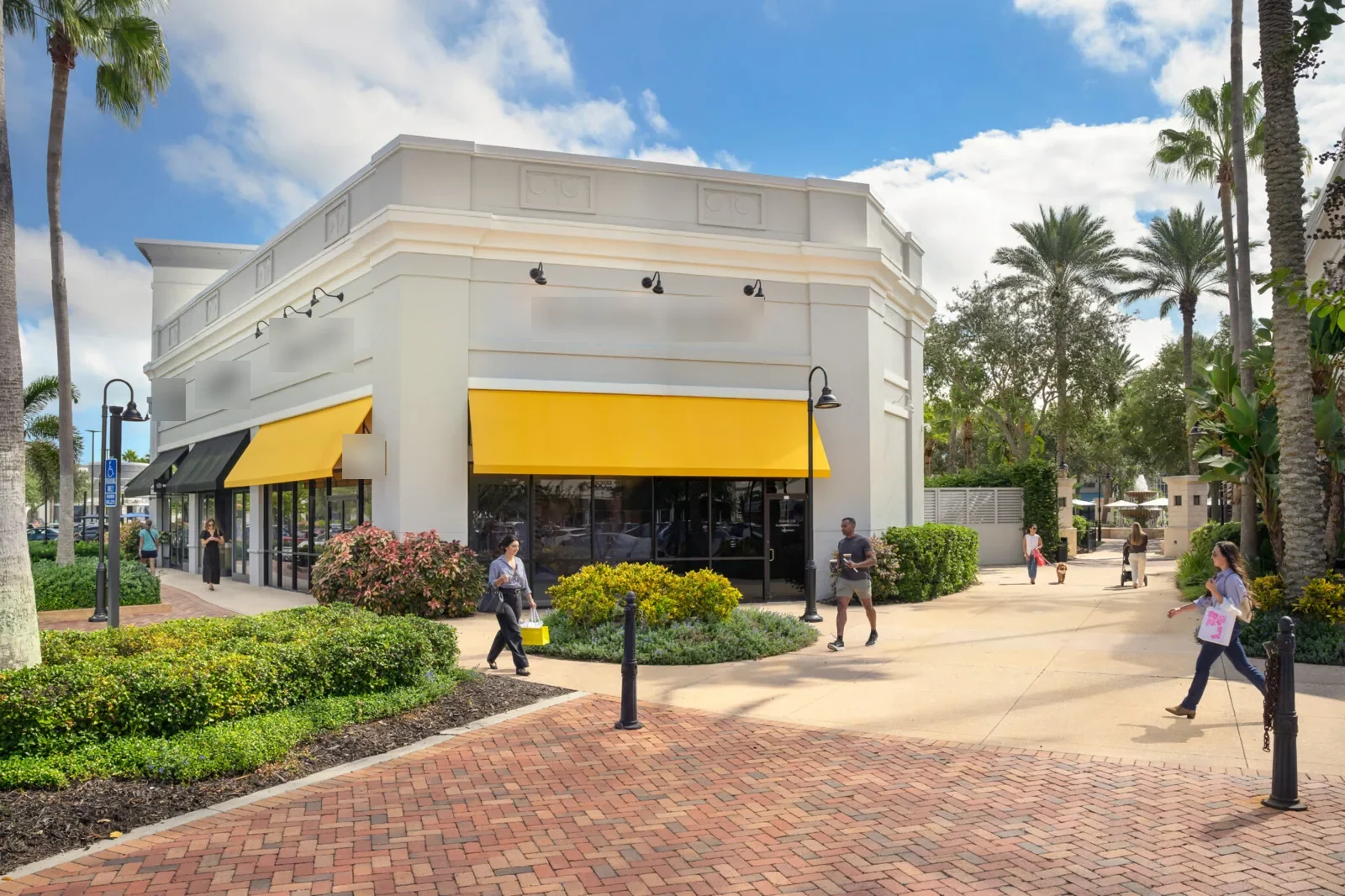
A work plan starts with the address and access route. The property contact confirms where crews may stage, how ladders can be placed, and whether deliveries need a specific time. The recorded traffic count signals that road-side movement needs attention. It does not identify a traffic peak. We follow the owner's approved route and record any restriction that changes the visit. If a lift or delivery would use the road edge, the project contact confirms staging permission and the setup window. The traffic count does not specify either item.
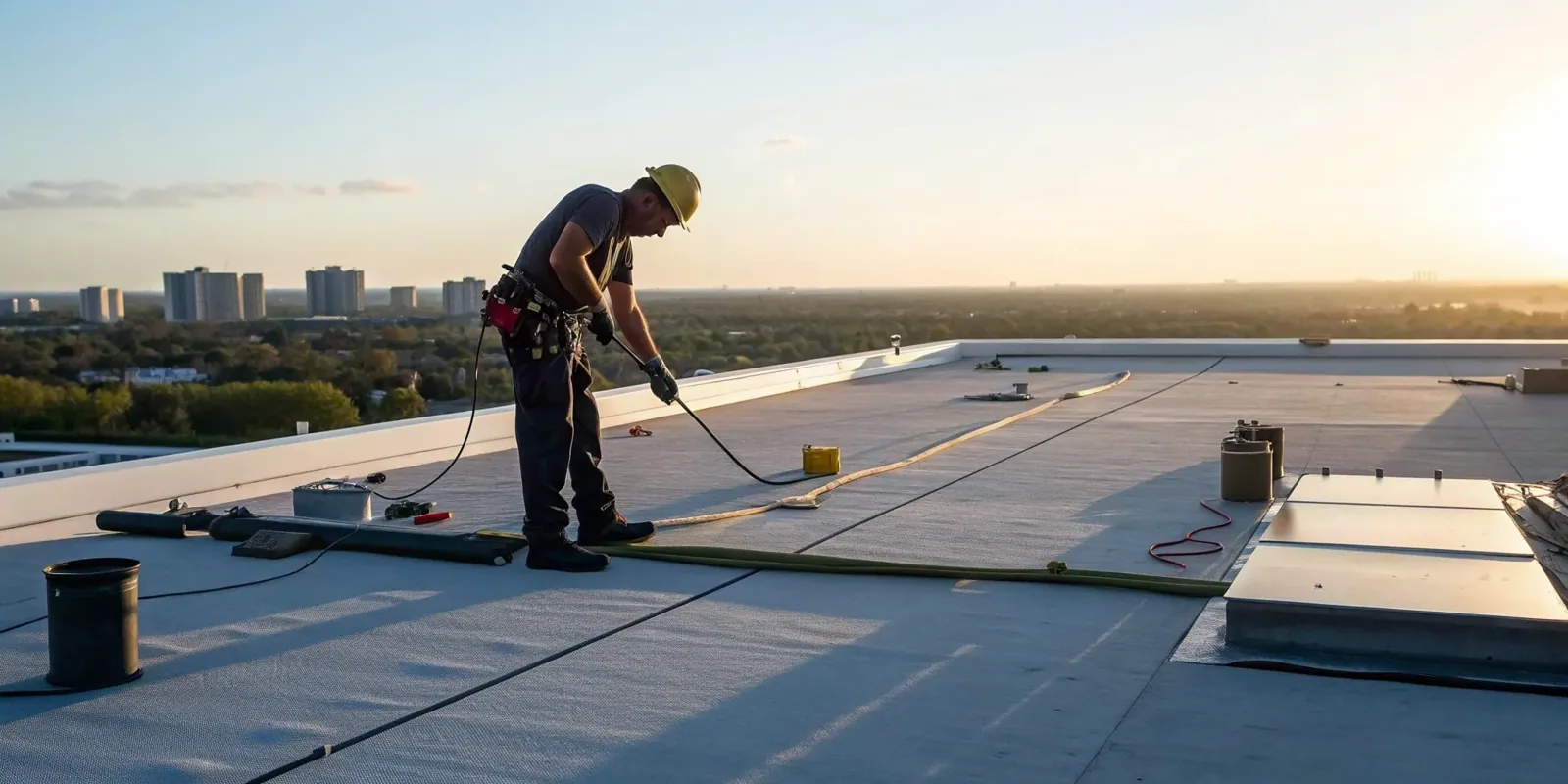
For a property with occupied commercial space, we coordinate hours, noise, debris, and protection below the work. An active leak requires the event date and interior area before the roof walk. We mark the zone above and nearby transitions that may carry water. If one section is unavailable, the inspection report lists the limit and a return requirement. The adjacent retail center does not inherit the finding.
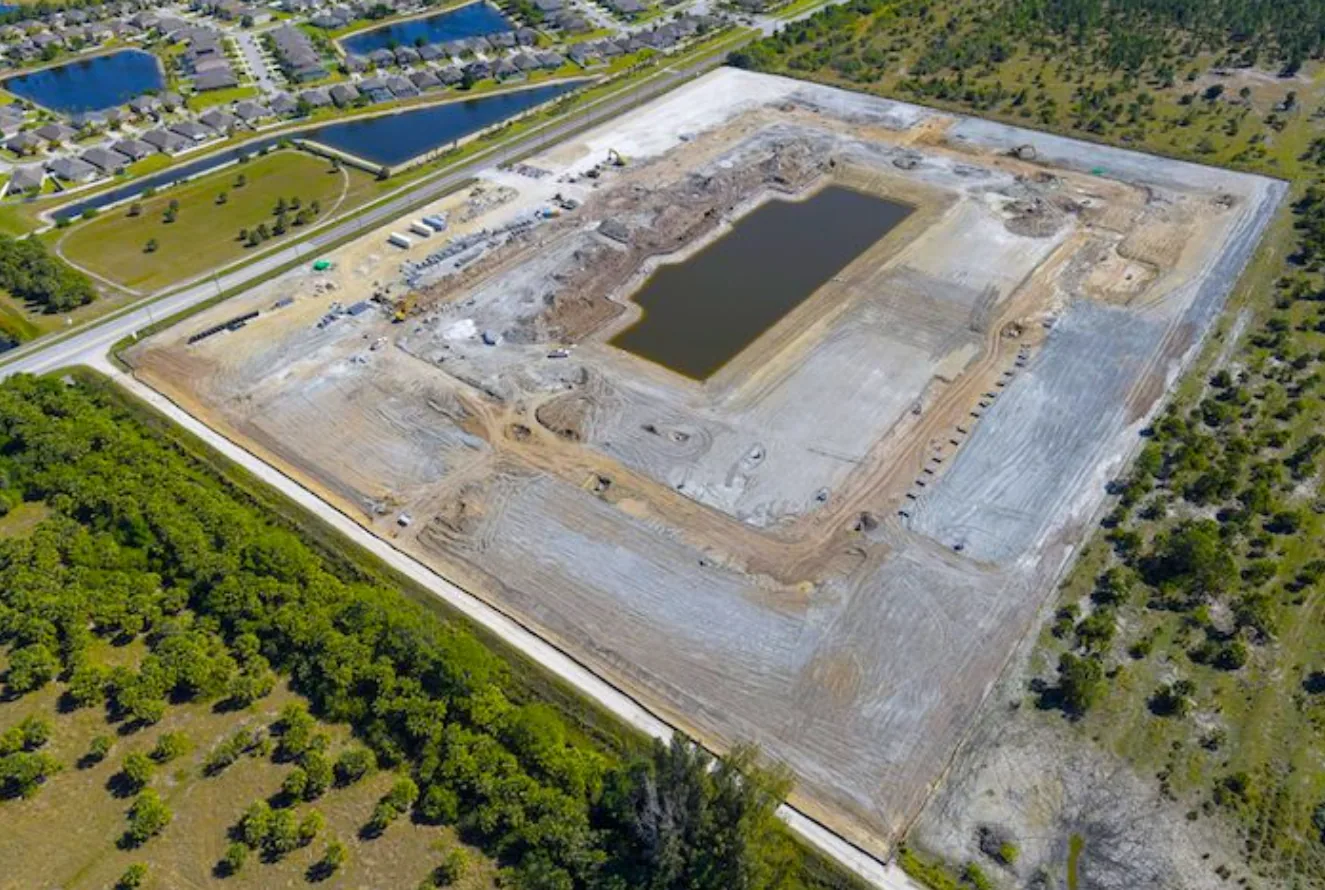
When construction is underway, edge metal, curbs, and new penetrations need defined trade ownership. We compare field details with the current drawing set and photograph visible conditions. A temporary tie-in is labeled as temporary and receives a return plan. If the installed work differs from the plans, we identify the discrepancy before the next layer covers it.
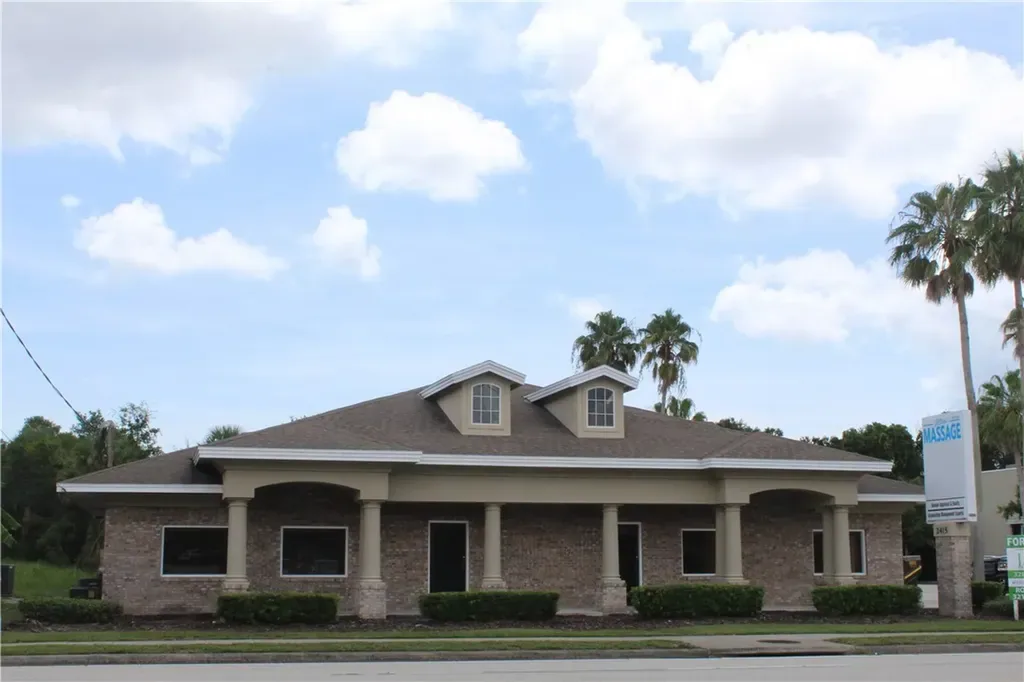
For a Florida Avenue property, start with the event date and the condition observed at the building. We check drains, strainers, scuppers, overflow openings, and low areas, then record whether water remained at the visit and which detail needs another look. We record whether water remained at the visit, whether the outlet was blocked, and which detail requires another look.
A ceiling mark can appear away from the point where water entered. We follow seams, wall transitions, penetrations, curbs, and perimeter edges from the reported room. Each photo includes a roof zone or detail description. If the visible surface does not explain the report, an approved test opening may identify wet insulation or deck condition. The location and resulting repair boundary go in the record.
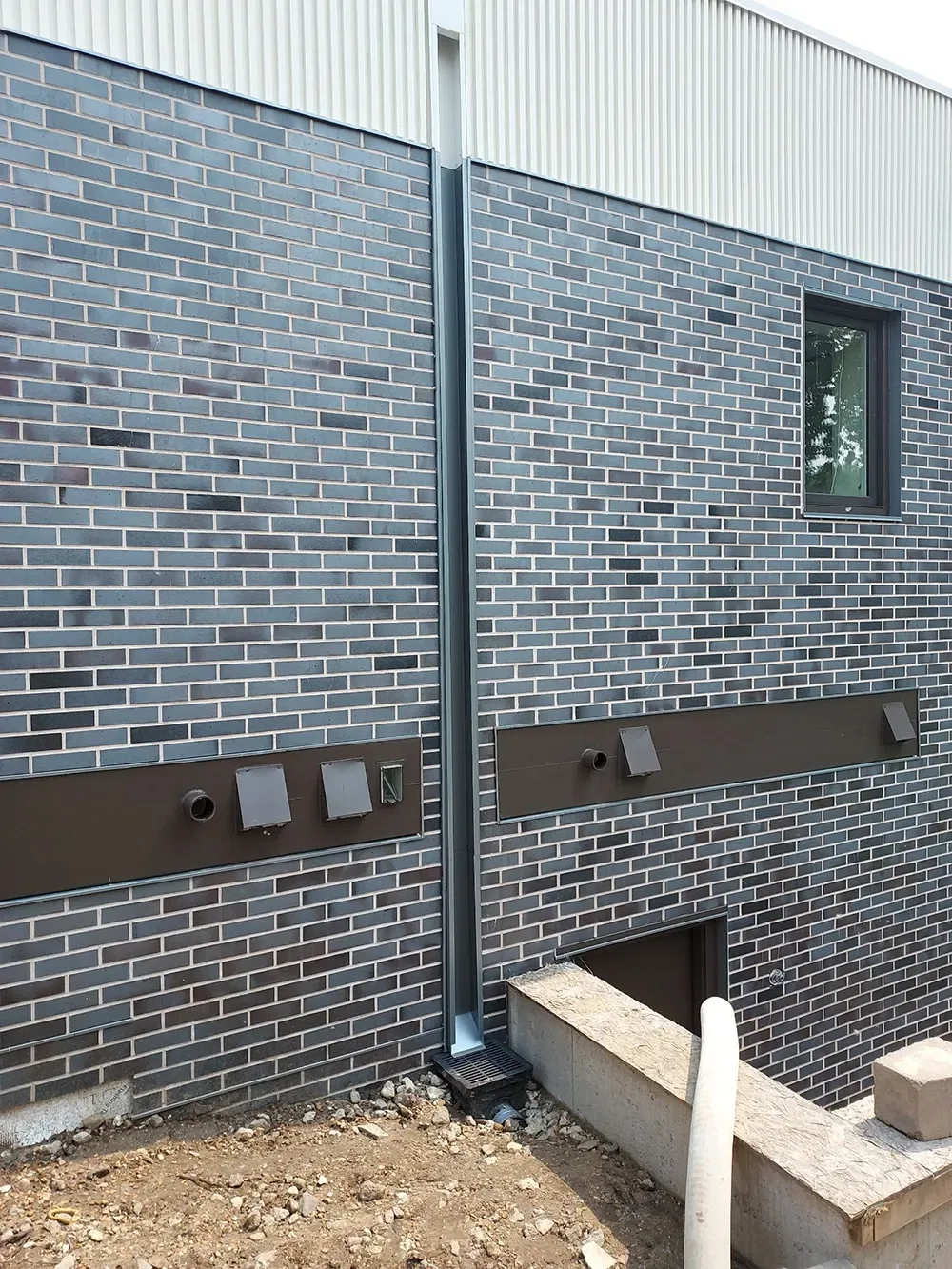
Visible roof details can also affect the exterior appearance of a building. Before work changes a screen, coping, edge, or drainage component, the project contact confirms any applicable review. We document the requested work and preserve the existing appearance in before photographs. That supports an accurate proposal and lets the owner handle local approvals before permanent installation.

A single puncture, open seam, or loose flashing may be corrected locally if material around it is sound. We identify the installed system and choose a compatible repair. The job note describes preparation, material, and patch limits. If moisture spreads beyond the visible mark, an approved opening can establish how far removal should extend.
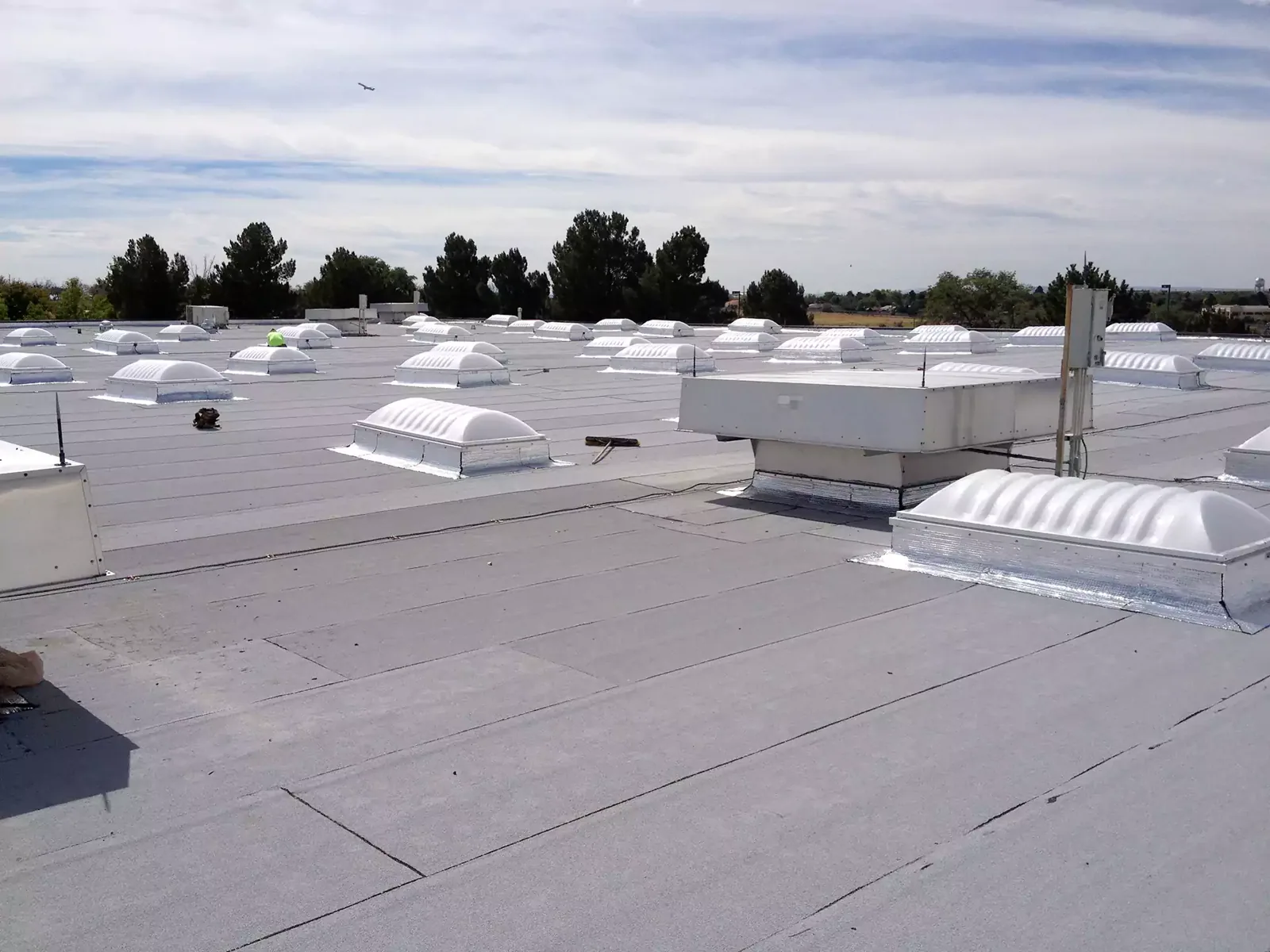
Recover needs dry, stable layers and adequate height at drains and edges. Replacement is more appropriate if wet insulation or deck deterioration spans multiple areas. Coating suits only a compatible assembly with a prepared surface and working drainage. It will not correct a slope problem or hidden wet material. The selected option follows roof evidence and the property's schedule.
Cost includes access, traffic-side staging, work hours, tenant protection, tear-off, disposal, insulation, deck repairs, flashing, and edge metal. We identify dimensions from drawings or field measurements. The average daily vehicle count does not set material quantities. An inspection service can establish the current condition. replacement work sets the removal boundary. perimeter detailing can address visible edges and transitions.
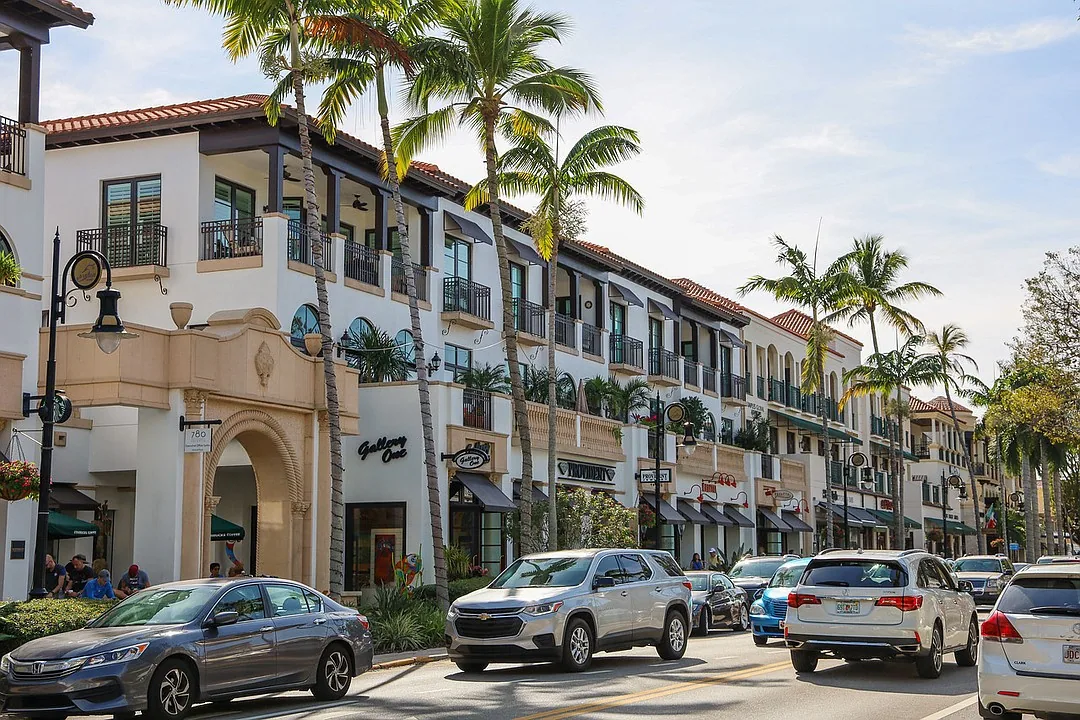
The closeout includes the street address, date, roof zone, event report, field photographs, observed damage, repair material, boundary, and access limits. If a road-side staging restriction changed the sequence, we note it. The owner can retain this record with the business district project documents. A future crew then has a location and detail to revisit.
Rockledge describes the Florida Avenue/U.S. 1 intersection as a business sign location and one of four redevelopment subdistricts. The broader Rockledge redevelopment district includes other corridors and commercial centers. Downtown Melbourne CRA and the Palm Bay Road Retail Corridor are separate locations with their own scope and approval context.
Follow-up can recheck the repaired detail, drains, seams, and areas exposed by later work. The report compares the new condition with the original field photographs. A condition report can identify open items and priority. A maintenance visit can revisit the roof on a planned interval. If exterior approval remains pending, the file names the detail and next contact.
Learn more →
Learn more →
Learn more →
Learn more →
Learn more →
Learn more →
Learn more →
Learn more →