
A claim file can contain a storm report, an interior leak, and a roof estimate without showing how they connect. We document the roof condition and the work proposed. We do not decide coverage. The record starts with the reported event date, building, affected roof zone, active water status, and access limits. Palm Bay has records of several tropical cyclones and a 2005 F-1 tornado. These event histories do not establish damage at a particular insured property. A field inspection supplies building-specific observations.
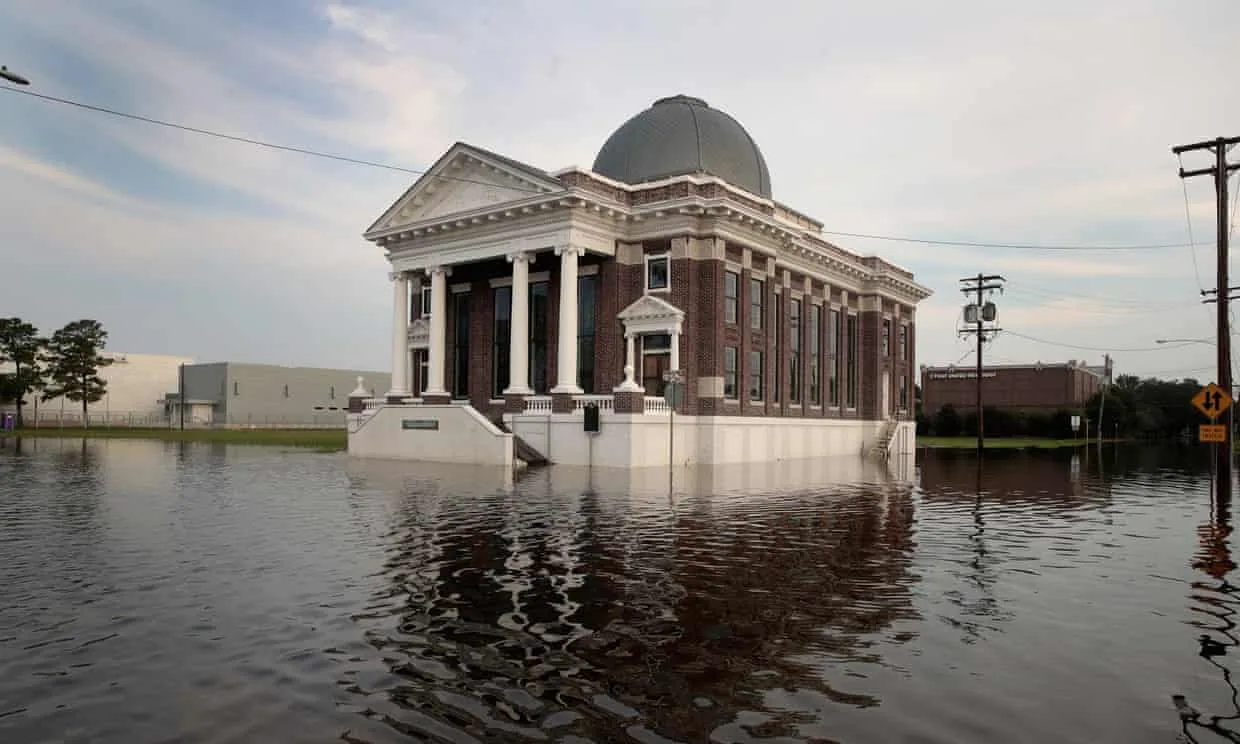
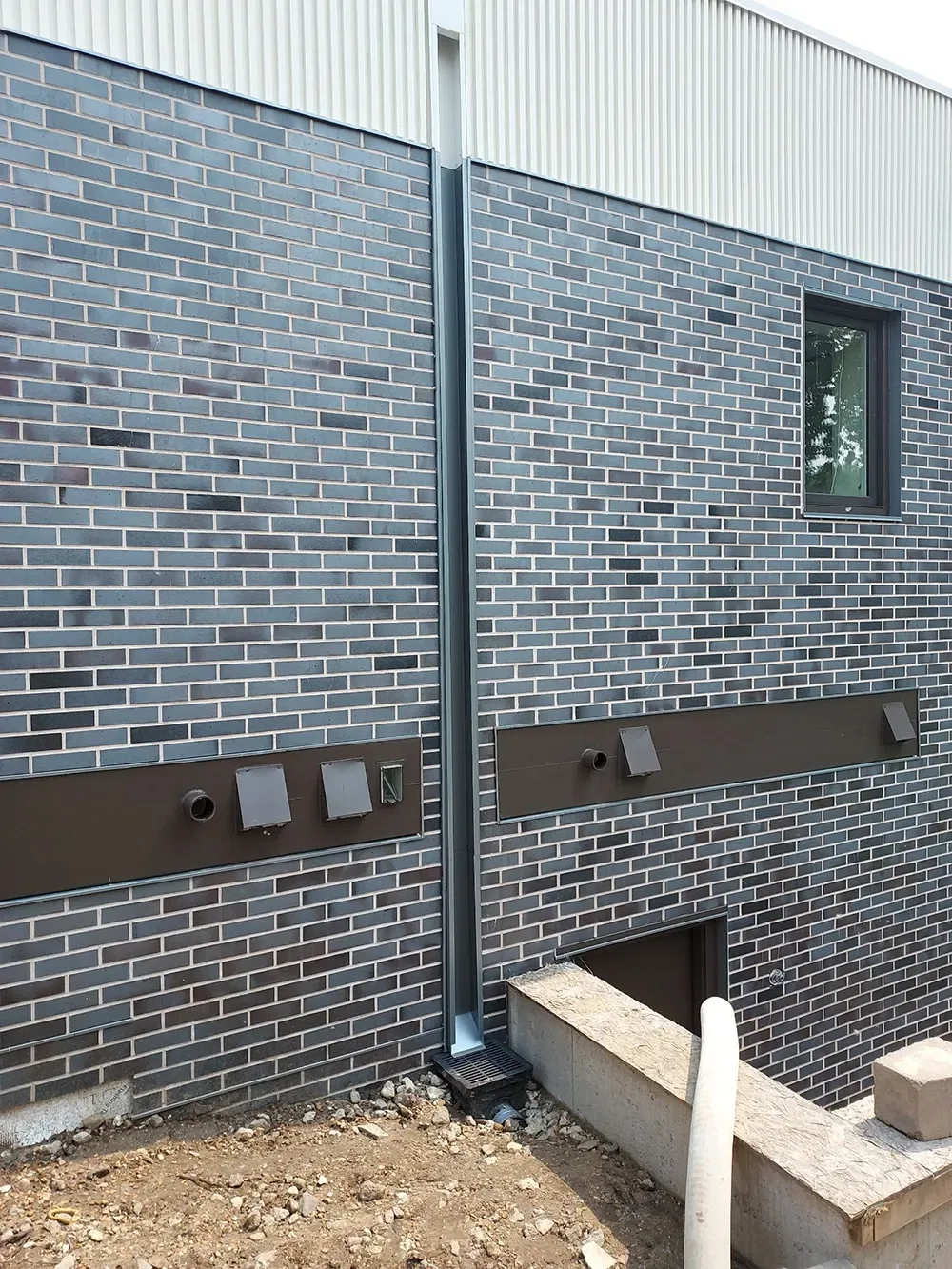
We ask for the property address, owner or authorized contact, claim or inspection reference if available, event date, reported interior location, and current leak status. Existing repair invoices, roof plans, prior photographs, and maintenance records help establish context. We record when each item was provided and keep owner-supplied documents labeled as reported until field evidence confirms their contents.
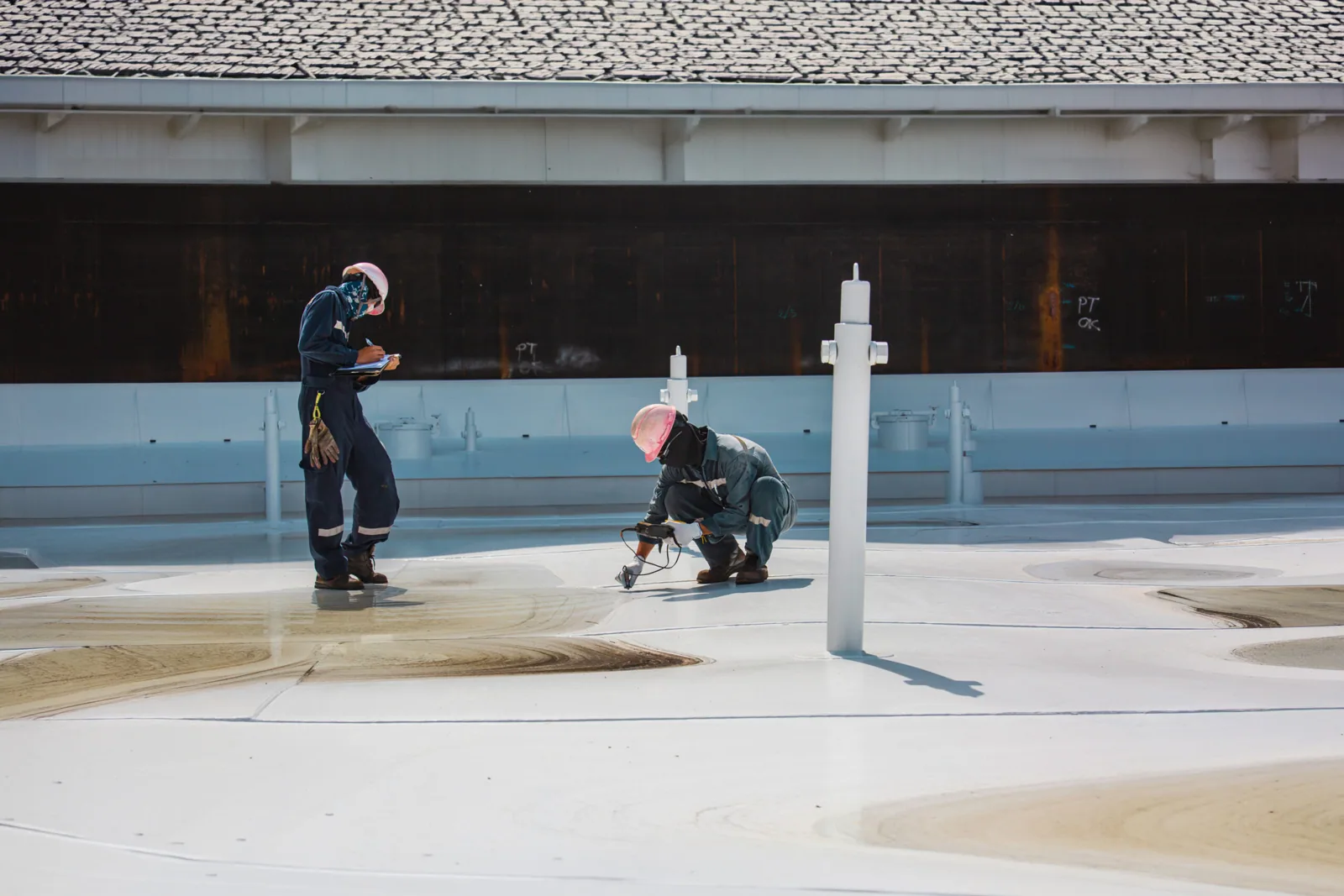
The first site visit identifies roof sections, assembly where known, visible damage, and inaccessible areas. Photographs should show both a close view and enough surrounding detail to locate the condition. We label each image with building and roof zone. A commercial roof inspection can establish the present condition. A written condition report can organize findings by location and date.
Regional weather evidence needs the same care. One nearby rainfall gauge exceeded 13 inches during Hurricane Irma. That point measurement helps locate the event in time and place; it does not show wind at the subject building or prove a specific opening. We label the event date as owner-reported or drawn from a supplied event record, keeping its basis clear.
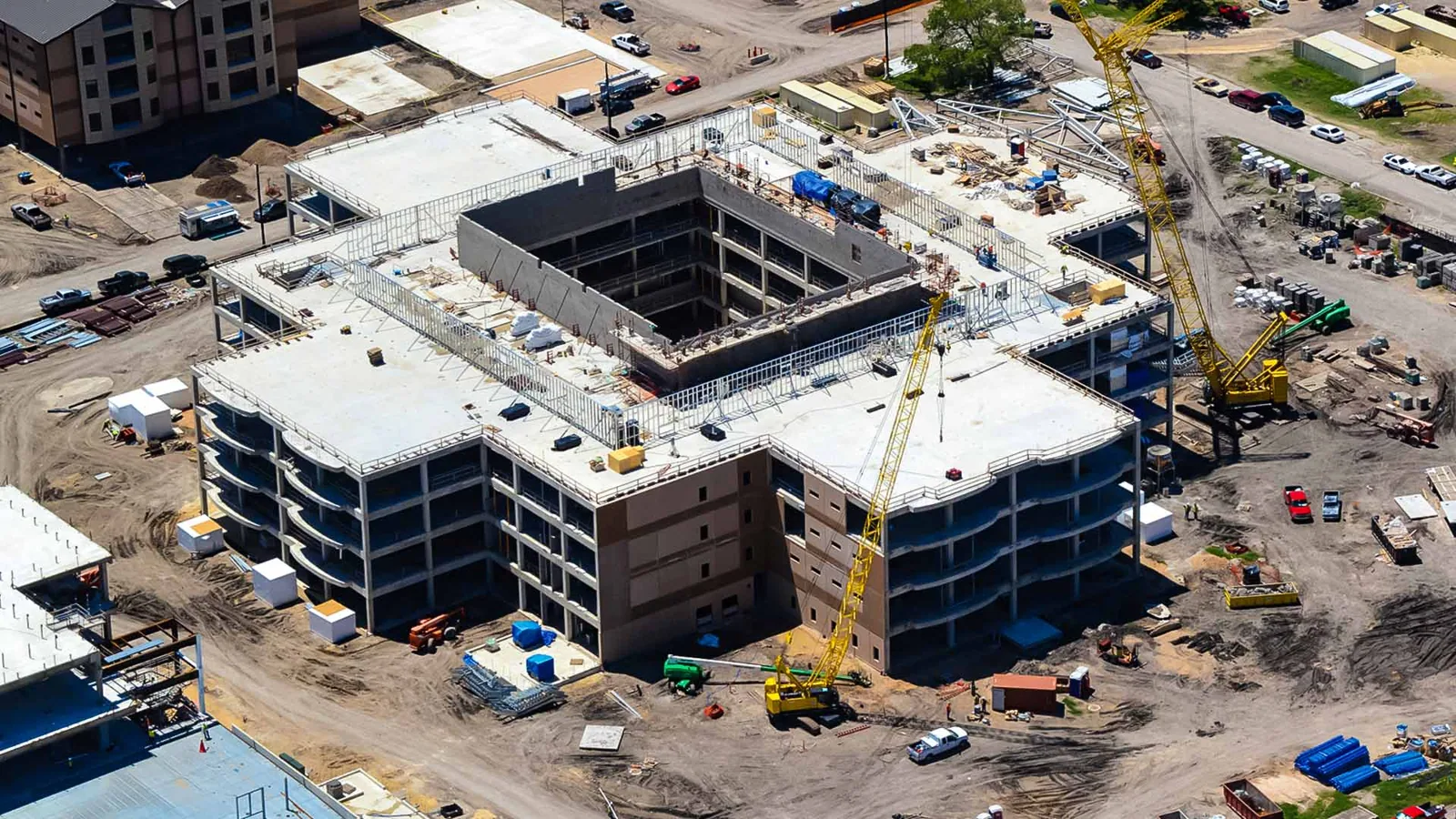
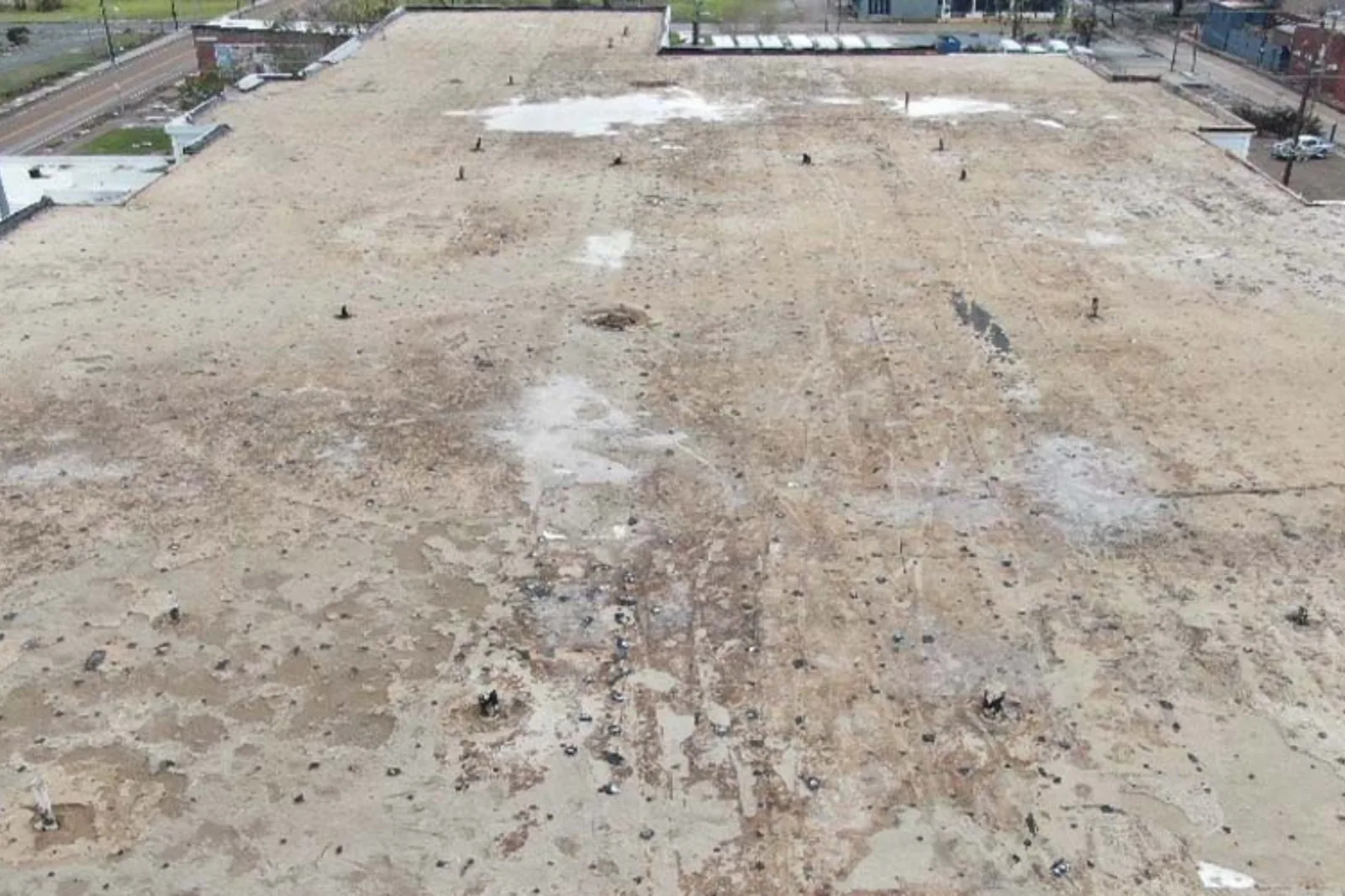
Inspection notes describe physical evidence. They may include a displaced edge, puncture, seam separation, damaged flashing, blocked drainage, wet insulation observed through a test opening, or no visible damage in the accessible area. Each condition gets a roof zone, photograph, and next action. If the inspector cannot safely reach a section, that limitation remains explicit.
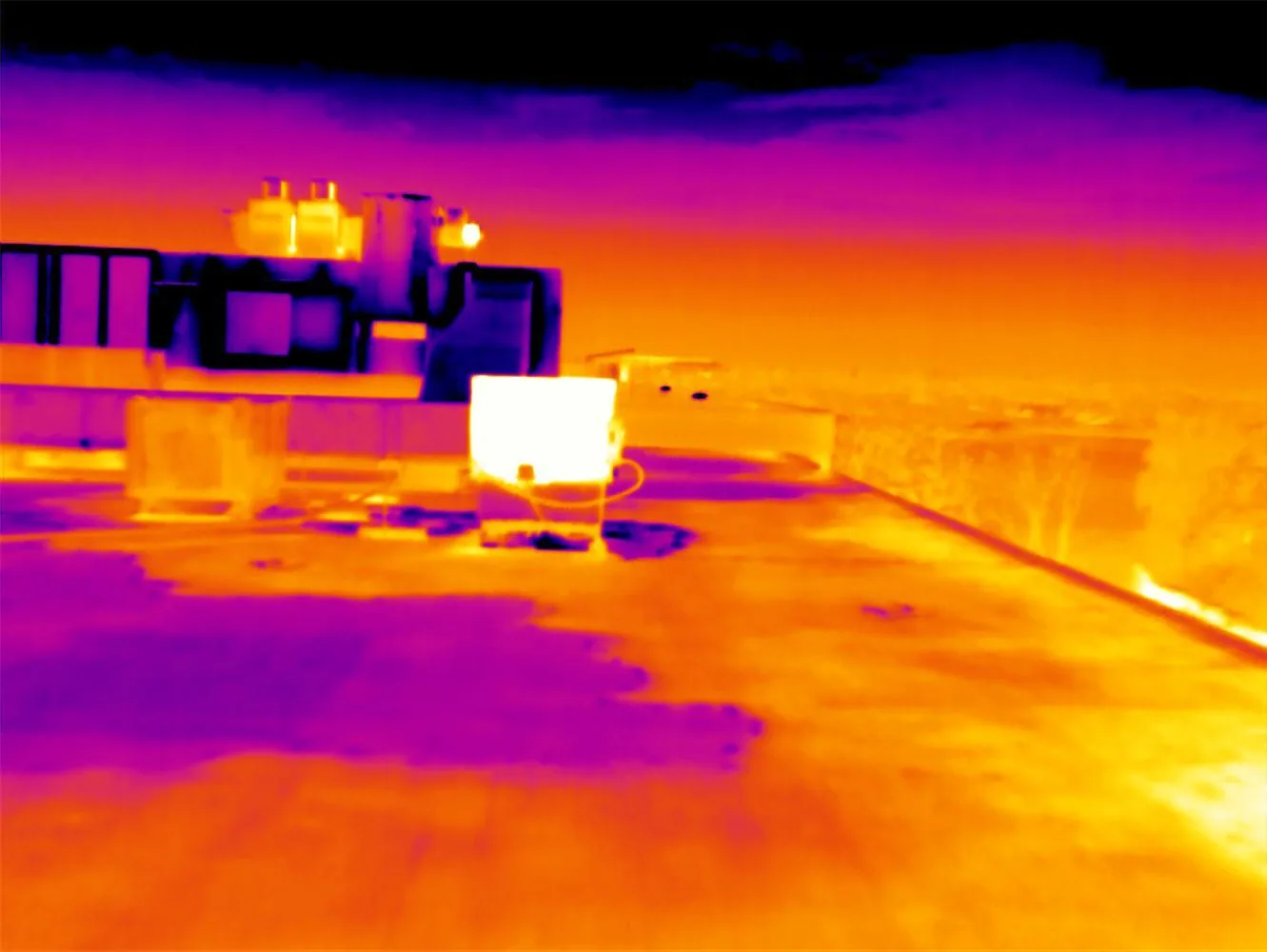
Water at an interior ceiling is not automatically mapped to the roof area above it. We follow the apparent path where accessible and note when concealed layers limit confirmation. A test opening can expose material conditions at one location; it does not prove the entire roof is the same. A moisture survey may identify areas for further investigation, with its limits stated in the report.
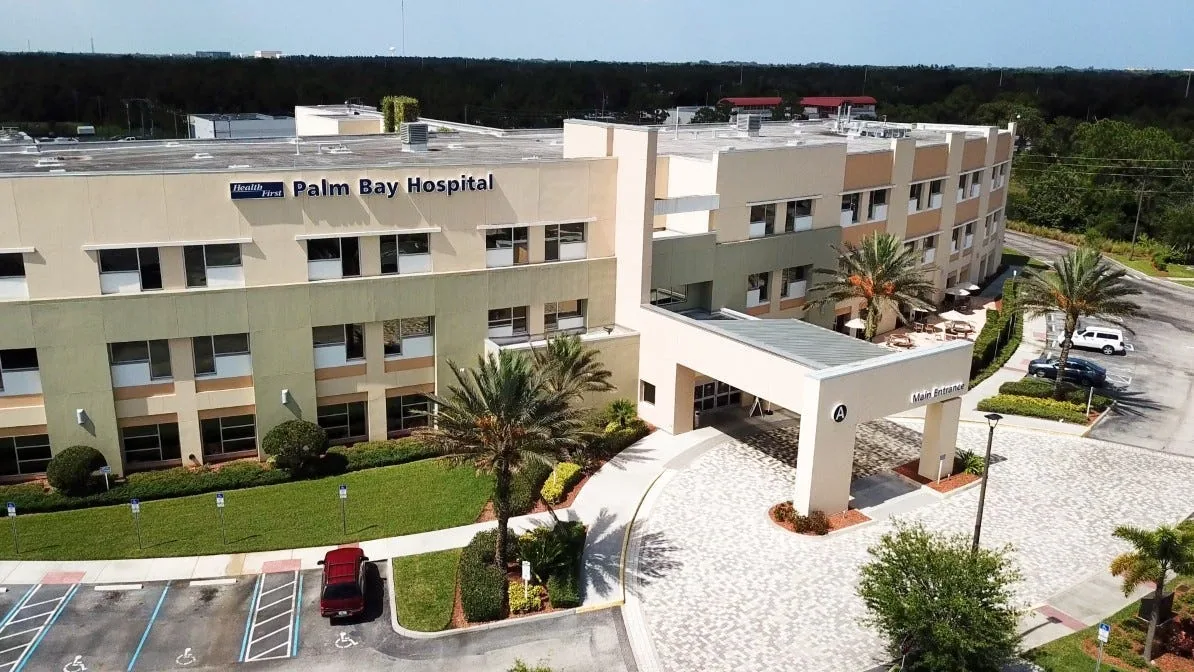
At the Palm Bay Hospital campus, emergency, inpatient, surgical, and imaging functions make access and operations important. A roof inspection there requires coordination with the designated facility contact. The same principle applies at medical suites, industrial properties, and retail centers. A site address alone does not grant roof or interior access. We record who provided access and which areas were examined.
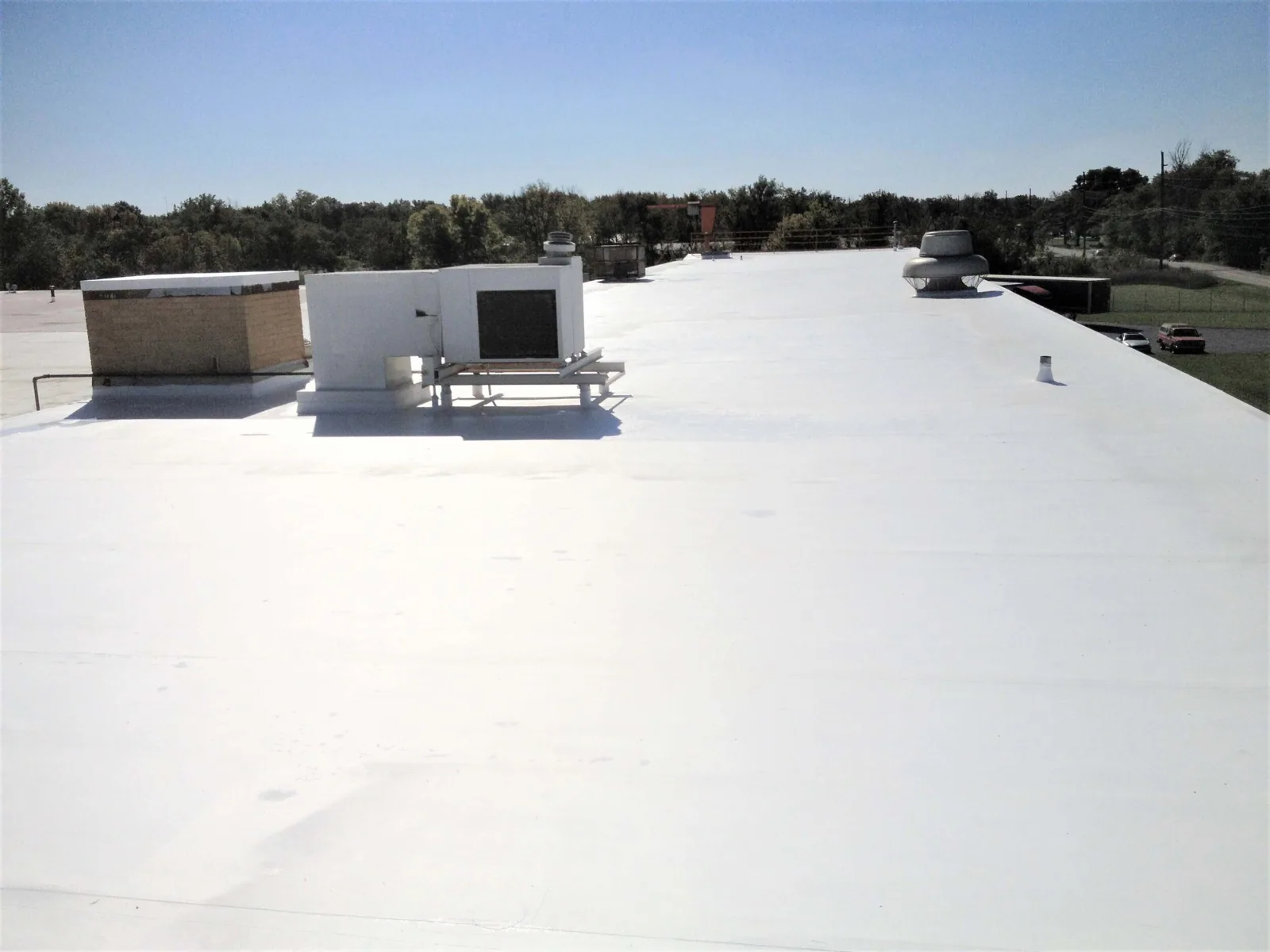
The estimate identifies the observed condition, proposed repair, material, quantity basis, work sequence, and boundary. Concealed conditions that could change the work are listed for review after exposure. A temporary tarp, seal, or other protective measure is described separately from permanent repair. Dates and photographs show what was done at each step.
Repair method depends on the assembly. A membrane patch, flashing replacement, metal panel correction, or drain repair calls for different preparation and material. We identify the system when it can be confirmed. If it cannot, the estimate states the uncertainty. A storm-damage repair scope documents the physical work. Where damage appears broader, a replacement evaluation may be needed to compare the repair boundary with overall roof condition.
Any change order should link the added work to a documented finding. We photograph the newly exposed condition, identify the roof zone, and explain how it changes quantity or method. Work outside the original boundary should be approved by the authorized customer contact before it proceeds, except for temporary action needed to protect the building from active water.
We can provide inspection notes, photographs, repair descriptions, and a proposal for the work we recommend. The owner can share those records with an adjuster or other claim representative. Questions about policy language, deductibles, coverage, depreciation, or settlement belong with the insurer and the policyholder's qualified advisors. A contractor's field opinion is not a coverage decision.
When a joint inspection is scheduled, confirm attendees, roof access, safety rules, and which areas require escort. The event date and roof zones should be agreed as reported facts, not assumed conclusions. We can point to the photographed condition and explain how a proposed repair addresses it. If another party's inspection finds different evidence, the file should retain both records and note what still needs resolution.
For owners with several properties, maintain separate files for each address and event. The industrial spaces in Port Malabar Industrial Park and retail along Babcock Street can have different owners, roofs, and dates of loss. A multi-property record program can keep inspection and repair documents assigned correctly. A dated roof report provides a current observation set separate from older claim paperwork.
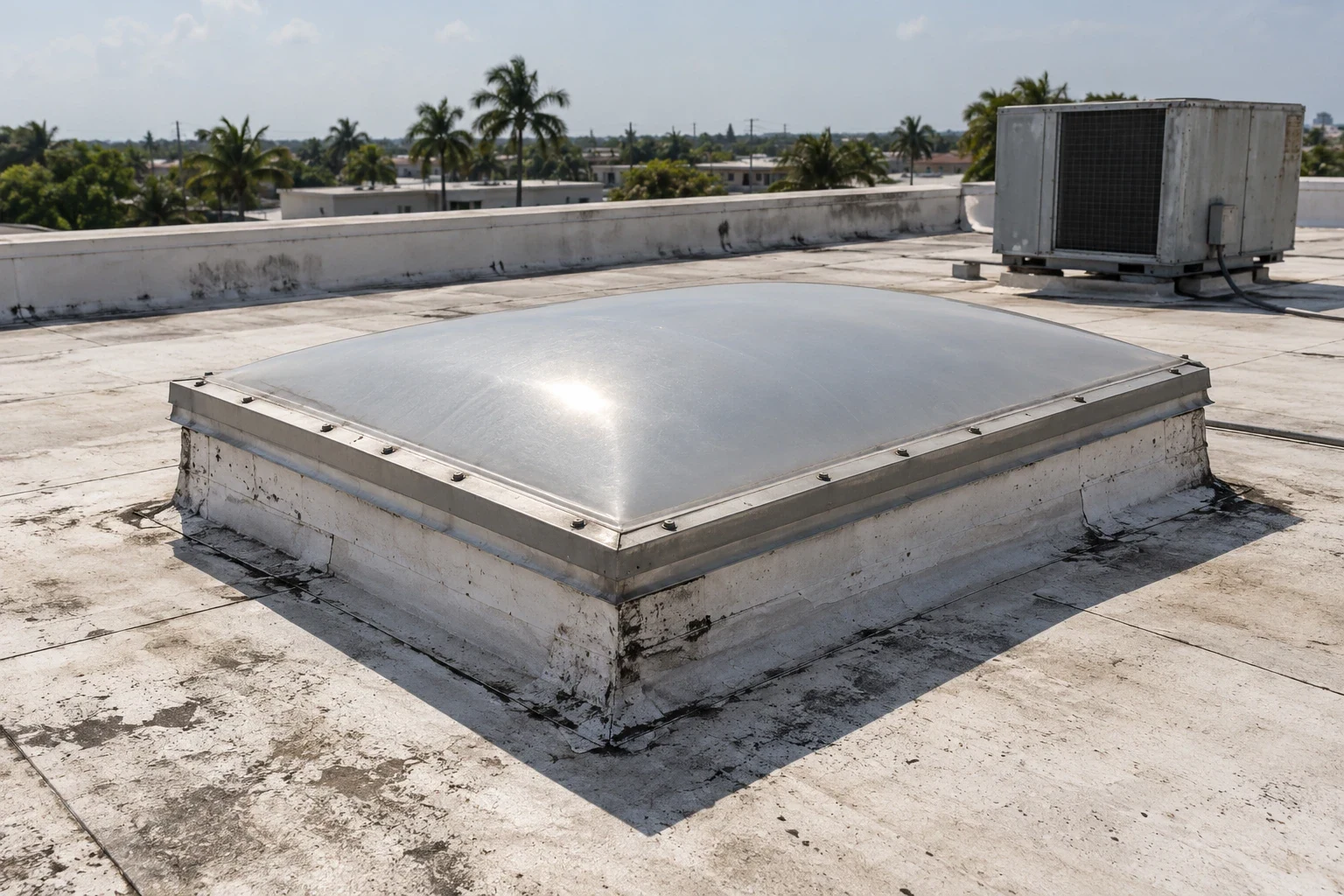
A complete contractor record includes the inspection date, event date as reported, property and roof zone, photographs, observed conditions, access limits, estimate, approved scope, work dates, and closeout images. Temporary protection has its own entry. Any condition left unresolved appears in the final note with a follow-up recommendation.
If a leak continues after repair, we record the new report separately and inspect the indicated path. A prior claim or completed patch is relevant history, not proof of the current cause. Follow-up photographs can show whether the repaired detail remains stable and whether a different area needs investigation.
We can send records in a format the owner can share with the appropriate claim contact. The package describes what was observed and completed. It does not promise approval, a payment, or a particular insurer response. The next step depends on the file, the policy, and the findings each party can support.
Learn more →
Learn more →
Learn more →
Learn more →
Learn more →
Learn more →
Learn more →
Learn more →