
Active local weather warning
The National Weather Service has issued a coastal flood warning covering Palm Bay. Heavy rain and drainage loading can expose roof leaks, blocked drains, and ponding water. This is a weather exposure advisory; it does not establish damage to a specific roof.
Do not access a roof during hazardous weather. Protect people first, avoid water near electrical equipment, and request roofing help when conditions permit.
National Weather Service · Updated Oct 28, 2026, 6:40 AM UTC
Water at a ceiling after a storm is a reported condition. A lifted edge, puncture, displaced metal, or open seam is a roof observation. The two records need to stay separate until the inspection connects them. Palm Bay has a documented history of tropical cyclones and severe weather. The inspection identifies damage at the specific property and ties it to the reported event date. We record the event date, building, roof zone, access limits, and active leak before describing what the crew finds.
Start with what the building contact observed. Note when water first appeared, where it showed indoors, whether the leak is active, and any change since the storm. Record ceiling, wall, inventory, or equipment impacts without assigning a roof cause prematurely. Photos from the occupant can help locate the area, but a ceiling image does not confirm the entry point.
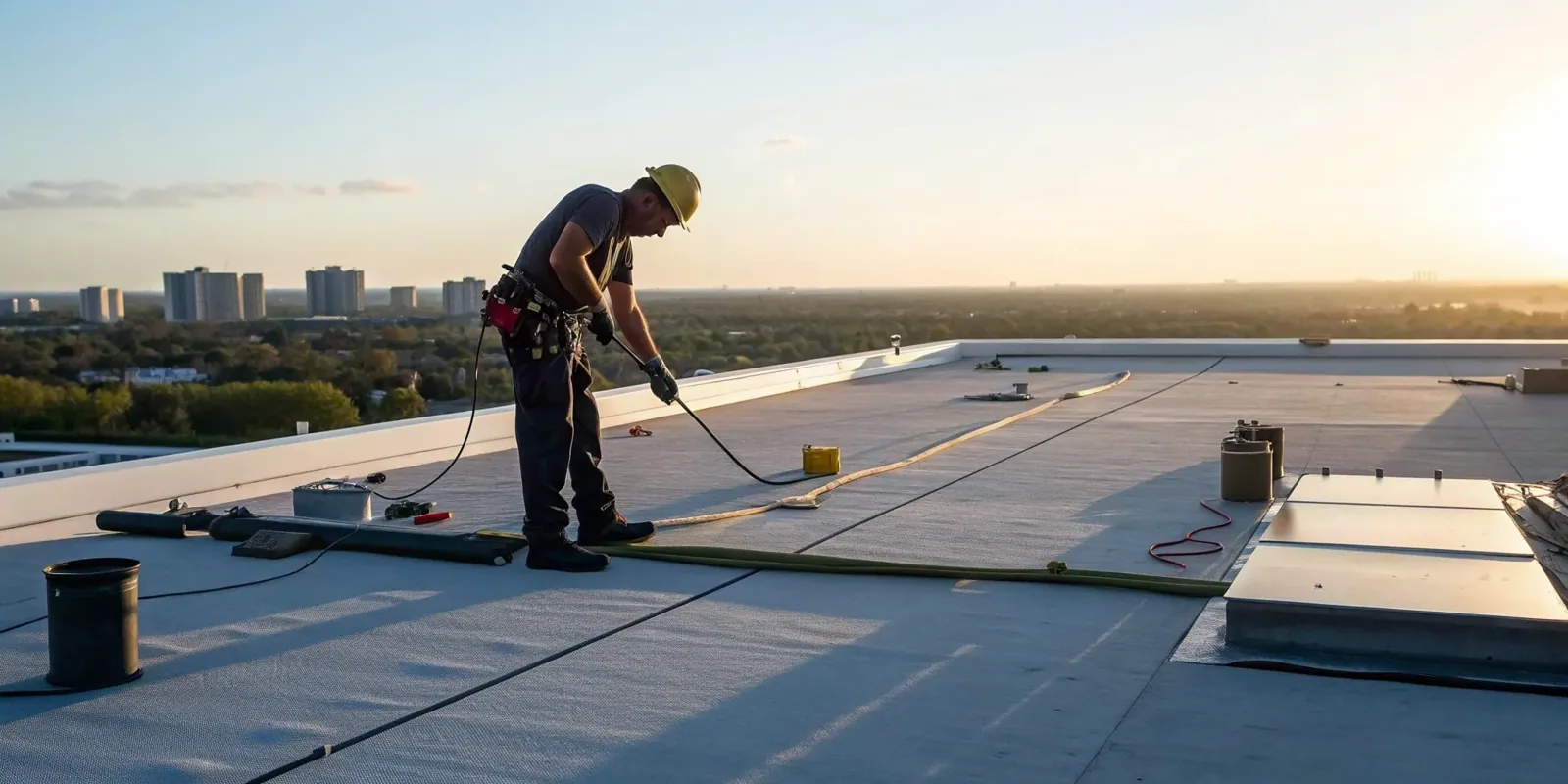
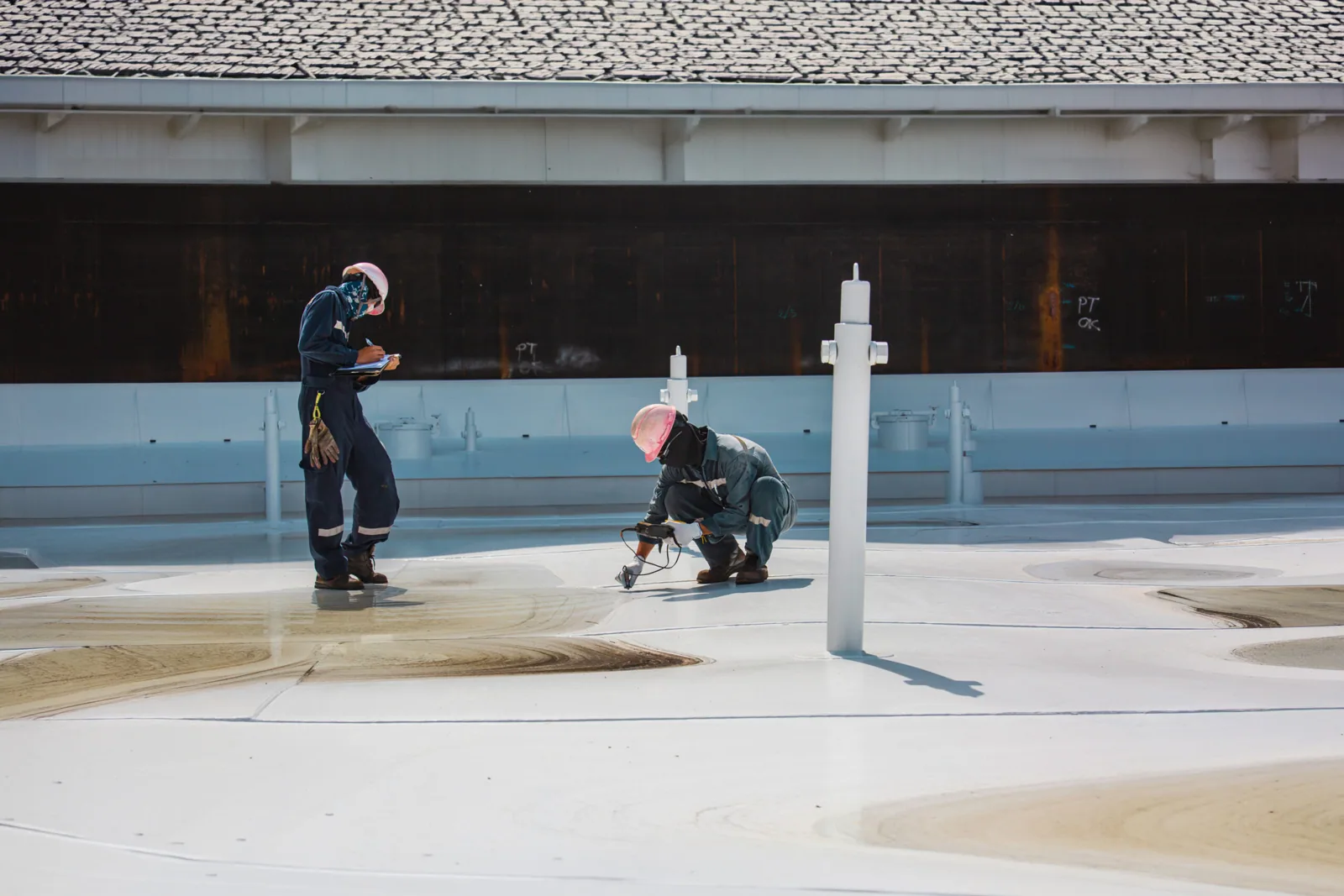
At the roof, we inspect the area above and around the reported location where access is safe. Water may travel along a deck, insulation layer, or structural member before reaching the interior. A report should map the roof zone and show the path checked. A commercial roof inspection records the visible assembly and access boundary. If conditions prevent safe access, that limit belongs in the report rather than an assumed clearance.
A Palm Bay gauge recorded more than 13 inches of rain during Hurricane Irma. The roof inspection documents the event and visible conditions at the property. The inspection ties the building's reported timing to physical evidence. If the event date is uncertain, we label it as reported and keep the uncertainty visible.
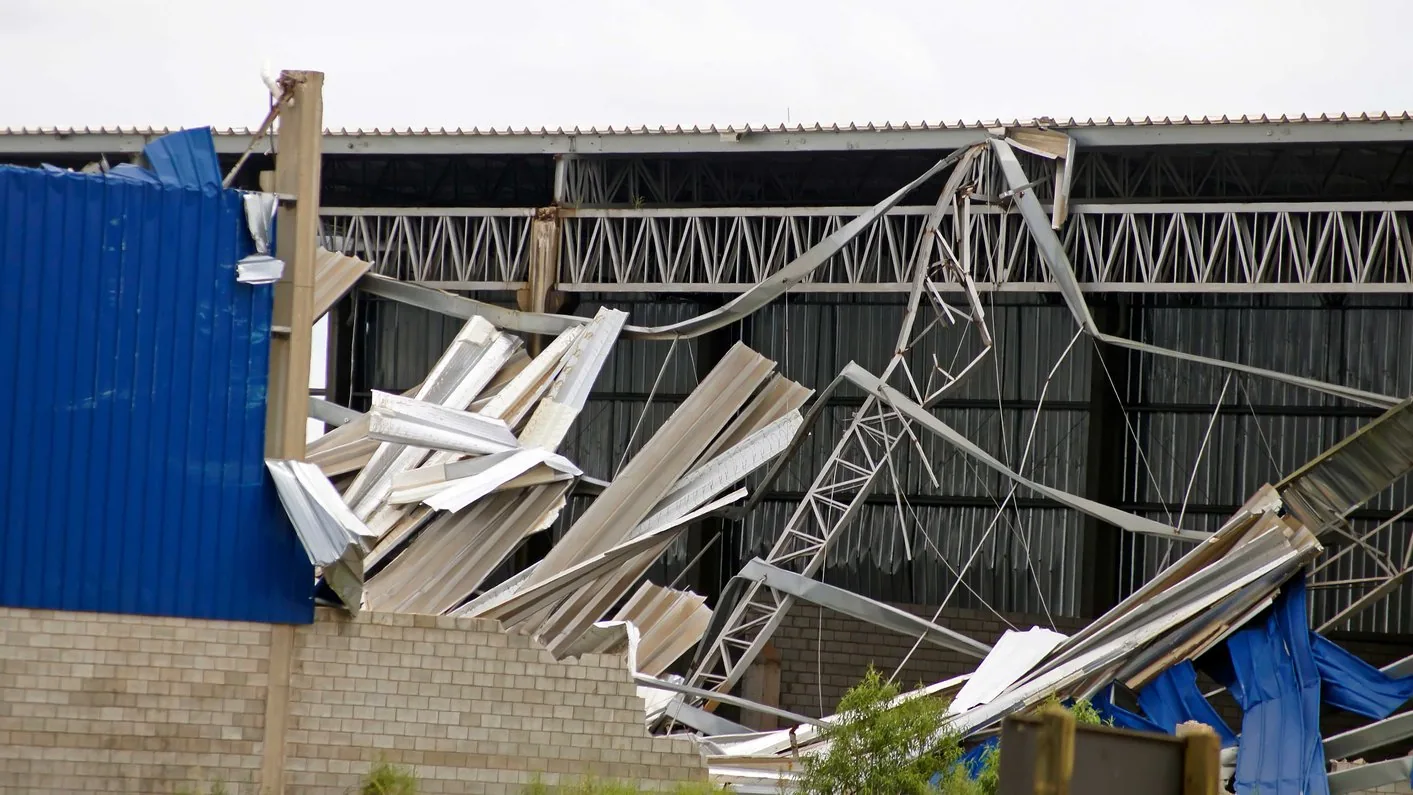
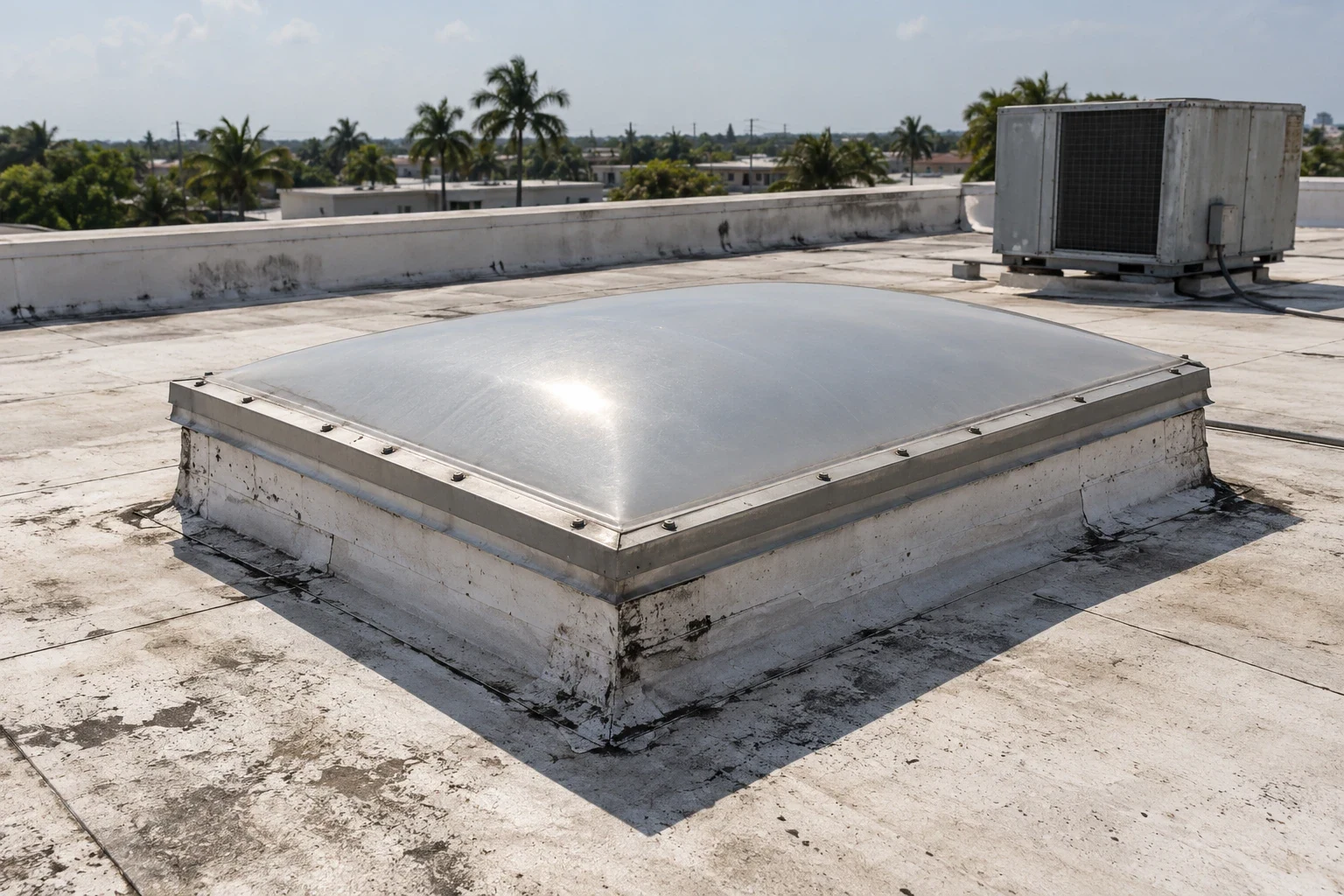
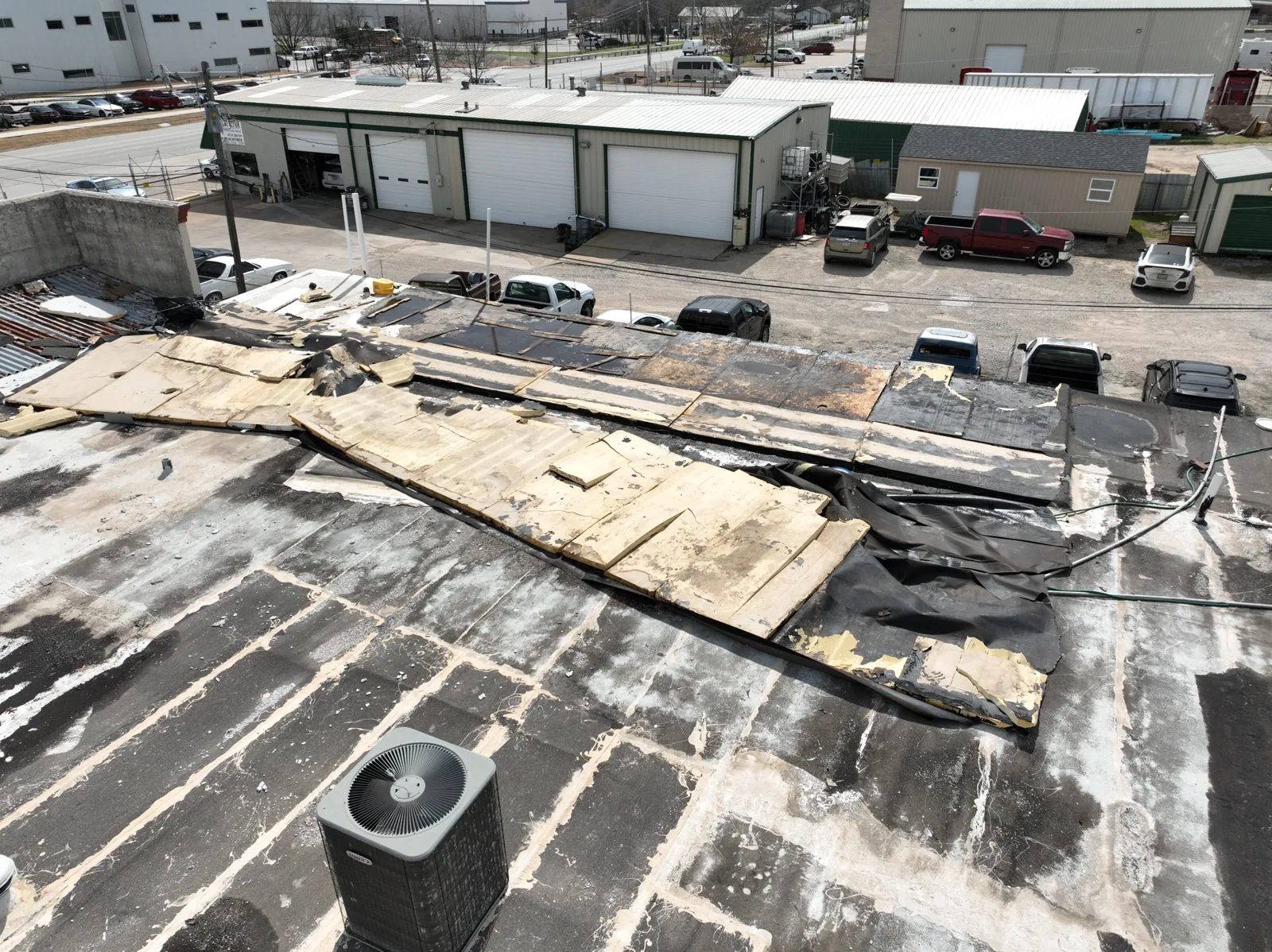
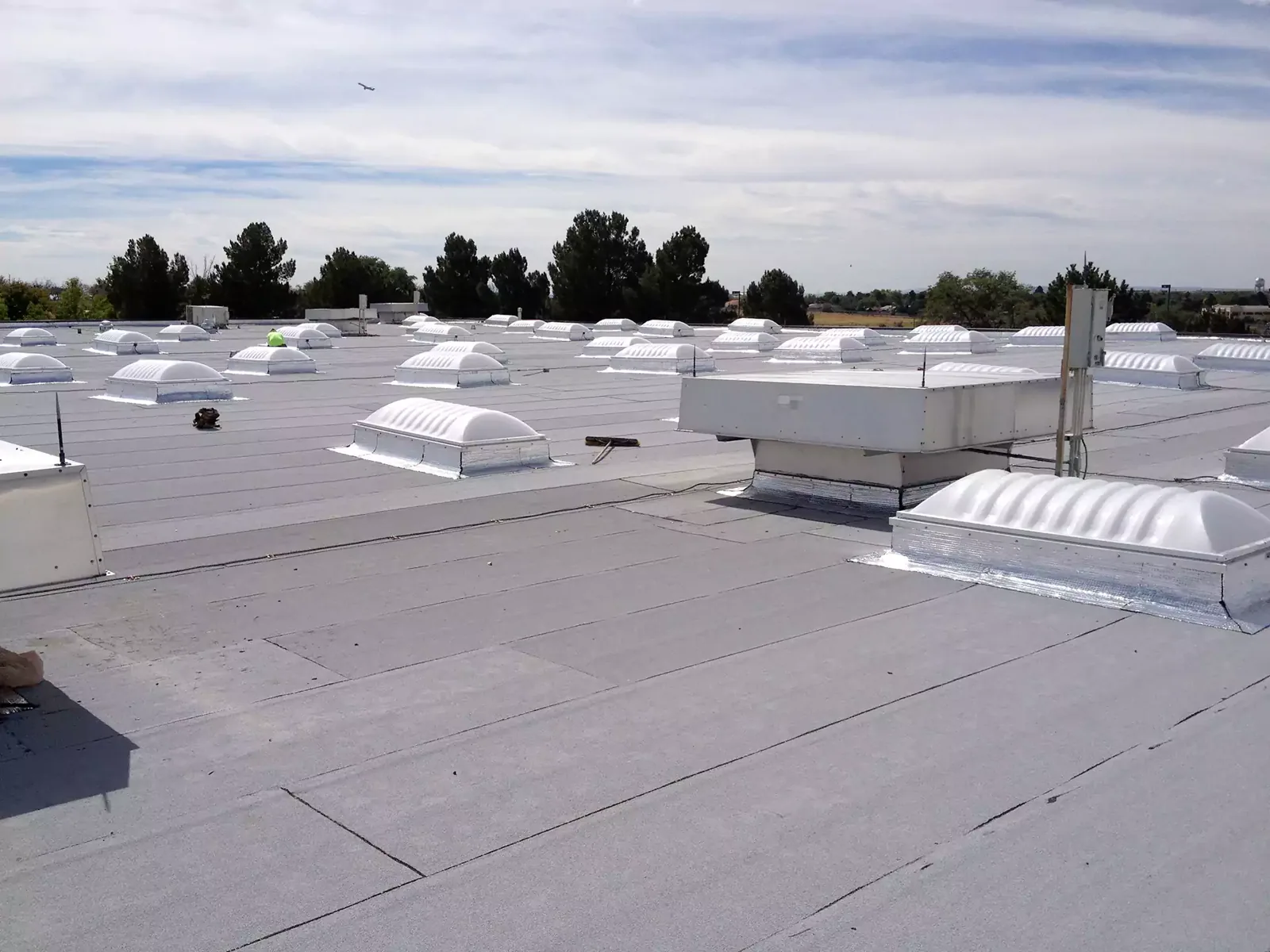
Storm inspection follows the likely failure points. We look at perimeter metal, corners, seams, field membrane, penetrations, curbs, skylights, drains, scuppers, and prior repair locations. Photographs show the condition before work. The notes identify uplift, tearing, puncture, displaced components, debris impact, or no visible damage in the area inspected.
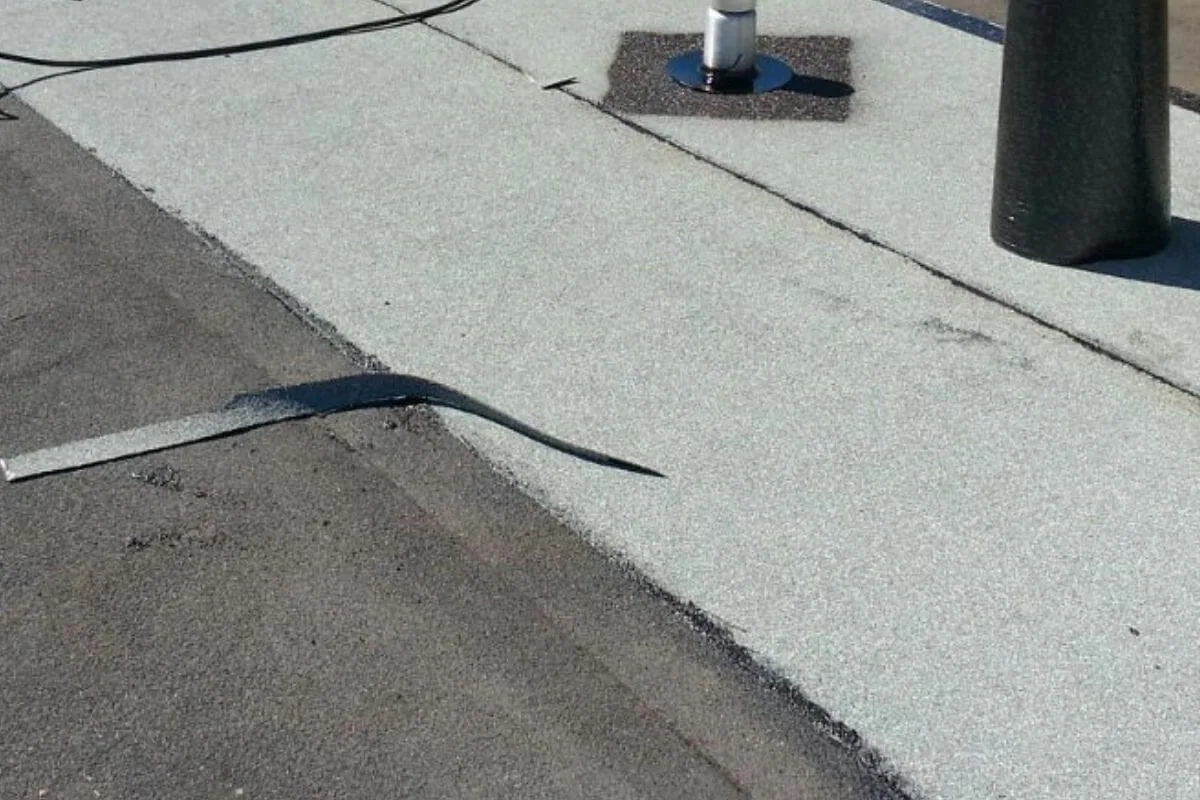
Wind pressure can affect edges and transitions differently from the center of a roof. Rain can expose a drain or flashing problem without producing a dramatic tear. A roof may also have older deterioration unrelated to the latest event. We distinguish these observations in the field record. A wind damage assessment can focus on attachment and edge conditions. If the reported issue is a membrane cut or impact, a puncture repair review can define a local boundary after the surrounding material is checked.
Palm Bay commercial sites include industrial and flex properties near Clearmont Street and Franklin Drive, as well as retail and institutional buildings along Babcock Street and Malabar Road. The address helps plan access and staging. It does not tell us which roof assembly is installed. Each affected building needs its own inspection and record.
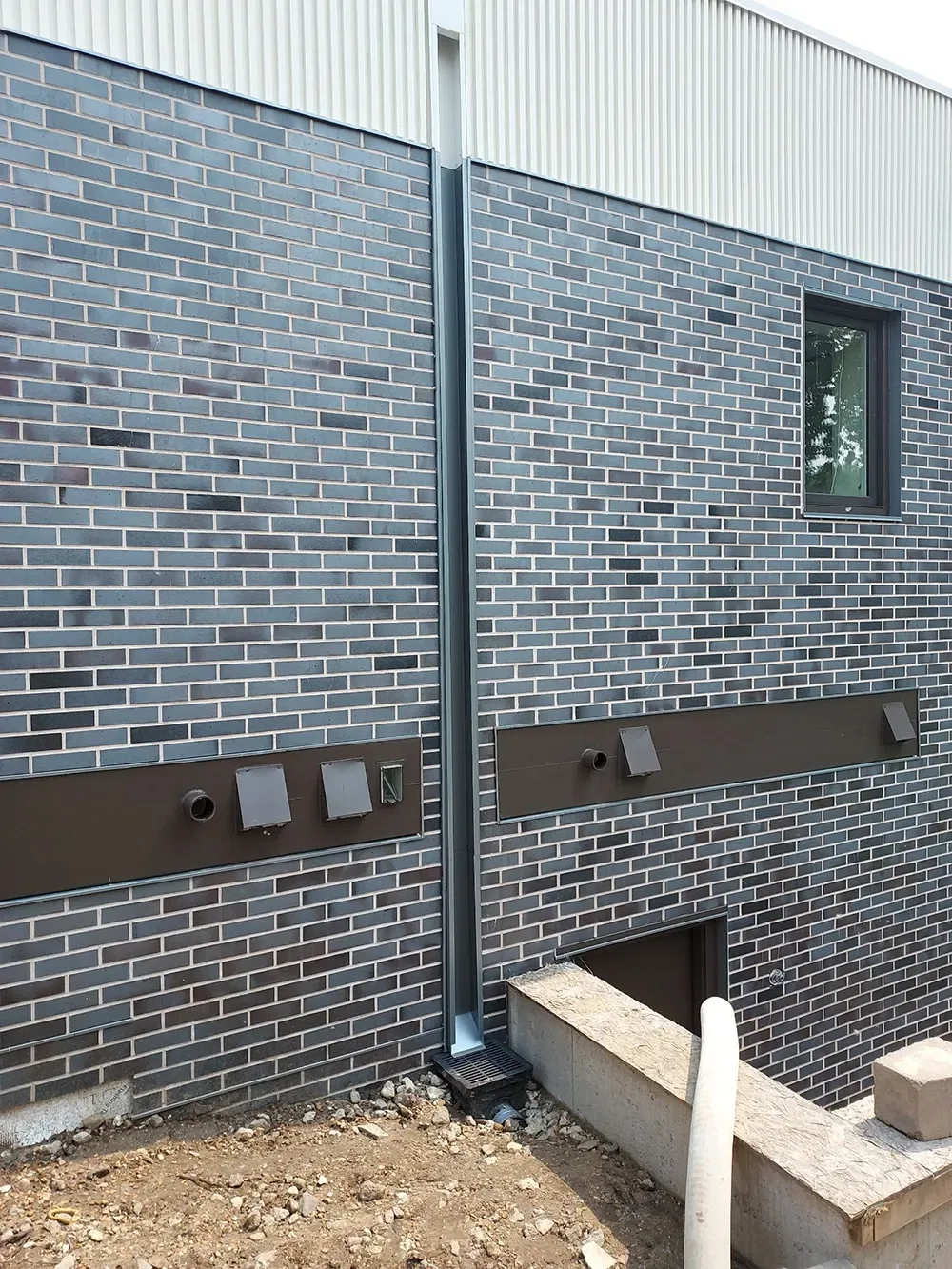
If water is entering, the first step may be temporary protection. The crew notes the covered roof zone, material used, placement date, and conditions requiring a return. A tarp or temporary seal can limit exposure while the permanent scope is prepared. It should not be described as a completed repair.
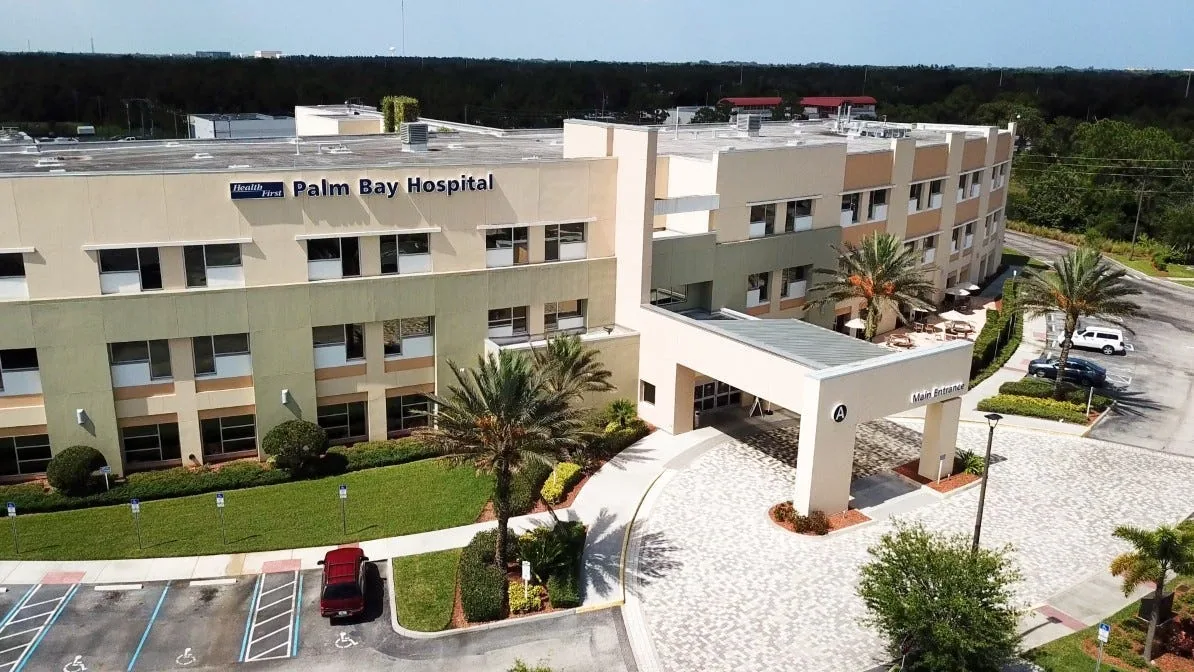
Temporary work also needs an interior contact and a clear route to the affected area. We ask whether electrical equipment, ceiling systems, stock, or occupied rooms need protection. The building representative identifies restrictions and who can approve access. For a facility with ongoing clinical activity, the Palm Bay Hospital campus includes emergency and inpatient functions. Roof access and interior coordination must follow the site's designated controls.
Weather can restrict permanent work. A wet surface, ongoing rain, or unstable substrate can make a repair unsuitable that day. We record why work paused and what remains exposed. If a return is needed, the note names the roof zone and the condition that must be reassessed. For active water entry, confirm safe access, document temporary protection, and record the return window with the property contact. Response priority follows active water entry, life safety, and the access conditions reported.
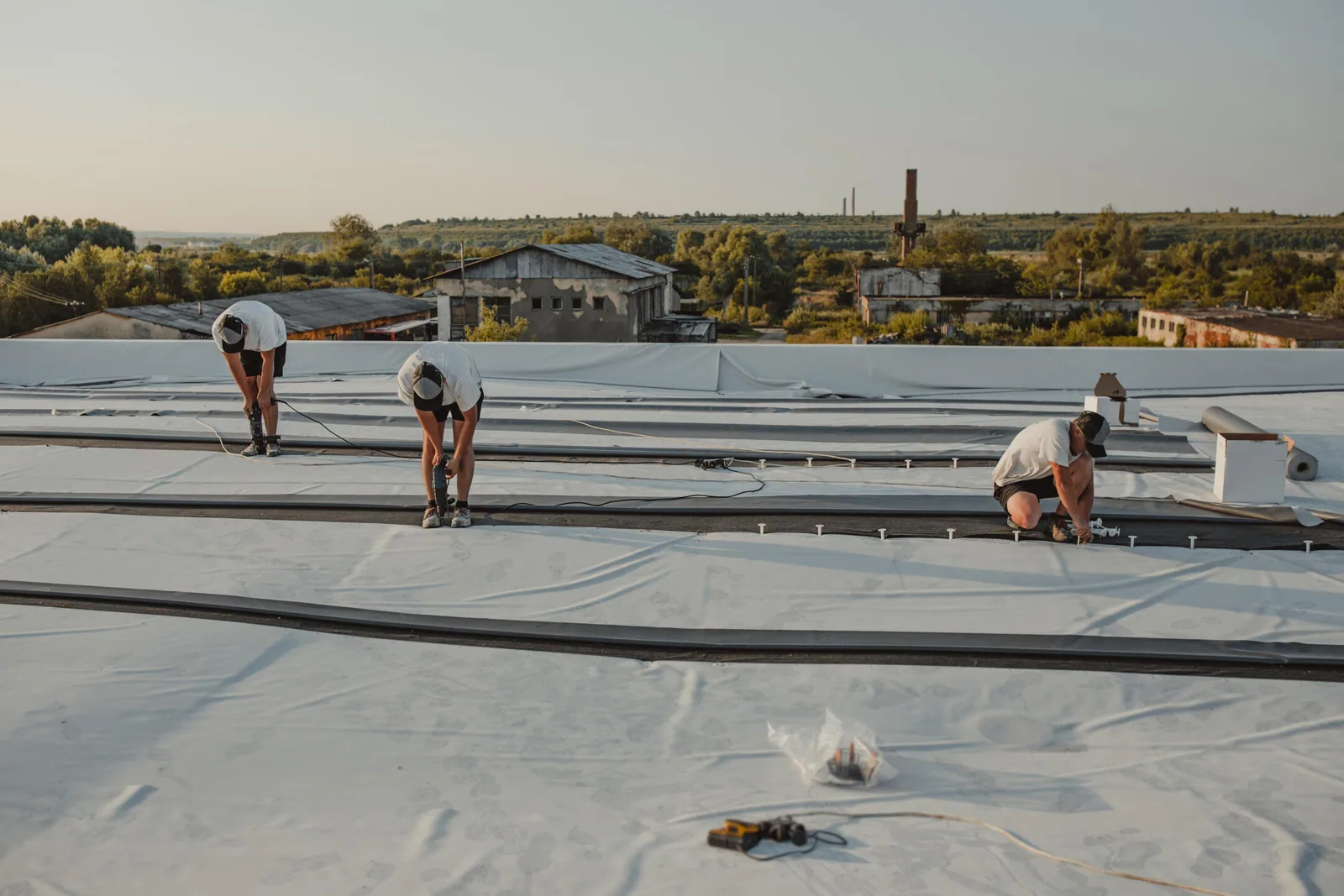
The permanent scope identifies what failed, the repair material, preparation, fastening or welding method, and the limit of work. A small opening in sound membrane may allow a local patch. A lifted perimeter edge can require checks beyond the loose section. Wet insulation, damaged deck, or repeated seam separation may expand the boundary after a test opening.
We match repair materials to the existing system where it can be identified. TPO, PVC, EPDM, modified bitumen, metal, and coating assemblies need different details. If the assembly is unclear, the proposal records that uncertainty. A commercial roof repair scope can define the accepted work. Where observed damage extends across several roof areas, a replacement review can compare repair limits with broader assembly condition.
The work plan sets access, protection, staging, and dry-in sequencing. For a property with multiple tenants, we mark entrances, delivery paths, and areas that must remain open. A site contact confirms where materials can be staged. We photograph the repair before and after installation, then record any area that could not be completed because of weather or access.
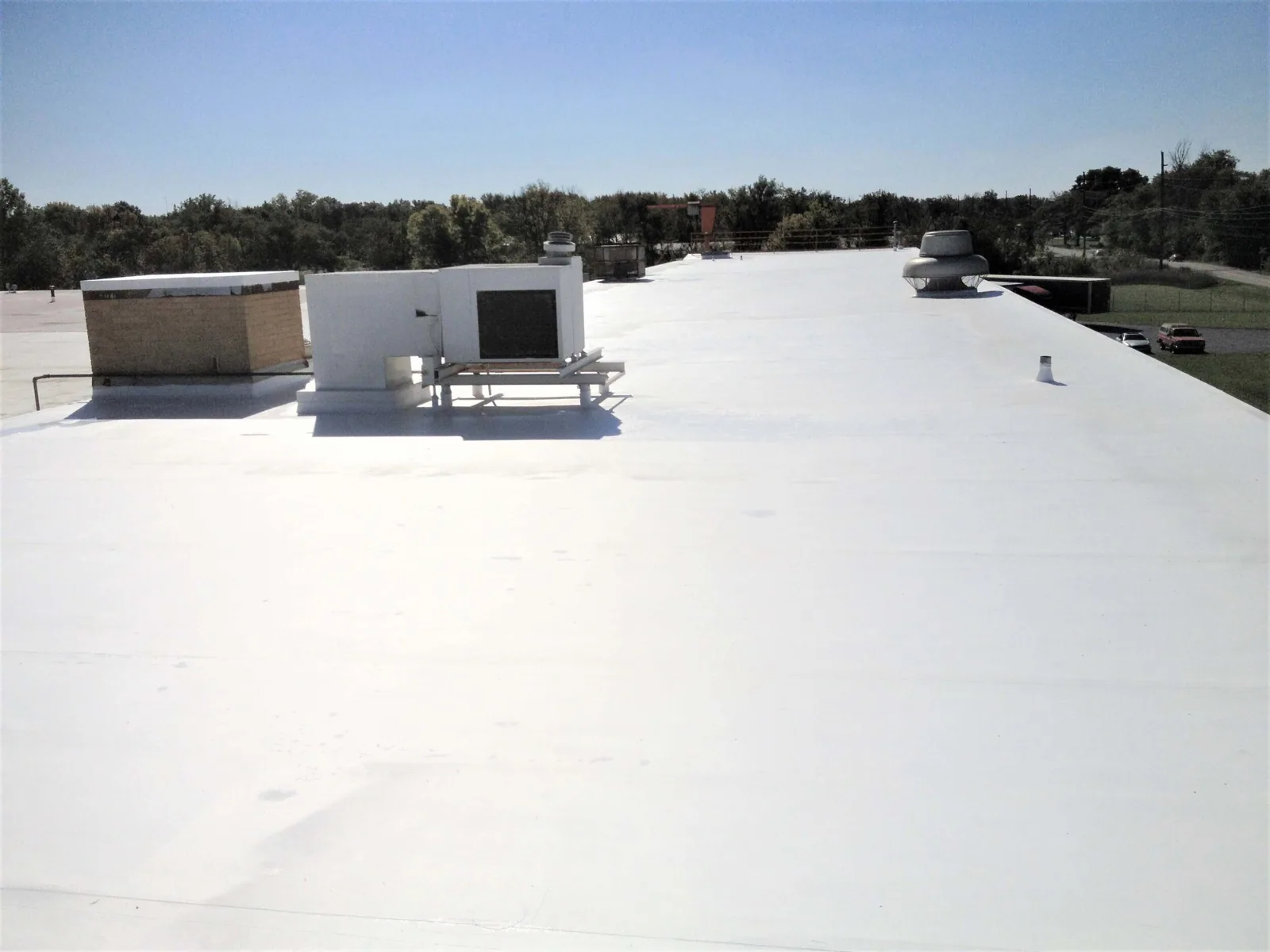
The closeout record contains the event date as reported, roof zone inspected, observed damage, photographs, repair material, completed boundary, access limits, and remaining concerns. Temporary protection appears separately. If a test opening showed a concealed condition, its location and result remain part of the record.
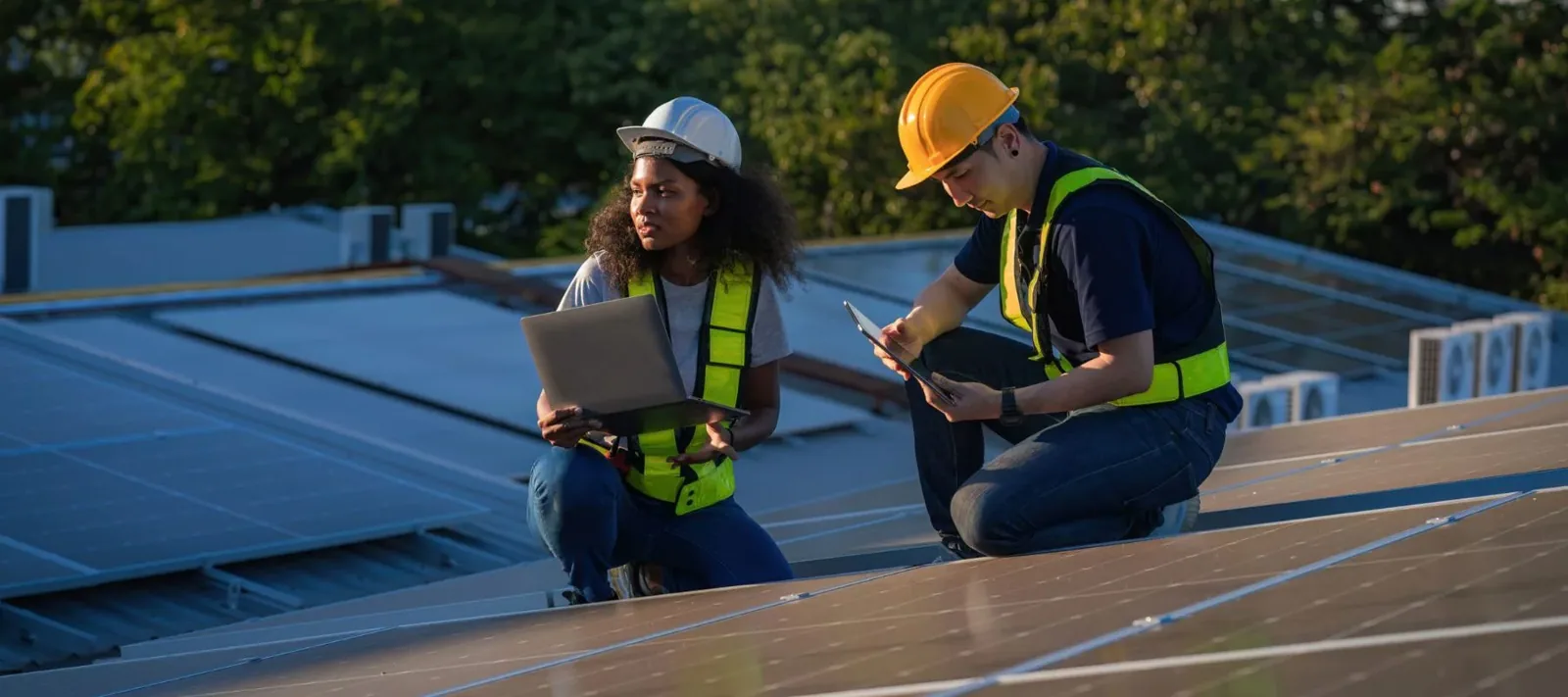
Storm documentation can support a property owner's claim file, but it is not a coverage decision. We describe roof observations and work performed. The owner or adjuster determines policy response. A claim documentation service can organize event notes, photographs, and repair records for coordination. A dated condition report keeps observations assigned to the correct structure and zone.
Follow-up inspection checks whether the repaired detail remains intact and whether water entry has stopped. If a new stain appears, it gets a new date and location. A previous repair record helps locate the area; a new leak receives its own inspection and event date. We compare the new path with the earlier photographs and state what is confirmed.
Learn more →
Learn more →
Learn more →
Learn more →
Learn more →
Learn more →
Learn more →
Learn more →