A custom-fabricated Duro-Last sheet can include factory-welded seams and accessories. The field still needs accurate measurements, secure attachment, and sound transitions. We inspect the membrane, perimeter, penetrations, drains, and repairs before deciding whether a local patch or broader work is supported. The report identifies the product when records or markings confirm it. An installed system name does not establish the condition beneath the surface.
Palm Bay's nearby Melbourne station records show hot summer conditions and heavy seasonal rainfall. That context makes seam, flashing, and drainage checks useful during maintenance. It does not prove a particular roof has failed. An industrial tenant in Port Malabar Industrial Park and retail space at Palm Bay Station have different roof layouts and access controls. We verify each address and contact before recommending Duro-Last repair or replacement work.
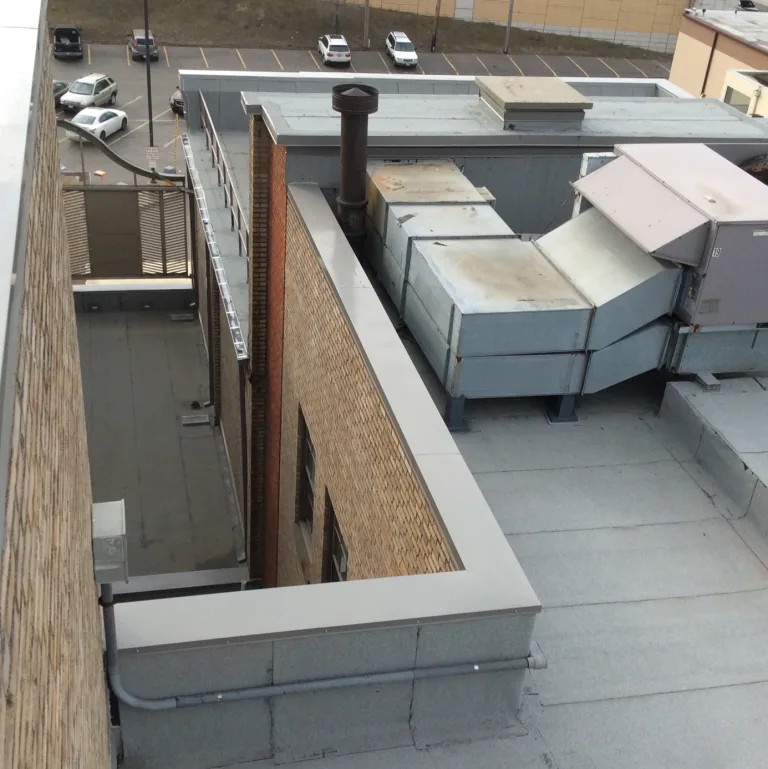
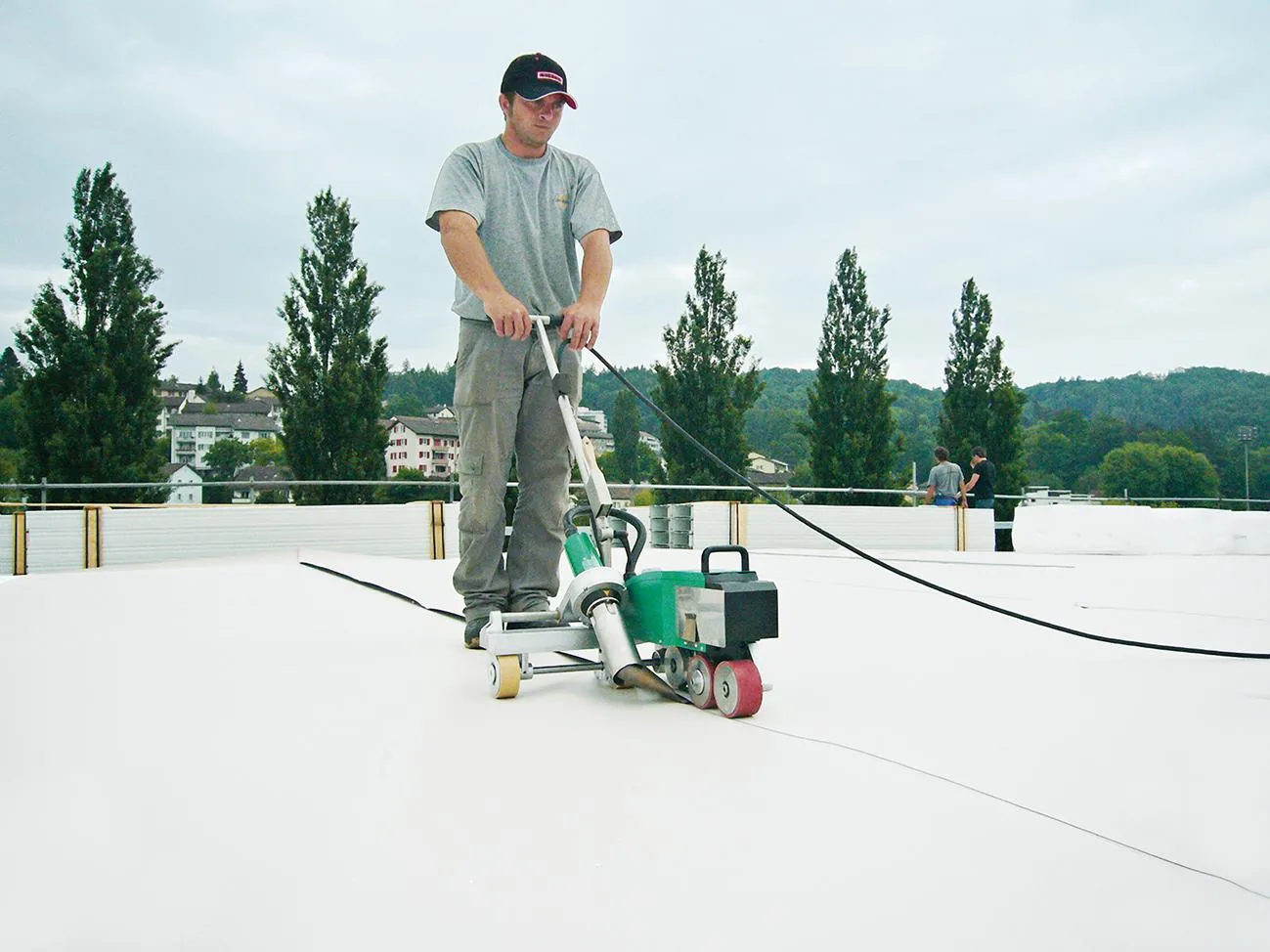
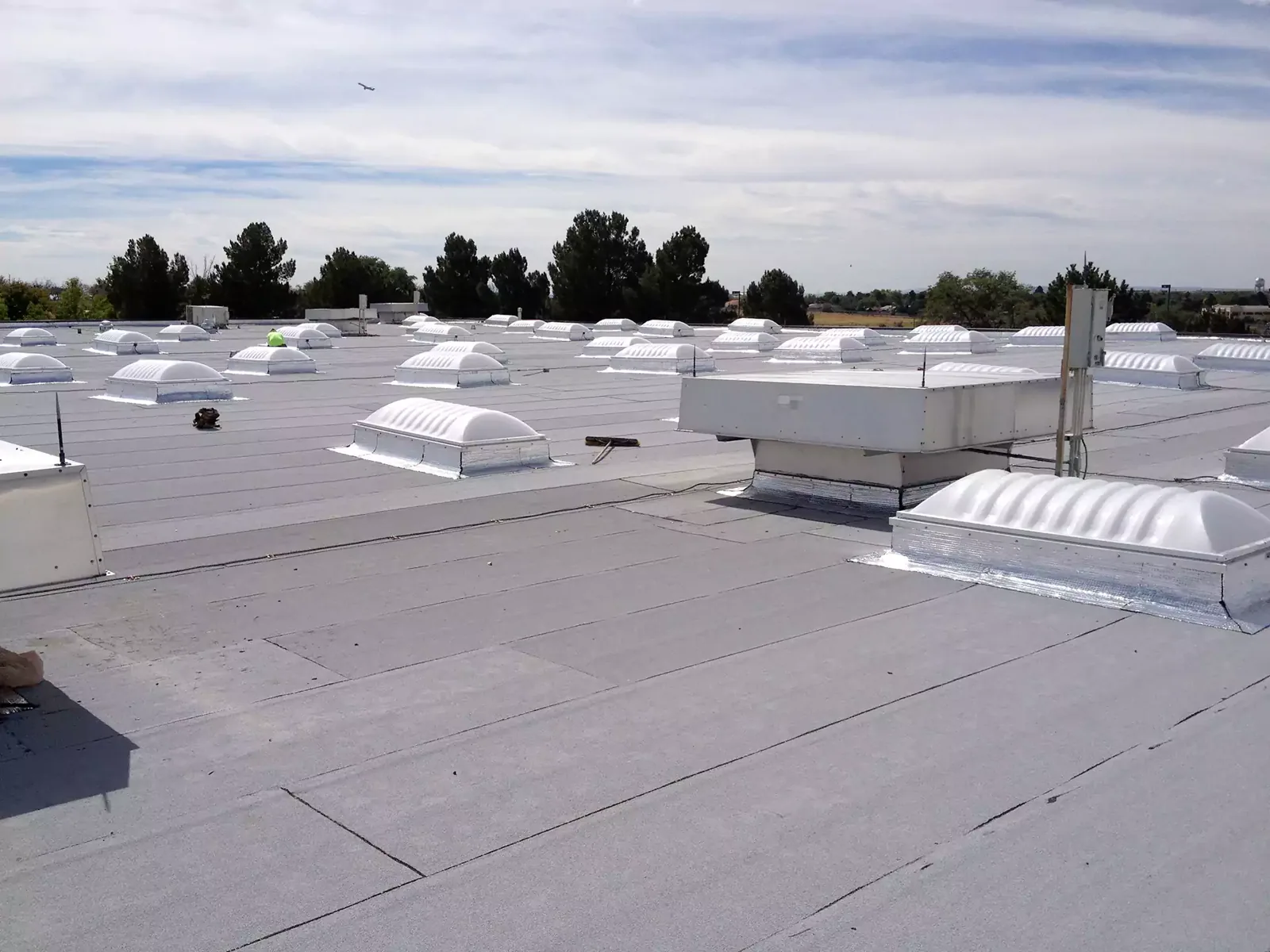
Duro-Last's core commercial system uses a PVC membrane with factory-fabricated sheets and accessories. Custom measurements can reduce some field seams, while installation still includes field connections, perimeter terminations, and transitions. The roof plan must match the building geometry and actual equipment locations. We review submittals, panel layouts, drain positions, and field conditions before using a prior fabrication record for new work. The roof may have changed since those measurements were taken. Added equipment, new curbs, prior patches, and edge modifications can alter the fit. We verify each critical dimension and mark any area that could not be reached. A revised layout should reflect those observations before material is made.
Existing conditions can differ from drawings after repairs or equipment changes. We check the membrane identity, attachment, insulation, cover board, deck, and edge details where accessible. If dimensions or roof zones are uncertain, we check them in the field. A factory-prepared accessory still needs a sound field connection. We check the transition for alignment and attachment, then record any hand-welded or patched area. That distinction helps a later inspector understand which parts were prefabricated and which were completed on the roof. For comparison, GAF and Versico have other commercial membrane families; system components are not assumed interchangeable. A PVC roof inspection considers the membrane and supporting assembly together.
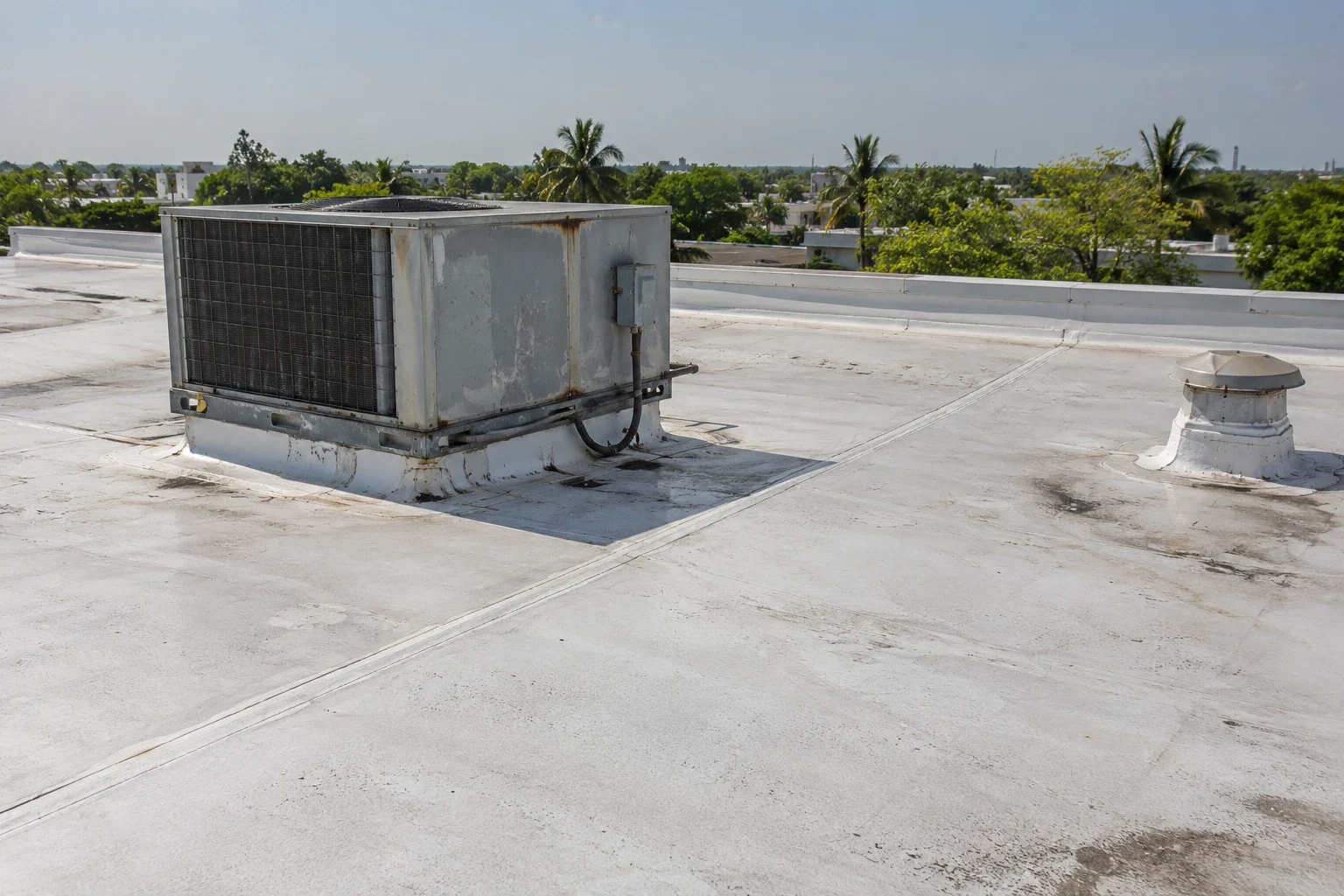
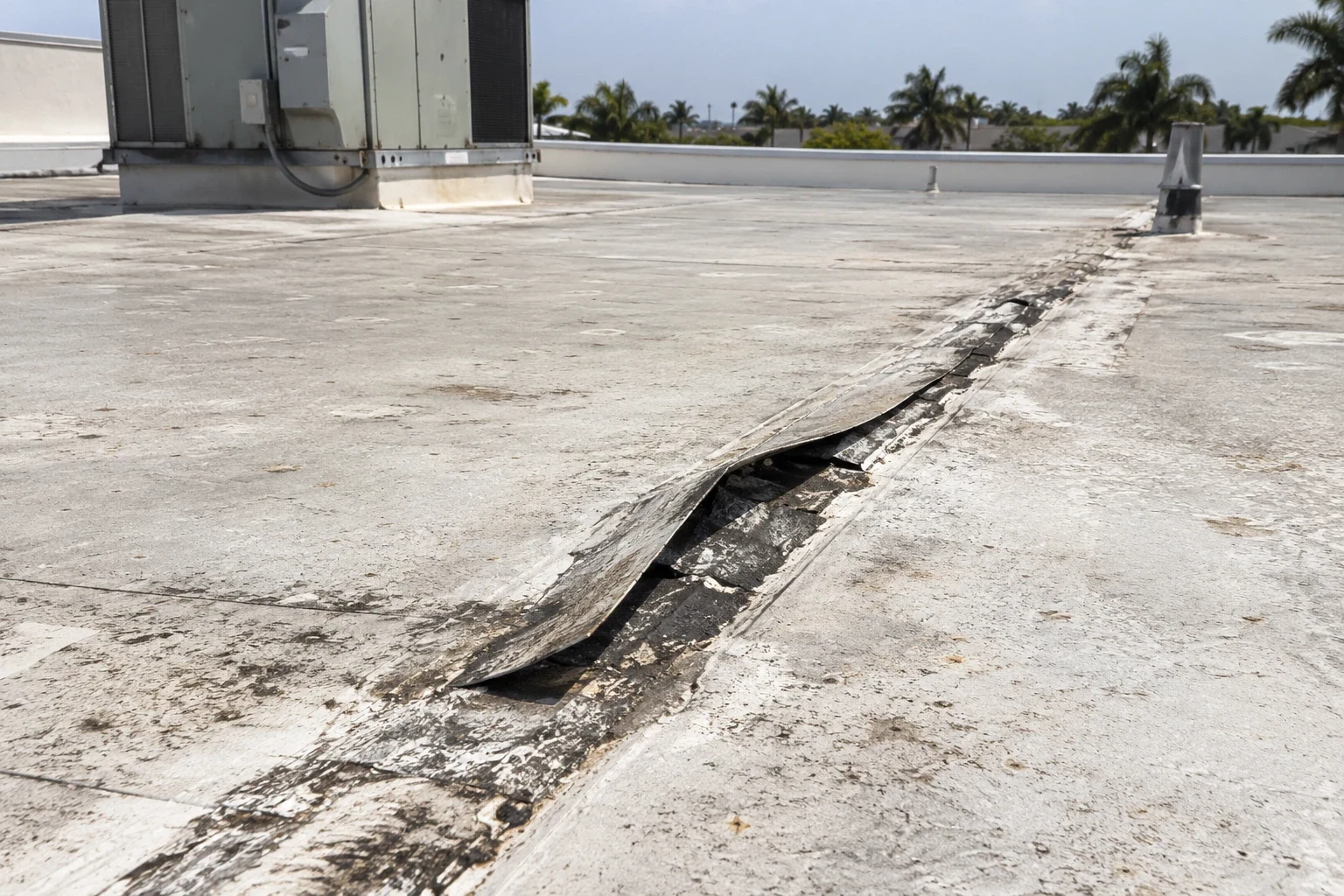
Factory-welded sections still connect to field-installed sheets and details. We inspect those transition lines, corners, repairs, and flashing for separation or poor tie-in. A water path can start at a curb or drain rather than in the roof field. Probe and test checks are recorded at their exact locations. A passing check at one sample does not confirm every seam across the building.
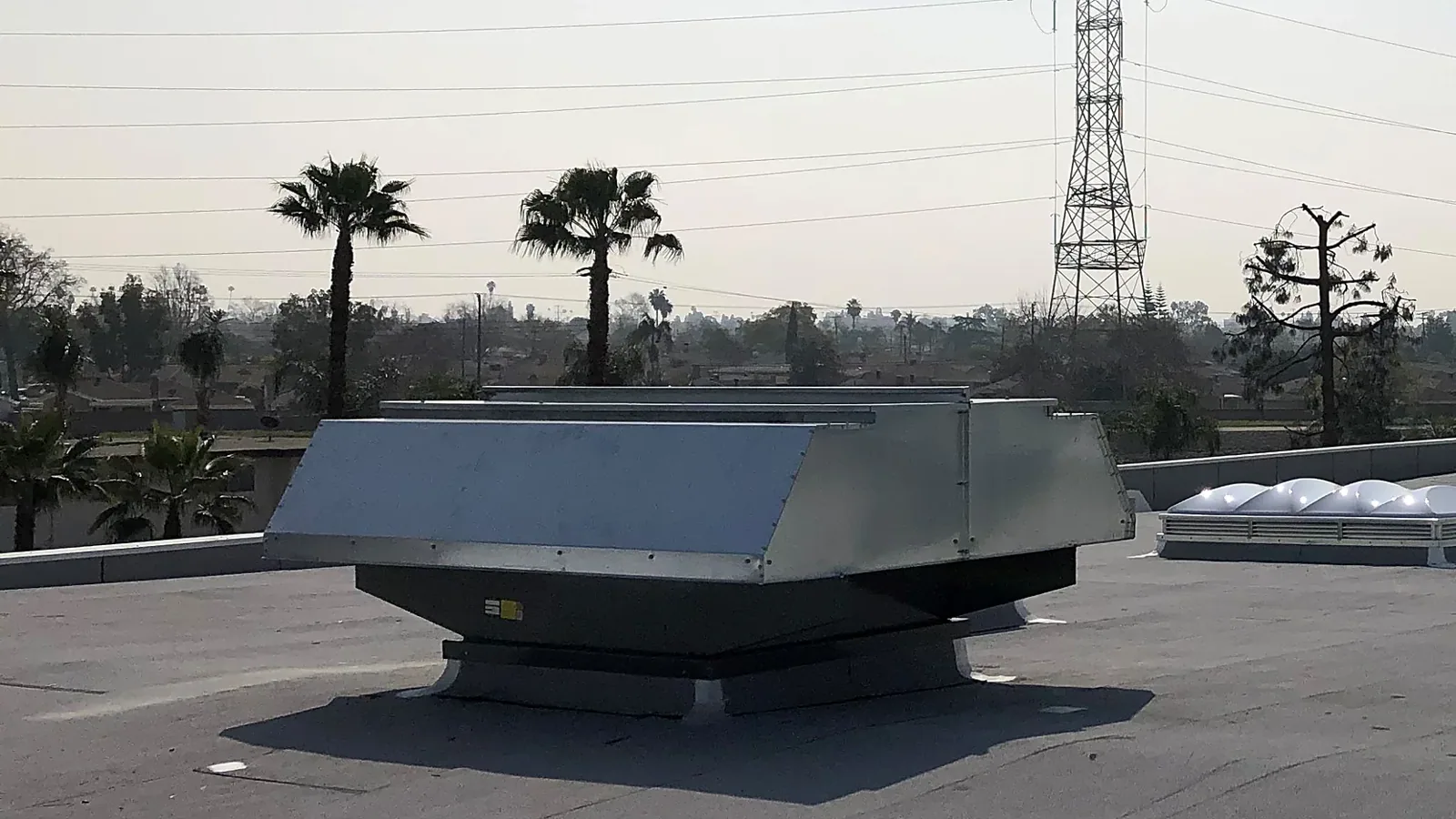
Rooftop equipment, service routes, and fastener changes can affect sheet layout. We review those areas for cuts, abrasion, loose attachment, or patch history. A curb and support inspection can cover penetrations near HVAC equipment. If a split runs along a field connection, a seam repair scope identifies material, preparation, weld limits, and adjacent details.
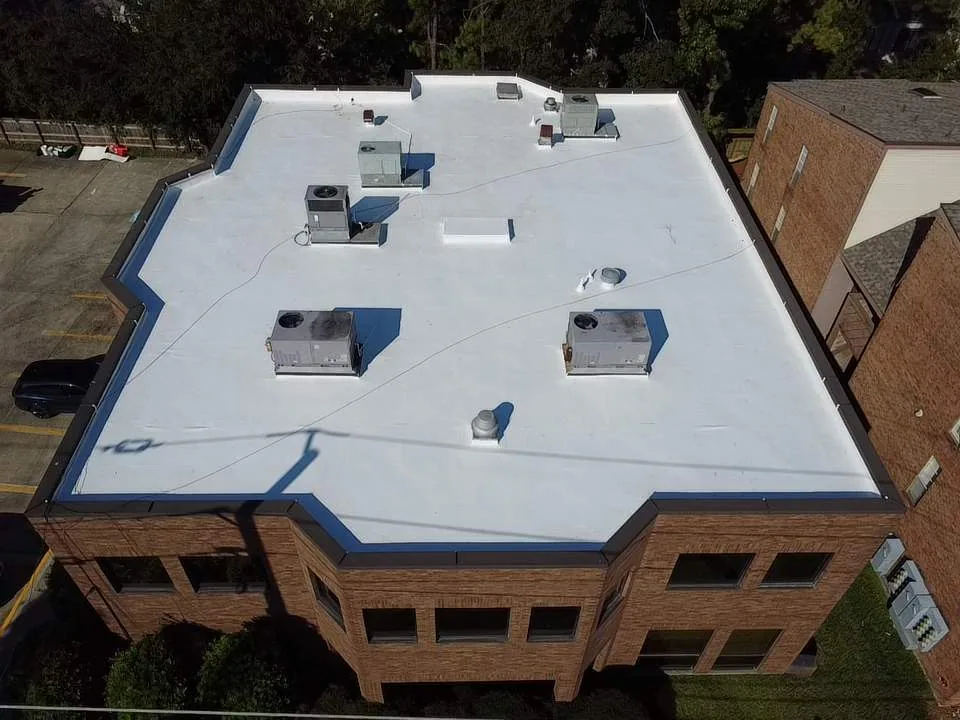
Repair begins with identifying the PVC surface and checking whether it is clean, dry, and compatible with the patch material. We prepare the area, install a compatible membrane or fabricated accessory, and inspect the tie-in. Contamination, old coatings, brittle material, and moisture can alter the repair. The report sets a boundary that includes sound material, then names any test or removal that could expand it. A repair estimate also accounts for access, surface preparation, moisture, fabrication needs, and protection of the occupied area below. If an existing patch covers the original seam, the scope identifies whether removal or a test area is required before a new accessory can be installed.
If an opening is active, temporary protection can limit additional water while a permanent detail is prepared. The record distinguishes temporary coverage from completed work. At a retail space in Bayside Lakes, tenant access may constrain the work window; the Palm Bay Station project listing does not tell us the roof layout or permission process. We confirm those details with the actual property contact before entering the building.
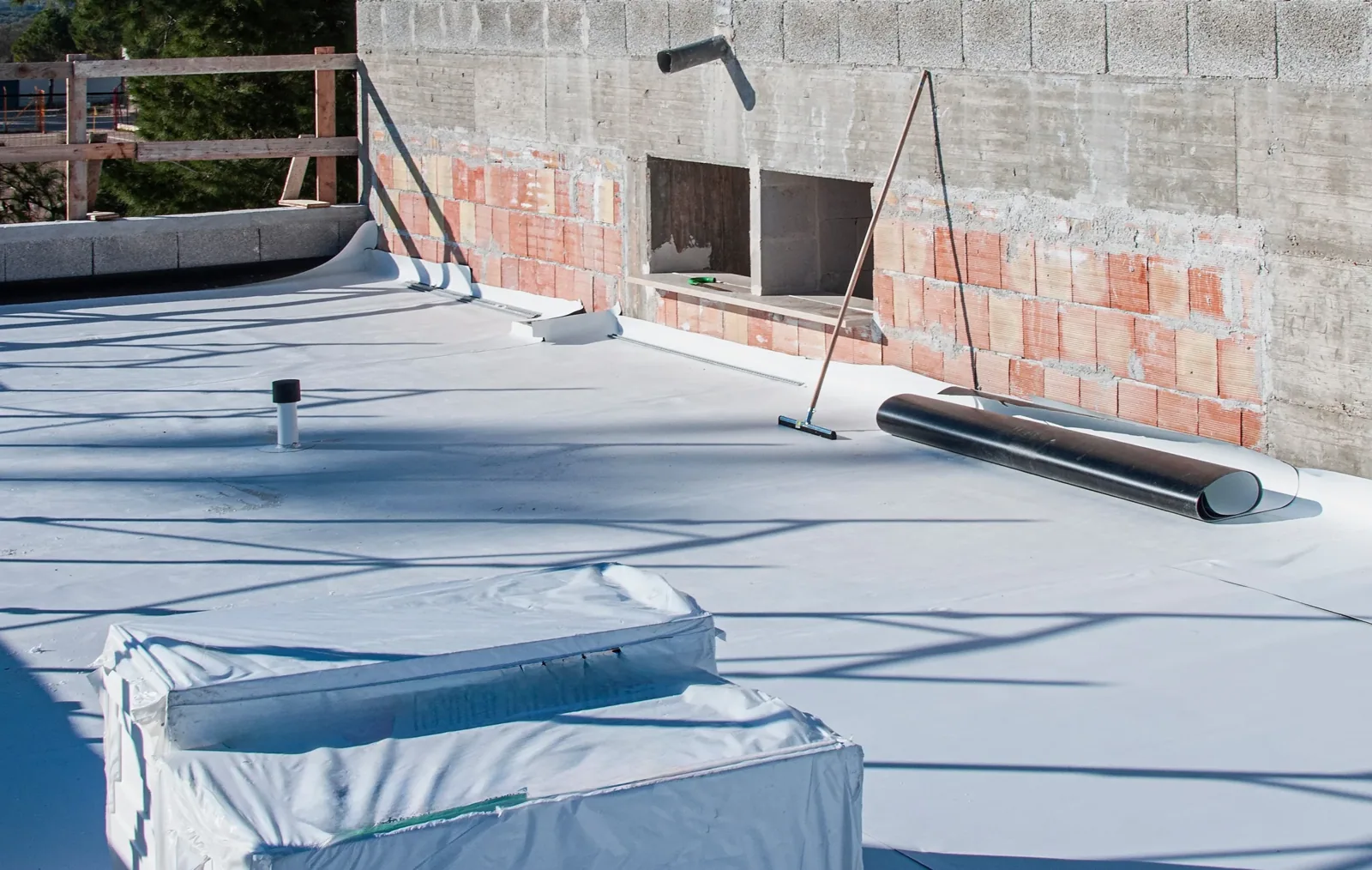
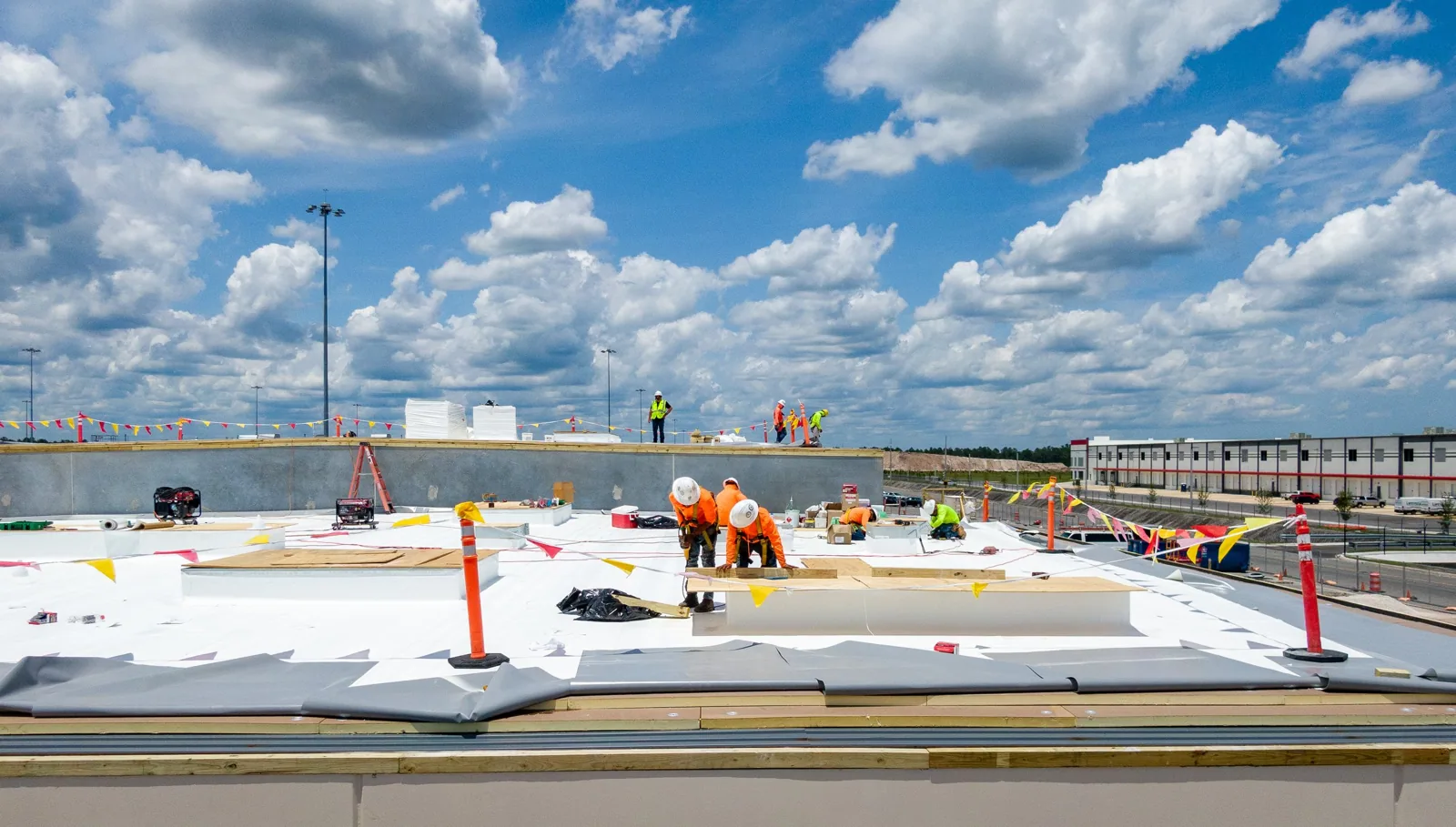
A replacement starts with measured roof dimensions, drain and curb locations, edge geometry, equipment clearances, insulation, and deck condition. If the roof is not square or previous additions changed the plan, field measurements must capture those conditions. Wet insulation or a damaged deck can require removal before new sheets are fabricated. The scope identifies measurement responsibilities and the test openings needed before material release.
Schedule and cost reflect site measurement, custom fabrication time, material handling, attachment, roof access, weather, and occupied operations. Work must protect exposed areas while sheets are staged and installed. An occupied-building sequence can set daily work boundaries and coordination. The replacement scope names removal, substrate repair, insulation, edge metal, penetrations, and closeout so the owner can review what is included.
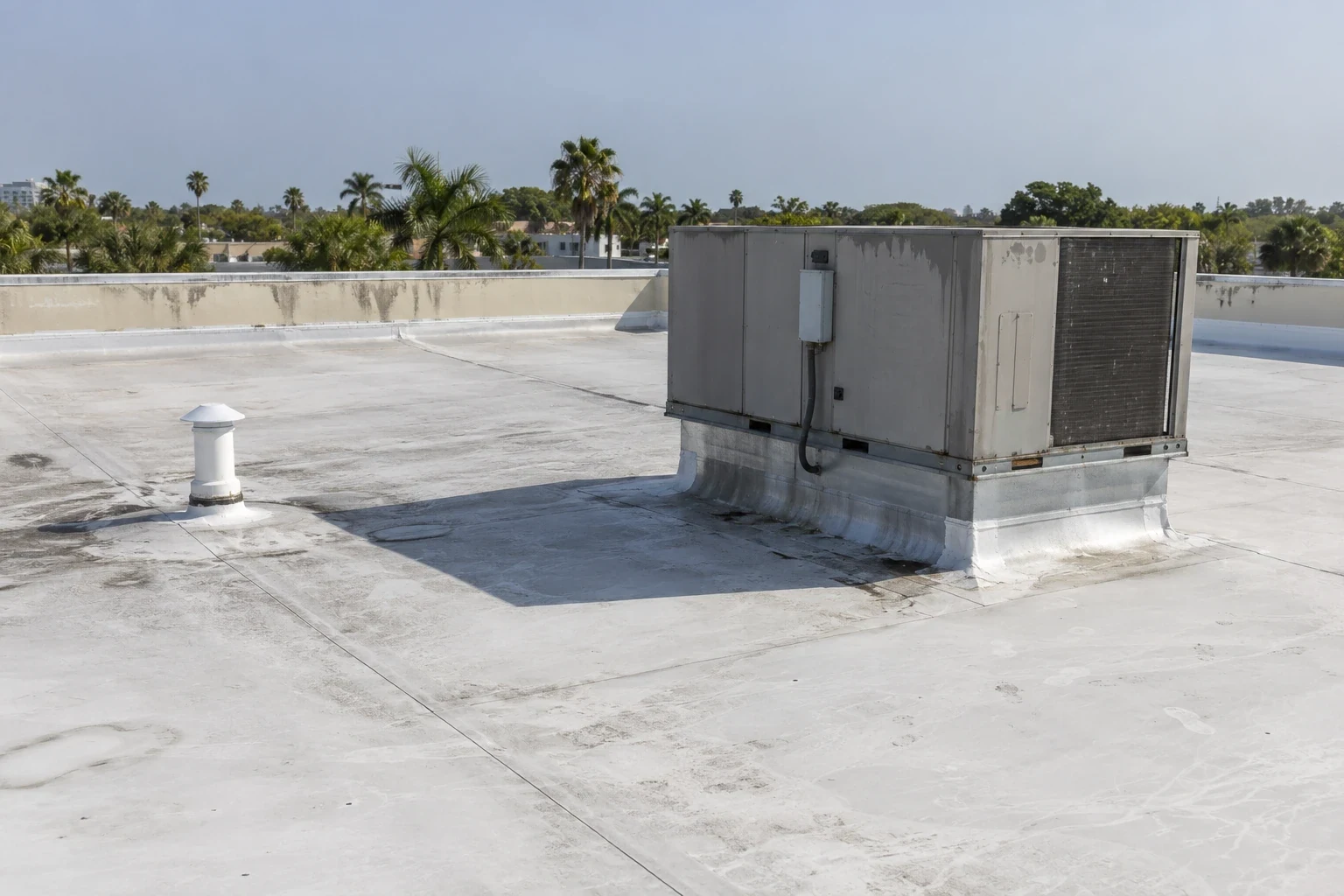
Maintenance visits check seams, patches, penetrations, drains, perimeter metal, and rooftop traffic. A repair history helps distinguish a repeat opening from a new event. We attach dated photographs, roof-zone labels, material identification, and follow-up tasks to the building record. If the system documents require specific inspection or notice, the actual issued warranty controls those steps.
A condition report records observed status and limits. A warranty file keeps documents and written correspondence organized. Port Malabar Industrial Park contains a varied listing market, but the property record should identify the actual address and system rather than rely on a park-level assumption. Future maintenance can then return to known seams and transition points.
Learn more →
Learn more →
Learn more →
Learn more →
Learn more →
Learn more →
Learn more →
Learn more →