
A cut in the protective coating can expose spray polyurethane foam to sunlight and water. We map the damaged area, inspect the foam beneath it, and record whether moisture or loss of adhesion is visible. Palm Bay’s hot, rainy season shortens the time a foam roof can remain exposed. Regional conditions help with work timing, but the property inspection determines the SPF condition.
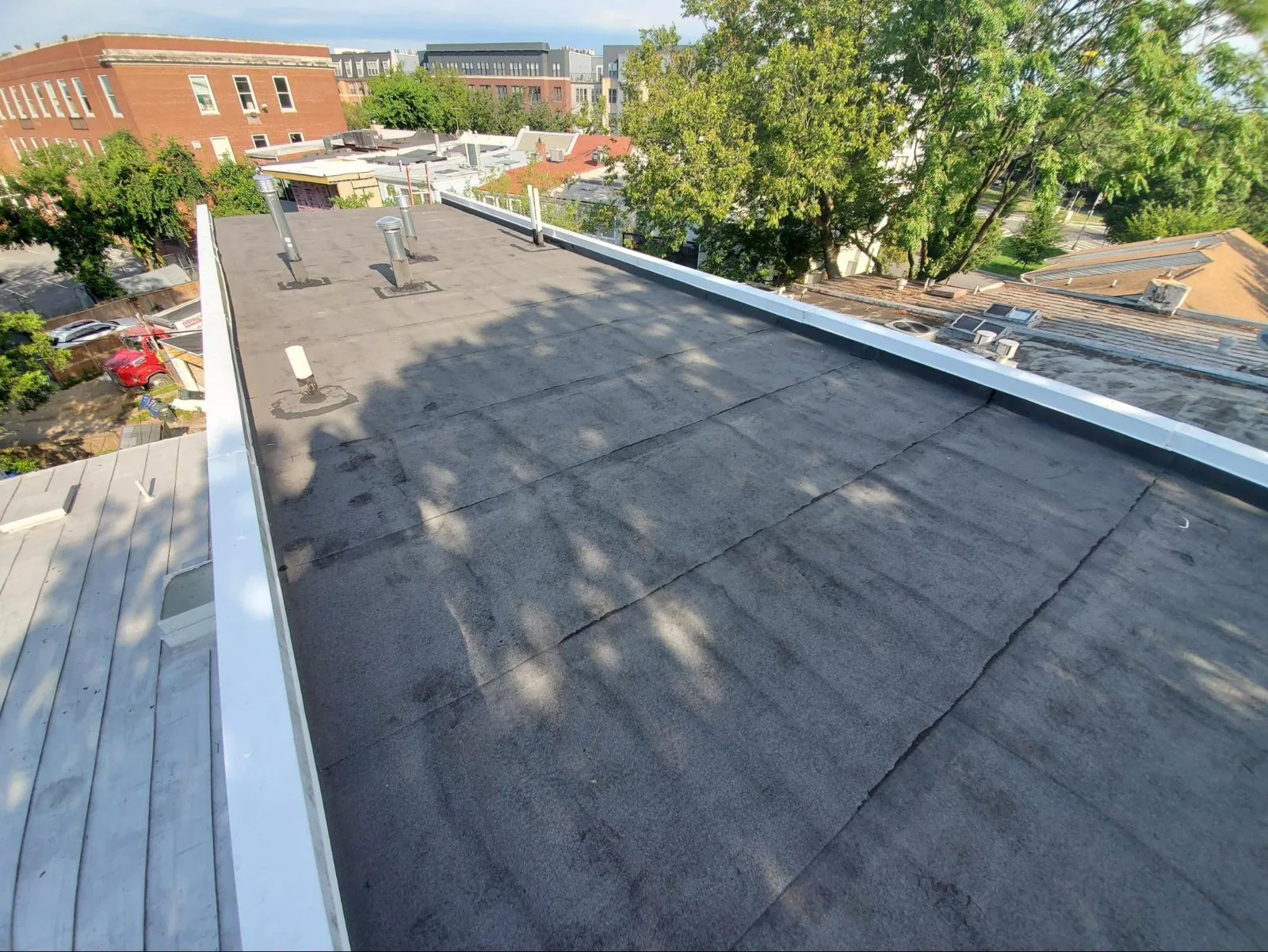
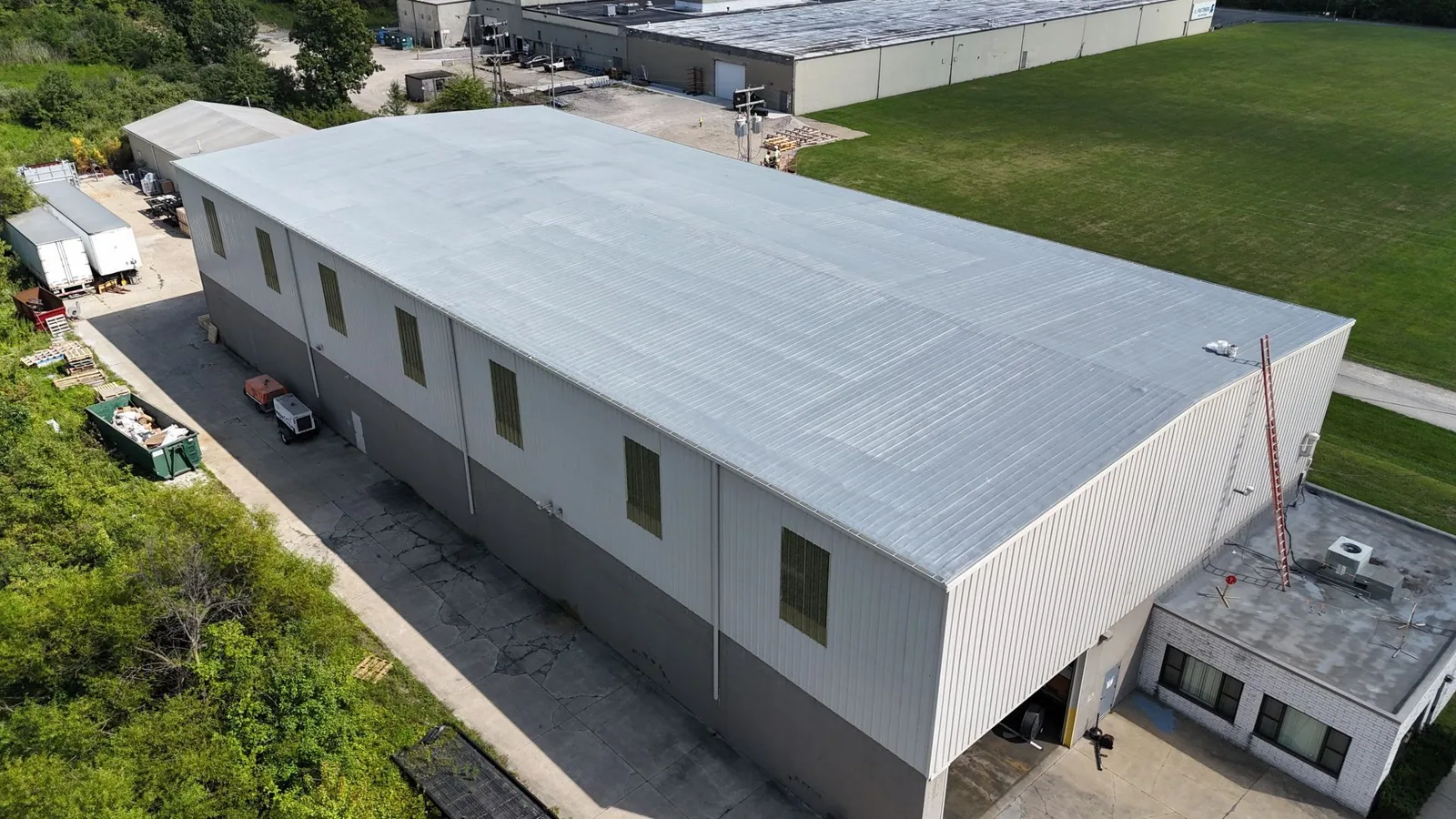
SPF forms a continuous surface over the substrate and can create slope through varying foam thickness. Inspection looks for cuts, soft areas, blisters, delamination, exposed substrate, and cracks where the foam meets curbs or walls. An SPF surface coating shields the foam from ultraviolet exposure and weather. A coating defect may be small, while the foam below extends beyond its visible edge.
We record the roof zone, defect dimensions, surface condition, and nearby transitions. A test cut, if authorized, can show foam density, adhesion, and moisture at that location. It does not confirm the condition of every roof area. A roof inspection can establish the visible baseline. An infrared moisture survey may identify areas for further investigation when construction and weather conditions support its use.
Palm Bay's technology and manufacturing base includes L3Harris facilities for maritime systems and microelectronics. The Palm Bay Flex Business Park is marketed for engineering, defense suppliers, and light-industrial operators beside the campus. Those uses can involve rooftop equipment and service access, but do not establish a property's insulation or SPF assembly. We confirm roof materials, equipment routes, and safe staging at the building.
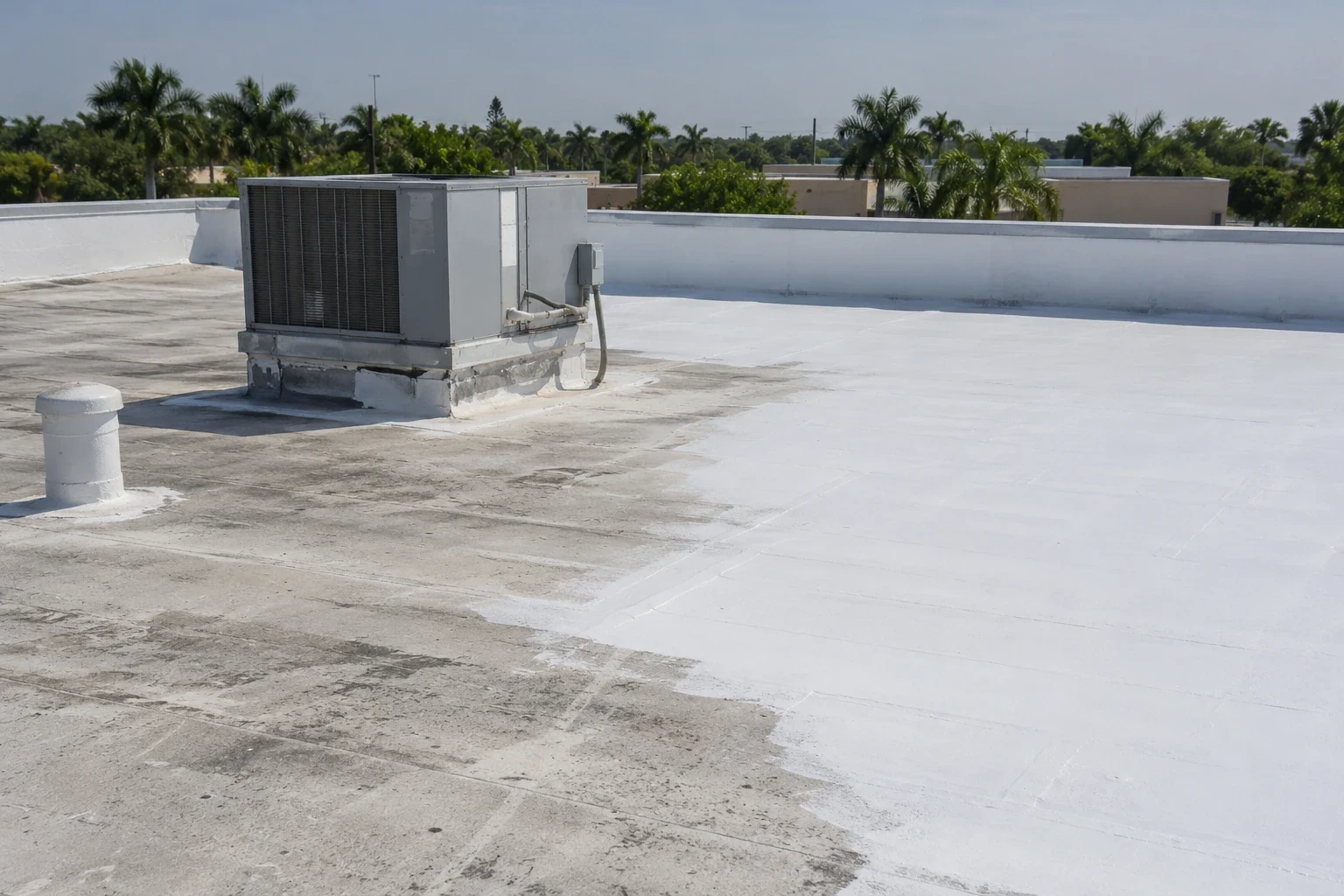
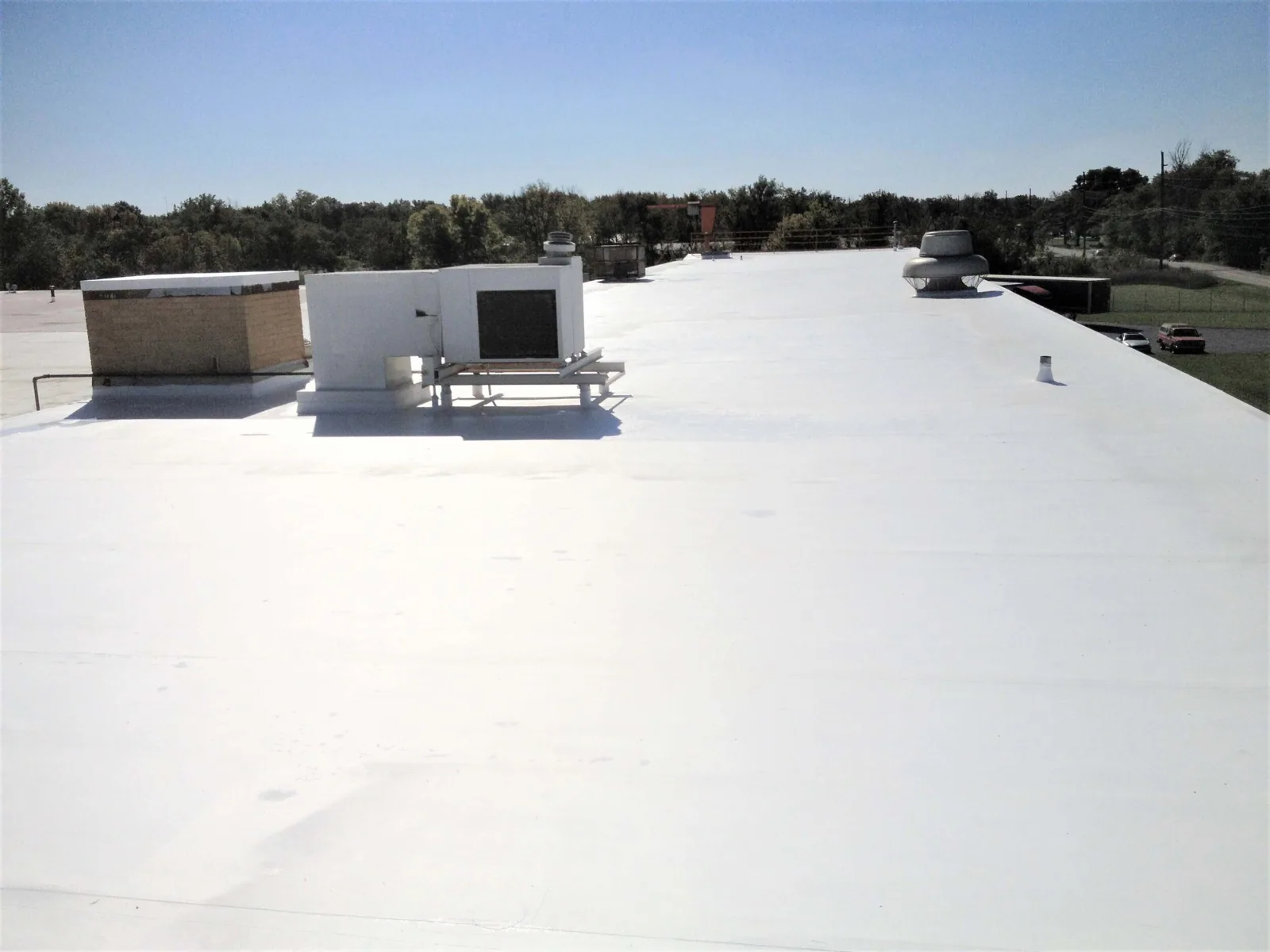
Coating condition controls how the foam is protected. We inspect pinholes, worn areas, cracks, peeling, ponding marks, and failed terminations. A surface must be clean, dry, and sound before coating. The proposal states preparation, primer if required, system, application boundary, and conditions that could stop the work.
Silicone and acrylic coatings have different application properties and water exposure limits. A silicone coating system may suit certain existing SPF surfaces after compatibility and substrate review. An acrylic system may fit a different use and exposure. The product and detail must follow the specified system. A coating is not a substitute for wet foam removal or a failed substrate.
Adhesion testing can help confirm a proposed system on a representative area. We record the location, preparation, result, and conditions. A passing test spot does not clear every roof zone. Prior coatings or repairs may need separate evaluation.
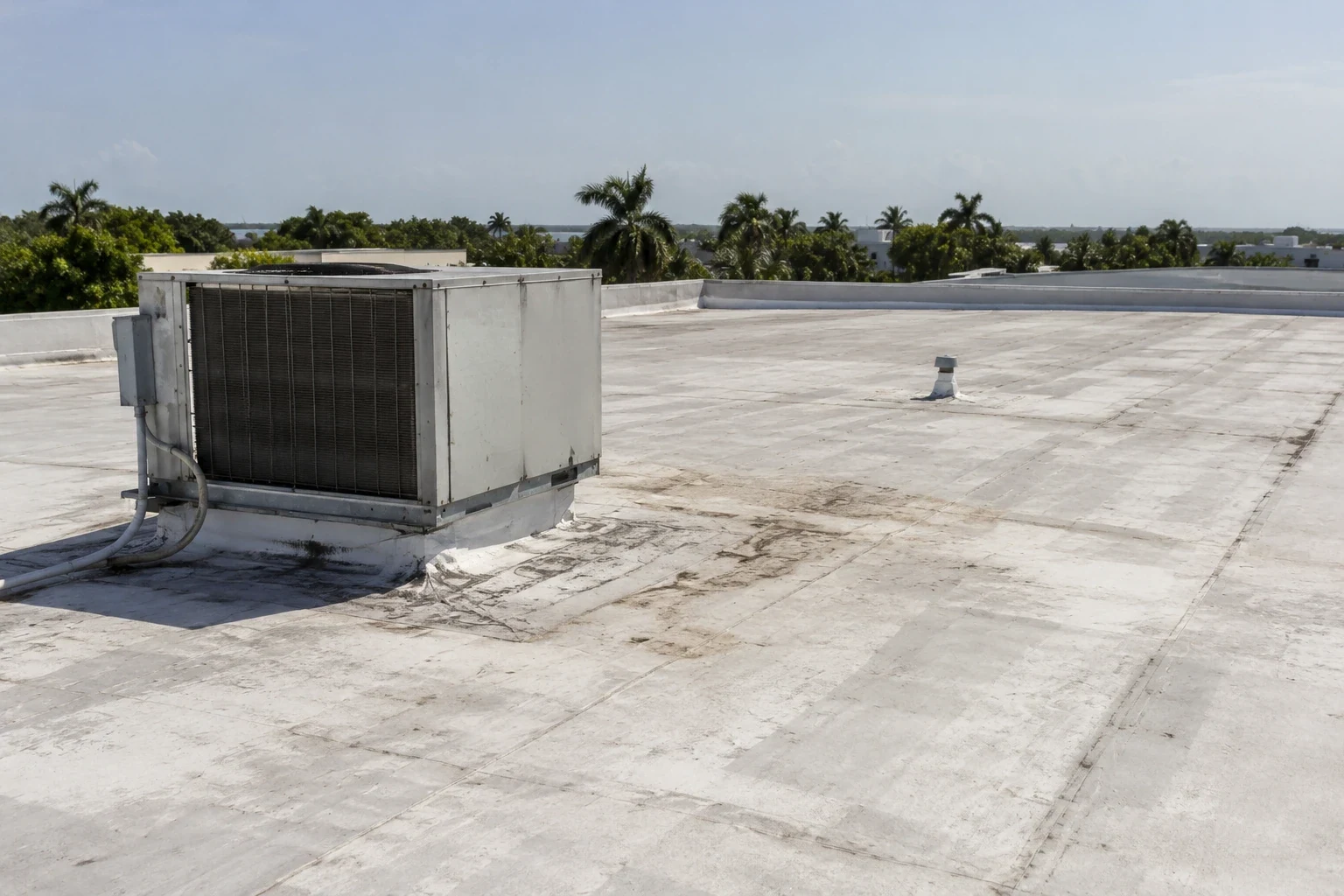
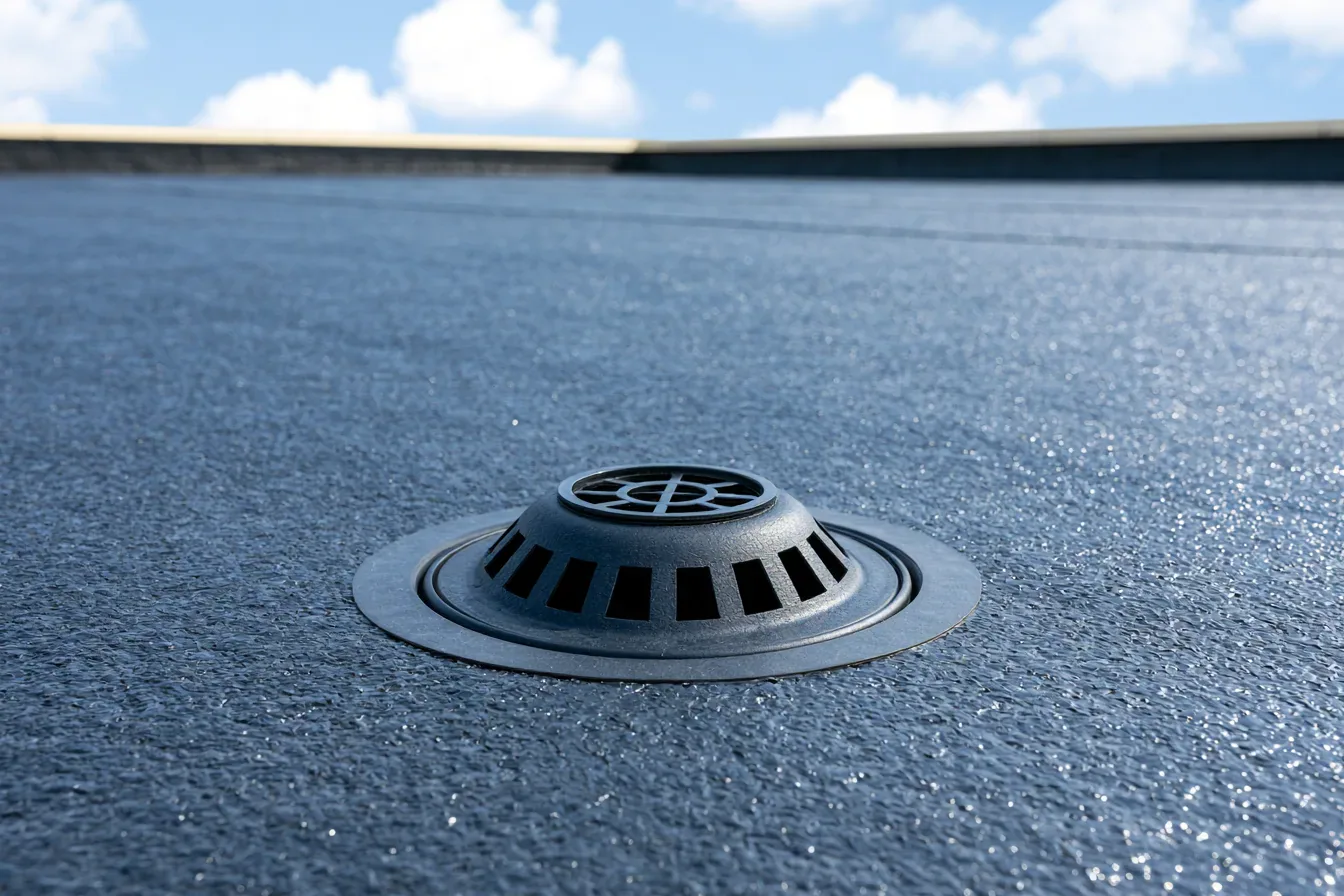
SPF roofs can be shaped to direct water toward drains, but the finished surface still needs open outlets and sound transitions. We inspect drains, scuppers, overflow paths, low spots, and water marks. If the surface has been damaged or recoated unevenly, confirm whether water reaches the outlet. A drainage review can map the flow path and identify areas that need design input.
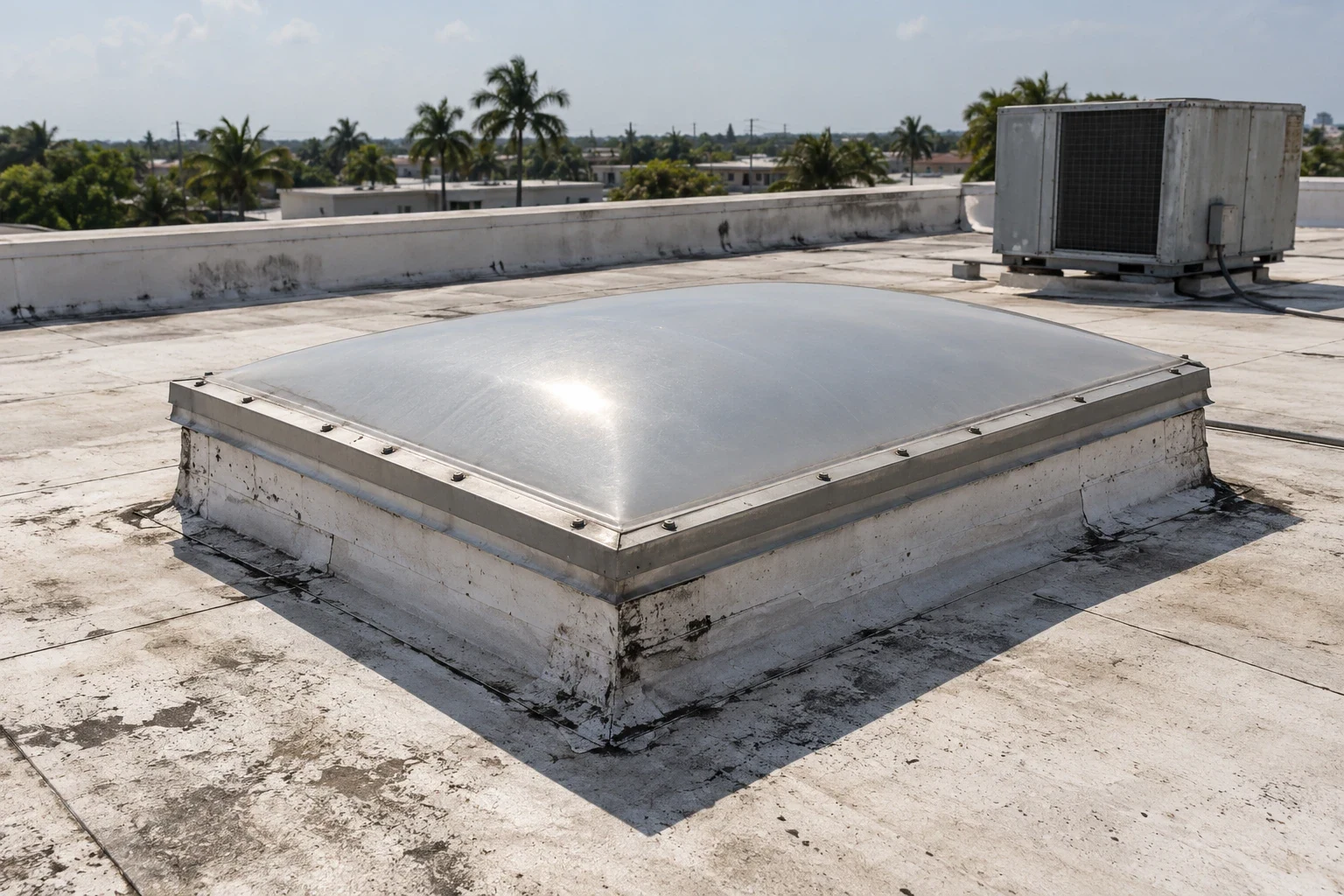
Water at an interior ceiling may enter through coating, flashing, a curb, or a drain. The reported location is documented separately from the roof evidence. A penetration inspection can check openings near the stain. If foam or insulation may be wet, use an authorized test location and restore the opening under the approved detail.
Melbourne monthly rainfall normals peak in June and September. That regional pattern supports prompt drain checks before wet periods. It does not prove ponding or water intrusion on a specific SPF roof. We record actual moisture and drainage observations by zone.
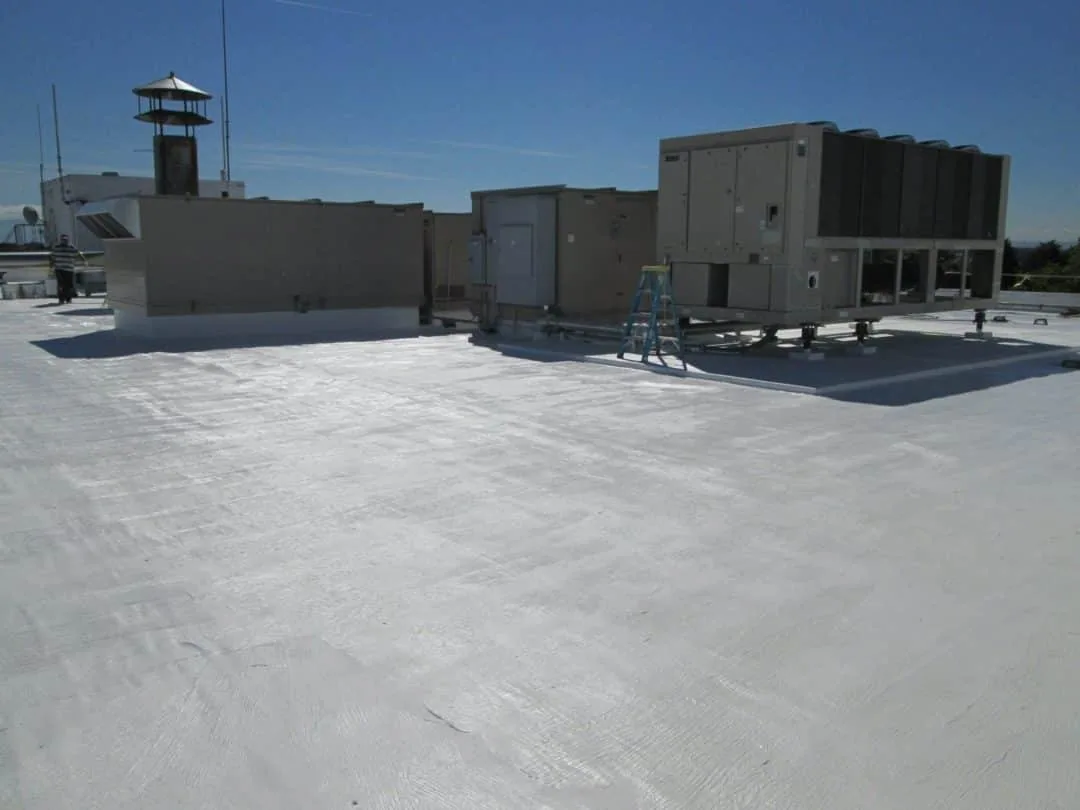
A small coating breach may need localized preparation and recoating if the foam below remains sound. Cut or degraded foam may require removal to stable material, rebuilding the surface, and restoring the protective layer. The scope states what is removed, replaced, recoated, and left outside the boundary. Concealed conditions require an approved change before permanent scope expands.
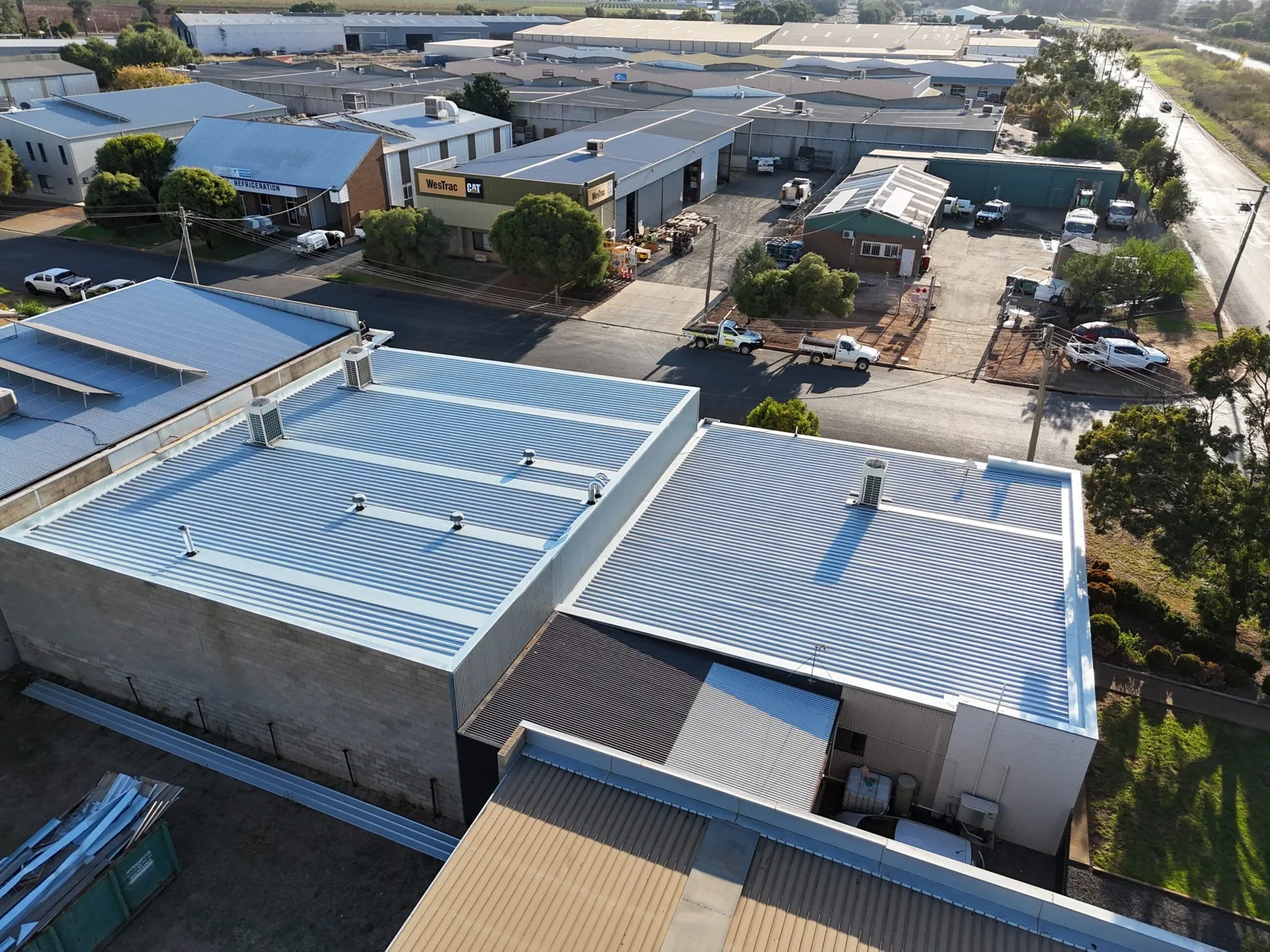
A coating restoration assessment can evaluate the existing surface and adhesion. If moisture, delamination, or substrate damage is widespread, compare the repair boundary with broader replacement options. The proposal separates temporary protection from permanent work.
Application depends on surface temperature, moisture, wind, and rain forecast. In Palm Bay, afternoon storms can shorten the dry window. The crew checks the roof before starting and stages only an area that can be protected. Mask adjacent equipment and drains before spraying. Wind direction, surface moisture, and access can limit application. The record notes interruptions and any exposed foam requiring a return. Confirm the coating manufacturer's limits for temperature and humidity, then record readings at the roof rather than relying on a citywide forecast. Keep the application boundary clear of parked vehicles and active service work. If conditions change, stop at a detail that can be sealed and protected.
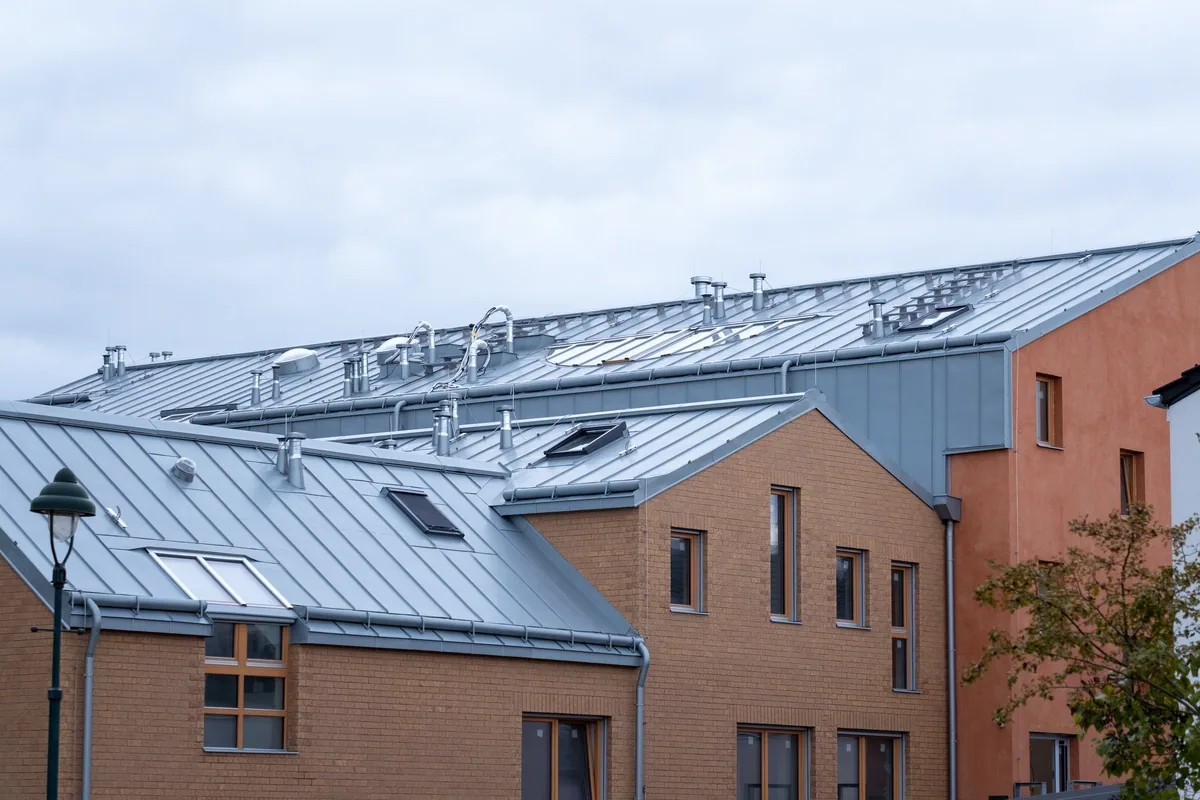
Closeout shows foam repairs, coating layers, transitions, drains, and completed roof zones. The record includes materials, test location, photographs, access limit, and exclusions. Note whether the repaired surface was dry and suitable for coating at application.
The Palm Bay Industrial Center listing identifies industrial space on Clearmont Street NE. Such commercial spaces can include rooftop equipment and service routes, but the listing does not identify SPF. We confirm the roof assembly at the actual property and protect access to equipment during repair.
Follow-up should check coating wear, penetrations, drains, and any cut made by later service work. A maintenance visit can record new damage before foam remains exposed. A condition report keeps each photo assigned to its roof zone.
Learn more →
Learn more →
Learn more →
Learn more →
Learn more →
Learn more →
Learn more →
Learn more →