
A solar layout can add penetrations, ballast, or attachment loads to a roof that already has repair needs. Before panels are scheduled, we document the existing roof, open details, and areas that may be difficult to reach later. Palm Bay includes technology manufacturing and airport-adjacent research development. The property owner and design team define any proposed array, roof scope, and access needs.
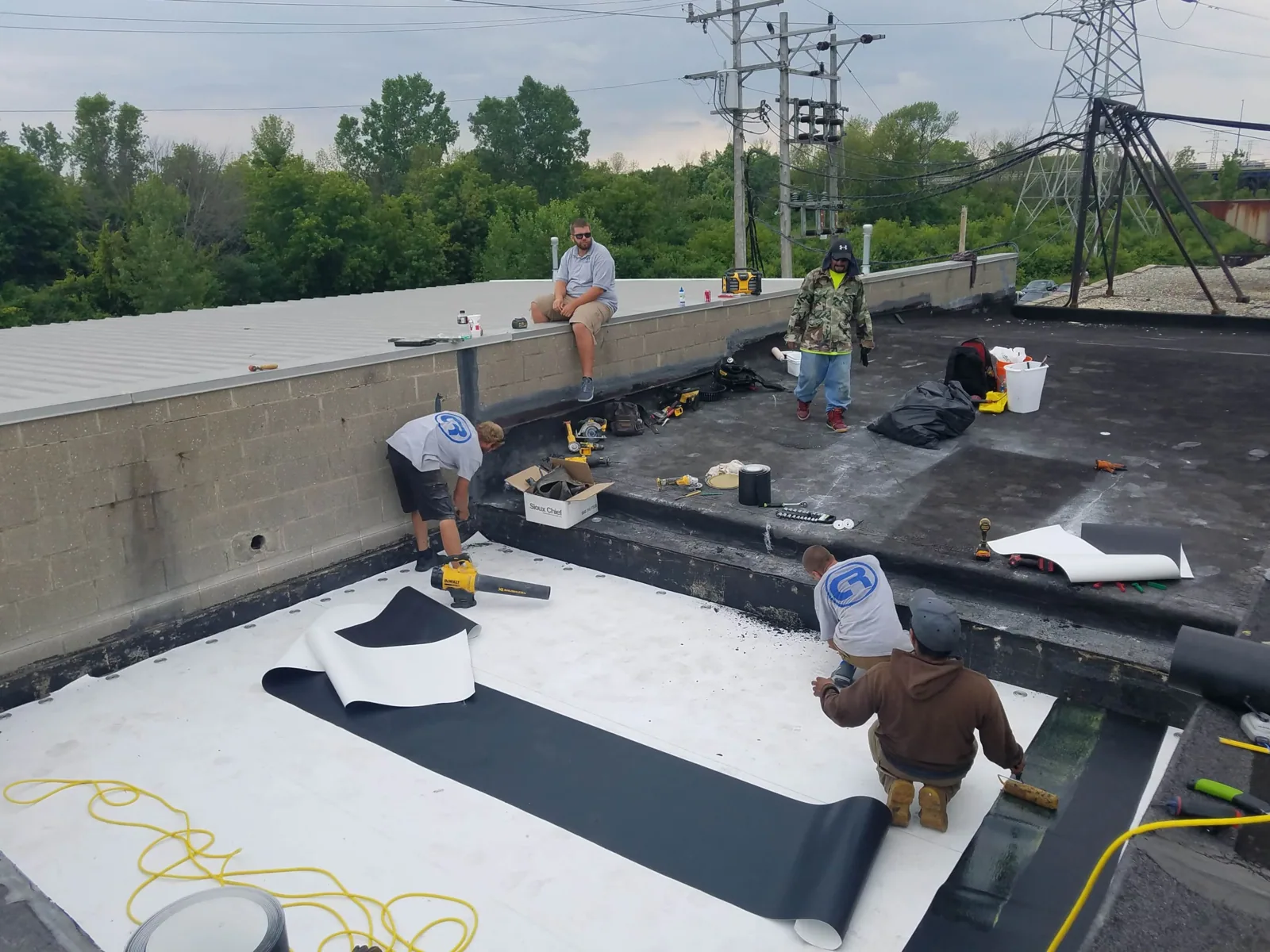
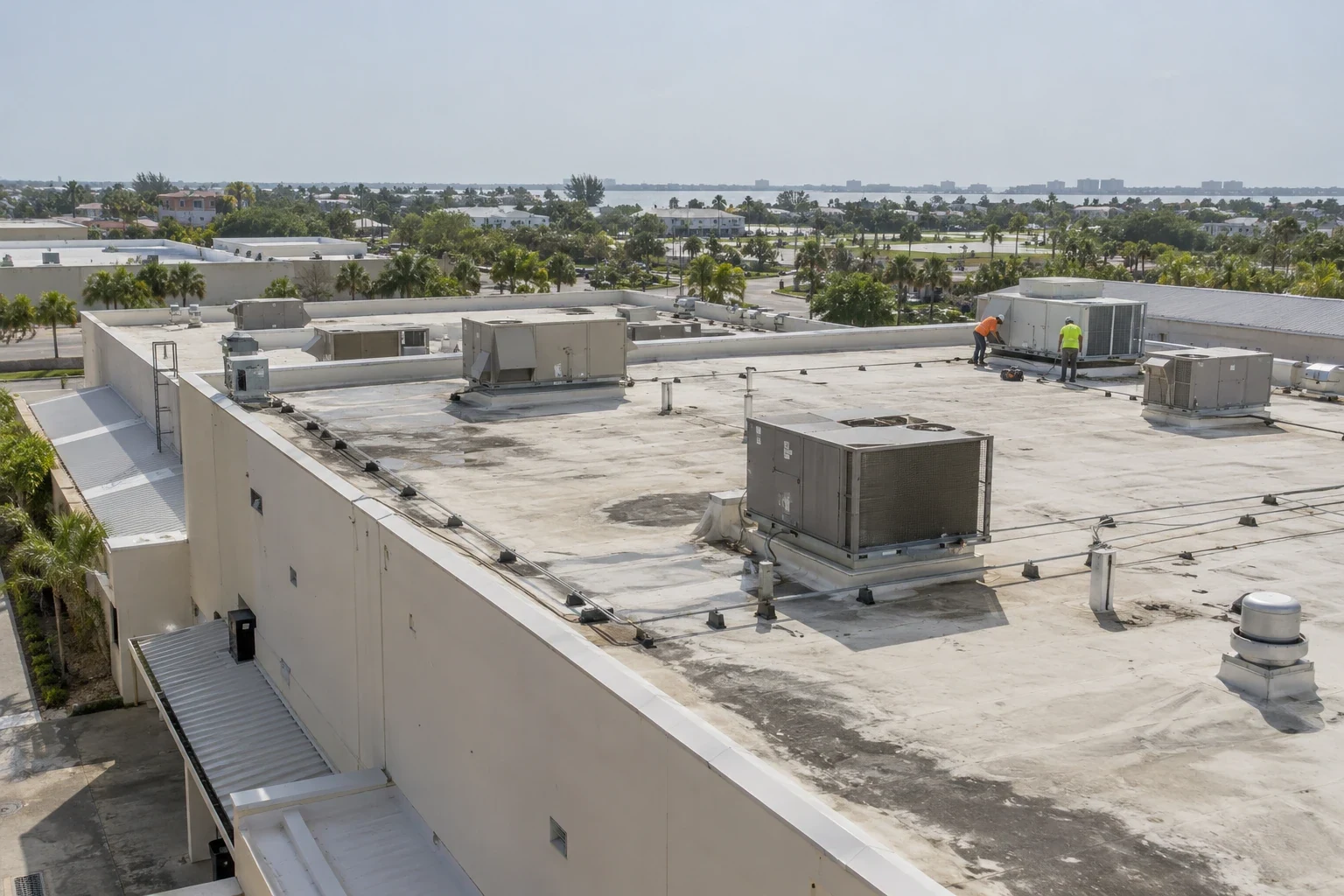
The roof needs a current condition record before array placement. We inspect membrane or metal, seams, flashing, drains, curbs, edge details, and prior repairs. The report marks active leaks, soft areas, wet-material indications, and access limits. A roof near the end of its serviceable condition may require work before panels make future access more complex.
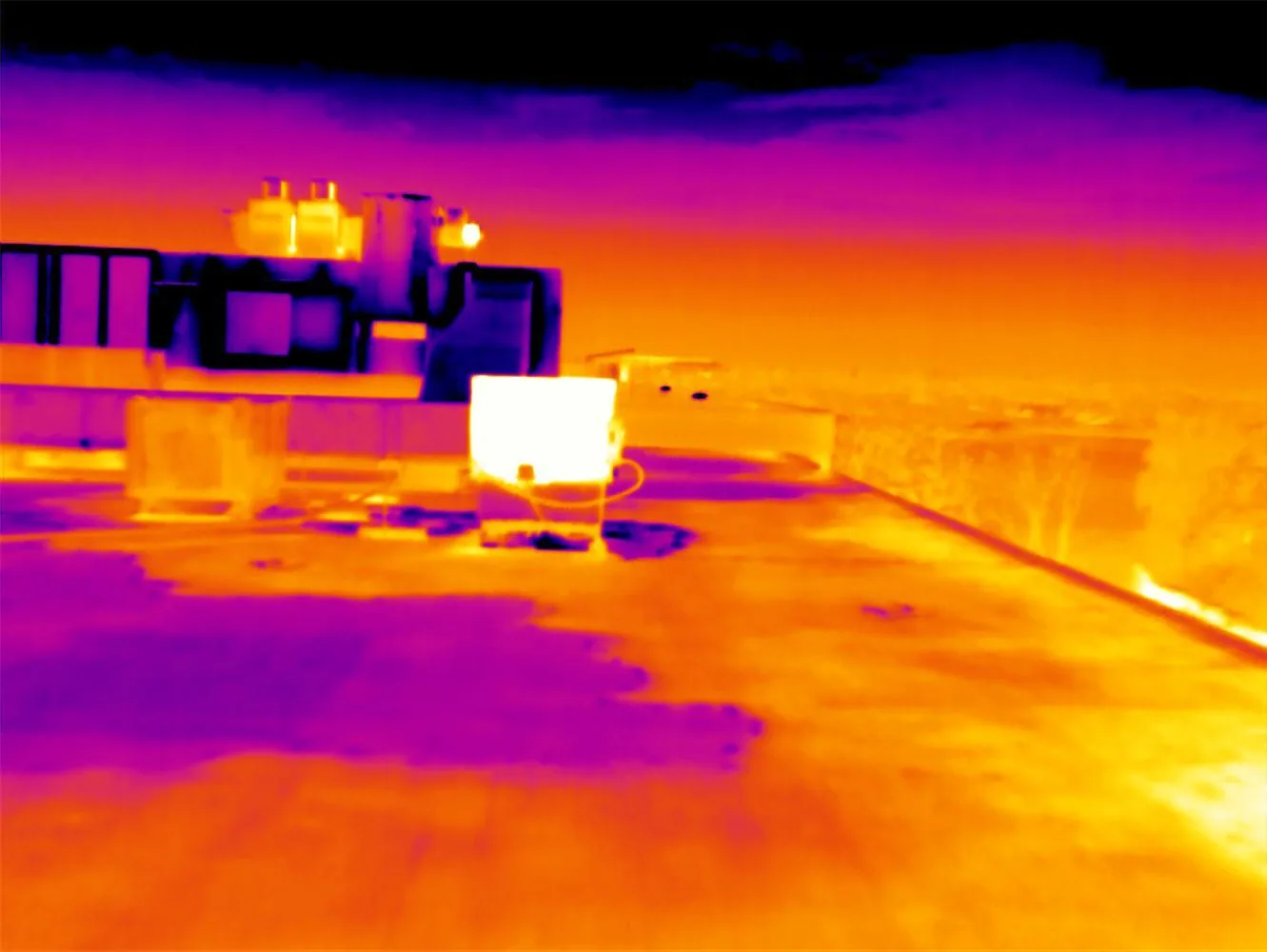
A commercial roof inspection sets the visible baseline. If concealed moisture could affect the project, an infrared moisture survey or selected test opening can identify locations for further review. The finding at one test point does not prove all roof areas share the same condition. We keep each observation tied to its zone and date.
Palm Bay Flex Business Park markets modular spaces for engineering and defense-related suppliers near Interstate 95 and the L3Harris campus. That local industrial setting can involve equipment and roof access coordination. It does not indicate whether an array is planned there. We use the fact to frame the kind of site coordination needed, then rely on the property-specific roof and solar documents.
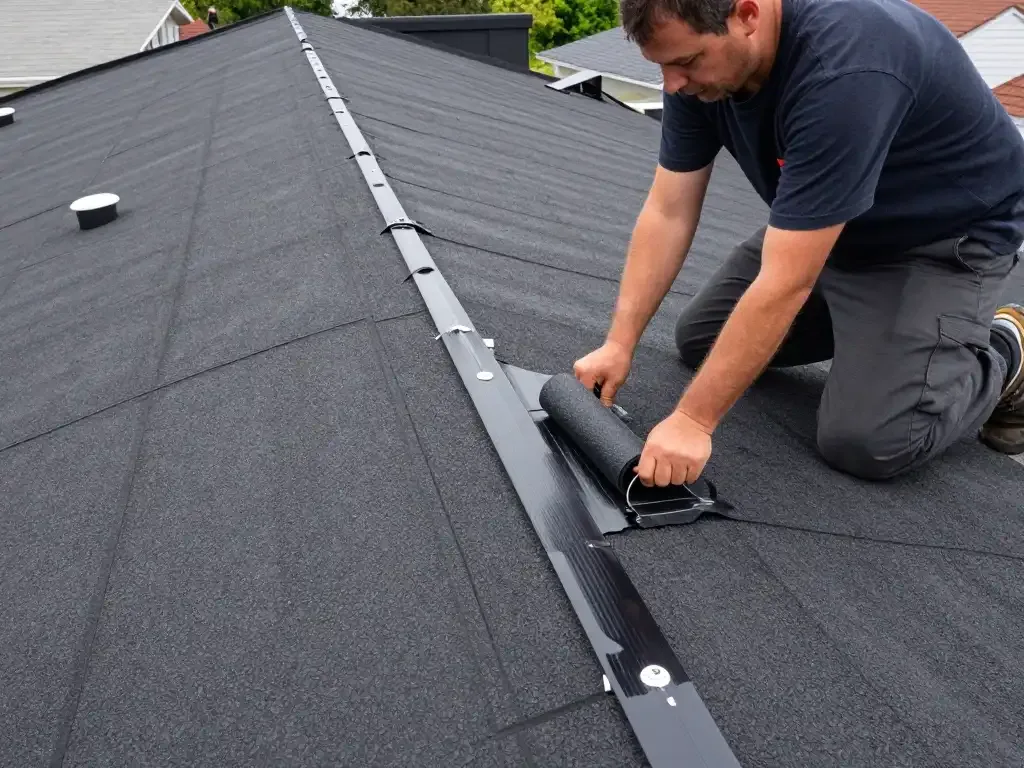
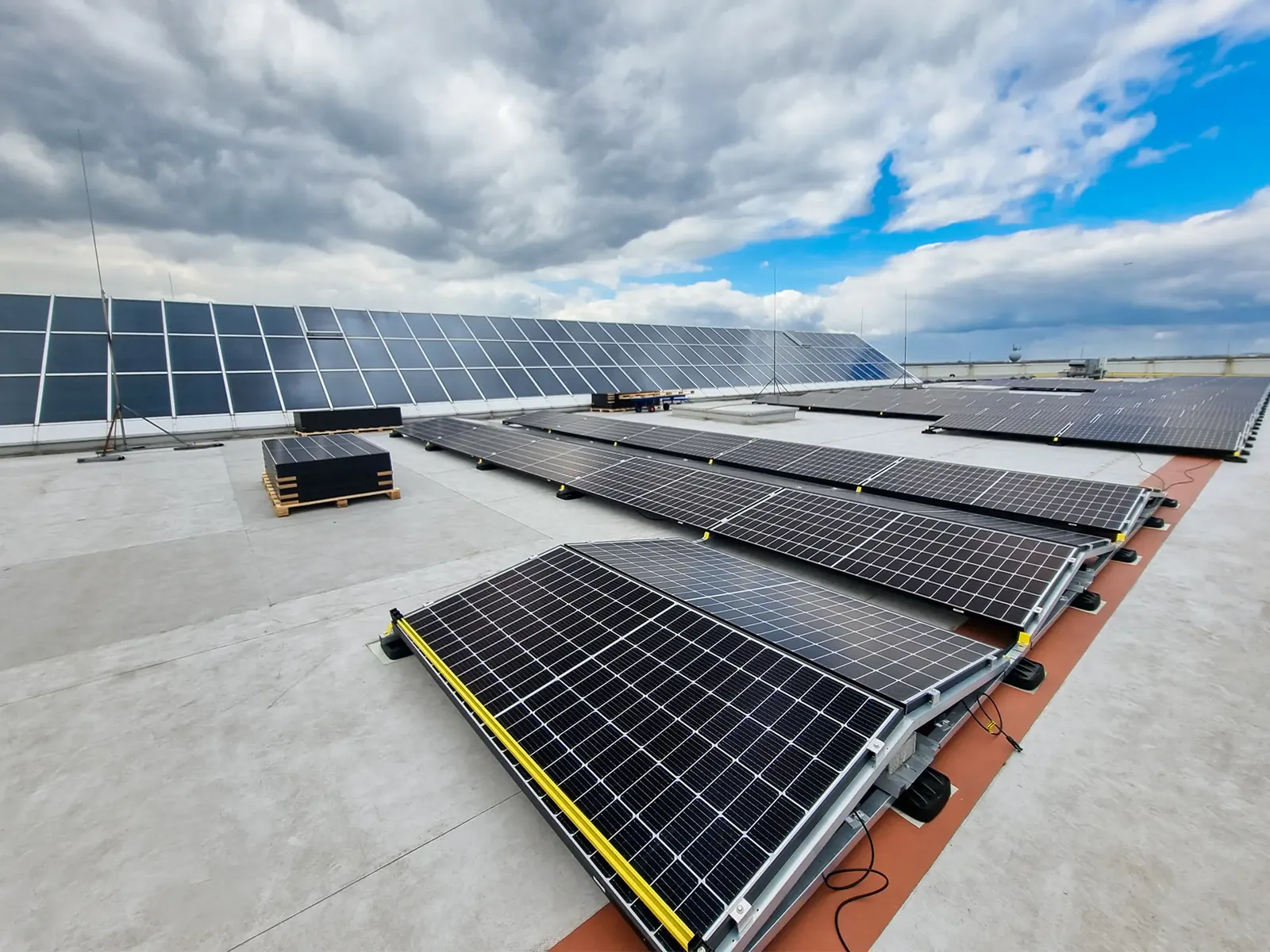
Solar attachment design belongs with the qualified solar and structural professionals. We provide roof assembly information and identify where proposed attachments intersect seams, deck, insulation, or existing equipment. We do not approve load capacity from a visual roof walk. The project engineer should review the structural drawings and attachment design before installation.
Attachment methods can include mechanically fastened rails, adhered components, or ballasted systems, depending on the design and roof assembly. Each method changes how the roof detail is protected and inspected. A penetration must maintain the membrane or metal system's water control. If the layout crosses a seam or drain path, raise that conflict before work begins.
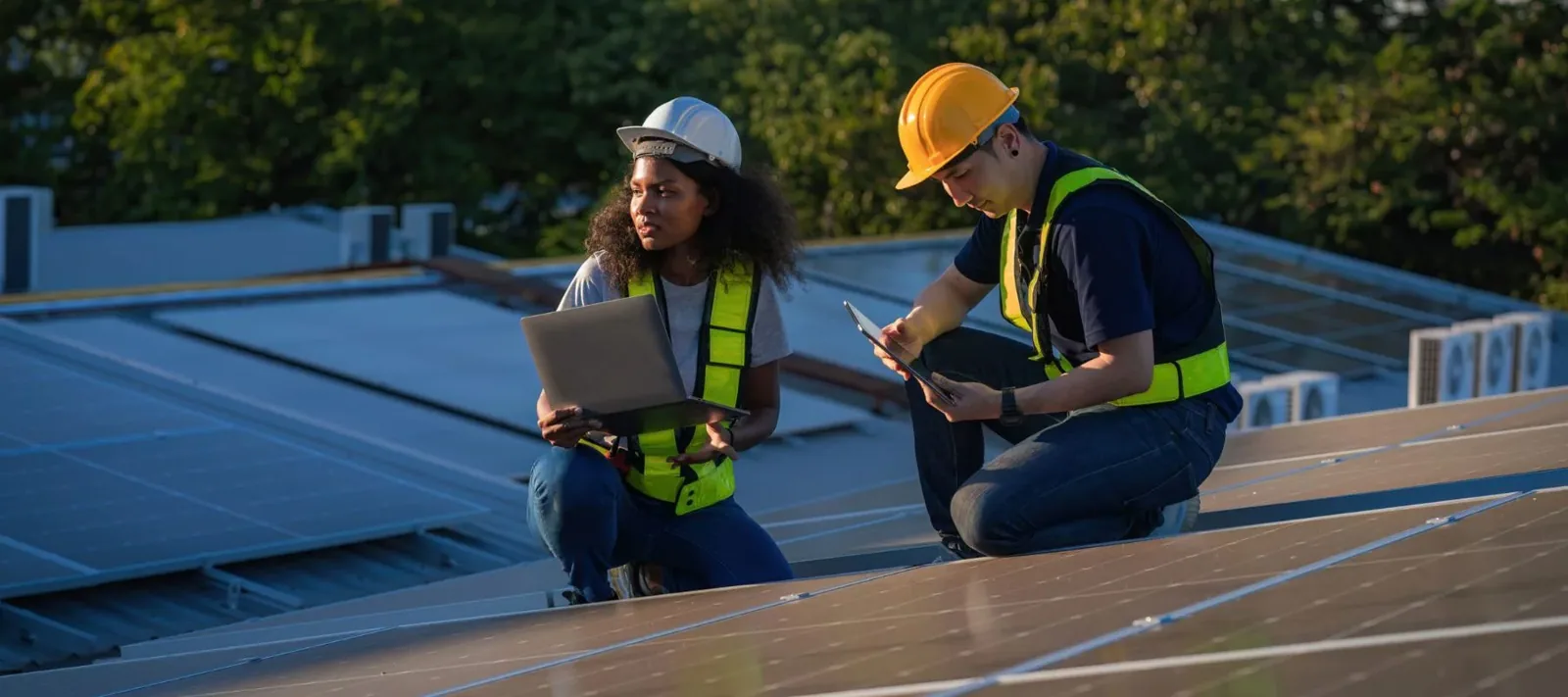
For a planned array, share the racking layout, support locations, conduit route, equipment plan, and installation sequence. We compare those documents with the roof condition record. A curb and support inspection can document existing bases and service paths. A roof insulation review can identify assembly layers relevant to attachment and future reroof work.
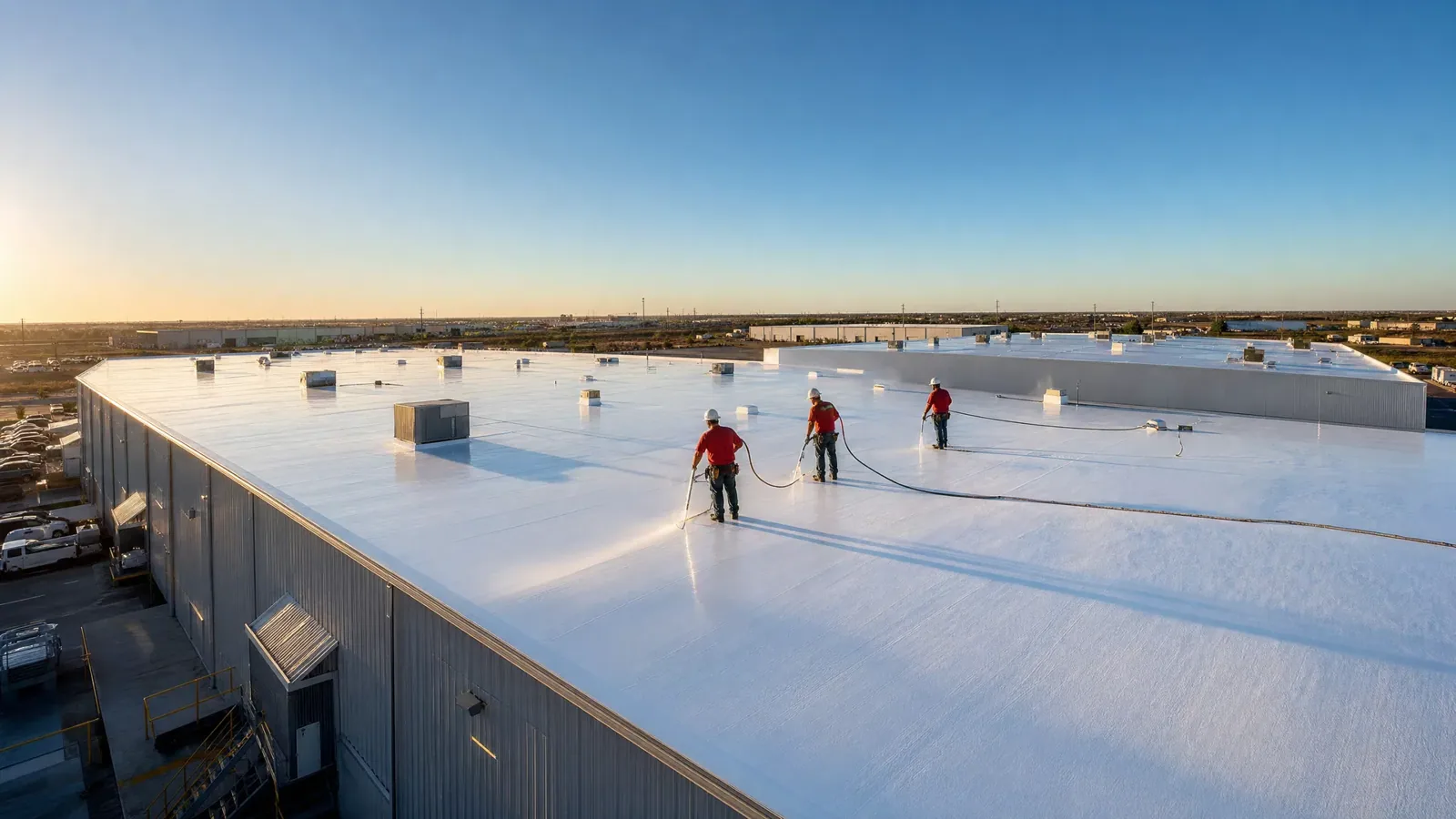
Panel rows and conduit routes should preserve access to drains, scuppers, overflow outlets, curbs, and roof equipment. The solar drawing needs a walkable path to components that require service. We record which outlets must remain clear and where future inspection could be limited by the array.
Before installation, identify roof sections that will be covered. Photograph seams, flashing, and repairs while they remain visible. If an issue is found under a proposed array area, resolve the roof scope before panels obstruct access. A drainage review can map outlets and low areas. A maintenance plan can schedule inspection of accessible roof zones after installation.
Florida Tech Research Park was planned near Melbourne Orlando International Airport with an applied research laboratory and aviation training center. The property contact sets access procedures, and the solar layout should identify the roof route and service restrictions before crews arrive.
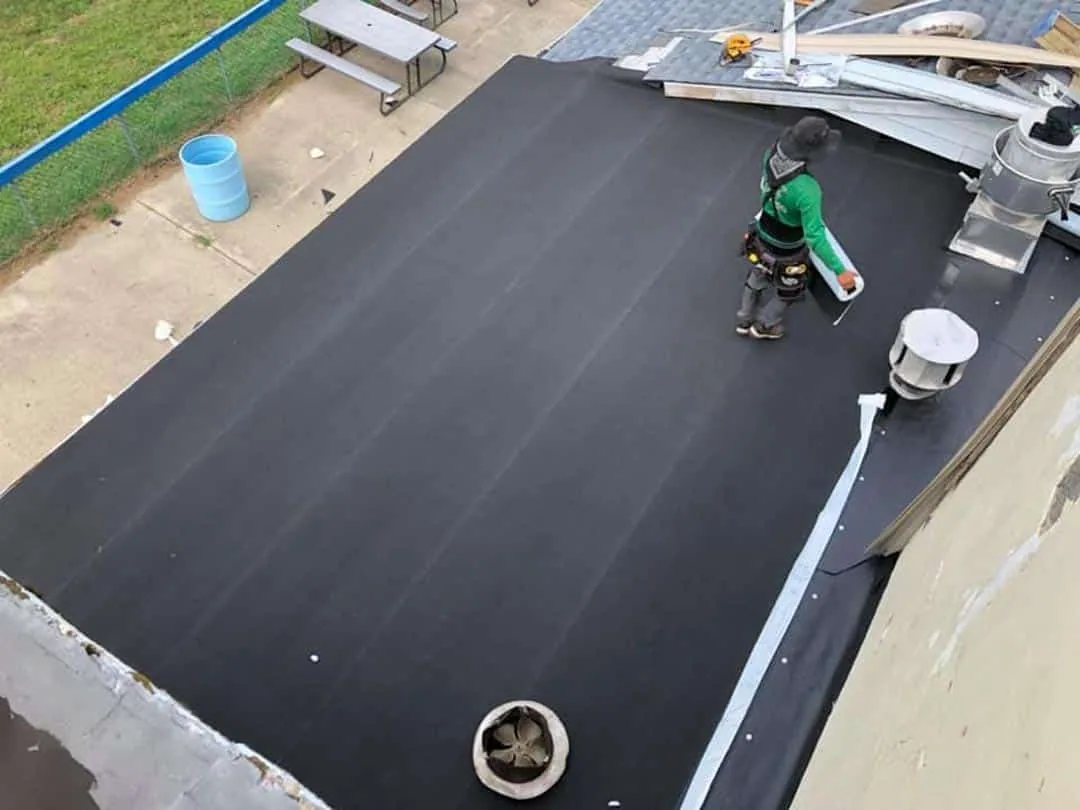
Sequence the roof work before mounting hardware. Complete necessary membrane repairs, flashing changes, or replacement while the affected area is open. The roofing team photographs the base condition and completed detail. The solar installer then follows the approved attachment and flashing design. Each contractor's boundary should be clear where work passes from roof membrane to rack or conduit.
Weather, lead times, and structural review can control the schedule. Summer rain can interrupt open-roof work in Palm Bay. Melbourne averages its highest monthly rainfall in June and September. Those regional averages inform seasonal planning, but the crew checks day-of conditions before opening a section. Temporary protection is logged separately from permanent roof work.
For multiple buildings, keep a separate array layout and roof record for every address. A multi-building roof program can track inspection dates, system access, repairs, and unresolved details. A photo condition report preserves the pre-solar and closeout conditions by zone.
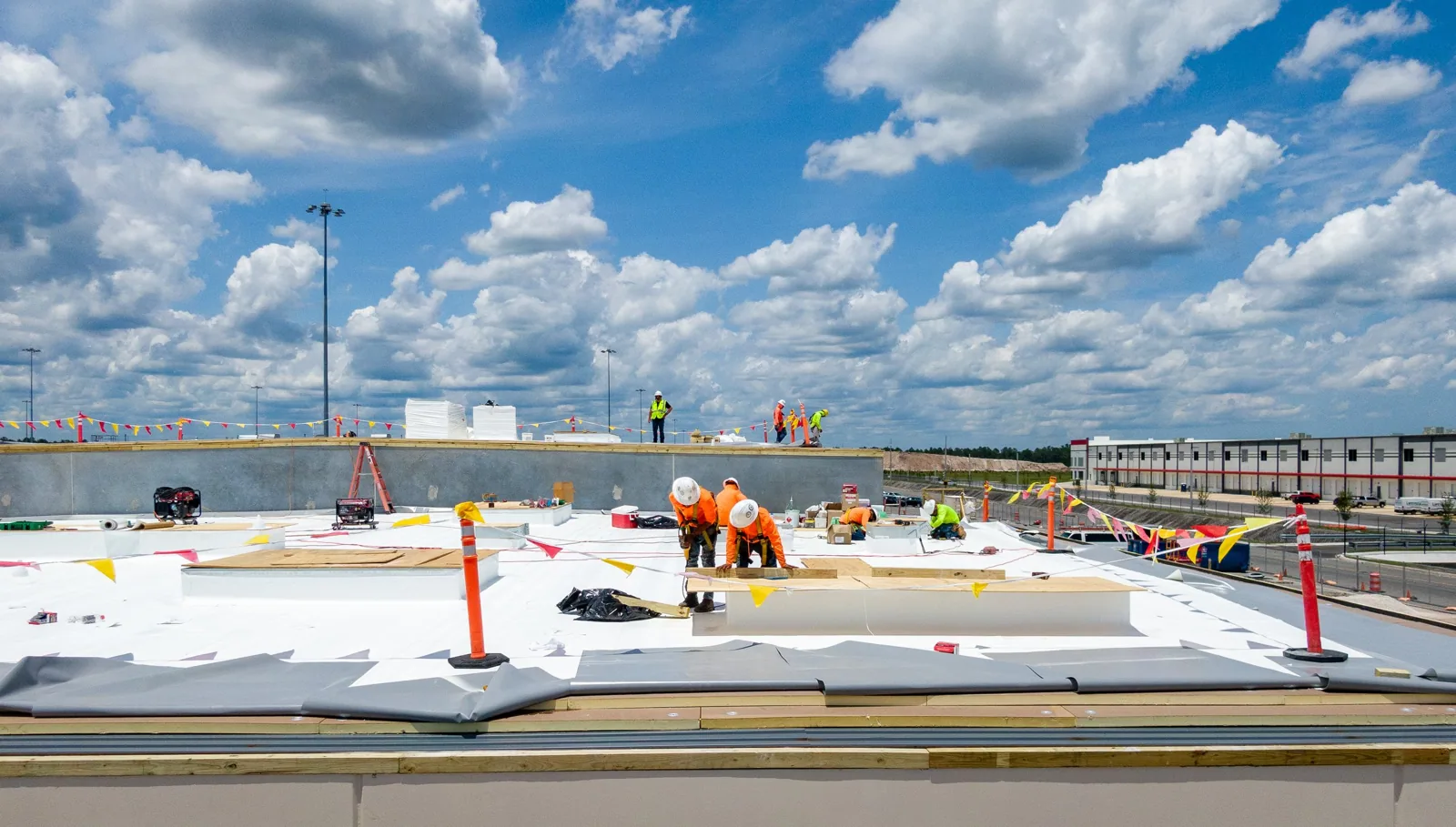
After mounting and electrical work, inspect the accessible roof details affected by installation. Record attachments, flashing, conduit supports, seams, nearby drains, and any area that the array now limits. A closeout record should identify the solar contractor's work date and where each roof detail was checked.
Future service can disturb flashing or move a support. Keep the array plan and roof record available to maintenance staff. If a leak appears, record its date, interior location, and array zone. The inspection should trace the reported path and state any access limit created by the panels.
The handoff should name the current roof assembly, array zone, attachment record, and any inaccessible area. Keep the roof closeout beside the solar layout so a later leak report can be compared with known penetrations. Electrical testing remains separate from a roofing water check.
Learn more →
Learn more →
Learn more →
Learn more →
Learn more →
Learn more →
Learn more →
Learn more →